What Happens at a Neurophysiology Appointment? Step-by-Step for First-Time Patients
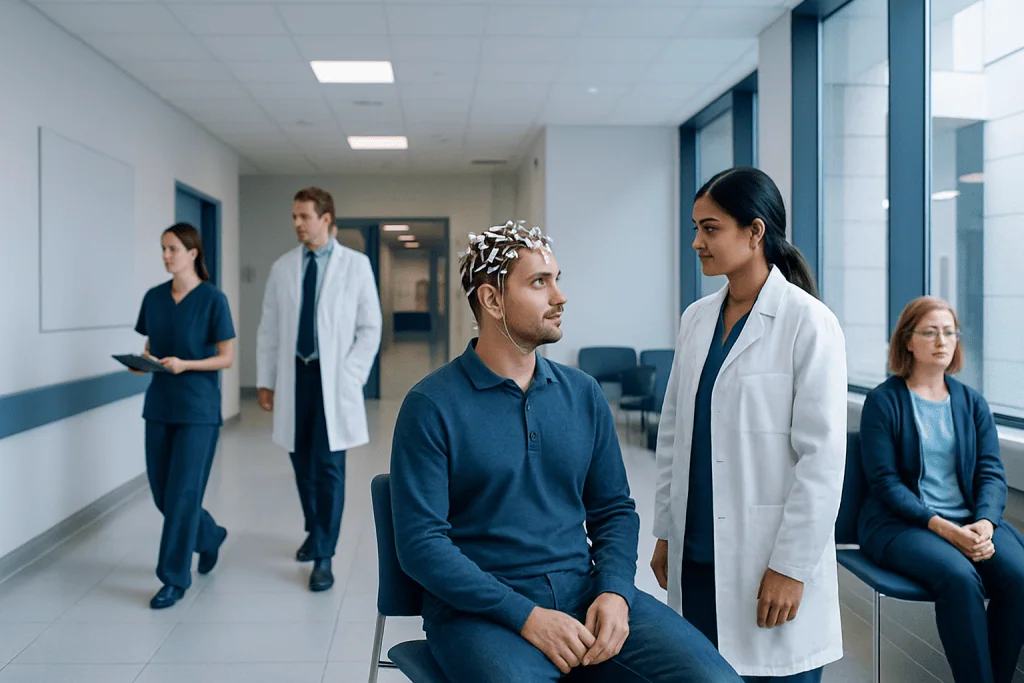
A neurophysiology appointment evaluates nerve, muscle, or brain function with specialized tests. Many visits begin with a medical history and focused neurological examination before testing.
Key Takeaways
- A neurophysiology appointment evaluates nerve, muscle, or brain function with specialized tests.
- Many visits begin with a medical history and focused neurological examination before testing.
- Common tests include EEG, EMG, and nerve conduction studies, depending on symptoms.
- Most neurophysiology tests are safe, outpatient procedures and do not require a hospital stay.
- Preparation may involve washing the skin or hair, bringing medication lists, and following clinic instructions.
A neurophysiology appointment helps doctors understand how the brain, nerves, and muscles are working. For first-time patients, the visit usually includes a symptom review, a focused examination, and one or more tests such as EEG, EMG, or nerve conduction studies.
Overview: What a Neurophysiology Appointment Is
A neurophysiology appointment is a specialist visit that looks at how the nervous system functions rather than only how it appears on a scan. Neurophysiology focuses on electrical activity in the brain, spinal cord, nerves, and muscles. These appointments are often recommended when a person has symptoms such as numbness, tingling, muscle weakness, tremor, blackouts, seizures, memory-related episodes, or unexplained pain.
The aim is to gather objective information that can help a doctor confirm or rule out certain conditions. Neurophysiology tests do not usually replace a neurological consultation or imaging. Instead, they add another layer of information about how signals are traveling through the body and whether those signals are normal, slowed, blocked, or overactive.
For first-time patients, the process is often more straightforward than expected. Most appointments are outpatient visits. Depending on the reason for referral, the visit may include discussion of symptoms, a focused examination, and tests such as an electroencephalogram (EEG), electromyography (EMG), or nerve conduction study.
Why Someone May Be Referred
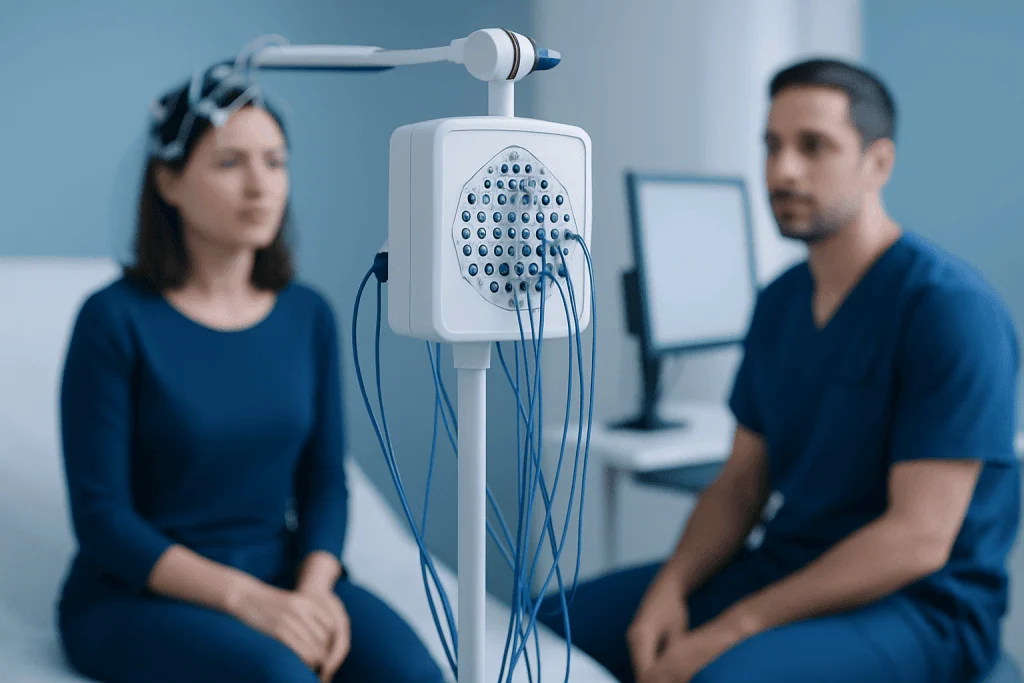
A doctor may recommend a neurophysiology appointment when symptoms suggest a problem involving the brain, nerves, or muscles. The exact reason for referral helps determine which test is most useful. For example, episodes of staring, loss of awareness, or suspected seizures may lead to an EEG, while hand numbness or muscle weakness may lead to EMG and nerve conduction studies.
Common reasons for referral include:
- Numbness, tingling, burning, or electric-shock sensations
- Muscle weakness, cramps, twitching, or muscle wasting
- Suspected nerve compression, such as carpal tunnel syndrome
- Possible seizure activity, fainting spells, or unexplained episodes
- Neuropathic pain or symptoms related to diabetes or other systemic illness
- Balance problems, tremor, or movement-related symptoms
- Follow-up of known neurological conditions
Sometimes the referral is part of a wider diagnostic pathway. A patient being assessed for epilepsy may need EEG testing, while a person with persistent nerve symptoms may also be evaluated for peripheral neuropathy. The appointment helps clinicians decide whether symptoms are coming from the brain, a single nerve, multiple nerves, the nerve roots, or the muscles themselves.
What Happens Before the Test
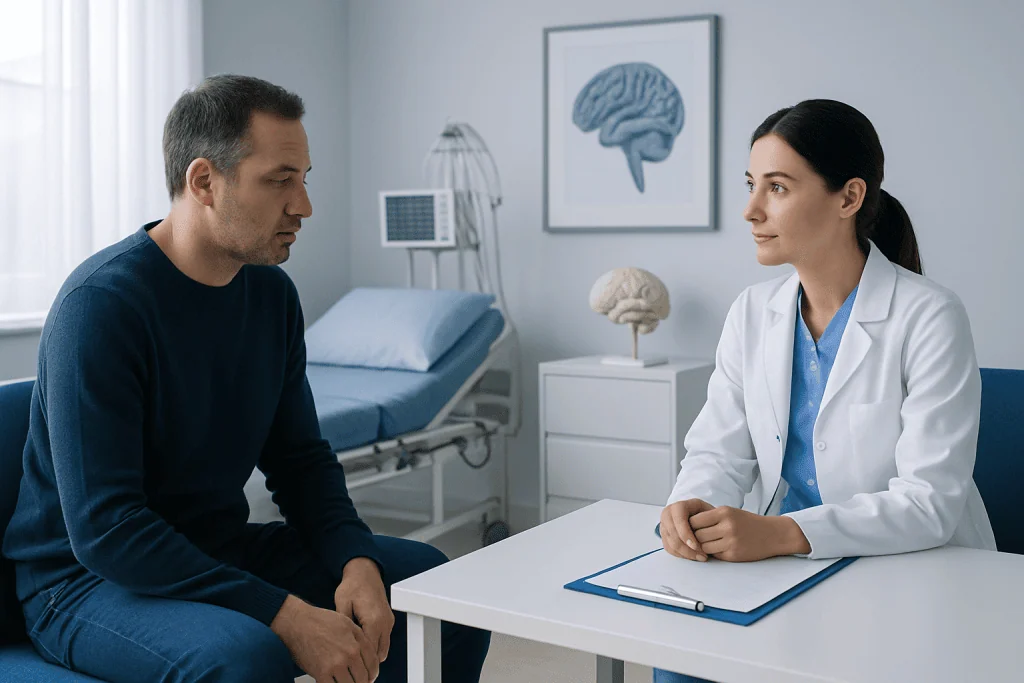
Before the appointment, the clinic usually shares instructions based on the planned test. Patients are often advised to bring their referral letter, a list of medicines, previous test results if available, and details about implanted devices such as pacemakers or deep brain stimulators. Comfortable clothing is useful, especially if the arms or legs will be examined.
Preparation varies. For an EEG, hair is usually best washed the night before or the same day, with no hair oils, sprays, or gels, so the electrodes can stick well. For EMG or nerve conduction studies, it may help to avoid heavy lotions or creams on the skin. Some tests also require information about blood thinners, bleeding disorders, or skin infections in the area to be examined.
Many patients worry that they must stop medication before testing. In most cases, medicines should not be changed unless the clinic or referring doctor specifically advises it. If there is any uncertainty about epilepsy medication, pain medication, diabetes treatment, or blood thinners, it is safest to ask before the appointment rather than making changes independently.
Step-by-Step: During the Appointment
The appointment usually begins with questions about symptoms, when they started, whether they come and go, and what makes them better or worse. The specialist or technologist may ask about medical conditions, recent infections, injuries, family history, and daily activities. This conversation is important because the choice and interpretation of tests depend heavily on the clinical story.
A brief focused examination may follow. This can include checking strength, reflexes, sensation, coordination, or eye movements. Not every appointment includes a full neurological examination, but even a short assessment helps guide where electrodes should be placed and which nerves or muscles should be tested.
After this, the planned neurophysiology test is performed. Depending on symptoms, the visit may include one test or a combination of tests. Some patients have a straightforward recording that takes under an hour, while others need a longer or more specialized study. The team usually explains each step before starting, so the patient knows what to expect.
At the end of the visit, the patient is usually told what happens next. In some clinics, the specialist discusses preliminary impressions immediately. In others, the recordings are analyzed in detail and a formal report is sent later to the referring doctor or neurologist. If further assessment is needed, the next step may include a neurology review, blood tests, imaging, or additional neurophysiology studies.
Common Neurophysiology Tests Explained
An EEG records electrical activity from the brain using small electrodes placed on the scalp. It is commonly used when seizures or unusual episodes are being investigated. The test is painless. During the recording, the patient may be asked to relax, open and close the eyes, breathe deeply for a short period, or look at flashing lights. Some people are referred for EEG testing as part of the evaluation of blackout episodes, suspected seizures, or sleep-related events.
A nerve conduction study checks how quickly and effectively electrical signals travel through peripheral nerves. Small surface electrodes are placed on the skin, and brief electrical pulses stimulate the nerve. Patients often describe the sensation as surprising or uncomfortable rather than painful, but it is usually very quick. This test can help assess nerve compression, injury, or generalized nerve disorders.
EMG measures electrical activity within muscles. A very fine needle electrode is inserted into selected muscles to record activity at rest and during gentle movement. EMG can help distinguish whether weakness or abnormal sensations are more likely to come from nerve roots, peripheral nerves, or muscle disease. When symptoms suggest nerve or muscle problems, EMG testing may be recommended together with nerve conduction studies for a more complete picture.
Some patients need more specialized studies, such as evoked potentials, sleep studies, or prolonged monitoring. These are chosen only when clinically appropriate. The specialist may explain that results sometimes need to be interpreted alongside other assessments, including a neurology consultation, because neurophysiology is one part of a broader diagnostic process.
Does It Hurt, and Is It Safe?
Most neurophysiology tests are considered safe and are widely used in routine clinical practice. EEG is painless because it records activity through electrodes placed on the scalp. There is no electrical current sent into the brain during a standard EEG. Hyperventilation or flashing lights may briefly trigger symptoms in susceptible people, which is why testing is supervised by trained staff.
Nerve conduction studies involve small electrical pulses applied to the skin. These can feel sharp, brief, or uncomfortable, but they are usually well tolerated and do not cause lasting harm. EMG uses a fine needle electrode, so there may be temporary discomfort during insertion and a little muscle soreness afterward, similar to mild post-exercise soreness.
Complications are uncommon. Patients should still tell the clinic about pacemakers, implanted devices, blood thinners, bleeding problems, skin infections, or pregnancy, because these details can affect planning. In most cases, normal activities can be resumed after the appointment unless the care team advises otherwise.
Results, Follow-Up, and What They Can Show
Neurophysiology results help doctors understand whether nerve or brain signals are behaving normally. The findings may show evidence of nerve compression, generalized neuropathy, muscle involvement, seizure-related electrical patterns, or other abnormalities. Just as importantly, they may also show normal function, which can be helpful in narrowing the diagnosis.
It is important to know that a single test does not always provide a complete answer. Some conditions are intermittent, mild, or at an early stage and may not show clear changes at first. That is why specialists interpret results alongside symptoms, examination findings, blood tests, and imaging when needed. A normal test result does not mean symptoms are not real; it simply means the measured signals were within expected ranges at that time.
After the appointment, the report is usually sent to the referring doctor, neurologist, or another specialist involved in care. Follow-up may include treatment for a confirmed condition, further investigations, monitoring over time, or practical advice about symptom management. For international patients needing coordinated assessment, Acibadem International’s multidisciplinary specialists and JCI-accredited hospitals provide diagnosis and treatment pathways in neurophysiology and neurology.
How to Prepare and When to Ask for Medical Advice
A few practical steps can make the visit easier. It helps to eat normally unless the clinic has given different instructions, stay hydrated, and arrive with enough time to complete registration. Patients should wear clothing that allows easy access to the arms or legs if nerve testing is expected. Bringing a companion can be helpful if symptoms include episodes of altered awareness, mobility issues, or anxiety about the procedure.
Writing down symptoms beforehand is often useful. Helpful details include when symptoms started, how long they last, whether they affect one side or both sides, and whether they are linked to sleep, stress, movement, or certain activities. If episodes have been witnessed by someone else, that description can also be valuable for the clinical team.
Medical advice should be sought promptly if symptoms are sudden, severe, or worsening, especially new weakness, a seizure, collapse, confusion, facial drooping, loss of speech, or severe numbness. These symptoms may need urgent assessment rather than a routine outpatient appointment. For non-urgent concerns, patients should contact their doctor or the neurophysiology clinic if they are unsure how to prepare or whether the test is still suitable on the day.
Frequently asked questions
How long does a neurophysiology appointment take?
The length depends on the type of test and the reason for referral. Some appointments take 30 to 60 minutes, while others, such as prolonged EEG monitoring, can last much longer. The clinic usually provides timing information in advance.
Should a patient stop medications before the appointment?
Medicines should usually be continued unless a doctor or the clinic gives specific instructions to stop or adjust them. This is especially important for medicines used for epilepsy, diabetes, pain, or blood thinning. If there is any doubt, the patient should ask before the appointment.
Is an EEG painful?
No, a routine EEG is not painful. Small electrodes are placed on the scalp to record brain activity, and the test does not send electricity into the brain. Some parts of the test, such as flashing lights or deep breathing, may feel unusual but are generally well tolerated.
What does an EMG feel like?
An EMG uses a very fine needle electrode placed into selected muscles, so there can be brief discomfort during insertion. Some people also notice mild muscle soreness afterward. The discomfort is usually temporary, and the test provides useful information about nerve and muscle function.
Can a normal neurophysiology test still happen if symptoms are real?
Yes. Symptoms can be genuine even when a test is normal, especially if the problem is intermittent, early, or not captured during the recording. Doctors interpret results together with the patient's history, examination, and other investigations.
What should a patient wear to a neurophysiology appointment?
Comfortable clothing is usually best. If nerve or muscle testing is planned, clothes that allow easy access to the arms or legs can make the appointment smoother. For EEG, clean hair without sprays, gels, or oils is often recommended.
References
- National Institute of Neurological Disorders and Stroke
- NHS
- American Association of Neuromuscular & Electrodiagnostic Medicine
- Epilepsy Foundation
- Mayo Clinic
This article is for general information only and is not a substitute for professional medical advice. Please consult a qualified doctor about your individual situation.
Neurophysiology in Turkey — costs, top hospitals & a free quote
JCI-accredited · board-certified surgeons · reply within 24h
Add us as a Preferred Source to see more of our trusted health content across Google Search, AI Overviews and Discover.