

What Happens During a Gastric Sleeve Surgery Consultation?

The consultation is designed to assess safety, suitability, and readiness for surgery. It commonly includes discussion of medical history, weight history, eating habits, medications, and past treatments.
Key Takeaways
- The consultation is designed to assess safety, suitability, and readiness for surgery.
- It commonly includes discussion of medical history, weight history, eating habits, medications, and past treatments.
- Blood tests, imaging, sleep apnea screening, and specialist reviews may be recommended before approval.
- Patients can expect a conversation about benefits, risks, long-term lifestyle changes, and realistic results.
- Preparing questions and bringing medical records can help make the consultation more useful and reassuring.
A gastric sleeve surgery consultation is a detailed medical visit that helps determine whether sleeve gastrectomy is a safe and appropriate option. It usually includes a review of health history, weight-related conditions, lifestyle habits, expectations, and the tests or specialist assessments needed before surgery.
Overview: Why the Consultation Matters
A gastric sleeve surgery consultation is the first major step in the bariatric surgery process. During this appointment, the care team looks at the person’s overall health, body weight, past weight-loss efforts, and daily habits to decide whether sleeve gastrectomy may be suitable. The goal is not only to discuss the procedure itself, but also to make sure surgery can be done as safely as possible and that the patient understands the long-term commitment involved.
Sleeve gastrectomy reduces the size of the stomach, which can help with portion control and weight loss. However, it is not a quick fix. Because it changes how a person eats and requires lifelong follow-up, doctors use the consultation to explain what life before and after surgery may look like. This includes expected dietary changes, possible benefits for weight-related health conditions, and the importance of nutrition, exercise, and regular checkups.
For many people, the consultation also helps answer an important question: is this the right treatment at this time? Some patients are good candidates for surgery, while others may first need treatment for issues such as uncontrolled blood sugar, sleep apnea, reflux, nutritional deficiencies, or emotional eating patterns. In some cases, a doctor may discuss alternatives or compare sleeve surgery with other options such as gastric bypass surgery.
What Happens During the First Appointment
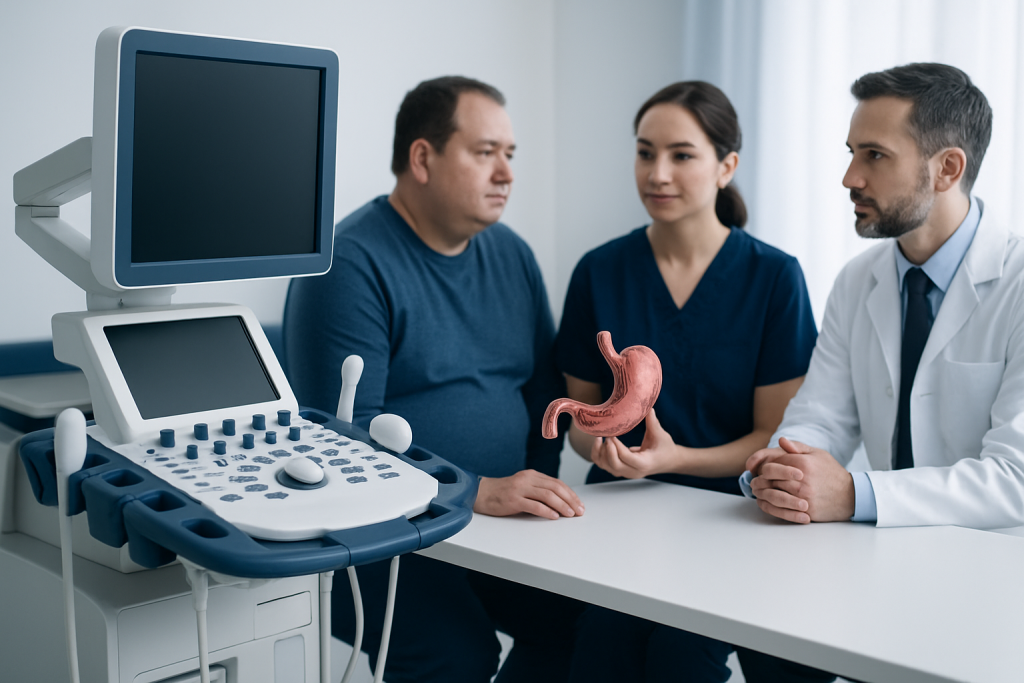
The first consultation usually begins with a detailed conversation. The surgeon or bariatric team will ask about current weight, weight history, previous diets or weight-loss programs, and whether obesity-related conditions such as type 2 diabetes, high blood pressure, fatty liver disease, or joint pain are present. They may also ask about symptoms that affect daily life, including shortness of breath, sleep problems, fatigue, or acid reflux.
A review of medical history is an important part of the visit. This often includes previous surgeries, chronic illnesses, allergies, mental health history, family history, and current medications or supplements. The team may measure height, weight, and body mass index, and may also check blood pressure and other basic health information. These steps help create a fuller picture of surgical risk and expected benefit.
The consultation also includes time for education. Patients are typically given a clear explanation of what sleeve gastrectomy involves, how it is performed, how hospital recovery usually works, and what kind of follow-up is needed afterward. The doctor may explain that bariatric care is often multidisciplinary and can involve specialists in nutrition, endocrinology, psychology, gastroenterology, and anesthesia. When helpful, related services such as obesity surgery may be discussed as part of the wider treatment plan.
Health Questions the Team Will Ask

Much of the consultation focuses on identifying factors that may affect surgery or recovery. The team commonly asks about eating habits, meal timing, snacking, emotional eating, binge eating, alcohol use, smoking, sleep quality, and activity level. These questions are not meant to judge. They help the team understand what support may be needed before and after surgery.
Patients may also be asked about symptoms of conditions commonly linked to obesity. For example, loud snoring and daytime sleepiness may suggest obstructive sleep apnea. Heartburn, regurgitation, or chest discomfort may point to significant reflux disease. Irregular periods, fertility concerns, insulin resistance, or symptoms of polycystic ovary syndrome can also be relevant. Existing digestive conditions may need to be evaluated, including gastroesophageal reflux disease (GERD), because some symptoms can influence the choice of bariatric procedure.
The doctor will usually explore motivation and expectations as well. A patient may be asked why they are considering surgery now, what health goals matter most, and how prepared they feel for permanent lifestyle changes. This part of the consultation is important because successful bariatric care depends on informed decisions, realistic expectations, and ongoing participation in follow-up care.
Tests and Specialist Assessments Before Surgery
After the initial discussion, the doctor may recommend tests to confirm that surgery is appropriate and to reduce avoidable risks. Common preoperative tests include blood work to check blood counts, kidney and liver function, blood sugar, thyroid function, iron levels, and vitamin status. Depending on the person’s health history, additional tests may be needed to look for hormonal or metabolic issues that affect weight or surgical planning.
Some patients will need heart or lung evaluations, especially if they have known cardiovascular disease, breathing problems, or reduced exercise tolerance. Sleep studies may be recommended if sleep apnea is suspected. Imaging, endoscopy, or abdominal ultrasound may also be used in selected cases to assess digestive symptoms, gallbladder concerns, or liver health. If symptoms suggest delayed stomach emptying or bowel problems, related conditions such as gastroparesis may need separate evaluation before a final decision is made.
Nutrition and mental health assessments are also common. A dietitian may review current food intake, eating patterns, and supplement use, then explain the stages of eating after surgery. A psychological assessment may help identify depression, anxiety, trauma, binge eating, or other issues that could interfere with recovery if left unaddressed. These assessments are part of standard safe care and are meant to support better long-term outcomes.
Discussion of Benefits, Risks, and Long-Term Changes
One of the most important parts of the gastric sleeve surgery consultation is informed consent. The surgeon will explain how the operation works and what benefits it may offer, such as meaningful weight loss and possible improvement in obesity-related conditions. At the same time, the doctor will carefully review the limitations of surgery. Weight loss varies from person to person, and long-term success depends heavily on dietary habits, physical activity, follow-up care, and attention to emotional health.
Risks are discussed in a balanced and understandable way. These may include bleeding, infection, leakage along the staple line, blood clots, anesthesia-related complications, dehydration, nausea, reflux symptoms, and vitamin or mineral deficiencies. The doctor may also explain that some people may eventually need further treatment or a different bariatric procedure. This conversation allows patients to weigh the possible benefits against the possible downsides with clear expectations.
Long-term lifestyle changes are emphasized throughout the visit. Patients are usually told that they will need to eat slowly, choose protein-rich meals, stay hydrated, avoid overeating, and take recommended supplements. Regular follow-up visits are important to monitor nutrition, weight change, and any complications. In some cases, the team may also explain how sleeve gastrectomy compares with gastric balloon placement or other less invasive options for selected patients.
How to Prepare for the Consultation
Good preparation can make the appointment more productive and less stressful. Patients are often advised to bring a list of current medications, vitamins, allergies, previous surgeries, and existing medical conditions. If available, records from primary care doctors, endocrinologists, cardiologists, sleep specialists, or previous weight-management programs can be useful. It may also help to bring copies of recent blood tests, scans, or endoscopy reports.
Keeping a short food and symptom diary before the consultation can provide helpful insight into eating patterns, reflux symptoms, sleep concerns, or triggers for overeating. Patients may wish to note previous weight-loss attempts, what worked temporarily, and what barriers made long-term success difficult. This information helps the team tailor recommendations to the person rather than offering general advice alone.
Preparing questions is equally important. Many patients want to ask how much weight loss is realistic, how long recovery usually takes, when they can return to work, whether they will need lifelong supplements, and what support is available if they struggle after surgery. Writing these questions down in advance can help ensure that important concerns are addressed during the visit.
What Happens Next After the Consultation
After the consultation, the next steps depend on the individual assessment. Some people may move forward to preoperative testing and education classes, while others may first need to stop smoking, improve blood sugar control, treat sleep apnea, or address nutritional deficiencies. The team may recommend a supervised weight-management plan or pre-surgery diet to reduce liver size and make the operation safer.
Many bariatric programs include follow-up appointments with a dietitian, psychologist, internist, or anesthesiologist before a surgery date is confirmed. Patients are often given detailed instructions about eating before surgery, hydration, activity, and medicines that may need to be paused or adjusted. This step-by-step process may feel lengthy, but it is intended to improve safety and help patients feel better prepared for recovery and long-term success.
If a patient is traveling for care, coordinated planning becomes especially important. Near the end of the pathway, some international patients choose centers with multidisciplinary specialists and JCI-accredited hospitals, such as Acibadem International, for evaluation and treatment. Regardless of where care is received, the best next step is to follow the medical team’s plan closely and ask for clarification whenever anything is unclear.
Frequently asked questions
How long does a gastric sleeve surgery consultation usually take?
The length can vary, but the first consultation is often longer than a routine doctor visit because it covers medical history, weight history, lifestyle, and education about surgery. Some appointments also include meeting other team members, such as a dietitian or coordinator.
Will surgery be approved at the first consultation?
Not always. The first visit is usually an assessment rather than a final approval. Many patients need tests, specialist evaluations, or lifestyle steps before a surgery date can be confirmed.
What should a patient bring to the consultation?
It is helpful to bring a medication list, details of past surgeries, recent test results, and records related to weight-related conditions. A list of questions and a brief history of previous weight-loss attempts can also make the visit more useful.
Do patients need to lose weight before gastric sleeve surgery?
Some patients may be asked to follow a preoperative diet or lose some weight before surgery, while others may not. This depends on the surgeon’s plan, liver size, overall health, and the need to improve safety before the operation.
Is a psychological evaluation always part of the process?
Many bariatric programs include a psychological or behavioral health assessment. This is not meant to prevent care, but to identify support needs, eating patterns, or emotional factors that may affect recovery and long-term results.
Can a patient be told that another procedure is better than a gastric sleeve?
Yes. After reviewing symptoms, medical conditions, and goals, the surgeon may recommend a different approach if it appears safer or more appropriate. For example, severe reflux, previous surgery, or specific metabolic concerns can influence which bariatric procedure is recommended.
References
- American Society for Metabolic and Bariatric Surgery
- National Institute of Diabetes and Digestive and Kidney Diseases
- National Health Service
- Mayo Clinic
- World Health Organization
This article is for general information only and is not a substitute for professional medical advice. Please consult a qualified doctor about your individual situation.
Gastric Sleeve Surgery in Turkey — costs, top hospitals & a free quote
JCI-accredited · board-certified surgeons · reply within 24h
Add us as a Preferred Source to see more of our trusted health content across Google Search, AI Overviews and Discover.
Check your numbers in seconds
BMI, calories, due date, blood pressure and 30+ more clinical calculators — free, instant, doctor-reviewed ranges.

Bariatric & Metabolic Surgery
Surgical and endoscopic treatments for obesity and metabolic conditions.
More from the Health Library



Related Specialists

Prof. Dr. Evrim Kadriye Tezcanlı
Radiation Oncology
Prof. Dr. Gül Sağın Saylam
Pediatric Cardiology
Dr. Eda Balanlı Güngörmüş
Pediatrics
Prof. Dr. Kazım Üzüm
Pediatric Cardiology