What Happens If You Have Surgery with Covid: Procedure, Recovery and Results

Elective procedures are commonly postponed during an active COVID-19 infection when it is medically safe to wait. The safest timing after COVID-19 is individualized and depends on symptoms, recovery, underlying conditions and surgical complexity.
Key Takeaways
- Elective procedures are commonly postponed during an active COVID-19 infection when it is medically safe to wait.
- The safest timing after COVID-19 is individualized and depends on symptoms, recovery, underlying conditions and surgical complexity.
- Emergency and urgent operations can still be performed with infection-control measures and careful anesthesia planning.
- A preoperative assessment may include review of symptoms, oxygen levels, heart and lung health, medications and COVID-19 testing policies.
- Persistent shortness of breath, chest pain, fever or reduced exercise tolerance should be discussed before surgery.
Having surgery while infected with COVID-19 can increase breathing, blood-clotting and recovery risks, particularly when symptoms are ongoing or the infection was recent. The care team weighs the urgency of surgery against the person’s current health, COVID-19 severity and type of anesthesia needed.
What happens if you have surgery with COVID?
If a person has an active COVID-19 infection when surgery is planned, the surgical and anesthesia teams first decide whether the operation can safely wait. For most non-urgent, elective procedures, delaying surgery until the infection has resolved and the person has recovered is usually preferred because COVID-19 may temporarily affect breathing, circulation, energy levels and the body’s response to stress.
When surgery cannot wait—for example, for major trauma, a surgical emergency or some time-sensitive cancer care—the procedure may go ahead. The team adapts the plan to protect the patient and healthcare staff, with appropriate infection-control precautions and close monitoring before, during and after anesthesia.
The decision is not based on a positive test alone. It considers current symptoms, the severity and timing of the infection, vaccination status, age, medical conditions, the operation being considered and whether general anesthesia is required. A personalized preoperative review is therefore important.
Why recent COVID-19 can affect surgery and anesthesia
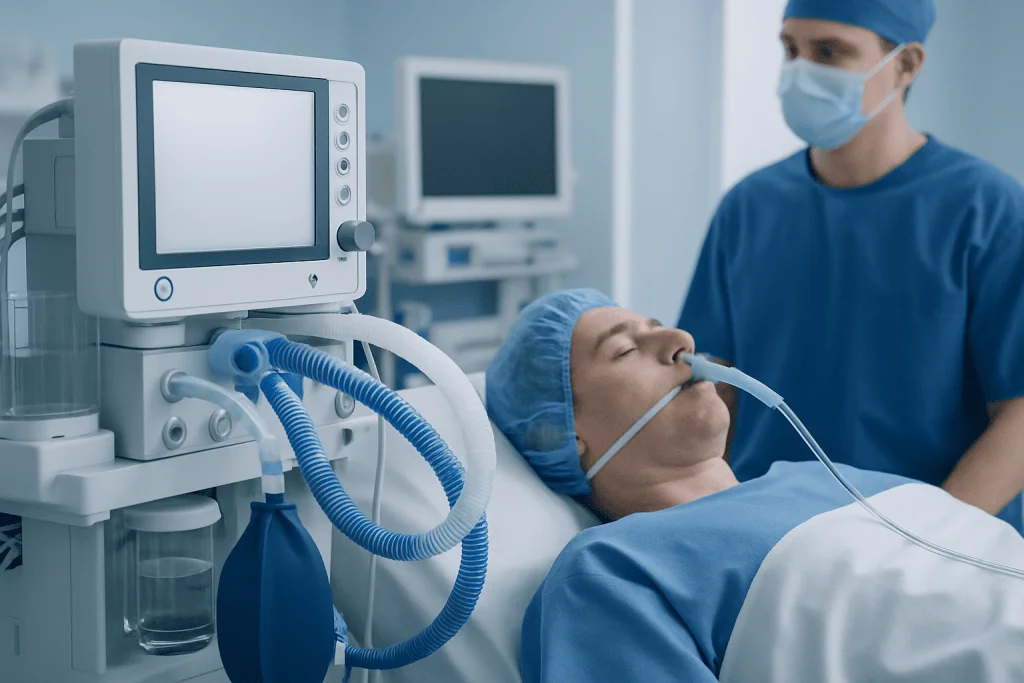
Surgery places planned stress on the body. General anesthesia can temporarily reduce normal breathing reflexes, and operations may require reduced mobility during early recovery. Because COVID-19 can affect the lungs, blood vessels and inflammatory response, a recent infection may add to these stresses in some patients.
Possible concerns include lower oxygen levels, pneumonia or other postoperative lung complications, fatigue that slows rehabilitation, and a higher tendency toward clotting in selected patients. Risk is generally greater after severe COVID-19 or when symptoms such as cough, breathlessness, fever, chest discomfort or marked fatigue are still present.
COVID-19 may also complicate practical aspects of care, including isolation requirements and the availability of a support person after discharge. These issues are balanced against the benefits of timely treatment. No single waiting period is right for everyone.
How long after COVID can I have surgery?

The appropriate time to have surgery after COVID-19 varies. Many professional recommendations advise avoiding elective surgery during active infection and allowing time for symptoms to improve before reassessment. For people who had a mild infection and have fully recovered, the surgical team may consider an elective procedure after an individualized review, sometimes as early as a few weeks after infection.
A longer delay may be appropriate after moderate or severe illness, hospitalization, ongoing symptoms, or complications involving the lungs, heart or circulation. Major surgery and procedures requiring general anesthesia may also require more caution than minor procedures performed with local anesthesia.
Before confirming a date, the clinician may assess exercise tolerance, breathing, oxygen saturation, medical history and the planned procedure. Patients should report any remaining symptoms honestly, even if they seem minor. The goal is not to create an unnecessary delay, but to schedule surgery when expected benefits outweigh avoidable risks.
- Contact the surgical team promptly after a positive COVID-19 test or new respiratory symptoms.
- Do not stop prescribed medicines unless the treating clinician advises it.
- Ask which symptoms, tests or recovery milestones are relevant to the planned operation.
Will my surgery be cancelled if I have a cold?
Not every cold means surgery must be cancelled. A mild runny nose or slight sore throat without fever, breathing problems or significant cough may not affect some procedures, especially in adults having minor surgery. However, the surgical and anesthesia teams need to know about any new illness before the procedure.
A cold can sometimes increase airway irritation during anesthesia, especially if there is a frequent cough, wheeze, fever, chest congestion or asthma flare. Young children and people with lung disease may need particular caution. In these situations, postponing a non-urgent procedure may reduce the likelihood of breathing complications.
Patients should not assume that symptoms are “just a cold,” particularly if COVID-19, influenza or another contagious infection is possible. They should call the preoperative team for guidance rather than arriving for surgery without notifying staff. The final decision is made by the surgeon and anesthesiologist according to the person’s symptoms and the urgency of care.
What organs did COVID-19 affect?
COVID-19 primarily affects the respiratory system, particularly the nose, throat and lungs. In more serious cases, inflammation in the lungs can make it harder for oxygen to move into the bloodstream. This is one reason recent COVID-19 is relevant when anesthesia and surgery are being planned.
The infection can also affect other systems. Some people experience effects involving the heart and blood vessels, nervous system, kidneys, digestive tract, muscles and skin. Most people recover without lasting organ damage, but the pattern and duration of symptoms vary considerably.
For surgical planning, clinicians focus on any effects that are active or unresolved. Persistent shortness of breath, chest pain, palpitations, reduced stamina, dizziness, new swelling, or changes in kidney function may warrant further assessment. Symptoms after infection can overlap with other conditions, so they should be evaluated rather than assumed to be caused by COVID-19.
Preparation, procedure day and recovery after COVID-19
Before surgery, the team reviews the COVID-19 history, current symptoms, medical conditions, allergies and medications. Depending on the procedure and the individual’s health, this may include an examination, oxygen measurements, blood tests, heart testing or lung assessment. Local hospital testing and infection-prevention policies may also apply.
On the day of surgery, patients should follow fasting and medication instructions exactly. The anesthesiologist selects an anesthetic plan based on the operation and the person’s health. During surgery, oxygen levels, breathing, circulation and other vital signs are continuously monitored; the operation itself is performed according to its usual clinical steps, with additional precautions if infection is active or recent.
Recovery focuses on pain control, safe mobilization, breathing exercises when advised, wound care, hydration and watching for complications. People recovering from recent COVID-19 may feel fatigued for longer than expected, so they should plan practical support and increase activity gradually. The treating team should guide the return to work, exercise and travel.
How long does it take for the body to fully recover from COVID?
Many people recover from mild COVID-19 within days to a few weeks, but there is no universal timeline for full recovery. Tiredness, cough, altered smell or taste, and reduced exercise tolerance can last longer in some individuals, even after the infection is no longer contagious.
Recovery may take weeks or months after severe illness, hospitalization or complications. Some people develop post-COVID-19 condition, often called long COVID, in which symptoms persist or recur. These symptoms can include fatigue, breathlessness, concentration difficulties, sleep disruption, palpitations and pain.
For surgery, “fully recovered” does not always mean every symptom has disappeared. It means the surgical team has assessed whether the remaining symptoms and overall health make the planned procedure reasonably safe. Gradual activity, adequate sleep, balanced nutrition and follow-up for persistent symptoms can support recovery, but patients should avoid pushing through significant breathlessness or chest symptoms.
When to seek medical care
Patients should contact their surgeon, anesthesiologist or primary care clinician if they develop COVID-19 symptoms, test positive, or have close exposure shortly before a scheduled operation. They should also seek advice if symptoms persist after a recent infection, especially breathlessness, chest pain, fever, dizziness, palpitations or difficulty completing usual daily activities.
Urgent medical evaluation is needed for severe trouble breathing, persistent chest pain or pressure, new confusion, fainting, bluish or gray lips or face, or signs of a possible blood clot such as one-sided leg swelling with pain. These symptoms should not be managed by waiting for a preoperative appointment.
At Acibadem International, multidisciplinary specialists in JCI-accredited hospitals can assess surgical readiness and coordinate care for international patients with recent or current COVID-19. A patient’s own surgical and anesthesia team remains the best source of advice about whether to proceed, postpone or modify an operation.
Frequently asked questions
Can surgery be done if a person tests positive for COVID-19?
Yes, urgent or emergency surgery can be performed when delaying it would create greater harm. For elective surgery, clinicians commonly recommend postponement during active infection when it is safe to do so. The decision depends on symptoms, the urgency of the operation and the person’s overall health.
Does a negative COVID-19 test mean surgery is safe?
A negative test is helpful but is only one part of preoperative assessment. The team also considers recent infection, ongoing symptoms, heart and lung health, and the type of planned procedure. Patients should report recent COVID-19 even if they currently test negative.
Can anesthesia make COVID-19 symptoms worse?
Anesthesia does not cause COVID-19, but general anesthesia and surgery can place extra demands on the lungs and body during recovery. This can be more important when a person has active respiratory symptoms or has not recovered from a recent infection. An anesthesiologist evaluates these factors before surgery.
What should a patient tell the surgical team after COVID-19?
Patients should share the date of a positive test, symptom severity, treatments received, hospitalization history and any symptoms that continue. They should also mention breathlessness, chest pain, fatigue, reduced exercise tolerance and medication changes. Complete information helps the team plan the safest timing and anesthesia approach.
Can long COVID delay an elective operation?
It can. Persistent symptoms such as fatigue, breathlessness, chest discomfort or palpitations may require additional assessment before an elective procedure. A delay is not automatic, but clinicians may recommend waiting or investigating symptoms to reduce avoidable risk.
Is it safe to exercise after COVID-19 before surgery?
Gentle, gradual activity is often appropriate once acute illness has improved, but the right level depends on symptoms and medical history. People with chest pain, significant breathlessness, palpitations or dizziness should seek medical advice before increasing activity. Preoperative instructions from the surgical team should always take priority.
References
- World Health Organization
- Centers for Disease Control and Prevention
- American Society of Anesthesiologists
- American College of Surgeons
- National Institute for Health and Care Excellence
This article is for general information only and is not a substitute for professional medical advice. Please consult a qualified doctor about your individual situation.
Explore treatments in Turkey — costs, top hospitals & a free quote
JCI-accredited · board-certified surgeons · reply within 24h
Add us as a Preferred Source to see more of our trusted health content across Google Search, AI Overviews and Discover.

More from the Health Library



Related Specialists
Assoc. Prof. Dr. Mehmet Fatih Karakaş
Cardiology
Prof. Dr. Asim Kaytaz
Otorhinolaryngology
Prof. Dr. Mehmet Uğur Özbaydar
Orthopedic Surgery & Traumatology
Assoc. Prof. Dr. Selma Aktaş
Pediatrics