What Helps Hair Growth after Chemo: How It Works, Results and What to Expect
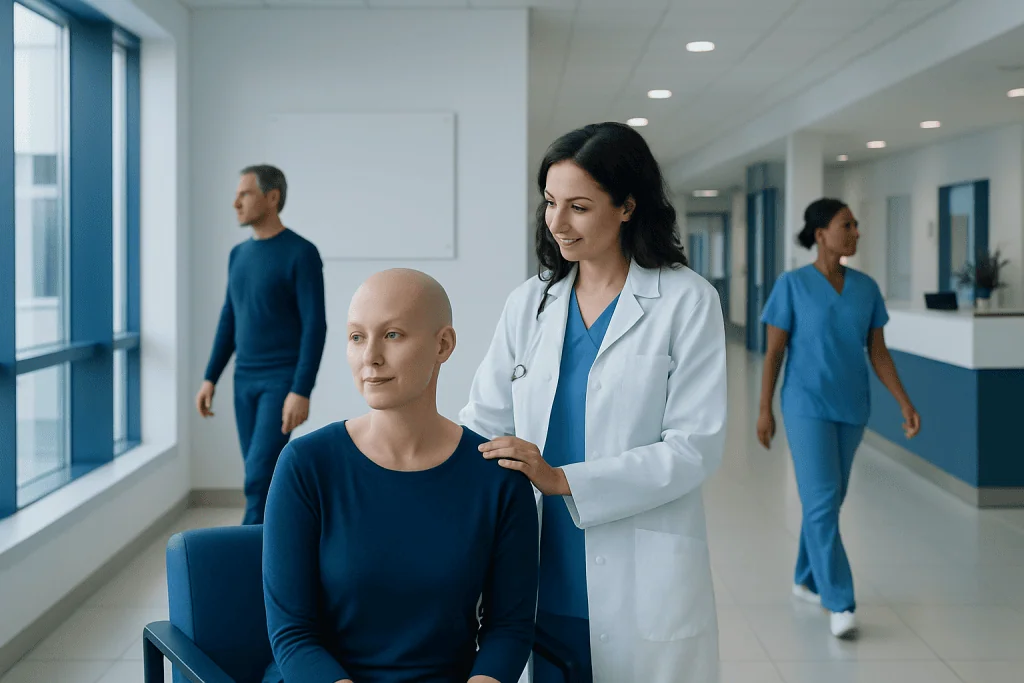
Hair commonly starts to regrow several weeks after chemotherapy ends, but fuller coverage may take months. There is no proven way to dramatically accelerate regrowth, but gentle hair care, adequate nutrition and treatment of medical contributors can support recovery.
Key Takeaways
- Hair commonly starts to regrow several weeks after chemotherapy ends, but fuller coverage may take months.
- There is no proven way to dramatically accelerate regrowth, but gentle hair care, adequate nutrition and treatment of medical contributors can support recovery.
- New hair may initially be finer, curlier, straighter or a different shade than before treatment.
- Some chemotherapy medicines are more likely than others to cause substantial hair loss, and rarely hair thinning can persist.
- New or ongoing hair loss should be discussed with the oncology team, especially if it continues long after treatment or is accompanied by scalp symptoms.
What helps hair growth after chemo is mainly allowing hair follicles time to recover while supporting overall nutrition, protecting the scalp and discussing persistent hair loss with the oncology team. Most chemotherapy-related hair loss is temporary, although the pace, texture and fullness of regrowth vary between individuals and treatment types.
Overview: What Helps Hair Growth After Chemo?
What helps hair growth after chemo is primarily time for the hair follicles to recover after treatment, together with gentle scalp care, adequate nutrition and medical advice tailored to the person’s cancer care plan. Most chemotherapy-related hair loss is temporary, and hair often begins to return within several weeks after treatment finishes.
Chemotherapy targets rapidly dividing cells. Because hair-producing cells in the follicles divide quickly, some chemotherapy medicines can interrupt the growth phase of hair. This can affect scalp hair as well as eyebrows, eyelashes and body hair. The degree of hair loss depends on the medicines used, their dose and schedule, and individual sensitivity.
Regrowth is not always immediately familiar. Early hair may be soft, sparse or uneven, and its color or curl pattern may change temporarily. These changes usually settle as the normal hair-growth cycle re-establishes itself. The oncology team can explain what is most likely with a particular treatment plan.
How Hair Regrowth Works After Chemotherapy

Hair normally grows through repeating phases: active growth, transition, resting and shedding. Chemotherapy can cause many actively growing hairs to stop growing and shed. Once the medicine is cleared and follicle cells recover, follicles can re-enter the active growth phase and start producing new hair shafts.
Hair growth is gradual. New hairs may first be visible around the hairline, crown or areas where loss was less complete. It is common for coverage to look patchy at first. The scalp and hair follicles generally need months, rather than days, to return to a more established growth pattern.
Some cancer treatments besides chemotherapy can also affect hair, including hormone therapies, targeted therapies, immunotherapies and radiation to the scalp. Their effects differ from classic chemotherapy-related shedding. A clinician can help distinguish expected treatment effects from other causes, such as thyroid disease, iron deficiency, scalp inflammation or stress-related shedding.
How to Speed Up Hair Regrowth After Chemo?
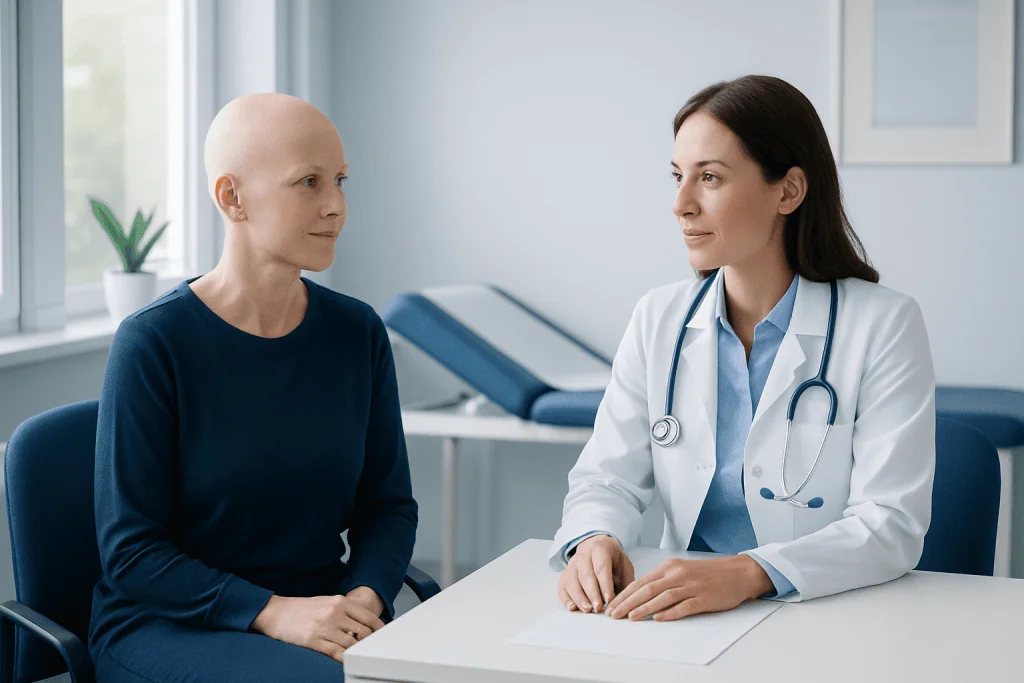
There is no reliably proven method that can dramatically speed up hair regrowth after chemotherapy. The most helpful approach is to create good conditions for recovery: follow the oncology team’s advice, eat enough protein and a varied nutrient-rich diet, manage other health conditions and avoid practices that irritate or damage the new hair.
Gentle care is important while hair is emerging. A mild shampoo, lukewarm water, a soft brush or wide-tooth comb, and minimal heat styling can reduce breakage. Chemical straightening, bleaching, coloring and tight hairstyles are usually best postponed until the hair and scalp have recovered and the care team agrees that they are appropriate.
Supplements are not automatically helpful and can occasionally interact with cancer medicines or be unnecessary. Iron, vitamin D, zinc, biotin and other supplements should only be used when a clinician identifies a need. If a person is considering topical hair-growth medicine, such as minoxidil, they should first ask their oncologist or dermatologist whether it is suitable for their circumstances.
- Choose regular meals containing protein, whole grains, fruits, vegetables and healthy fats.
- Protect a sensitive scalp from sun and cold with a soft hat, scarf or sunscreen formulated for the scalp.
- Use wigs, scarves or head coverings if they improve comfort and confidence during regrowth.
- Seek professional advice before trying oils, herbal products, supplements or commercial “hair-growth” treatments.
Which Chemo Is Worst for Hair Loss?
The chemotherapy medicines most strongly associated with substantial or complete scalp hair loss include anthracyclines and taxanes. Examples include doxorubicin, epirubicin, paclitaxel and docetaxel. Combinations containing these medicines may have a higher likelihood of hair loss than some other regimens, but individual experiences still vary.
Other chemotherapy medicines may cause mild thinning, while some may have little or no visible effect on scalp hair. Dose, treatment frequency, combination therapy and previous treatment can all influence the result. The oncology team is the best source of information about the expected effects of a specific regimen.
Scalp cooling may reduce the chance or severity of hair loss for some people receiving certain chemotherapy regimens. It works by cooling the scalp during treatment, which may reduce medicine delivery to hair follicles. It is not appropriate for everyone, can be uncomfortable and does not guarantee hair preservation; suitability should be decided with the cancer team.
In uncommon cases, hair thinning after chemotherapy may last much longer or be persistent, particularly after some high-dose or taxane-containing treatments. Persistent loss is not a personal failure and deserves assessment by an oncologist or dermatologist.
Why Did Kate Middleton Not Lose Hair During Chemo?
It is not possible to know why any individual public figure did or did not experience visible hair loss unless they have shared specific medical details. Cancer treatment plans are private, and chemotherapy is not a single medicine. Different drugs, doses, schedules and treatment combinations have very different effects on hair.
Some people receiving chemotherapy have little noticeable hair loss, while others lose most scalp hair. In addition, hair may be retained with certain regimens, scalp cooling may be used in selected situations, and styling, wigs or head coverings can affect what is publicly visible. Visible appearance alone cannot identify the type of treatment someone has received.
For a person undergoing cancer treatment, the most useful question is what to expect from their own regimen. Their oncology team can explain whether hair loss is likely, when it may begin, whether scalp cooling is an option and how to care for the scalp during treatment.
How Quickly Does Hair Grow Back After Chemo?
Many people notice early regrowth about three to six weeks after chemotherapy ends. A short layer of hair may be visible within one to three months, while enough growth for a preferred hairstyle often takes several months. Hair usually grows gradually, and the timeline can differ for eyebrows, eyelashes and body hair.
Hair may initially grow at a different rate or look different from before. It can be finer, more textured, curlier or straighter, and it may temporarily appear darker or lighter. These “chemo curls” or texture changes are common and often become less pronounced over time.
Recovery may take longer when treatment includes ongoing cancer medicines, radiation involving the scalp, major illness, weight loss or nutritional difficulties. The care team may recommend blood tests or dermatology review if regrowth is unexpectedly delayed. Patience is often difficult, but slow growth does not necessarily mean that the follicles will not recover.
Care, Benefits, Risks and What to Expect
For most people, the main benefit of supportive hair and scalp care is comfort while natural regrowth occurs. Keeping the scalp clean, moisturized when needed and protected from ultraviolet light can reduce irritation. Avoiding harsh heat and chemicals may limit breakage in fragile new hair, helping it appear fuller as it grows.
Minoxidil and other hair-loss treatments are sometimes discussed, but evidence for routine use immediately after chemotherapy is limited and the right option depends on the cause and timing of hair loss. Possible side effects of topical minoxidil can include scalp irritation and unwanted hair growth in nearby areas. It should not replace an assessment of persistent or unusual hair loss.
Cosmetic choices can be part of recovery. Some people prefer wigs, hats, scarves, eyebrow makeup or false eyelashes while waiting for regrowth; others prefer not to cover hair loss. There is no medically required choice. Emotional responses to hair loss are also valid, and cancer support services or counseling can be helpful.
Acibadem International’s multidisciplinary specialists and JCI-accredited hospitals can assess treatment-related hair changes and coordinate oncology and dermatology care for international patients when needed.
When to Seek Medical Care
A person should contact their oncology team if the scalp becomes painful, very itchy, red, swollen, blistered or develops sores, pus or a spreading rash. These symptoms are not typical signs of simple chemotherapy-related shedding and may need prompt evaluation, particularly during periods of low immunity.
Medical review is also appropriate if hair has not begun to return several months after chemotherapy has ended, if thinning continues to worsen, or if there are new patches of loss. A clinician may review current medicines, examine the scalp and consider possible contributing conditions such as nutritional deficiency, hormonal changes, thyroid disorders or scarring alopecia.
Urgent medical advice is needed for fever or signs of infection during cancer treatment. Patients should not stop cancer medicines, start supplements or use prescription hair-growth treatments without consulting their oncology team.
Frequently asked questions
What helps hair growth after chemo most?
Time is the most important factor because hair follicles need to recover after treatment. Gentle scalp care, sufficient protein and overall nutrition, and addressing medical issues such as iron deficiency or thyroid disease can support regrowth. A clinician should advise before using supplements or hair-growth medicines.
Can hair grow back differently after chemotherapy?
Yes. New hair may initially be curlier, straighter, finer, coarser or a different color than before treatment. These changes are common and may become less noticeable as hair continues to grow through later cycles.
Does cutting hair make it grow back faster after chemo?
Cutting hair does not change the growth rate of the follicles. However, a short haircut can make uneven early regrowth easier to manage and may reduce the appearance of breakage. The choice is personal.
Can chemotherapy cause permanent hair loss?
Most chemotherapy-related hair loss is temporary. Rarely, long-lasting thinning or incomplete regrowth can occur, particularly with certain medicines, higher doses or other contributing treatments. Persistent hair loss should be assessed by the oncology team or a dermatologist.
Is minoxidil safe after chemotherapy?
Minoxidil may be suitable for some people, but it is not right for everyone and should be discussed with the oncology team or a dermatologist. The clinician can consider the type of cancer treatment, scalp condition, current medicines and likely cause of ongoing hair loss.
When can hair be colored after chemotherapy?
It is generally sensible to wait until the scalp has healed and new hair is stronger before using chemical color or bleach. The appropriate timing varies, so patients should ask their oncology team and choose a gentle approach if coloring is approved.
References
- American Cancer Society
- National Cancer Institute
- Cancer Research UK
- American Academy of Dermatology Association
- Macmillan Cancer Support
This article is for general information only and is not a substitute for professional medical advice. Please consult a qualified doctor about your individual situation.
Hair transplant in Turkey — costs, graft counts & a free assessment
JCI-accredited · board-certified surgeons · reply within 24h
Add us as a Preferred Source to see more of our trusted health content across Google Search, AI Overviews and Discover.