What Holds Bones Together at Joints? Ligaments, Tendons, and Cartilage

Ligaments connect bone to bone and help keep joints stable. Tendons connect muscle to bone and help create movement.
Key Takeaways
- Ligaments connect bone to bone and help keep joints stable.
- Tendons connect muscle to bone and help create movement.
- Cartilage cushions joint surfaces and reduces friction during motion.
- Injuries to these tissues can cause pain, swelling, stiffness, or a feeling of instability.
- Mild strains may improve with rest and self-care, but persistent pain or loss of function should be checked by a clinician.
Joints move smoothly because several tissues work together: ligaments stabilize bone-to-bone connections, tendons attach muscles to bones, and cartilage cushions and protects joint surfaces. Understanding these structures helps explain common joint pain, sprains, and injuries.
Overview
Joints are where two or more bones meet, and they depend on several supporting tissues to work properly. When people ask what holds bones together at joints, the answer is not a single structure. Ligaments, tendons, cartilage, and the joint capsule all help the skeleton stay stable while allowing movement.
Ligaments are tough bands of connective tissue that connect one bone to another. Tendons connect muscle to bone, transmitting the force needed to move a joint. Cartilage is a smooth, resilient tissue that covers the ends of bones in many joints and acts as a cushion, helping bones glide against each other with less friction.
These structures have different jobs, but they work as a team. If one part is injured or worn down, a person may notice pain, swelling, stiffness, clicking, or weakness. A clear understanding of joint anatomy can make it easier to recognize why symptoms happen and when medical evaluation is helpful.
Symptoms of Joint Tissue Injury
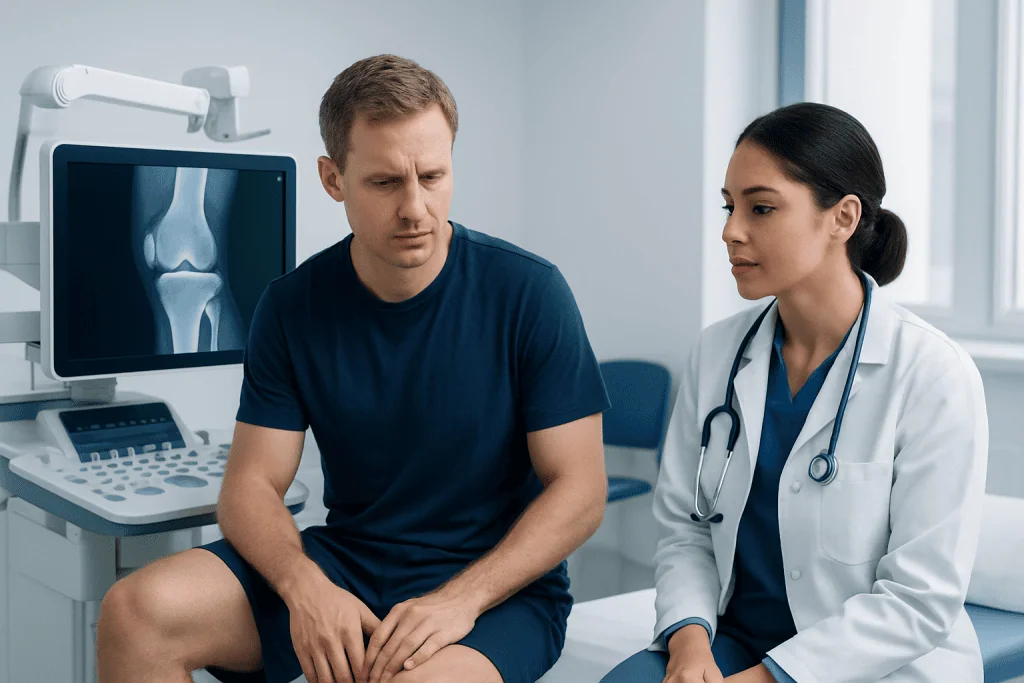
Symptoms depend on which structure is involved and how severe the injury is. A ligament sprain often causes pain around the joint, swelling, bruising, and a sense that the joint may “give way.” Tendon problems may cause pain during movement or when a muscle is used against resistance, and the pain can worsen with repetitive activity.
Cartilage problems may feel different. People may describe a deep ache, stiffness, catching, locking, or reduced range of motion. Because cartilage has limited ability to heal, symptoms may build gradually rather than starting with a single obvious injury.
Some common signs that suggest a joint structure may be affected include:
- Pain with movement or weight-bearing
- Swelling or tenderness around the joint
- Reduced flexibility or difficulty bending and straightening
- Weakness or a feeling of instability
- Clicking, popping, or locking sensations
These symptoms are not specific to one condition, so a proper examination is important. Joint pain can also come from inflammation, infection, fractures, or nerve-related problems.
Causes and Risk Factors
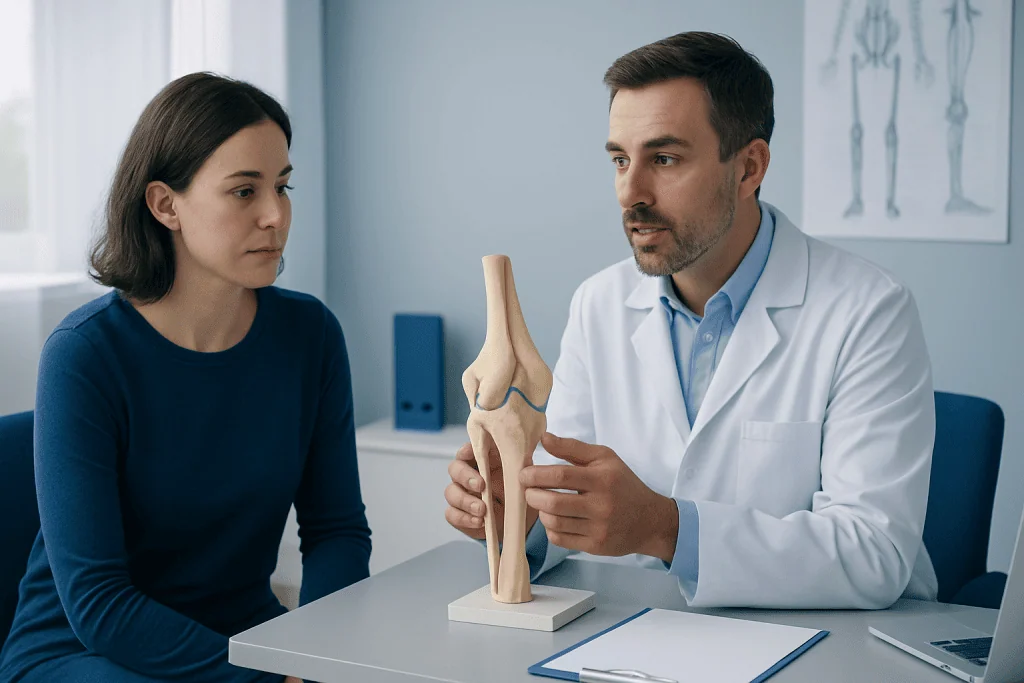
Ligaments, tendons, and cartilage are commonly affected by sudden injury, repeated stress, age-related wear, or underlying disease. A sprain may happen after a twist, fall, or awkward landing. Tendon pain often develops with overuse, especially in sports, manual work, or activities that repeat the same motion.
Cartilage can be injured by trauma, but it may also wear down over time, especially in weight-bearing joints such as the knees and hips. Alignment problems, prior injuries, excess body weight, and certain inflammatory conditions can increase stress on joint surfaces. Some people are also more prone to injury because of poor conditioning, reduced flexibility, or weak supporting muscles.
Risk increases when joints are asked to do more than the surrounding tissues can safely manage. Warm-up, technique, gradual training progress, and balanced muscle strength all matter. Even everyday movements can become painful if the joint has been previously injured or if protective tissues are weakened.
Diagnosis
Diagnosis begins with a medical history and physical examination. A clinician will ask how the pain started, which movements worsen it, whether there was a twist or impact, and whether the joint feels unstable or locks. They will also check range of motion, swelling, tenderness, and strength.
Imaging may help clarify the problem. X-rays can show bone alignment and signs of arthritis or fracture, while ultrasound or MRI may be used to evaluate soft tissues such as ligaments, tendons, and cartilage. The choice of test depends on the suspected injury and the joint involved.
In some cases, the symptoms suggest more than one structure is affected. For example, a knee injury may involve a ligament sprain, meniscus damage, and cartilage irritation at the same time. Accurate diagnosis matters because treatment is guided by the specific tissue injured, the severity of damage, and how much the joint function has changed.
Treatment Options
Treatment depends on the tissue involved and the extent of injury. Many mild ligament and tendon injuries improve with activity modification, rest from aggravating movements, ice, compression, elevation, and guided rehabilitation. Pain relief may be recommended by a clinician when appropriate, but treatment should always match the individual’s medical history.
Physical therapy is often central to recovery. Targeted exercises can restore motion, strengthen the muscles that support the joint, and improve balance and stability. For tendon disorders, a structured loading program may help the tissue adapt and become more tolerant of activity again.
Cartilage injuries and advanced joint wear may need a broader approach. Options can include rehabilitation, braces, injections in selected cases, or surgery when conservative care is not enough. For people whose symptoms suggest a significant structural problem, a doctor may discuss arthroscopic surgery or other orthopedic procedures after careful evaluation.
In more complex cases, specialists may recommend care from an orthopedics team that can coordinate imaging, rehabilitation, and procedural treatment. Acibadem International’s multidisciplinary specialists and JCI-accredited hospitals diagnose and treat these conditions for international patients.
Prevention and Self-care
Healthy joints benefit from regular movement, but the right amount of activity matters. Gradual training progression, good technique, and proper footwear can reduce strain on ligaments and tendons. Strengthening the muscles around a joint also helps share the load and improve stability.
Self-care can be helpful after minor overuse or strain. Short periods of relative rest, ice in the early stage if swelling is present, and gentle motion as symptoms improve may support recovery. Returning to activity too quickly can prolong healing, especially for tendons and ligaments that need time to adapt.
Cartilage itself cannot be “boosted” by a quick fix, but joint-friendly habits can reduce stress on it. These include maintaining a healthy body weight, avoiding repetitive high-impact overload when possible, and addressing biomechanical issues such as poor alignment or muscle imbalance. Regular checkups are helpful if a person has ongoing joint symptoms or a history of repeated injuries.
When to See a Doctor
Medical evaluation is recommended when joint pain is severe, swelling is significant, or the joint feels unstable. A person should also seek care if they cannot bear weight, cannot fully move the joint, or notice deformity after an injury. These signs may indicate a more serious sprain, tendon injury, fracture, or cartilage damage.
It is also wise to see a clinician if pain lasts more than a few days without improving, keeps returning, or interferes with work, exercise, or sleep. Mechanical symptoms such as locking, catching, or repeated giving way deserve assessment because they may suggest internal joint damage.
Early evaluation can help prevent further strain and guide the right treatment plan. Many joint problems respond well to timely care, rehabilitation, and activity adjustment, especially when managed before the tissues are repeatedly stressed.
Frequently asked questions
What holds bones together at joints?
Ligaments are the main structures that hold bone to bone at joints and help keep them stable. Tendons do not hold bones together, but they connect muscles to bones so joints can move. Cartilage cushions the joint surfaces and helps them glide smoothly.
What is the difference between a ligament and a tendon?
A ligament connects bone to bone, while a tendon connects muscle to bone. Ligaments mainly provide stability, and tendons mainly help create movement. Both are strong connective tissues, but they do different jobs.
Can cartilage grow back if it is damaged?
Cartilage has limited ability to repair itself because it has a relatively low blood supply. Small injuries may sometimes improve with treatment and reduced stress, but more significant damage can be persistent. A clinician can help explain the likely outlook for a specific joint problem.
What does a ligament injury feel like?
A ligament injury often causes pain, swelling, and tenderness around the joint. Some people also notice bruising or a feeling that the joint is unstable. The exact symptoms depend on which ligament is affected and how badly it is stretched or torn.
Why do tendons become painful with overuse?
Tendons can become irritated when they are loaded repeatedly without enough recovery time. This is common in sports, physical work, and repetitive daily activities. Strengthening, technique changes, and gradual return to activity are often important parts of treatment.
When is joint pain more than a simple strain?
Joint pain deserves medical attention if it is severe, lasts longer than expected, or comes with swelling, locking, or instability. Pain after a fall or twist may also need evaluation, especially if walking or using the joint is difficult. A doctor can determine whether the problem involves a ligament, tendon, cartilage, or another structure.
References
- National Institute of Arthritis and Musculoskeletal and Skin Diseases
- American Academy of Orthopaedic Surgeons
- Mayo Clinic
- Cleveland Clinic
This article is for general information only and is not a substitute for professional medical advice. Please consult a qualified doctor about your individual situation.
Joint and spine care in Turkey — expert assessment & treatment
JCI-accredited · board-certified surgeons · reply within 24h
Add us as a Preferred Source to see more of our trusted health content across Google Search, AI Overviews and Discover.