What Is a Bone Graft: An Evidence-Based Patient Guide

Bone grafts provide a framework that supports the body’s own bone-healing process. Graft material may come from the patient, a human donor, an animal source, or a synthetic material.
Key Takeaways
- Bone grafts provide a framework that supports the body’s own bone-healing process.
- Graft material may come from the patient, a human donor, an animal source, or a synthetic material.
- Dental bone grafting can help preserve or rebuild the jawbone before or alongside dental implant treatment.
- Healing times vary by graft location, size, overall health, and whether additional surgery is needed.
- Pain and swelling are usually manageable with the aftercare plan provided by the treating clinician.
- Possible complications include infection, bleeding, delayed healing, graft failure, and donor-site discomfort when a patient’s own bone is used.
A bone graft is a surgical procedure that places bone or a bone-substitute material where bone has been lost, damaged, or needs additional support. It is commonly used in dentistry, orthopedics, spine surgery, and trauma care to encourage the body to form strong new bone.
Overview: What Is a Bone Graft?
What is a bone graft? A bone graft is a procedure in which a surgeon or dentist places bone or bone-like material in an area that needs support to heal, rebuild, or grow new bone. The material acts as a scaffold, helping the body’s cells gradually create new living bone over time.
In medical terms, bone grafting is the transplantation or placement of biological or synthetic material to repair a bone defect, promote bone fusion, or restore lost bone volume. It may be used after injury, infection, tumor surgery, joint or spine procedures, and tooth loss. In dental care, it often restores jawbone that is too thin or low to support a future dental implant.
A bone graft does not always mean that bone must be taken from another part of the patient’s body. The most suitable material and technique depend on the treatment area, the amount of bone needed, the patient’s health, and the purpose of the procedure.
What Is a Bone Graft Used For and What Is It Made Up Of?
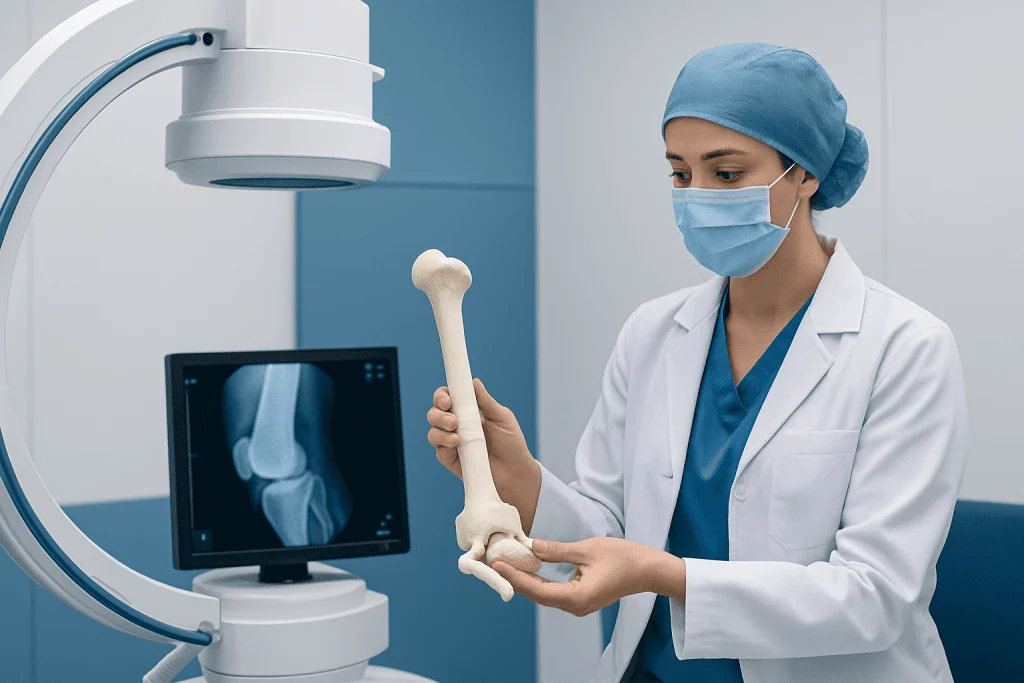
Bone grafts are used when the body may not be able to rebuild enough bone on its own or when added structural support is needed. In orthopedics, a graft may help a fracture heal, fill a bone defect, support reconstruction after surgery, or encourage bones to fuse. In spinal surgery, graft material may be placed to help adjacent vertebrae join into one stable segment.
In dentistry, grafting can preserve the socket after a tooth is removed, rebuild the ridge under missing teeth, raise the floor of the sinus in the upper jaw, or support implant planning. These procedures may be considered as part of dental implant treatment when there is not enough healthy jawbone for secure implant placement.
What is a bone graft made up of? Common options include the patient’s own bone, called an autograft; screened human donor bone, called an allograft; processed animal-derived mineral material, often bovine; and manufactured materials such as calcium phosphate or bioactive glass. Some products are mainly structural scaffolds, while others may also contain biological components that support bone formation. A clinician will explain the source, expected role, and alternatives before treatment.
- Autograft: Bone from the patient, often from the jaw, pelvis, or another surgical site.
- Allograft: Processed and screened donor bone from a tissue bank.
- Xenograft: Processed bone mineral from an animal source.
- Synthetic graft: A laboratory-made material designed to support bone growth.
How Does Bone Grafting Work and Who May Need It?

Bone is living tissue that can repair itself, but healing may be limited when there is a large gap, poor blood supply, infection, repeated stress, or reduced bone quantity. A graft provides a stable space and surface for bone-forming cells and blood vessels to move into. Over weeks to months, the body may gradually replace, integrate with, or grow around the graft material.
Someone may be a candidate for bone grafting if they have jawbone loss after tooth extraction or gum disease, a fracture that is not healing as expected, bone loss after trauma, a defect following surgery, or a need for fusion or reconstruction. For dental treatment, the dentist may assess whether jawbone volume is sufficient for a planned implant and whether grafting could improve long-term support.
Before recommending a procedure, the care team reviews medical history, medications, smoking or nicotine use, oral health, infection risk, and imaging findings. Conditions that affect healing, such as poorly controlled diabetes, may need attention first. Active infection must generally be treated before graft placement, especially in the mouth or around a fracture.
What Is a Bone Graft and How Is It Done?
The details differ according to the body area, but bone grafting follows a similar principle: the clinician prepares the area, places the chosen graft material, stabilizes it when necessary, and protects it while healing occurs. Dental grafts are commonly performed with local anesthesia, sometimes with sedation. Larger orthopedic or spinal procedures are typically done in an operating room using anesthesia appropriate for the surgery.
For a dental bone graft, the clinician first numbs the area and gently exposes the jawbone if needed. The graft is placed into an extraction socket, ridge defect, or sinus area, then may be covered by a protective membrane and closed with sutures. When a tooth is removed, socket preservation may sometimes be completed during the same appointment.
In orthopedic settings, the surgeon may clean damaged tissue, align the bone, position graft material in the defect, and use plates, screws, rods, or other fixation when required. If an autograft is used, collecting it can add a second surgical area. Follow-up appointments and imaging help the team assess progress.
Care should be individualized because timing varies. Some people can receive an implant at the same time as a dental graft, while others need a healing period before implant placement. The treatment plan should be based on bone quality, graft size, stability, gum health, and the intended restoration.
Benefits, Risks, and What Is the Downside of a Bone Graft?
The main potential benefit of a bone graft is improved bone support where it is needed. In dentistry, it can help maintain facial and jawbone contours after extraction and may make implant treatment possible. In other areas of medicine, it can support fracture healing, reconstruction, or fusion when the bone would otherwise be less stable.
What is the downside of a bone graft? The procedure adds time, cost, appointments, and a recovery period to the overall treatment plan. It may also delay a later procedure, such as an implant, while the graft matures. If the patient’s own bone is collected, there can be additional pain, scarring, or numbness at the donor site.
Like any surgery, bone grafting carries possible risks. These include bleeding, swelling, pain, infection, wound opening, nerve irritation or altered sensation, delayed healing, failure of the graft to integrate, and the need for further treatment. Dental sinus grafts have additional risks related to the sinus membrane. Serious complications are uncommon but should be discussed with the treating professional.
Stopping smoking and avoiding nicotine products can be especially important because nicotine can interfere with blood flow and healing. Following instructions on oral hygiene, activity, nutrition, and medicines helps reduce avoidable risks.
Recovery Timeline: How Long Does a Dental Bone Graft Take to Fully Heal?
How long does it take for a dental bone graft to fully heal? Early gum healing often occurs within one to two weeks, but the bone beneath takes much longer to mature. Many dental grafts need several months before the clinician can determine whether the site is ready for an implant or another procedure. Smaller socket grafts may heal sooner than large ridge or sinus grafts.
There is no single timeline for every patient. Healing depends on the size and location of the graft, the material used, the quality of the surrounding bone, whether teeth were removed or implants were placed at the same time, and health factors such as smoking, diabetes, nutrition, and oral infection. Follow-up examinations and imaging—not the calendar alone—guide the next stage of treatment.
Is bone grafting very painful? The procedure itself should not be painful when anesthesia is working. It is common to have soreness, swelling, bruising, or minor bleeding afterward, particularly during the first few days. Most people find symptoms manageable with the care plan and pain-relief medicines recommended by their clinician, but they should contact the office if pain becomes severe, worsens after initial improvement, or is not controlled as advised.
Orthopedic and spinal graft recovery can take longer because it is linked to the healing of the underlying injury or major surgery. Weight-bearing, exercise, work, and rehabilitation should follow the surgeon’s specific instructions rather than a general timetable.
What Can You Not Do After a Dental Bone Graft?
What can you not do after a dental bone graft? For the first several days, patients are usually advised not to disturb the surgical area. They should avoid forceful spitting, vigorous rinsing, drinking through straws, smoking or vaping, and touching the site with fingers or the tongue. These actions can dislodge the blood clot, irritate the wound, or affect the stability of graft particles.
Hard, sharp, crunchy, very hot, or spicy foods may irritate the site, so a soft-food diet is often recommended initially. Chewing should be moved away from the treated side when possible. Gentle oral hygiene is important, but brushing directly over the surgical area may need to wait until the clinician says it is safe. Any prescribed mouth rinse should be used exactly as directed.
Strenuous exercise may increase bleeding or swelling in the first days after surgery. After a sinus graft, patients may also be instructed not to blow their nose, hold in sneezes, or create pressure in the sinus area. The exact restrictions vary, so the treating dental team’s instructions should take priority.
Patients should attend follow-up visits, even if they feel well. These appointments allow the clinician to check the wound, remove sutures if needed, and confirm that healing is progressing appropriately.
When to Seek Medical Care
After a bone graft, mild swelling, tenderness, and limited bleeding can be expected, depending on the procedure. Patients should contact the treating dentist or surgeon promptly if they develop increasing pain after an initial improvement, persistent or heavy bleeding, fever, spreading redness, pus or foul-smelling drainage, worsening swelling, or a wound that opens.
Urgent medical assessment is needed for trouble breathing or swallowing, facial swelling that rapidly worsens, signs of a severe allergic reaction, chest pain, or other severe symptoms. After a dental sinus graft, fluid passing between the mouth and nose or persistent sinus-related symptoms should also be reported promptly.
For people considering bone grafting, a consultation is appropriate if there is a missing tooth, persistent jawbone concern, a fracture that is not improving, or a recommendation for reconstruction or fusion. Acibadem International’s multidisciplinary specialists and JCI-accredited hospitals diagnose and treat bone and dental conditions for international patients, with care plans tailored to clinical needs.
Frequently asked questions
Is a bone graft always needed before a dental implant?
No. Some people have enough healthy jawbone for an implant without grafting. A dentist or oral and maxillofacial surgeon uses an examination and imaging to determine whether grafting would improve support or stability.
Can the body reject a bone graft?
Bone graft materials do not cause rejection in the same way that a transplanted organ can. However, a graft may fail to integrate or heal as intended because of infection, movement, poor blood supply, smoking, medical conditions, or other local factors.
Can a dental implant be placed at the same time as a bone graft?
In selected cases, yes. Simultaneous placement may be possible when there is enough stable bone to secure the implant and the grafted area can be protected. In other cases, staged treatment is safer and allows the graft to heal first.
How can someone support bone graft healing?
Following the clinician’s aftercare instructions is the most important step. This generally includes maintaining good oral hygiene or wound care, eating appropriately, avoiding smoking and nicotine, taking prescribed medicines as directed, and attending follow-up visits.
Will a bone graft set off airport security or affect future scans?
Bone graft material itself does not usually set off airport security equipment. It also does not generally prevent routine imaging, although patients should always tell imaging staff about prior surgeries, implants, and any metal fixation devices.
What happens if a dental bone graft does not heal properly?
The dentist or surgeon will assess the area with an examination and, when needed, imaging. Treatment may involve managing infection or irritation, allowing more healing time, revising the graft, or discussing other restorative options depending on the cause and the treatment goal.
References
- American Academy of Orthopaedic Surgeons
- American Dental Association
- National Institute of Dental and Craniofacial Research
- U.S. Food and Drug Administration
- Mayo Clinic
This article is for general information only and is not a substitute for professional medical advice. Please consult a qualified doctor about your individual situation.
Joint and spine care in Turkey — expert assessment & treatment
JCI-accredited · board-certified surgeons · reply within 24h
Add us as a Preferred Source to see more of our trusted health content across Google Search, AI Overviews and Discover.