What Is a Boot Camp Workout? A Doctor-Reviewed Answer

A boot camp workout usually blends cardio drills, bodyweight moves, strength exercises, and brief recovery periods. Most classes can be modified for beginners, but intensity varies widely between programs.
Key Takeaways
- A boot camp workout usually blends cardio drills, bodyweight moves, strength exercises, and brief recovery periods.
- Most classes can be modified for beginners, but intensity varies widely between programs.
- Common short-term effects include heavy breathing, muscle fatigue, and next-day soreness; chest pain, fainting, or severe joint pain are not normal.
- People with heart disease, uncontrolled blood pressure, recent injury, or chronic joint problems should consider medical advice before starting.
- Proper warm-up, hydration, footwear, and gradual progression help lower the risk of injury.
A boot camp workout is usually a group exercise class that combines cardio, strength, and functional movements in short, challenging intervals. For many healthy adults it can be a safe, effective way to improve fitness, especially when the class is adjusted to their current ability and any medical conditions are considered.
Overview: what a boot camp workout means
A boot camp workout is a style of group fitness training that combines aerobic exercise, muscle-strengthening drills, and repeated intervals of effort and recovery. In practical terms, a person might rotate through squats, lunges, push-ups, jogging, step work, medicine ball drills, or light weights in a structured class led by an instructor. Many sessions take place in gyms, parks, or studio spaces and are designed to feel energetic and motivating.
For most generally healthy adults, boot camp classes are harmless when they are taught safely and matched to the participant’s fitness level. They can improve stamina, strength, balance, and confidence, and some people enjoy the accountability that comes from exercising with others. The term “boot camp” can sound intense, but not every class is extreme; some are beginner-friendly, while others are closer to high-intensity interval training.
The key point is that boot camp is a format, not one single workout. One class may focus on moderate conditioning and movement quality, while another may push speed, power, and endurance. Because of that range, it helps to ask about class level, typical exercises, and modification options before joining.
What happens in a typical class
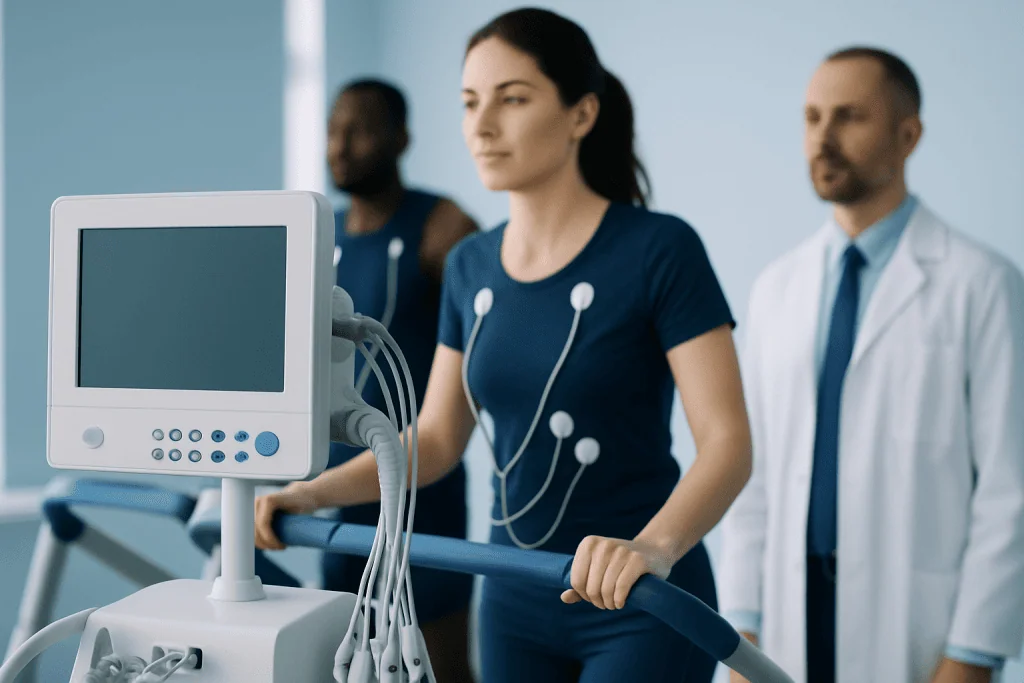
Most boot camp workouts begin with a warm-up to raise body temperature and prepare the muscles and joints. This may include brisk walking, light jogging, marching, arm circles, gentle mobility work, and practice versions of the main exercises. A thoughtful warm-up is important because it can improve movement control and make the session feel more manageable.
The main part of the class often uses circuits or stations. Participants may perform one exercise for a set number of repetitions or a timed interval, then move to the next exercise with little rest. Common movements include:
- Bodyweight squats and lunges
- Push-ups or incline push-ups
- Planks and core drills
- Jumping jacks, step-ups, or short runs
- Resistance band, kettlebell, or dumbbell exercises
- Partner or team-based conditioning tasks
Classes usually finish with a cool-down, slower breathing, and stretching. Some instructors also check in on effort level and technique, which is especially helpful for beginners. A well-run boot camp should allow participants to scale intensity up or down rather than forcing everyone to do the same version of every movement.
Benefits and how the body responds

Boot camp workouts can offer broad fitness benefits because they train more than one physical skill at a time. The repeated combination of movement, resistance, and cardiovascular effort may help improve heart and lung fitness, muscular endurance, coordination, and calorie use. Some people also find that the variety reduces boredom compared with doing only one form of exercise.
It is normal during a challenging class to breathe harder, sweat more, and feel the muscles working. Mild to moderate soreness the next day, often called delayed-onset muscle soreness, is also common after a new or intense session. This usually settles within a few days and tends to improve as the body adapts.
However, there is a difference between expected exercise response and warning signs. Sharp pain, dizziness, fainting, chest pressure, severe shortness of breath out of proportion to effort, or a joint that swells or gives way should not be brushed aside as “just part of the workout.” In those situations, a medical assessment may be needed to rule out problems such as injury, overexertion, dehydration, or an underlying heart or lung condition.
Who should be careful before starting
Boot camp training is not automatically unsafe, but it is not the right starting point for everyone without some planning. People who have been inactive for a long time, are recovering from illness, or have a history of exercise-related symptoms may need a gradual entry. This is especially true if a class includes jumping, sprinting, heavy resistance, or rapid transitions from the floor to standing.
Extra caution is sensible for people with known heart disease, uncontrolled high blood pressure, asthma that is not well managed, diabetes with episodes of low blood sugar, balance problems, or musculoskeletal conditions affecting the knees, back, shoulders, or hips. Prior surgery, recent pregnancy, and obesity can also influence which exercises are appropriate and how quickly training should progress.
If there is a history of recurring joint pain or sports injury, a doctor may evaluate whether symptoms could relate to issues such as knee pain or a herniated disc. In some cases, support from physical therapy and rehabilitation can help a person build safer movement patterns before returning to higher-intensity group exercise.
Possible risks and common mistakes
The most common risks of boot camp workouts are overuse problems, muscle strains, and technique-related injuries. These may happen when a person increases intensity too quickly, uses poor form under fatigue, skips warm-up and recovery, or joins a class that is too advanced. Knees, ankles, lower back, and shoulders are frequent areas of discomfort, especially with repeated jumping, deep squats, or fast overhead movements.
Another issue is the “group effect.” In a busy class, some participants push past their safe limit because they do not want to slow down or modify. That can lead to dehydration, heat-related illness in hot weather, or a sudden flare of an existing problem. People may also mistake severe exhaustion for a productive workout, even though training quality usually declines when technique breaks down.
Choosing a qualified instructor matters. Good classes provide clear demonstrations, correction of unsafe mechanics, rest options, and alternatives for different fitness levels. If pain persists after training, a doctor may recommend clinical assessment and, when appropriate, imaging or orthopedic rehabilitation to address the underlying cause.
When to seek medical care
Most post-workout soreness improves with rest, hydration, gentle movement, and time. Medical review becomes more important when symptoms are unusual, severe, or recurrent. Red flags during or after a boot camp workout include chest pain, fainting, severe breathlessness, palpitations that do not settle, confusion, one-sided weakness, or a new severe headache.
A person should also seek care for swelling in a joint, inability to bear weight, pain that causes limping, numbness, back pain radiating down the leg, or symptoms that continue for more than a few days despite reducing activity. In hot conditions, heavy sweating followed by weakness, nausea, cramps, or altered mental state may suggest heat illness and should not be ignored.
Doctors usually begin with a careful history and physical examination. They may ask what exercises were done, whether symptoms started suddenly or gradually, what medical conditions are present, and whether there were warning signs such as dizziness or shortness of breath. Depending on the problem, evaluation may include blood pressure checks, heart tracing, breathing assessment, or imaging such as MRI for suspected soft tissue or spine-related injury.
How to start safely and make it sustainable
The safest way to begin a boot camp workout is to choose a class that welcomes beginners and emphasizes form. Starting with one or two sessions a week gives the body time to recover. It also helps to tell the instructor about any injuries, chronic conditions, or concerns before class so they can suggest modifications.
Simple habits can reduce risk and improve the experience:
- Wear supportive footwear suited to the training surface
- Arrive early enough for the full warm-up
- Use lighter resistance until technique is comfortable
- Take water breaks and avoid exercising through dizziness
- Progress gradually rather than competing with others
- Schedule recovery days, sleep, and balanced nutrition
Many people do well with a “talk test” approach at first: the workout should feel challenging, but speech should not become impossible for long periods unless the class is specifically designed for short intense intervals and the participant is conditioned for it. For ongoing or unclear symptoms, structured medical assessment can help identify whether the issue is simple deconditioning, an injury, or a condition that needs treatment.
Near the end of the care pathway, some people benefit from specialist input to return to activity confidently. Acibadem International’s multidisciplinary specialists and JCI-accredited hospitals diagnose and treat exercise-related injuries and medical conditions for international patients when further evaluation is needed.
How doctors think about exercise symptoms
One helpful way to understand boot camp safety is to separate expected training effects from symptoms that may signal illness or injury. Expected effects include faster breathing during hard intervals, muscle fatigue, sweating, and temporary soreness. These usually improve with recovery and become less pronounced as fitness improves.
Symptoms that deserve more attention are those that are disproportionate, persistent, or affect daily function. Examples include pain in one specific joint, repeated wheezing, exercise-related chest discomfort, or severe fatigue that does not match the effort performed. Doctors also consider age, medications, hydration status, prior injuries, and family history when judging whether exercise symptoms need further workup.
This approach can be reassuring: most concerns after starting a new workout routine are manageable, and many people can continue exercising with a few adjustments. The goal is not to avoid activity, but to choose the right type and intensity of exercise for the individual body at that time.
Frequently asked questions
Is a boot camp workout the same as HIIT?
Not exactly. Many boot camp classes use interval-style training similar to HIIT, but boot camp is a broader group-exercise format that may include moderate circuits, strength work, agility drills, and team activities. The actual intensity depends on the class design and the participant’s pace.
Can beginners do boot camp workouts?
Yes, many beginners can participate if the class offers modifications and the instructor emphasizes proper form. It is usually best to start with a beginner-friendly or mixed-level class and progress gradually rather than trying to keep up with more advanced participants.
How often should someone do boot camp training?
That depends on fitness level, recovery, and the class intensity. Many people start with one to three sessions per week and include rest days or lower-impact activity in between. A doctor or qualified exercise professional can help tailor a plan if there are medical concerns.
Is muscle soreness after boot camp normal?
Mild to moderate soreness for a day or two can be normal, especially after a new or harder workout. Severe pain, marked swelling, weakness, dark urine, or symptoms that worsen rather than improve should be medically reviewed.
Who should talk to a doctor before joining a boot camp class?
People with known heart or lung disease, uncontrolled blood pressure, diabetes with unstable blood sugar, recent injury, significant joint pain, or pregnancy-related concerns may benefit from medical advice first. This is also sensible for anyone who has chest pain, fainting, or unusual shortness of breath with exercise.
What should someone bring or do before the first class?
Comfortable exercise clothes, supportive shoes, and water are the basics. Arriving early to mention injuries or health conditions to the instructor and to complete the warm-up can make the first session safer and more comfortable.
References
- American College of Sports Medicine
- Centers for Disease Control and Prevention
- American Heart Association
- National Institute of Arthritis and Musculoskeletal and Skin Diseases
- National Heart, Lung, and Blood Institute
This article is for general information only and is not a substitute for professional medical advice. Please consult a qualified doctor about your individual situation.
Explore treatments in Turkey — costs, top hospitals & a free quote
JCI-accredited · board-certified surgeons · reply within 24h
Add us as a Preferred Source to see more of our trusted health content across Google Search, AI Overviews and Discover.
Check your numbers in seconds
BMI, calories, due date, blood pressure and 30+ more clinical calculators — free, instant, doctor-reviewed ranges.