

What Is a Clinical Neurophysiologist and When Are You Referred?
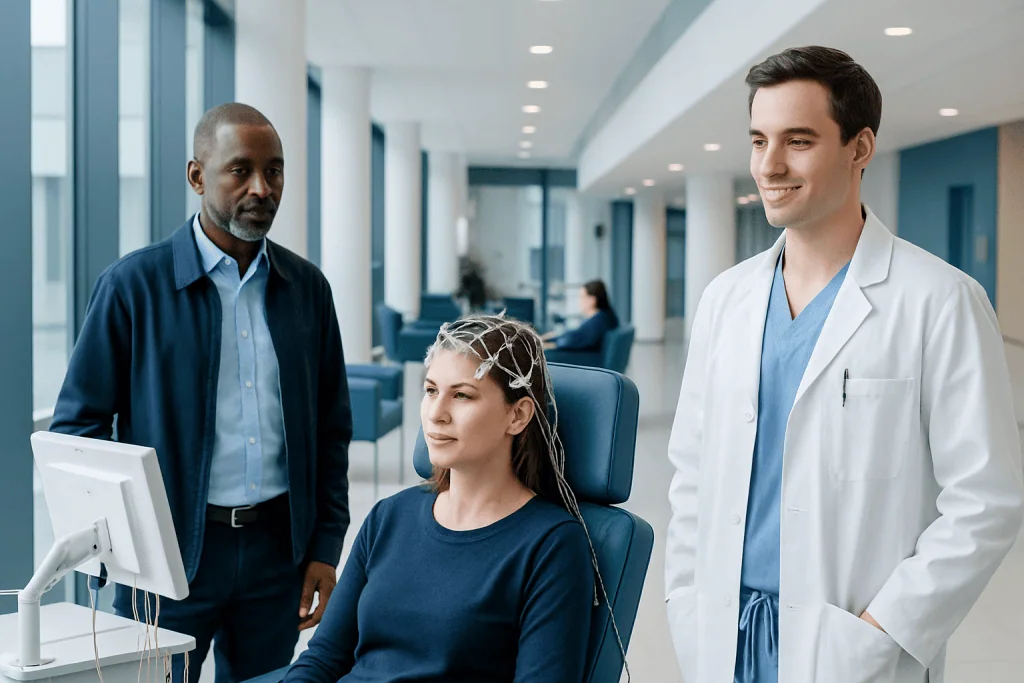
A clinical neurophysiologist assesses electrical activity in the brain, nerves, and muscles. Referral is common for symptoms such as seizures, neuropathy, muscle weakness, tremor, blackout episodes, or suspected sleep disorders.
Key Takeaways
- A clinical neurophysiologist assesses electrical activity in the brain, nerves, and muscles.
- Referral is common for symptoms such as seizures, neuropathy, muscle weakness, tremor, blackout episodes, or suspected sleep disorders.
- Common tests include EEG, EMG, nerve conduction studies, evoked potentials, and some sleep studies.
- These tests help confirm a diagnosis, rule out other conditions, and guide treatment choices.
- Many neurophysiology tests are outpatient procedures and are generally safe and well tolerated.
A clinical neurophysiologist is a doctor who evaluates how the brain, spinal cord, nerves, and muscles are functioning using specialized tests. People are usually referred when symptoms such as seizures, numbness, weakness, tingling, fainting, or sleep-related concerns need more precise investigation.
Overview: What does a clinical neurophysiologist do?
A clinical neurophysiologist is a medical doctor with specialist training in measuring and interpreting the function of the nervous system. This includes the brain, spinal cord, peripheral nerves, muscles, and sometimes sleep-related brain activity. Rather than relying only on scans or routine examinations, the specialist uses tests that record electrical signals in the body to understand how well these systems are working.
This type of doctor often works closely with neurologists, neurosurgeons, rehabilitation specialists, sleep physicians, pediatricians, and other clinicians. In some cases, the referring doctor already suspects a particular condition. In others, the purpose of the referral is to clarify why a person is having symptoms such as numbness, weakness, seizures, unusual movements, memory-related episodes, or persistent tingling.
Clinical neurophysiology is not a treatment in itself. It is a diagnostic and monitoring specialty that helps answer important questions, such as whether symptoms are coming from the brain, a nerve root, a peripheral nerve, the neuromuscular junction, or the muscle. This information can make treatment planning more precise and may help avoid unnecessary therapies.
When is someone referred to a clinical neurophysiologist?
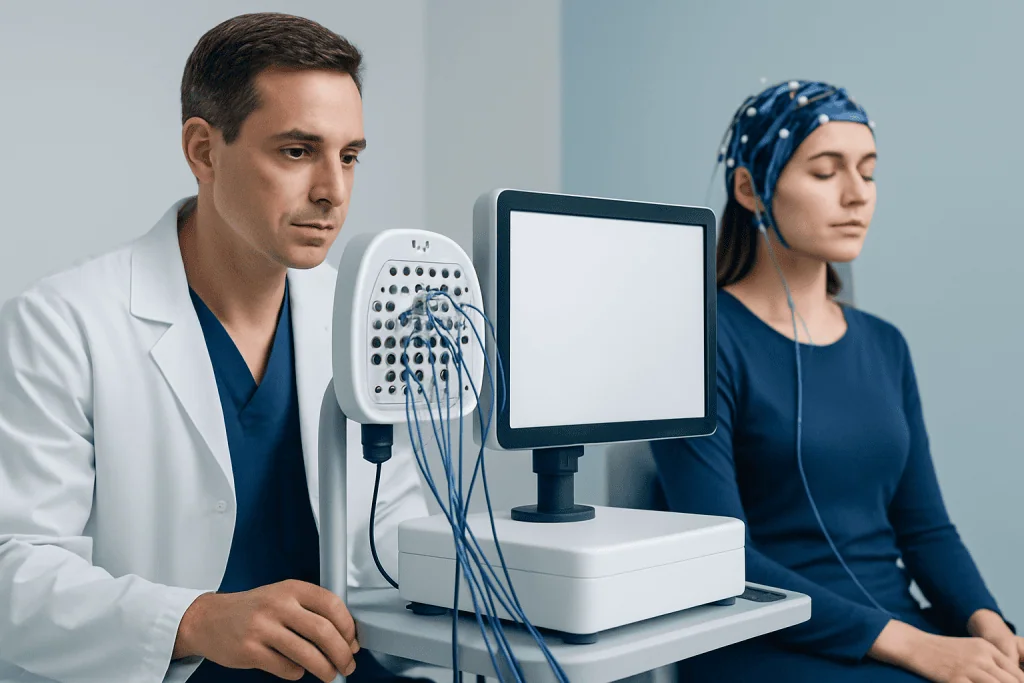
A person may be referred to a clinical neurophysiologist when symptoms suggest a problem affecting the nervous system but the exact cause is not yet clear. Referral is also common when a doctor wants to confirm a diagnosis, assess severity, or monitor a known condition over time. The goal is to match symptoms with objective test findings.
Common reasons for referral include episodes of loss of awareness, suspected seizures, unexplained fainting-like events, numbness, burning pain, tingling in the hands or feet, muscle cramps, twitching, weakness, balance problems, facial numbness, or suspected nerve compression. People with possible epilepsy, peripheral neuropathy, radiculopathy, myasthenia gravis, or some muscle diseases may be sent for neurophysiology testing.
Referral may also be considered for sleep-related concerns, especially when there is a question of abnormal movements during sleep, daytime sleepiness, or a possible neurological sleep disorder. In hospital settings, clinical neurophysiologists can also help monitor nervous system function during surgery or evaluate critically ill patients.
- Seizure-like episodes or blackouts
- Persistent tingling, numbness, or neuropathic pain
- Muscle weakness, atrophy, or twitching
- Suspected carpal tunnel syndrome or nerve entrapment
- Possible spinal nerve root irritation
- Concerns about sleep-related brain or movement disorders
What symptoms or conditions may lead to testing?
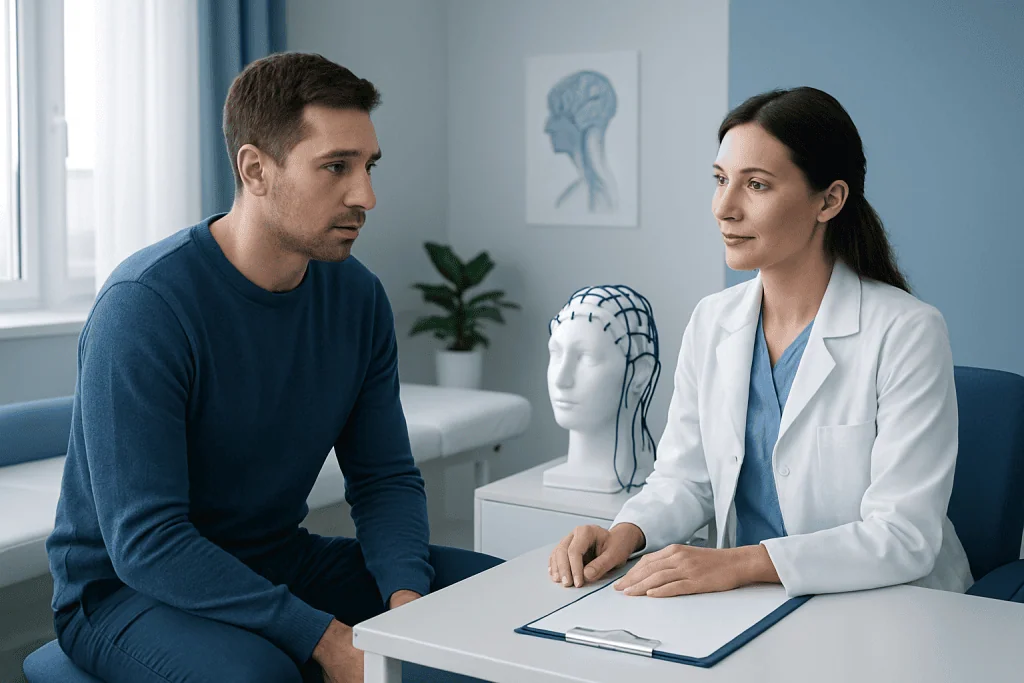
The symptoms that lead to neurophysiology testing can vary widely because the nervous system affects sensation, movement, awareness, and automatic body functions. Symptoms may come on suddenly or develop gradually. Some are intermittent, while others are constant. A careful medical history remains essential because test results are interpreted in the context of the person’s symptoms and examination.
Symptoms related to the brain often include seizures, brief staring spells, confusion, unusual jerking movements, episodes of collapse, or unexplained spells that need to be distinguished from non-epileptic causes. In these situations, an electroencephalogram may help. For some patients, the specialist may evaluate for Parkinson’s disease-related movement features or other tremor and movement conditions when electrophysiologic testing can add useful information.
Symptoms related to nerves and muscles commonly include hand numbness, foot tingling, weakness climbing stairs, dropping objects, cramping, or a feeling that muscles fatigue too quickly. Testing may support the evaluation of conditions such as multiple sclerosis when additional functional information is needed, although imaging and other neurological assessments remain important as well.
Which tests does a clinical neurophysiologist perform?
The exact test depends on the symptoms. One of the most familiar tests is the electroencephalogram, or EEG, which records the brain’s electrical activity through small sensors placed on the scalp. EEG is often used to evaluate seizures, episodes of altered awareness, and some sleep-related problems. If further assessment is needed, the doctor may recommend EEG testing as part of a broader neurological work-up.
Another common group of tests includes nerve conduction studies and electromyography, often called EMG. Nerve conduction studies examine how well electrical signals travel through peripheral nerves. EMG looks at electrical activity in muscles using a very fine needle electrode. Together, these tests help identify whether symptoms are due to nerve damage, nerve compression, muscle disease, or problems at the connection between nerve and muscle. In patients with limb numbness or weakness, EMG and nerve conduction studies can provide valuable detail.
Other tests may include evoked potentials, which measure how the nervous system responds to sensory stimulation such as visual, auditory, or electrical input. Depending on the clinical setting, sleep studies may also be arranged, including polysomnography when sleep-related neurological symptoms are part of the concern. Some centers also use video-EEG monitoring to compare symptoms or events with simultaneous brain-wave recording.
How should patients prepare, and what can they expect?
Preparation depends on the test being performed. For EEG, the scalp is usually prepared so electrodes can attach well, and patients may be asked to arrive with clean hair and avoid styling products. For EMG and nerve conduction studies, wearing loose, comfortable clothing is often helpful, and creams or lotions on the skin may need to be avoided on the day of testing. The care team will usually explain any specific instructions in advance.
Most neurophysiology tests are outpatient procedures. EEG is painless, although some people may find the set-up time a little inconvenient. Nerve conduction studies involve brief electrical pulses, which can feel unusual or mildly uncomfortable but are generally tolerable. EMG uses a thin needle electrode in selected muscles, so there may be temporary discomfort during the test and mild soreness afterward.
Test length varies. Some procedures take less than an hour, while prolonged EEG monitoring or sleep-related testing may take several hours or overnight. The specialist interprets the findings together with the person’s symptoms, examination, medications, and any imaging or blood test results. This combined approach is important because neurophysiology findings alone do not always give the full diagnosis.
How do the results help with diagnosis and treatment?
Neurophysiology results can help show where in the nervous system a problem is occurring and whether it is affecting function significantly. For example, testing may distinguish between a pinched nerve in the neck, a peripheral nerve entrapment such as carpal tunnel syndrome, a generalized neuropathy, or a primary muscle disorder. This matters because treatment can differ greatly depending on the cause.
In seizure assessment, EEG findings may support a diagnosis of epilepsy, help classify seizure type, or guide medication decisions. In nerve and muscle disorders, electrodiagnostic tests can help determine whether weakness is due to nerve injury, inflammatory disease, muscle disease, or a disorder of neuromuscular transmission. This often directs the next step, such as blood tests, imaging, rehabilitation, medication changes, or referral to another specialist.
Results are not always definitive, and that is normal. Sometimes a normal test is helpful because it rules out certain conditions or suggests that symptoms may be intermittent, early in their course, or due to another cause. A clinical neurophysiologist may recommend repeat testing, further neurologic assessment, or a different type of investigation if needed.
What happens after the referral?
After testing, the specialist usually sends a report to the referring doctor, who discusses the findings and next steps with the patient. In some cases, the result confirms a diagnosis and treatment can begin promptly. In others, the test narrows the possibilities and leads to additional evaluation, such as imaging, blood tests, rehabilitation assessment, or follow-up with a neurologist or surgeon.
Many people worry that being referred for neurophysiology means something serious has already been found. In reality, referral often reflects the need for more accurate information rather than a confirmed diagnosis. These tests are frequently used to investigate common and treatable problems, including nerve compression, peripheral neuropathy, seizure disorders, and some sleep-related conditions.
If a person is receiving care across specialties, neurophysiology can serve as a bridge between symptoms and management. Near the end of the care pathway, some patients may also be reviewed in multidisciplinary centers. Acibadem International’s multidisciplinary specialists in JCI-accredited hospitals diagnose and treat neurological and neurophysiological conditions for international patients when this level of coordinated care is needed.
When should someone seek medical advice urgently?
Although many referrals to a clinical neurophysiologist are planned and non-urgent, some symptoms should be assessed promptly by a doctor. These include a first seizure, prolonged confusion after an episode, sudden weakness on one side of the body, sudden loss of vision, rapidly worsening weakness, severe new numbness, trouble speaking, or loss of bladder or bowel control with back pain. These symptoms may need urgent medical assessment rather than waiting for an outpatient test.
Ongoing symptoms should also be discussed with a healthcare professional if they interfere with walking, daily activities, work, sleep, or safety. Recurrent blackouts, falls, progressive hand weakness, persistent foot numbness, or unexplained muscle wasting deserve medical evaluation even if they are not dramatic at first. Early assessment may make diagnosis and treatment more straightforward.
People who already have a neurological diagnosis should contact their doctor if symptoms change unexpectedly, become more frequent, or no longer respond to current treatment. A clinical neurophysiologist can be an important part of this reassessment, but urgent or sudden symptoms should always be treated as a priority by emergency or immediate medical services.
Frequently asked questions
Is a clinical neurophysiologist the same as a neurologist?
Not exactly. A neurologist diagnoses and manages disorders of the nervous system more broadly, while a clinical neurophysiologist focuses on specialized tests that measure nerve, muscle, and brain function. Some doctors are trained in both areas and work closely together in patient care.
Does referral to a clinical neurophysiologist mean something serious is wrong?
No. Referral usually means a doctor wants more precise information about symptoms, not that a serious diagnosis has already been confirmed. Many referrals are for common problems such as nerve compression, tingling, blackout episodes, or sleep-related concerns.
Are EEG and EMG painful?
EEG is generally painless because it records brain activity from sensors placed on the scalp. Nerve conduction studies and EMG can cause some temporary discomfort, but most people tolerate them well. The care team usually explains each step so patients know what to expect.
How long do neurophysiology tests take?
It depends on the test. Some studies are completed in less than an hour, while others, such as prolonged EEG monitoring or overnight sleep studies, take much longer. The clinic will usually provide timing details before the appointment.
Can neurophysiology tests diagnose all neurological conditions?
No. These tests are very useful, but they are only one part of diagnosis. Doctors often combine the results with medical history, physical examination, imaging, blood tests, and sometimes genetic or sleep assessments.
What should a patient bring to the appointment?
It helps to bring a list of symptoms, current medications, previous test results if available, and details about when episodes or symptoms happen. Comfortable clothing is often useful, especially for nerve and muscle testing. If the clinic has given special preparation instructions, those should be followed closely.
References
- World Health Organization
- National Institute of Neurological Disorders and Stroke
- American Clinical Neurophysiology Society
- International League Against Epilepsy
- National Institute for Health and Care Excellence
This article is for general information only and is not a substitute for professional medical advice. Please consult a qualified doctor about your individual situation.
Joint and spine care in Turkey — expert assessment & treatment
JCI-accredited · board-certified surgeons · reply within 24h
Add us as a Preferred Source to see more of our trusted health content across Google Search, AI Overviews and Discover.

More from the Health Library



Related Specialists

Prof. Dr. Engin Oral (m)
Gynecology & Obstetrics
Yağız Meteoğlu
Physical Medicine & Rehabilitation
Dr. Sezgi Güllü Erciyestepe
Gynecology & Obstetrics
Dr. Sena Arıcı
Internal Medicine