What Is a Gi Surgery: Procedure, Recovery and Results

GI surgery refers to procedures involving the digestive tract, from the esophagus to the rectum, as well as related organs such as the liver, pancreas and gallbladder. Some GI procedures are minimally invasive, while others require open surgery depending on the condition and its urgency.
Key Takeaways
- GI surgery refers to procedures involving the digestive tract, from the esophagus to the rectum, as well as related organs such as the liver, pancreas and gallbladder.
- Some GI procedures are minimally invasive, while others require open surgery depending on the condition and its urgency.
- Recovery varies widely by operation, overall health and whether surgery was planned or performed urgently.
- Good preparation, early safe movement and following dietary guidance can support recovery.
- A surgical team discusses expected benefits, alternatives and possible risks before a planned procedure.
GI surgery, short for gastrointestinal surgery, includes operations involving the digestive tract and related organs. It may be recommended to treat conditions such as appendicitis, gallstones, hernias, inflammatory bowel disease, reflux, bowel obstruction, or digestive cancers.
What Is a GI Surgery?
GI surgery is short for gastrointestinal surgery. It describes operations performed on the digestive system, including the esophagus, stomach, small intestine, colon, rectum and anus. Depending on the reason for treatment, it can also involve related organs such as the gallbladder, liver, pancreas or spleen.
A GI surgery procedure may be planned after tests identify a condition that is unlikely to improve with non-surgical care, or it may be urgent when there is bleeding, infection, a blockage or a perforation. The goal can be to remove diseased tissue, repair an abnormality, relieve obstruction, control symptoms, obtain a diagnosis, or restore digestive function.
Surgeons may use open surgery through a larger incision, laparoscopic surgery through several small incisions, or selected robotic-assisted approaches. The most appropriate method depends on the diagnosis, the location and complexity of the problem, previous operations and the person’s general health.
Common Reasons for GI Surgery and Who May Be a Candidate
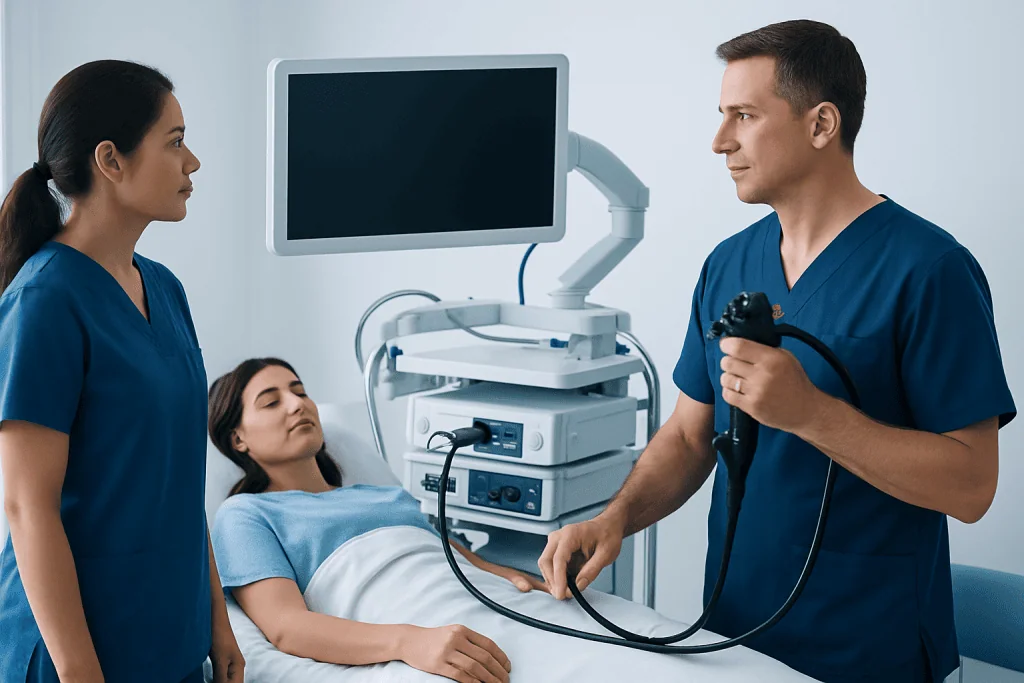
GI surgery is not one single operation. It is a broad specialty that addresses many digestive conditions. A person may be considered for surgery when symptoms are severe, complications develop, medicines have not provided enough benefit, or tests show a problem that needs removal or repair.
Examples include appendicitis, symptomatic gallstones, abdominal wall or groin hernias, diverticular complications, bowel obstruction, severe reflux in selected cases, inflammatory bowel disease with complications, and benign or cancerous growths of the digestive tract. Surgical treatment may also be part of care for colorectal cancer or other digestive cancers.
Candidacy is individual. The team considers symptoms, imaging and laboratory results, nutrition, heart and lung health, medications, prior abdominal surgery and personal treatment goals. Older age alone does not determine whether a person can have surgery; overall function and medical risk are assessed carefully.
- Elective surgery is scheduled after assessment and preparation.
- Urgent surgery may be needed within hours or days to prevent serious complications.
- Emergency surgery is performed when immediate treatment is necessary, such as with certain perforations or uncontrolled bleeding.
What Are the Most Common GI Surgeries?

Common GI operations include appendectomy, which removes an inflamed appendix; cholecystectomy, which removes the gallbladder; and hernia repair. Many of these procedures can be performed laparoscopically when clinically appropriate, although an open approach may be safer in some situations.
Other frequently performed procedures include bowel resection, in which a diseased portion of small or large intestine is removed; colectomy, which removes part or all of the colon; and surgery for reflux or hiatal hernia. Some bowel operations require a temporary or permanent stoma, an opening on the abdomen that allows stool to pass into a pouch, although this is not needed in every case.
More complex GI surgery may involve the stomach, pancreas, liver or rectum. The reason for surgery strongly influences the approach, hospital stay and expected outcome. For example, treatment plans for digestive cancer often involve surgeons working alongside gastroenterologists, oncologists, radiologists, pathologists, dietitians and specialist nurses.
How a GI Surgery Procedure Works
Before a planned operation, the surgeon confirms the diagnosis and discusses the intended procedure, possible alternatives and expected risks. Preoperative assessment may include blood tests, imaging, an electrocardiogram, nutritional review or anesthesia evaluation. Some intestinal procedures require bowel preparation, but this is only used when the surgical team advises it.
On the day of surgery, the patient is checked in, safety information is reviewed and anesthesia is given. Most major GI operations are performed under general anesthesia, meaning the person is asleep and does not feel the operation. The surgeon then makes either a larger incision for open surgery or small access incisions for minimally invasive surgery.
During the operation, the surgeon may remove an organ or tissue, repair a defect, reconnect healthy sections of bowel, stop bleeding, drain infection or create a stoma when necessary. Removed tissue may be examined by a pathologist. At the end of surgery, incisions are closed and the patient is monitored in a recovery area while anesthesia wears off.
For some conditions, gastrointestinal surgery is coordinated through a multidisciplinary plan. The exact steps, length of surgery and need for intensive monitoring differ substantially between a straightforward laparoscopic procedure and a complex cancer or emergency operation.
How to Prepare for GI Surgery?
Preparation begins with clear communication. Patients should tell the surgical team about all prescription medicines, over-the-counter products, vitamins, herbal supplements, allergies, prior anesthesia problems, smoking or alcohol use, and any history of blood clots. Certain medicines, including blood thinners and some diabetes medicines, may need temporary adjustment under medical guidance.
The team gives specific instructions about eating and drinking before anesthesia. These instructions are important for safety and should be followed exactly. Patients should not stop regular medicines or begin supplements without advice, as individual instructions vary.
When time allows, improving nutrition, staying as active as safely possible, managing blood sugar and stopping smoking can support healing. It is also helpful to arrange transportation, comfortable clothing, help at home and a clear understanding of wound care, diet changes and follow-up appointments.
- Ask what type of operation is planned and whether it may change during surgery.
- Ask whether a stoma is possible and what support is available if one is needed.
- Bring an updated medication list and relevant medical records.
- Contact the team promptly if fever, cough, chest symptoms or a new illness develops before surgery.
How Long Is Recovery After GI Surgery?
GI surgery recovery time depends on the procedure, whether it was minimally invasive or open, the underlying condition and the person’s health before surgery. After a minor laparoscopic operation, many people return to light daily activities within days to a few weeks. Recovery after bowel resection, major abdominal surgery or emergency surgery commonly takes several weeks and may take longer when complications occur.
In hospital, the care team monitors pain, blood pressure, breathing, bowel function, wound healing and the ability to drink, eat and walk safely. Early movement, breathing exercises and gradual return to food can lower some postoperative risks and support what is often meant by GI recovery: the body’s progressive return to comfortable digestion, strength and normal activity.
At home, tiredness is common and may improve gradually rather than day by day. The surgeon advises when to drive, lift heavy objects, exercise, return to work and resume sexual activity. Follow-up appointments allow the team to review pathology results when relevant, check the incision and address diet or bowel-habit changes.
Is GI Surgery Painful? Benefits and Possible Risks
Some discomfort is expected after GI surgery, especially around the incision and when moving, coughing or taking deep breaths. However, pain is actively assessed and treated. A care plan may include non-opioid medicines, regional anesthesia techniques, short-term stronger pain relief when needed and non-medication measures such as positioning and gentle movement.
Minimally invasive surgery often causes less incision pain and may allow a quicker return to activity than open surgery, but it is not suitable for every condition. Pain that is suddenly worsening, not controlled by the prescribed plan, or accompanied by other concerning symptoms should be reported to the clinical team.
Potential benefits include relief of obstruction or pain, treatment of infection, removal of diseased tissue, prevention of further complications and improved quality of life. Risks vary by procedure but can include bleeding, infection, blood clots, injury to nearby organs, leakage where bowel is reconnected, anesthesia reactions, scar tissue causing future blockage, and changes in bowel habits. The surgeon explains the risks most relevant to the planned operation.
When to Seek Medical Care
Urgent medical assessment is important for severe or worsening abdominal pain, a rigid or markedly swollen abdomen, persistent vomiting, vomiting blood, black stools, heavy rectal bleeding, fainting, chest pain, shortness of breath, high fever or yellowing of the skin or eyes. These symptoms do not always mean surgery is needed, but they require timely evaluation.
After GI surgery, patients should contact their surgical team promptly for fever, increasing redness or drainage from the wound, worsening abdominal pain, repeated vomiting, inability to keep fluids down, new swelling, calf pain, shortness of breath, or a major change in bowel output. Emergency services should be used for severe symptoms or rapid deterioration.
For planned digestive surgery, a second opinion or discussion with a gastroenterologist and surgeon can help a person understand all suitable options. Acibadem International’s multidisciplinary specialists and JCI-accredited hospitals provide diagnostic assessment and surgical care for international patients when GI surgery is indicated.
Frequently asked questions
What is GI surgery used for?
GI surgery is used to diagnose, remove, repair or bypass problems affecting the digestive tract and related organs. It may treat conditions such as appendicitis, gallstones, hernias, bowel obstruction, inflammatory bowel disease complications and digestive cancers.
How long does GI surgery take?
The length of surgery depends on the operation and the findings during the procedure. Some common laparoscopic operations may take one to a few hours, while complex bowel, liver, pancreas or cancer operations can take substantially longer.
How long is recovery after GI surgery?
Recovery can range from days to several weeks or longer. A minimally invasive procedure often has a shorter recovery than open or major abdominal surgery, but the individual timeline depends on the diagnosis, type of operation and overall health.
Is GI surgery painful?
Discomfort after surgery is common, but it should be managed with an individualized pain-control plan. Patients should tell their care team if pain is severe, worsening or preventing them from breathing deeply, walking or resting.
Can a person eat normally after GI surgery?
Diet is usually restarted gradually, beginning with fluids or easily tolerated foods when the surgical team confirms it is safe. Some procedures require temporary or longer-term dietary changes, particularly after surgery involving the stomach or bowel.
What is GI recovery after surgery?
GI recovery refers to the digestive system and body returning to function after an operation. It includes being able to drink and eat safely, passing gas or stool as expected, managing pain, healing the incision and regaining strength for daily activities.
References
- National Institute of Diabetes and Digestive and Kidney Diseases
- American College of Surgeons
- American Society of Colon and Rectal Surgeons
- National Health Service
- World Health Organization
This article is for general information only and is not a substitute for professional medical advice. Please consult a qualified doctor about your individual situation.
Persistent digestive symptoms? Get evaluated in Turkey
JCI-accredited · board-certified surgeons · reply within 24h
Add us as a Preferred Source to see more of our trusted health content across Google Search, AI Overviews and Discover.