What Is a Health Sciences Library and Who Can Use It?

A health sciences library offers evidence-based medical and health information in print and digital formats. Users may include doctors, nurses, students, researchers, patients, caregivers, and members of the public.
Key Takeaways
- A health sciences library offers evidence-based medical and health information in print and digital formats.
- Users may include doctors, nurses, students, researchers, patients, caregivers, and members of the public.
- Many health sciences libraries provide access to journals, textbooks, databases, librarians, and training.
- These libraries can help people find trustworthy information, but they do not replace personal medical advice from a qualified doctor.
- Access policies vary, with some resources open to the public and others limited by membership or institutional subscription.
A health sciences library is a specialized library that provides reliable medical, nursing, public health, and biomedical information. It can support healthcare professionals, students, researchers, patients, and family members who need trustworthy health knowledge.
Overview
A health sciences library is a specialized library focused on medicine, nursing, dentistry, pharmacy, public health, and other health-related subjects. Its main purpose is to help people find accurate, current, and evidence-based information for learning, research, clinical care, and personal understanding. These libraries may be located in universities, teaching hospitals, research centers, public institutions, or large healthcare systems.
Unlike a general library, a health sciences library is built around professional and scientific health knowledge. It often includes medical textbooks, peer-reviewed journals, clinical guidelines, drug references, anatomy resources, research databases, and educational materials for patients. Many now work as hybrid services, offering both physical collections and digital access.
Health sciences libraries also do more than store information. Librarians who work in these settings are trained to help users search medical literature, evaluate the quality of sources, and use information ethically. This support can save time and improve confidence when people are trying to understand a health topic or answer a clinical question.
What Information a Health Sciences Library Provides
The content in a health sciences library is usually selected for quality, credibility, and relevance. Resources often include medical and nursing textbooks, specialty journals, reference works, systematic reviews, and databases that index scientific studies. Libraries may also provide clinical decision tools, anatomy atlases, images, videos, and patient education handouts.
Digital collections are especially important. Through library websites or institutional portals, users may access e-books, online journals, and trusted databases from computers or mobile devices. Some libraries also organize materials by topic so users can explore areas such as oncology, cardiology, pediatrics, mental health, or public health more easily.
In addition to scientific resources, many health sciences libraries provide plain-language health information for patients and families. This can be helpful for someone learning about symptoms, tests, treatments, recovery, or prevention. Good patient resources are written in clear language and are intended to support conversations with healthcare professionals rather than replace them.
Who Can Use a Health Sciences Library?

Many different groups use health sciences libraries. Common users include medical students, nursing students, pharmacy students, residents, doctors, nurses, allied health professionals, researchers, and university faculty. These users often rely on the library for coursework, exam preparation, literature reviews, research projects, and patient care decisions.
Patients, family members, and caregivers may also use a health sciences library, especially when the library offers public access or patient education services. Someone preparing for surgery, managing a long-term condition, or supporting a loved one may benefit from trustworthy information on diagnosis, treatment options, and recovery. In some hospitals, the library works closely with patient education teams.
Public access rules vary. Some health sciences libraries are open to everyone on site, while others primarily serve members of a university or hospital. Even when physical entry is public, online databases may be restricted because of subscription agreements. A library’s website or staff can explain what is available, whether a visitor card is needed, and which services can be used remotely.
- Healthcare professionals seeking evidence for patient care
- Students completing assignments or clinical training
- Researchers reviewing published studies
- Patients and caregivers looking for understandable health information
- Members of the public interested in reliable wellness and prevention resources
How Health Sciences Libraries Help Users
One of the most valuable services is expert guidance from health sciences librarians. These professionals can help users choose search terms, use medical subject headings, narrow a broad topic, and find high-quality studies more efficiently. For students and clinicians, this can make a complex literature search much more manageable.
Librarians also teach people how to judge the quality of health information. This includes understanding the difference between peer-reviewed research and opinion, recognizing possible bias, and checking whether a source is current. This skill is especially important online, where health claims may circulate without strong scientific support.
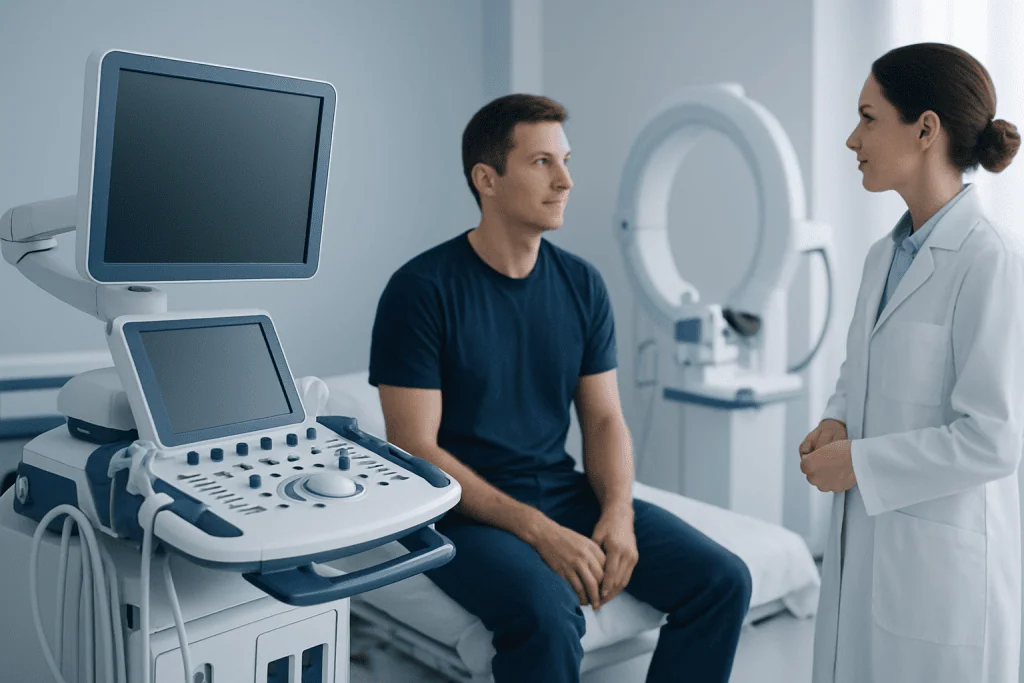
Many libraries offer educational sessions on topics such as database searching, reference management, academic writing, avoiding plagiarism, and evidence-based practice. Some support systematic reviews or clinical guideline development. Others create reading lists and patient information packets tailored to a specific topic, test, or procedure such as MRI or CT scan.
Common Services and Resources
Although services differ by institution, most health sciences libraries provide a core set of resources. These may include borrowing privileges for books and media, on-site computers, quiet study areas, printing, document delivery, and interlibrary loan. Interlibrary loan can be especially helpful when a book or article is not available in the local collection.
Electronic services are often central to daily use. Libraries may provide access to databases for biomedical literature, e-journals, e-books, citation tools, and online tutorials. Some libraries also offer virtual reference help by email, chat, or video call, making it easier for users to get support without traveling.
Hospital-based libraries may serve clinical teams directly by assisting with evidence searches related to patient care. Academic libraries may focus more on teaching and research support. Some institutions also connect users with information about tests or specialty care areas, including topics such as PET-CT when imaging is part of a broader diagnostic workup.
- Books, journals, and online databases
- Research and literature search support
- Patient education materials
- Training workshops and tutorials
- Interlibrary loan and article delivery
- Study spaces and remote access tools
How to Use a Health Sciences Library Effectively
Using a health sciences library effectively starts with a clear question. A student might ask about the best evidence for a treatment. A patient may want to understand a diagnosis or prepare for an appointment. Starting with a focused question helps narrow the search and improves the relevance of the results.
It is often useful to begin with librarian-recommended resources instead of using a general internet search alone. A librarian can guide users toward reliable databases, major textbooks, clinical guidelines, and patient-friendly materials. This can reduce confusion and lower the risk of relying on outdated or misleading information.
Users should also keep the purpose of the information in mind. Scientific studies for professionals may be technical and not always suitable for patient decision-making without explanation. Patients and caregivers may benefit from plain-language materials and then discuss what they learn with a doctor. If information found in the library raises concerns, it is wise to bring those questions to a qualified healthcare professional.
Limits, Access Rules, and Why Medical Advice Still Matters
A health sciences library is a trusted place to learn, but it has limits. Not every resource is freely available, and some highly specialized articles may require subscriptions. In addition, medical literature can be complex, and research findings may not apply the same way to every person. Professional interpretation is often important.
For patients, library information should be seen as educational support rather than a diagnosis or treatment plan. Personal medical decisions depend on a person’s symptoms, medical history, examination findings, test results, and overall health. This is why it is important to discuss concerns with a doctor, especially when symptoms are new, severe, or changing.
For international patients seeking coordinated care, a health system may combine educational resources with specialist evaluation and testing. Near the end of the care journey, some people value support from multidisciplinary teams and advanced diagnostics. Acibadem International’s JCI-accredited hospitals and specialists diagnose and treat a wide range of conditions for international patients, while helping them understand the information they receive.
Frequently asked questions
What is the difference between a health sciences library and a regular library?
A health sciences library specializes in medical, nursing, public health, and biomedical information. It usually offers more technical and evidence-based resources than a general library, along with help from librarians trained in health information.
Can patients and family members use a health sciences library?
Often, yes, but access depends on the institution. Some health sciences libraries welcome the public on site or provide patient education materials, while others mainly serve university or hospital members.
Are all resources in a health sciences library free to access?
Not always. Some books, articles, and databases are open access, but others are available only through paid subscriptions or institutional membership. Library staff can explain which resources are available to each user.
How can a librarian help with medical information?
A health sciences librarian can help users search trusted sources, refine questions, and identify better keywords. They can also show how to evaluate the quality of evidence and find patient-friendly information when technical research is difficult to interpret.
Is information from a health sciences library enough to make treatment decisions?
Library information can be very helpful for learning and preparing questions, but it should not replace professional medical advice. Treatment decisions should be made with a qualified healthcare professional who understands the individual's health situation.
Do health sciences libraries only serve doctors and researchers?
No. Although they are essential for healthcare professionals and researchers, many also support students, patients, caregivers, and the public. The exact services offered vary by library.
References
- U.S. National Library of Medicine
- National Institutes of Health
- World Health Organization
- Medical Library Association
- National Library of Medicine
This article is for general information only and is not a substitute for professional medical advice. Please consult a qualified doctor about your individual situation.
Explore treatments in Turkey — costs, top hospitals & a free quote
JCI-accredited · board-certified surgeons · reply within 24h
Add us as a Preferred Source to see more of our trusted health content across Google Search, AI Overviews and Discover.