

What Is a Neurogastroenterologist and When Should You See One?

A neurogastroenterologist specializes in disorders involving the gut-brain connection and digestive motility. They commonly assess symptoms such as chronic constipation, ongoing bloating, reflux, nausea, abdominal pain, and swallowing difficulty.
Key Takeaways
- A neurogastroenterologist specializes in disorders involving the gut-brain connection and digestive motility.
- They commonly assess symptoms such as chronic constipation, ongoing bloating, reflux, nausea, abdominal pain, and swallowing difficulty.
- Testing may include endoscopy, motility studies, pH studies, imaging, and laboratory evaluation depending on symptoms.
- Treatment often combines diet, medication, behavioral strategies, and targeted procedures based on the cause.
- Referral is often helpful when symptoms are long-lasting, complex, or resistant to usual care.
A neurogastroenterologist is a doctor who focuses on how the digestive system and nervous system work together, especially in disorders that affect gut movement, sensation, and gut-brain signaling. Seeing one may help when digestive symptoms are persistent, unexplained, or do not improve with standard treatment.
Overview: what a neurogastroenterologist does
A neurogastroenterologist is a physician with advanced expertise in disorders involving the digestive tract’s nerves, muscles, and communication with the brain. This field is sometimes called neurogastroenterology and motility. It focuses on how food moves through the esophagus, stomach, small intestine, colon, and rectum, and how sensations such as pain, fullness, nausea, and urgency are processed.
Many digestive symptoms are not caused by a visible blockage, ulcer, or growth. Instead, they may happen because the digestive tract is moving too slowly, too quickly, or in an uncoordinated way, or because the gut is unusually sensitive. A neurogastroenterologist helps evaluate these problems in a structured way and looks for both physical and functional causes.
These specialists often see people with conditions such as swallowing disorders, chronic reflux, functional dyspepsia, chronic constipation, pelvic floor dysfunction, unexplained nausea and vomiting, bloating, abdominal pain, and irritable bowel syndrome. They may also help manage recognized motility disorders such as gastroparesis or esophageal motility problems, as well as symptoms linked to irritable bowel syndrome when routine measures have not been enough.
Symptoms and problems they commonly evaluate
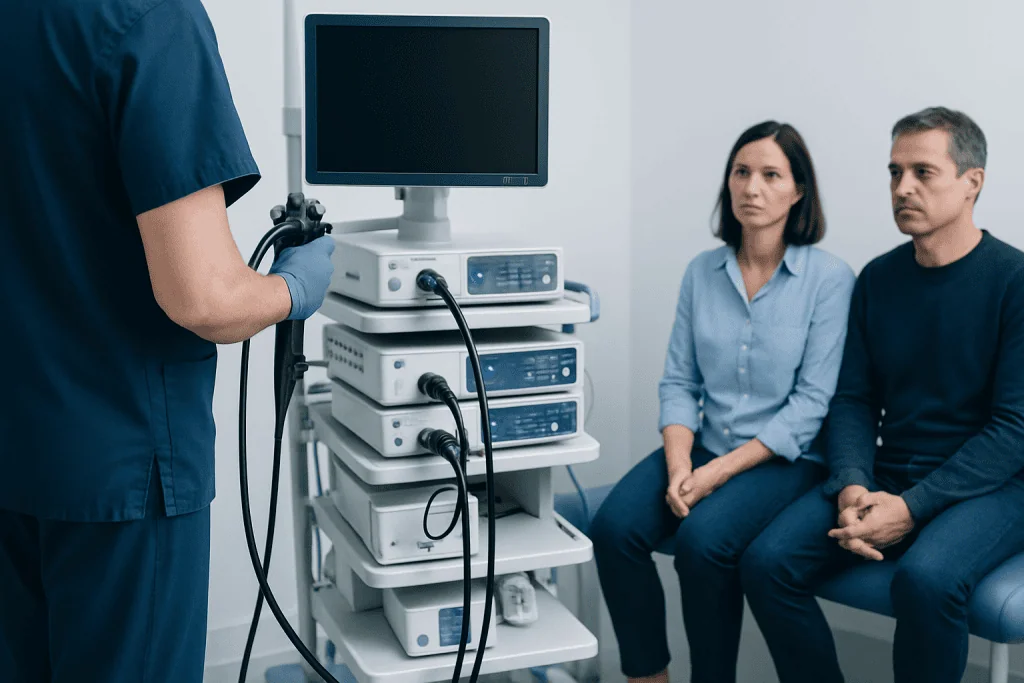
A referral to a neurogastroenterologist is often considered when digestive symptoms are frequent, disruptive, or difficult to explain. Symptoms may come and go, but they can still have a major effect on daily comfort, eating, sleep, work, and social life. The specialist’s role is to understand the symptom pattern in detail and decide whether it reflects a motility disorder, a disorder of gut-brain interaction, or another medical issue.
Common reasons for consultation include trouble swallowing, food feeling stuck, persistent heartburn, chest discomfort related to swallowing, nausea, vomiting, early fullness after small meals, bloating, abdominal pain, chronic diarrhea, chronic constipation, and difficulty with bowel emptying. Some people also seek care for fecal incontinence, recurrent belching, or unexplained digestive symptoms after surgery or infection.
- Ongoing acid reflux despite standard treatment
- Constipation lasting weeks to months or requiring frequent laxatives
- Bloating or abdominal distension that regularly returns
- Nausea, vomiting, or feeling full very quickly
- Difficulty swallowing or painful swallowing
- Abdominal pain associated with bowel changes
- Symptoms that worsen with stress but also have a physical pattern
These symptoms do not always point to a serious disease, but they do deserve proper assessment when they persist. In some cases, symptoms overlap with common conditions such as gastroesophageal reflux disease or nonulcer dyspepsia, and more specialized evaluation helps guide treatment.
Conditions linked to the gut-brain connection

The digestive system has its own network of nerves, often called the enteric nervous system. It works closely with the brain and spinal cord to regulate swallowing, stomach emptying, bowel movements, and the sensation of pain or fullness. When this communication is disrupted, symptoms can occur even when routine tests are normal.
One major group of problems is called disorders of gut-brain interaction. These include conditions such as irritable bowel syndrome, functional dyspepsia, functional heartburn, and some forms of chronic nausea. In these disorders, the digestive tract may be more sensitive than usual, may not move in a typical pattern, or may react strongly to meals, stress, infection, or hormonal changes.
Another group includes true motility disorders, where the muscles or nerves of the digestive tract do not coordinate normally. Examples include achalasia, gastroparesis, slow-transit constipation, and some forms of pelvic floor dysfunction. A neurogastroenterologist helps distinguish between these categories because treatment may differ significantly.
Some symptoms can also occur alongside diabetes, connective tissue disorders, neurologic conditions, prior abdominal surgery, medication side effects, or after a gastrointestinal infection. A careful evaluation looks beyond the gut alone and considers the whole person.
When should someone see a neurogastroenterologist?
It may be time to see a neurogastroenterologist when symptoms continue despite treatment from a primary care doctor or general gastroenterologist, or when the symptom pattern suggests a specialized motility problem. This does not mean routine care has failed. Rather, it means a more focused evaluation may help clarify the cause and next steps.
People often benefit from referral if they have ongoing reflux despite acid-suppressing therapy, severe constipation, repeated vomiting, unexplained bloating, difficulty swallowing, or abdominal pain with bowel changes that keeps returning. Specialist care may also be useful before considering advanced procedures or when symptoms are affecting nutrition, weight, hydration, or quality of life.
Urgent medical assessment is especially important if digestive symptoms occur with weight loss, anemia, vomiting blood, black stools, dehydration, fever, severe chest pain, progressive swallowing difficulty, or symptoms that wake a person repeatedly from sleep. These warning signs do not always indicate a serious condition, but they should not be ignored.
For international patients seeking coordinated care, Acibadem International’s multidisciplinary specialists in JCI-accredited hospitals diagnose and treat neurogastrointestinal conditions with individualized assessment and follow-up planning.
How diagnosis is made
Diagnosis starts with a detailed medical history. The doctor usually asks when symptoms began, what makes them better or worse, how they relate to meals or bowel habits, and whether there are warning signs such as weight loss or bleeding. Medication use, stress, past infections, neurologic disease, diabetes, and prior surgeries are also important because they can affect digestion and motility.
A physical examination is followed by testing based on the symptom pattern. Some people need basic blood tests, stool tests, or imaging first to rule out inflammation, infection, anemia, or structural disease. Others may need a more targeted work-up if there is concern about the esophagus, stomach, or bowel function.
Specialized tests can include upper endoscopy, colonoscopy, esophageal manometry, pH or impedance monitoring, gastric emptying studies, anorectal manometry, balloon expulsion testing, and transit studies. In selected cases, the specialist may also recommend endoscopy to check for visible disease, or a colonoscopy if bowel symptoms or age-appropriate screening make it appropriate.
The goal is not to order every test, but to choose the ones most likely to explain the symptoms. Just as importantly, the doctor interprets test results together with the person’s symptoms, because treatment decisions often depend on both.
Treatment options and ongoing management
Treatment depends on the diagnosis and may involve more than one approach. Many gut-brain and motility disorders improve with a combination of education, symptom tracking, meal planning, medicines, and strategies that support the nervous system’s regulation of digestion. Care is often individualized because the same diagnosis can affect different people in different ways.
Medication may be used to reduce acid, improve motility, ease nausea, regulate bowel movements, reduce spasm, or calm pain signaling in the gut. In some cases, the doctor may suggest dietary changes such as adjusting meal size, fiber intake, hydration, or trigger foods. A registered dietitian may be helpful, especially for bloating, constipation, or food-related symptom patterns.
Behavioral approaches can also be valuable. Stress does not mean symptoms are “just psychological,” but stress and sleep can influence gut sensitivity and motility. Techniques such as gut-directed behavioral therapy, relaxation training, and bowel habit retraining may be recommended as part of a full treatment plan.
When needed, advanced therapies or procedures may be considered. Depending on the condition, these can include testing and treatment for swallowing disorders, specialized reflux assessment, or procedures linked to gastroenterology care and [[TREATMENT-gerd-treatment|GERD treatment]]. The aim is to improve comfort, eating, bowel function, and daily quality of life while addressing the underlying mechanism as much as possible.
Self-care, preparation, and questions to ask
Before an appointment, it can help to keep a symptom diary for one to two weeks. Noting meals, bowel movements, pain, bloating, nausea, stress, sleep, and medications can reveal useful patterns. Bringing previous test results and a complete medication list can also make the visit more productive and may prevent duplicate testing.
General self-care measures may support treatment, although they should not replace medical advice when symptoms are severe or persistent. Useful habits often include eating regular meals, drinking enough fluids, staying physically active when possible, limiting late heavy meals if reflux is a problem, and taking medicines exactly as prescribed. Sudden, restrictive diets are usually best avoided unless recommended by a clinician.
Questions to ask may include: What diagnosis is most likely? Do symptoms suggest a motility disorder, a gut-brain disorder, or both? What tests are truly needed? What are the short-term and long-term treatment goals? If symptoms do not improve, what is the next step? These questions can help patients understand the plan and feel more involved in their care.
Frequently asked questions
Is a neurogastroenterologist different from a regular gastroenterologist?
Yes. A gastroenterologist treats many digestive conditions, while a neurogastroenterologist has additional expertise in disorders involving gut movement, sensation, and gut-brain communication. They are often consulted for complex, persistent, or hard-to-explain digestive symptoms.
What conditions does a neurogastroenterologist treat?
They commonly evaluate irritable bowel syndrome, functional dyspepsia, chronic constipation, swallowing disorders, reflux that is difficult to control, unexplained nausea, bloating, and motility disorders such as gastroparesis. Treatment depends on whether the problem is related to movement, sensitivity, or both.
Do gut-brain disorders mean the symptoms are not real?
No. These symptoms are real and can be very disruptive. The term means that signaling between the digestive system and the nervous system is contributing to symptoms, not that the person is imagining them.
What tests might be done at a neurogastroenterology visit?
Testing depends on the symptoms and may include blood work, stool tests, endoscopy, pH monitoring, motility studies, transit studies, or imaging. Not everyone needs specialized testing, and the doctor usually chooses tests based on the most likely causes.
Should someone see a neurogastroenterologist for chronic constipation?
It can be helpful, especially if constipation is severe, long-lasting, or not improving with standard measures. A specialist can assess whether the issue is related to slow colon transit, pelvic floor dysfunction, medication effects, or another underlying cause.
Can stress make digestive symptoms worse?
Yes. Stress can affect gut sensitivity, bowel habits, and symptom perception through the gut-brain connection. Even so, symptoms should still be properly evaluated, because stress may worsen an existing digestive disorder rather than fully explain it.
References
- National Institute of Diabetes and Digestive and Kidney Diseases
- American Gastroenterological Association
- American College of Gastroenterology
- International Foundation for Gastrointestinal Disorders
- National Institute for Health and Care Excellence
This article is for general information only and is not a substitute for professional medical advice. Please consult a qualified doctor about your individual situation.
Persistent digestive symptoms? Get evaluated in Turkey
JCI-accredited · board-certified surgeons · reply within 24h
Add us as a Preferred Source to see more of our trusted health content across Google Search, AI Overviews and Discover.

More from the Health Library



Related Specialists

Dr. Zeynep Sağırkaya
Occupational Medicine
Dt. Emrah Özmutlu
Oral Dental & Maxillofacial Surgery
Dr. Ömercan Yağız Öksüz
Aesthetic Plastic & Reconstructive Surgery
Dr. Cengiz Akbenlioğlu
Pediatrics