What Is a Tumor? Here Is What the Evidence Says

A tumor is a mass formed by abnormal cell growth, and it can be benign, premalignant, or malignant. Many tumors are harmless, but some can press on nearby organs, affect function, or represent cancer.
Key Takeaways
- A tumor is a mass formed by abnormal cell growth, and it can be benign, premalignant, or malignant.
- Many tumors are harmless, but some can press on nearby organs, affect function, or represent cancer.
- Warning signs depend on the location and may include a new lump, persistent pain, bleeding, weight loss, or neurological symptoms.
- Doctors diagnose tumors using a medical history, physical exam, imaging, laboratory tests, and often a biopsy.
- Treatment depends on the tumor type, location, size, symptoms, and whether it is cancerous.
A tumor is an abnormal growth of cells or tissue. Many tumors are benign, meaning they are not cancer, but any new, growing, or unexplained lump or internal mass should be evaluated to understand what it is and whether treatment is needed.
Overview: what is a tumor?
A tumor is an abnormal growth of cells or tissue. In simple terms, it forms when cells grow or survive in a way the body does not fully control. Importantly, a tumor is not automatically cancer. Many tumors are benign, which means they do not invade nearby tissues or spread to other parts of the body.
That said, some tumors are malignant, meaning they are cancerous and can grow into surrounding structures or spread elsewhere. Others may be premalignant, which means they are not cancer yet but have the potential to become cancer over time. This is why the word “tumor” describes a growth, not a diagnosis by itself.
Tumors can develop almost anywhere, including the skin, breast, brain, thyroid, bones, digestive tract, lungs, and reproductive organs. Some are felt as a lump under the skin, while others are found only on scans or during tests for unrelated symptoms. The next step is understanding what kind of tumor it is and whether it needs monitoring or treatment.
How tumors are classified
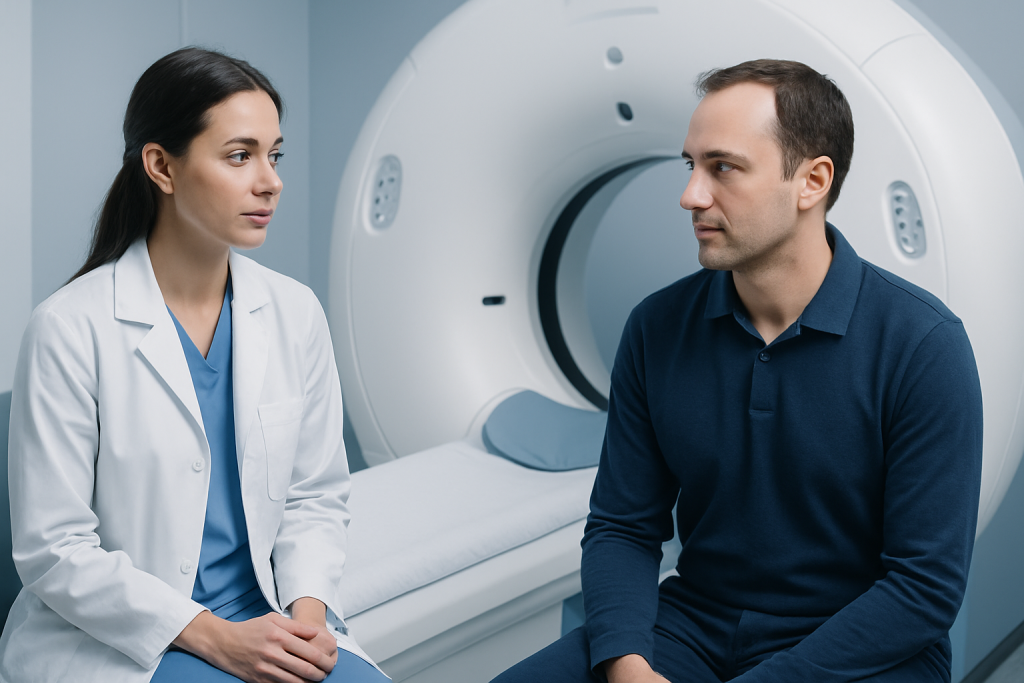
Doctors usually classify tumors by behavior and by the tissue they arise from. A benign tumor stays localized and does not spread to distant parts of the body. Even so, a benign tumor can still cause problems if it grows large, blocks an organ, bleeds, or presses on nerves or the brain.
A malignant tumor is cancer. These tumors can invade nearby tissues and may spread through the blood or lymphatic system. There are many cancer types, including carcinoma, sarcoma, lymphoma, and others, depending on the cells involved. If a tumor is suspected to be cancerous, doctors may discuss evaluation pathways related to cancer.
Classification also depends on where the tumor begins. For example, a growth in the breast, brain, colon, or ovary may have very different causes, symptoms, and treatment options. Pathology, which is the examination of tissue under a microscope, is often the most important step in telling one tumor type from another.
Some tumors are called cysts, nodules, masses, lesions, or polyps depending on their appearance and location. These terms do not always mean the same thing, but they all need clinical context. A doctor considers the size, shape, growth pattern, location, and tissue features before deciding what a growth most likely represents.
Symptoms and red flags to know

Tumor symptoms vary widely because they depend more on location than on the word “tumor” itself. A tumor near the skin may appear as a visible or palpable lump. A tumor inside the body may cause no symptoms at first and be discovered incidentally on imaging.
Possible symptoms can include a new lump, persistent swelling, ongoing pain, unexplained bleeding, changes in bowel or bladder habits, trouble swallowing, cough that does not go away, headaches, seizures, weakness, or unexplained weight loss. Fatigue and reduced appetite can occur with many conditions and are not specific to tumors, but they matter when they persist without a clear reason.
Red flags that deserve prompt medical review include a lump that is growing, hard, fixed in place, or associated with skin changes; bleeding from the rectum, vagina, or in the urine; persistent vomiting; new neurological symptoms such as seizures or vision changes; shortness of breath; or pain that keeps worsening. These signs do not prove cancer, but they do mean the cause should be assessed.
It is also important to remember that benign and malignant tumors can sometimes cause similar symptoms. For example, both can cause pressure effects, discomfort, or functional changes depending on where they are located. Because symptoms alone cannot reliably determine the type of tumor, medical evaluation is the safest way to clarify what is happening.
What causes tumors and who is at risk?
Tumors develop when normal controls on cell growth are disrupted. This can happen because of changes in genes, damage to DNA over time, chronic inflammation, hormone-related influences, or environmental exposures. In many people, no single cause can be identified, especially for benign tumors.
Risk factors differ by tumor type. Age is one of the most common, since genetic changes can accumulate over time. Family history may increase risk for certain tumors, especially when inherited syndromes are involved. Smoking, excessive alcohol use, obesity, some infections, radiation exposure, and long-term exposure to certain chemicals may also contribute in specific situations.
Some tumors are strongly linked to a particular organ system or disease process. For example, colon polyps may be related to colorectal cancer risk, while some uterine growths are influenced by hormones. A growth in the brain or nearby tissues may need evaluation in the context of brain tumor.
Having a risk factor does not mean a person will develop a tumor, and many people with tumors have no obvious risk factors at all. Risk helps doctors decide how urgently a growth should be investigated and which tests are most appropriate.
How doctors diagnose a tumor
Diagnosis usually starts with a medical history and physical examination. The doctor asks when the symptom began, whether a lump is growing, and whether there are associated issues such as pain, fever, bleeding, appetite change, or unexplained weight loss. They also review family history, medications, prior illnesses, and any exposure risks.
The next step often involves imaging or other tests based on the tumor’s location. These may include ultrasound, X-ray, mammography, CT, MRI, or endoscopy. Blood tests can sometimes help assess overall health or look for signs such as anemia, inflammation, or organ dysfunction, but blood tests alone usually cannot confirm what a tumor is.
In many cases, a biopsy is needed. This means taking a small sample of tissue so a pathologist can examine the cells under a microscope. Depending on the situation, doctors may recommend image-guided sampling, a biopsy, or removal of part or all of the mass. If advanced imaging is needed to define size or spread, they may use MRI or CT scan as part of the workup.
Once the results are available, the care team explains whether the tumor is benign, malignant, or uncertain and whether further tests are required. This step-by-step approach helps avoid assumptions. Rather than guessing from symptoms alone, doctors combine examination, imaging, and tissue analysis to reach the most accurate diagnosis possible.
Treatment options and what affects the plan
Treatment depends on the tumor type, location, size, growth rate, symptoms, and pathology findings. Some benign tumors do not need immediate treatment and can be monitored over time with repeat examinations or scans. This is often appropriate when a tumor is small, not causing symptoms, and not showing concerning features.
When treatment is needed, surgery is a common option, especially for tumors that are accessible, growing, or causing pressure effects. A surgeon may remove the entire tumor or part of it, depending on the goal and the surrounding anatomy. In some situations, tumor surgery is performed both to confirm the diagnosis and to relieve symptoms.
If the tumor is cancerous, treatment may involve one or more approaches such as surgery, radiation therapy, chemotherapy, targeted therapy, hormone therapy, or immunotherapy. The exact plan depends on the cancer type and stage. Follow-up care is also important to monitor recovery, treatment response, and any signs of recurrence.
Care is often multidisciplinary, meaning specialists from radiology, pathology, surgery, oncology, and other fields work together. Near the end of the diagnostic and treatment process, some patients seek coordinated care through centers such as Acibadem International, where multidisciplinary specialists in JCI-accredited hospitals evaluate and treat tumors for international patients.
When to seek medical care
Medical advice should be sought for any new lump or swelling that does not go away, any mass that appears to be growing, or any symptom that persists without a clear explanation. This is especially true when symptoms interfere with daily life, recur repeatedly, or are accompanied by other concerning changes.
Prompt evaluation is particularly important for red flags such as unexplained bleeding, persistent pain, ongoing vomiting, worsening headaches, seizures, weakness, difficulty breathing, trouble swallowing, or rapid, unintentional weight loss. These symptoms may have causes other than a tumor, but they deserve timely attention.
Emergency care is appropriate when symptoms are sudden or severe, such as new confusion, loss of consciousness, severe shortness of breath, chest pain, or neurological changes like difficulty speaking or one-sided weakness. For less urgent concerns, a primary care doctor or specialist can help determine which tests, if any, are needed.
Frequently asked questions
Is a tumor always cancer?
No. A tumor simply means an abnormal growth of cells or tissue. Many tumors are benign, while others are malignant or have the potential to become cancerous.
Can a benign tumor be dangerous?
Yes, sometimes. Even when a tumor is not cancer, it can still cause problems if it grows, presses on nearby organs, bleeds, blocks a passage, or affects the brain or nerves. The risk depends mainly on the tumor’s location and size.
What does a tumor feel like?
A tumor near the surface may feel like a lump, nodule, or area of swelling. It may be soft or firm, tender or painless, and movable or fixed. These features can help guide evaluation, but they cannot confirm whether it is benign or malignant.
How do doctors know if a tumor is benign or malignant?
Doctors use a combination of examination, imaging, and often a biopsy. Imaging can show the size and location, but tissue analysis by a pathologist is often needed to make the most reliable diagnosis.
Can a tumor go away on its own?
Some small lumps or inflammatory swellings may resolve if they are not true tumors. However, a confirmed tumor usually needs monitoring or treatment rather than being expected to disappear on its own. A doctor can help determine what kind of growth is present.
Should every tumor be removed?
Not always. Some benign tumors can be safely observed if they are not causing symptoms and do not show concerning changes. Others need removal because of size, growth, location, or suspicion of cancer.
References
This article is for general information only and is not a substitute for professional medical advice. Please consult a qualified doctor about your individual situation.
Oncology care in Turkey — second opinion and treatment plan
JCI-accredited · board-certified surgeons · reply within 24h
Add us as a Preferred Source to see more of our trusted health content across Google Search, AI Overviews and Discover.