What Is Acne? Causes, Explanations, and Next Steps

Acne happens when pores become blocked by oil, dead skin cells, and inflammation. It can appear as blackheads, whiteheads, pimples, deep lumps, or cysts on the face, chest, back, and shoulders.
Key Takeaways
- Acne happens when pores become blocked by oil, dead skin cells, and inflammation.
- It can appear as blackheads, whiteheads, pimples, deep lumps, or cysts on the face, chest, back, and shoulders.
- Hormones, genetics, skin products, friction, stress, and some medicines can all contribute.
- A doctor usually diagnoses acne by examining the skin and asking about symptoms, skin care, and medical history.
- Early treatment can help reduce discomfort, prevent scarring, and improve long-term skin health.
Acne is a very common and often harmless skin condition that develops when hair follicles become clogged with oil, dead skin cells, and inflammation. While many cases improve with time and skin care, some forms can be painful, leave scars, or signal a need for medical treatment.
Overview: What Is Acne?
What is acne? Acne is a very common skin condition that develops when hair follicles, often called pores, become blocked with oil, dead skin cells, and inflammatory material. It is often harmless and especially common during adolescence, but it can affect people of any age and may range from a few occasional spots to more persistent or deeper breakouts.
Acne does not happen because a person is “dirty,” and it is not simply a cosmetic issue. The skin naturally produces an oily substance called sebum that helps protect it. When sebum, skin-cell buildup, and bacteria interact inside the follicle, the pore can swell and form blackheads, whiteheads, inflamed pimples, or deeper tender lumps.
Many cases improve with time or basic skin care, which can be reassuring. However, medical review is important if acne is painful, widespread, leaves dark marks or scars, suddenly becomes severe, or begins alongside symptoms such as irregular periods or excess facial hair. A doctor can usually diagnose acne by examining the skin, identifying the type of lesions present, and asking about medicines, hormones, skin products, and family history.
How Acne Looks and Feels
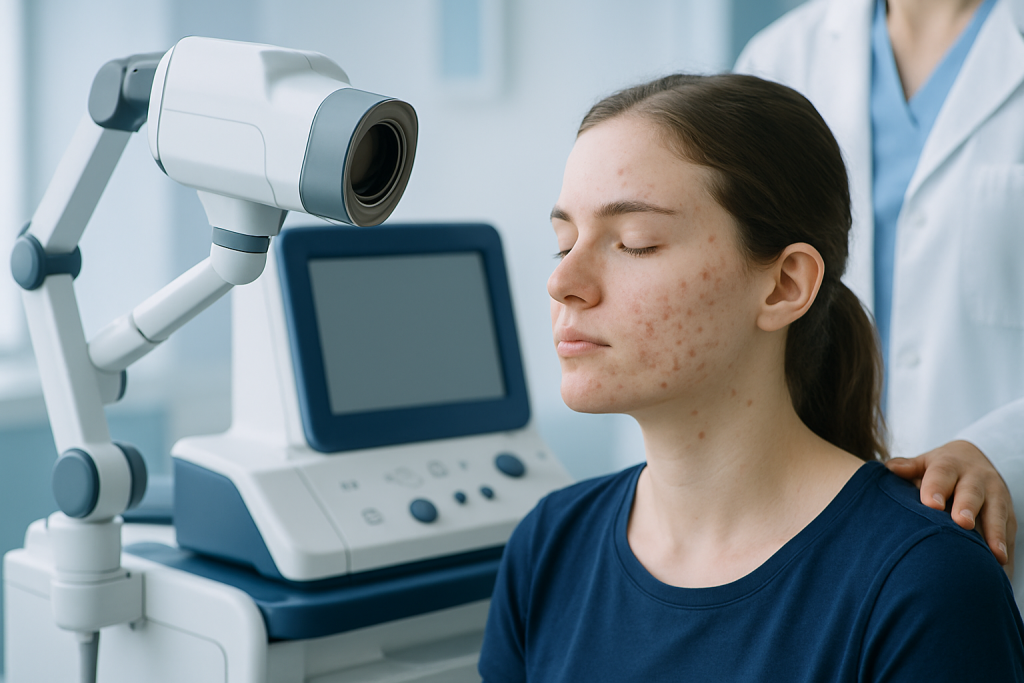
Acne can appear in several forms, and different people may have more than one type at the same time. Some lesions stay close to the skin surface, while others are deeper and more inflamed. The face is the most common site, but acne also often affects the chest, shoulders, upper back, and sometimes the neck.
Blackheads are open clogged pores that look dark because the material inside is exposed to air. Whiteheads are closed clogged pores with a small white or flesh-colored bump. Papules and pustules are the red, tender bumps often thought of as “pimples,” while nodules and cyst-like lesions form deeper under the skin and can be painful.
- Blackheads: small open clogged pores
- Whiteheads: small closed clogged pores
- Papules: red, inflamed bumps
- Pustules: pimples containing visible pus
- Nodules: larger, firm, deeper bumps
- Cyst-like lesions: deep, tender, swollen lesions that may scar
Acne can also affect quality of life even when it is not medically dangerous. Some people feel self-conscious, frustrated, or distressed by persistent breakouts or marks left behind after spots heal. This emotional impact is also a valid reason to discuss treatment with a qualified doctor.
What Causes Acne?

Acne develops through a combination of processes in the skin rather than one single cause. The follicle lining can shed cells in a way that makes pores more likely to clog. At the same time, sebaceous glands may produce more oil, especially under the influence of hormones. Bacteria that normally live on the skin can multiply within the blocked follicle, contributing to inflammation.
Hormonal shifts are a major reason acne is so common in puberty, but hormone-related breakouts can also affect adults. Menstrual cycles, pregnancy, and conditions that increase androgen activity may all play a role. Genetics also matter: if close family members had significant acne, a person may be more likely to develop it.
Some factors do not directly cause acne on their own but can worsen it. These include occlusive or greasy skin products, friction from helmets or tight clothing, frequent touching or picking, stress, and certain medicines such as corticosteroids or some hormone-related treatments. Diet is more complex; while some people notice flares with certain foods, acne is not simply caused by eating chocolate or greasy meals.
Acne is different from other skin conditions that can look similar, such as rosacea, folliculitis, or perioral dermatitis. This is one reason proper assessment matters when spots are persistent, unusual, or not responding to standard care.
Who Is More Likely to Get Acne?
Acne can affect infants, teenagers, and adults, but it is especially common in adolescents because of normal hormonal changes. Adult acne is also common, particularly in women, and may be linked to hormonal fluctuations, cosmetics, stress, or an underlying endocrine issue in some cases.
Several risk factors make acne more likely or more persistent. These include a family history of acne, oily skin, living in a hot or humid climate, and exposure to products that clog pores. Repeated pressure or rubbing on the skin, such as from sports gear, masks, or backpack straps, may trigger breakouts in certain areas.
People with darker skin tones may be especially concerned about post-inflammatory hyperpigmentation, which refers to dark marks left after spots heal. Others may be more prone to scarring, particularly if acne is deep, inflamed, or frequently squeezed. Recognizing these patterns early can help guide treatment choices and protect long-term skin appearance.
How Doctors Diagnose Acne
Doctors usually diagnose acne by examining the skin. In most cases, no special test is needed. The doctor looks at the type of lesions present, where they appear, how widespread they are, and whether there are signs of complications such as scarring, discoloration, or infection.
During the visit, the doctor may ask when the breakouts started, what makes them better or worse, what skin products are being used, and whether there is a family history of acne. They may also ask about periods, pregnancy, excess hair growth, recent stress, and any prescription or over-the-counter medicines that could affect the skin.
Tests may be considered if acne is severe, sudden, resistant to treatment, or accompanied by symptoms suggesting a hormonal problem. In those cases, doctors may evaluate for conditions such as androgen excess or other endocrine disorders. If the diagnosis is uncertain, they may also consider whether another condition is mimicking acne.
For persistent, severe, or scarring cases, assessment by a dermatology specialist can help tailor treatment and reduce the chance of long-term marks.
Treatment Options for Acne
Acne treatment depends on the type and severity of lesions, the patient’s age, skin sensitivity, risk of scarring, and personal treatment goals. Mild acne may improve with consistent use of non-comedogenic skin care and over-the-counter products. More inflamed or persistent acne often needs prescription treatment.
Common treatments include topical retinoids, benzoyl peroxide, azelaic acid, topical antibiotics, and other prescription creams or gels. For more widespread inflammatory acne, doctors may recommend oral medicines such as antibiotics for limited periods or hormone-targeting treatments in appropriate patients. Deep nodules, cyst-like lesions, or acne with scarring may need stronger medical therapy and closer follow-up.
Treatment usually takes time. It is common not to see clear improvement for several weeks, and temporary irritation can occur when starting certain products. A doctor can help adjust a routine to improve effectiveness while protecting the skin barrier.
When acne leaves lingering marks or texture changes, additional skin-focused care may help after active breakouts are controlled. Depending on the pattern, a doctor may discuss options through medical dermatology and cosmetology or, in select cases, laser treatment for scar-related concerns.
Self-care, Prevention, and Skin Habits That Help
Good skin habits can support treatment, but they do not need to be harsh. Gentle cleansing once or twice daily and after sweating is usually enough. Scrubbing, frequent washing, or using strong alcohol-based products can irritate the skin and sometimes make acne seem worse.
Choosing non-comedogenic moisturizers, sunscreens, and makeup can reduce the chance of clogged pores. It also helps to avoid picking or squeezing spots, since this can increase inflammation, infection risk, and the likelihood of scars or dark marks. Hair products should be kept away from the face if they are oily or waxy.
Self-care measures that may help include:
- Use a gentle cleanser and lukewarm water
- Apply acne treatments consistently as directed
- Choose oil-free or non-comedogenic skin products
- Remove makeup before sleep
- Shower after heavy sweating
- Avoid picking, squeezing, or harsh exfoliation
If breakouts seem linked to stress, sleep disruption, or repeated friction from sports equipment or face coverings, addressing those triggers may also help. For people with recurrent or scarring acne, early professional guidance is often more effective than changing products repeatedly without a clear plan.
When to Seek Medical Care
Many mild cases of acne can be monitored and treated with simple skin care, but medical advice is sensible if acne is painful, widespread, deep, or leaving scars. A person should also seek review if over-the-counter treatment has not helped after a reasonable trial, or if acne is causing significant distress or affecting daily confidence.
Prompt medical assessment is especially important when breakouts begin suddenly and severely, occur with irregular periods, excess facial or body hair, scalp hair thinning, or other signs of hormonal imbalance, or when painful lumps keep returning. Medical care is also needed if there is swelling, warmth, fever, or drainage suggesting possible infection rather than routine acne.
Doctors can also help distinguish acne from similar-looking disorders, including eczema in irritated facial skin patterns or other inflammatory conditions. Near the end of the care pathway, some patients may benefit from multidisciplinary support; Acibadem International’s specialists in dermatology work in JCI-accredited hospitals to diagnose and treat skin conditions for international patients.
Frequently asked questions
Is acne a disease or just a normal part of growing up?
Acne is a medical skin condition, even though it is very common during adolescence. It can also affect adults and may need treatment if it is persistent, painful, or likely to scar.
What is the main cause of acne?
There is no single cause. Acne usually develops when pores become blocked with oil and dead skin cells, then become inflamed, often with a contribution from skin bacteria and hormonal changes.
Can adults get acne too?
Yes, adult acne is common. It may be linked to hormones, family history, skin products, stress, or other individual factors, and it can appear even in people who did not have much acne as teenagers.
Does poor hygiene cause acne?
No, acne is not caused by being unclean. In fact, aggressive washing or scrubbing can irritate the skin and make symptoms harder to manage.
How long does acne treatment take to work?
Most acne treatments need time and regular use before improvement becomes clear. Many people need several weeks to notice changes, and a doctor may adjust the plan if the skin becomes irritated or the acne is not improving.
When should someone see a doctor for acne?
A doctor should be seen if acne is severe, painful, leaving scars, or not improving with basic treatment. Medical review is also important if breakouts start suddenly, seem linked to hormonal symptoms, or are causing emotional distress.
References
- American Academy of Dermatology
- National Institute of Arthritis and Musculoskeletal and Skin Diseases
- Mayo Clinic
- NHS
- MedlinePlus
This article is for general information only and is not a substitute for professional medical advice. Please consult a qualified doctor about your individual situation.
Acne in Turkey — costs, top hospitals & a free quote
JCI-accredited · board-certified surgeons · reply within 24h
Add us as a Preferred Source to see more of our trusted health content across Google Search, AI Overviews and Discover.