What Is an Infectious Disease? A Clear Patient Guide

Infectious diseases are caused by germs including viruses, bacteria, fungi, and parasites. Symptoms vary widely and may include fever, cough, diarrhea, rash, pain, or fatigue.
Key Takeaways
- Infectious diseases are caused by germs including viruses, bacteria, fungi, and parasites.
- Symptoms vary widely and may include fever, cough, diarrhea, rash, pain, or fatigue.
- Diagnosis often involves a medical history, examination, and tests such as blood work or swabs.
- Treatment depends on the cause and may include supportive care, antibiotics, antivirals, or antifungal medicines.
- Hand hygiene, vaccination, food safety, and avoiding exposure help prevent many infections.
An infectious disease is an illness caused by harmful microorganisms such as viruses, bacteria, fungi, or parasites. Some infections spread from person to person, while others come from food, water, animals, insects, or the environment.
Overview
An infectious disease is a condition caused by microorganisms that enter the body, multiply, and trigger illness. These microorganisms include viruses, bacteria, fungi, and parasites. Many infections are mild and short-lived, while others can be more serious and need prompt medical care.
Not every exposure to a germ leads to illness. The body has natural defenses, known as the immune system, that often prevent infection or reduce its severity. How a person responds depends on factors such as age, overall health, vaccination status, and whether they have other medical conditions.
Infectious diseases can affect almost any part of the body. They may involve the lungs, gut, skin, urinary tract, brain, blood, or other organs. Familiar examples include colds, influenza, COVID-19, food poisoning, urinary tract infections, and some skin infections.
Some infectious diseases spread easily between people, while others do not. Understanding how infections start, what symptoms they cause, and when to seek help can support early diagnosis, appropriate treatment, and safer recovery.
How infectious diseases spread
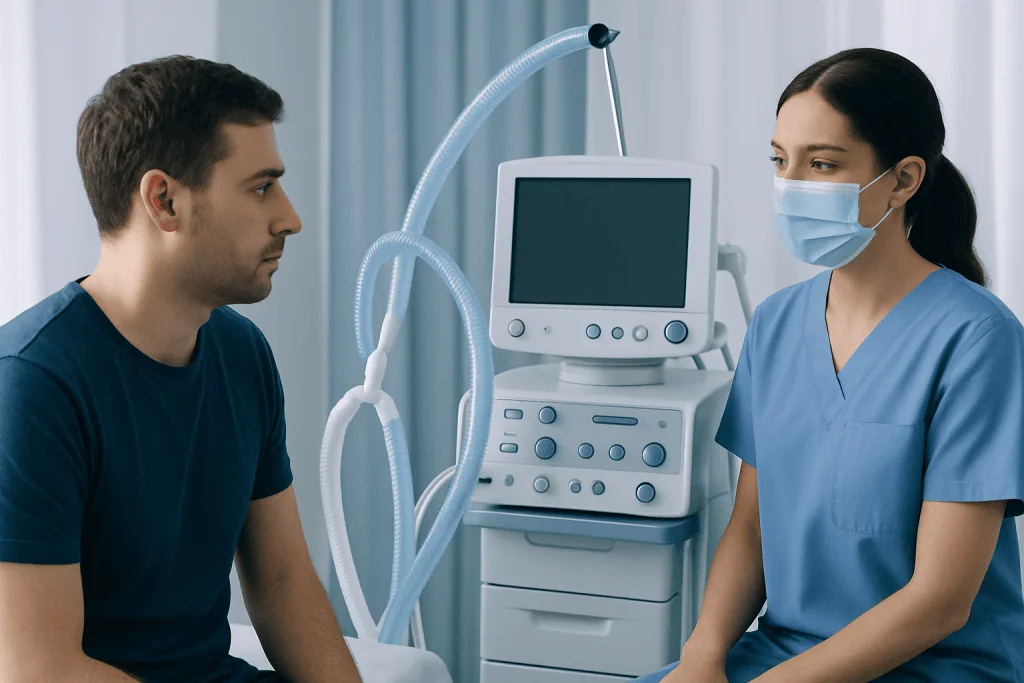
Germs can spread in several different ways. Respiratory infections may pass through droplets or small particles released when a person coughs, sneezes, speaks, or breathes closely near others. Other infections spread through direct contact with skin, saliva, blood, or bodily fluids.
Food and water can also carry infectious organisms. This may happen if food is undercooked, handled unsafely, or contaminated during preparation. Some infections are acquired from touching contaminated surfaces and then touching the eyes, nose, or mouth, although this is not the main route for every germ.
Animals and insects can transmit certain infections. Mosquitoes, ticks, and other vectors may carry disease-causing organisms from one host to another. Travel, crowded settings, poor sanitation, and close contact with someone who is sick can all increase the chance of exposure.
Common routes of spread include:
- Respiratory droplets or airborne particles
- Direct physical contact
- Contaminated food or water
- Blood or bodily fluids
- Insect or animal bites
- Contact with contaminated objects or surfaces
Symptoms of infectious disease
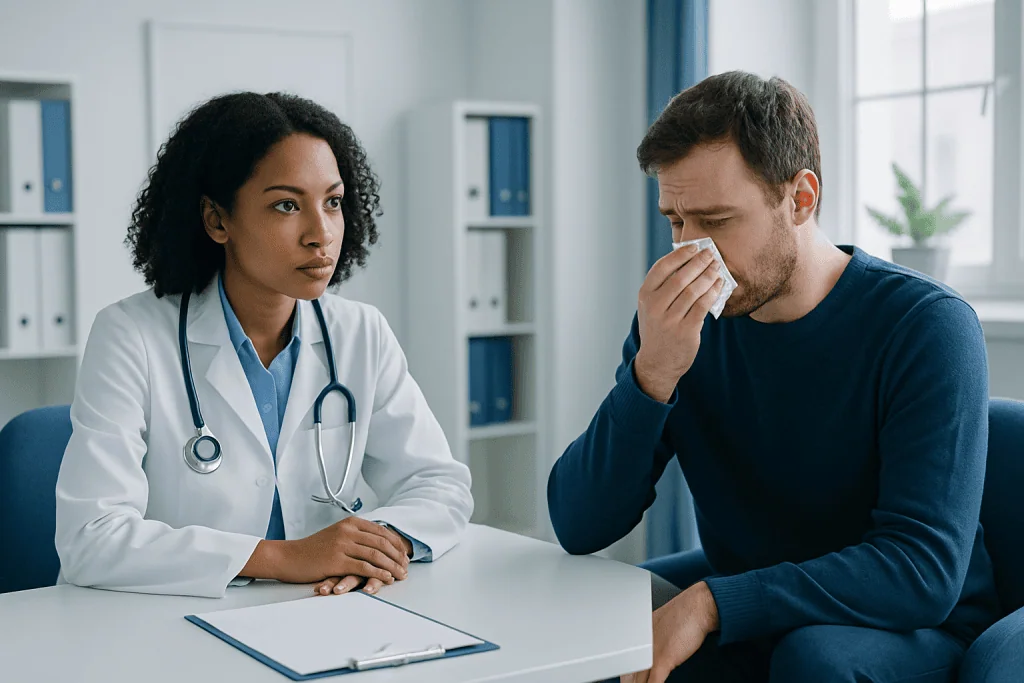
Symptoms depend on the type of germ, the affected body part, and the person’s immune response. Some infections cause very general symptoms, while others create a more specific pattern. A mild viral illness may bring tiredness and a sore throat, while a bacterial skin infection may cause redness, warmth, and swelling in one area.
Common symptoms of infection include fever, chills, cough, sore throat, runny nose, headache, body aches, fatigue, vomiting, diarrhea, abdominal pain, painful urination, rash, and swollen glands. In some people, especially older adults or those with weakened immune systems, symptoms may be less typical.
Severity can range from barely noticeable to serious. Dehydration, breathing difficulty, confusion, severe pain, or a rapidly worsening rash can suggest a more urgent problem. Some infections also become chronic, meaning they last a long time or come back repeatedly.
Because symptoms often overlap, it is not always possible to tell the cause based on symptoms alone. For example, cough and fever may occur with several different infections, including pneumonia or viral respiratory illnesses. A medical assessment helps clarify the diagnosis when symptoms are persistent, severe, or unusual.
Causes and risk factors
The direct cause of an infectious disease is invasion by a disease-causing organism. Viruses need living cells to reproduce, bacteria can multiply on their own, fungi often affect the skin or lungs, and parasites live in or on the body. The type of organism influences how the infection behaves and what treatment may work.
Several factors can increase a person’s risk of getting an infection or becoming more unwell from it. These include very young or older age, pregnancy, diabetes, chronic lung disease, kidney disease, cancer treatment, organ transplantation, and medicines that weaken the immune system. Poor nutrition, lack of sleep, and high stress may also affect resistance to illness.
Environmental and lifestyle factors matter too. Close contact with sick people, living or working in crowded conditions, recent travel, unsafe sex, poor hand hygiene, contaminated food, and exposure to unclean water can all raise infection risk. Hospital stays and invasive devices such as catheters may also increase the chance of certain infections.
Some infections are more likely after specific exposures. For example, a tick bite may transmit a vector-borne infection, and contact with contaminated food may lead to a gastrointestinal illness. In other situations, an infection can develop as a complication of another condition, such as meningitis after certain bacterial or viral infections.
How doctors diagnose infectious diseases
Diagnosis begins with a careful medical history and physical examination. The doctor may ask when symptoms started, whether there has been travel, contact with sick people, recent antibiotic use, vaccination history, or possible food, animal, or insect exposure. These details often provide important clues.
Testing depends on the suspected infection. Common tests include blood tests, urine tests, throat swabs, nasal swabs, sputum samples, stool tests, or cultures to identify the organism. In some cases, rapid antigen or molecular tests are used to detect a virus or bacteria more quickly.
Imaging may be needed if an infection is suspected in the lungs, abdomen, bones, or other internal organs. A chest X-ray or other scan can help when symptoms suggest a deeper infection. If complications are possible, the doctor may arrange additional monitoring or specialist review.
Correct diagnosis matters because different causes need different treatment approaches. A viral illness often improves with supportive care, while a bacterial infection may require antibiotic treatment when clinically appropriate. Avoiding unnecessary medicines is also important, especially to reduce side effects and antibiotic resistance.
Treatment options
Treatment depends on the cause, the body area involved, and how severe the illness is. Many mild infections improve with rest, fluids, fever control, and time. Supportive care remains important even when specific medication is needed, because it helps the body recover and lowers the risk of dehydration or other complications.
Doctors may prescribe medicines that target the underlying organism. Bacterial infections may need antibiotics, certain viral illnesses may be treated with antiviral treatment, fungal infections may need antifungal medicines, and parasitic infections may require antiparasitic drugs. The choice is based on the suspected or confirmed cause rather than symptoms alone.
Some infections need treatment in hospital, especially if they cause breathing problems, severe dehydration, confusion, low blood pressure, or signs of spread through the body. Intravenous fluids, oxygen, isolation precautions, or close monitoring may be required. Infections such as sepsis need urgent specialist care.
Follow-up can be an important part of treatment. A doctor may want to confirm that symptoms are improving, review test results, or adjust medicines if needed. Near the end of the care journey, patients may also be supported by multidisciplinary teams; Acibadem International’s specialists at JCI-accredited hospitals diagnose and treat infectious diseases for international patients when appropriate.
Prevention and self-care
Many infectious diseases can be prevented with simple everyday habits. Washing hands well with soap and water, especially before eating and after using the toilet, remains one of the most effective steps. Alcohol-based hand sanitizer can be useful when soap and water are not available.
Vaccination is another key way to reduce the risk of many serious infections. Recommended vaccines vary by age, health status, travel plans, and local guidance. Staying up to date can help protect both the individual and the wider community, especially people who are more vulnerable to complications.
Food safety and respiratory hygiene also matter. Cooking food thoroughly, storing it safely, drinking clean water, covering coughs and sneezes, and staying home when unwell can reduce spread. Safer sex practices, insect-bite prevention, and careful wound care also help lower the risk of infection.
Useful prevention measures include:
- Frequent handwashing
- Keeping vaccinations current
- Avoiding close contact when sick
- Cleaning and covering cuts
- Using safe food preparation practices
- Drinking safe water
- Following travel health advice
- Seeking medical advice early if symptoms are worsening
When to see a doctor
It is sensible to seek medical advice if symptoms are severe, do not improve, or keep coming back. A doctor should also be consulted if there is a high fever, significant weakness, dehydration, persistent vomiting, a spreading rash, or symptoms after recent travel or an animal or insect bite. People with weakened immune systems, pregnant women, infants, and older adults often need earlier assessment.
Urgent medical help is needed for warning signs such as trouble breathing, chest pain, confusion, seizures, blue lips, severe headache with neck stiffness, fainting, or signs of severe dehydration. These symptoms do not always mean a serious infection, but they should not be ignored.
It is also important to contact a healthcare professional if symptoms worsen after initial improvement or if a person is not responding as expected to treatment. Completing prescribed medicines exactly as directed and attending follow-up appointments can support safe recovery.
Early assessment can be reassuring as well as practical. It helps identify whether symptoms are likely to settle with home care or whether more targeted evaluation is needed, such as testing for respiratory, gastrointestinal, urinary, or bloodstream infections.
Frequently asked questions
What is an infectious disease in simple terms?
An infectious disease is an illness caused by germs such as viruses, bacteria, fungi, or parasites. These germs can enter the body, multiply, and lead to symptoms such as fever, cough, diarrhea, rash, or pain.
Are all infectious diseases contagious?
No, not all infectious diseases spread directly from person to person. Some come from contaminated food or water, insect bites, animals, or environmental exposure rather than close contact with another person.
What are the most common signs of infection?
Common signs include fever, tiredness, chills, cough, sore throat, body aches, vomiting, diarrhea, painful urination, redness, swelling, or rash. The exact symptoms depend on which part of the body is affected and what type of germ is causing the illness.
How do doctors know if an infection is viral or bacterial?
Doctors use a combination of symptoms, physical examination, medical history, and tests such as swabs, blood tests, urine tests, or cultures. In some cases, the cause is clear, but at other times laboratory testing is needed to guide treatment.
Do infectious diseases always need antibiotics?
No. Antibiotics only work against bacterial infections and do not treat viral illnesses such as the common cold or many cases of flu. Using antibiotics only when necessary helps avoid side effects and reduces antibiotic resistance.
Can infectious diseases be prevented?
Many can be prevented or the risk can be reduced. Good hand hygiene, vaccination, food safety, safe water, respiratory etiquette, and avoiding known sources of exposure are all important preventive measures.
References
- World Health Organization
- Centers for Disease Control and Prevention
- National Health Service
- Mayo Clinic
- European Centre for Disease Prevention and Control
This article is for general information only and is not a substitute for professional medical advice. Please consult a qualified doctor about your individual situation.
Explore treatments in Turkey — costs, top hospitals & a free quote
JCI-accredited · board-certified surgeons · reply within 24h
Add us as a Preferred Source to see more of our trusted health content across Google Search, AI Overviews and Discover.