

What Is Blue Light? Here Is What the Evidence Says

Blue light is a high-energy part of the visible light spectrum and is present naturally in daylight. Sunlight is generally a much stronger source of blue light exposure than digital screens.
Key Takeaways
- Blue light is a high-energy part of the visible light spectrum and is present naturally in daylight.
- Sunlight is generally a much stronger source of blue light exposure than digital screens.
- Current evidence does not show that normal screen use causes retinal damage in healthy eyes.
- Evening blue light can affect the body clock and make it harder for some people to fall asleep.
- Screen-related eye discomfort is often linked to dry eyes, glare, close viewing, and reduced blinking rather than blue light alone.
- Persistent vision changes, eye pain, flashes, or sudden loss of vision need prompt medical assessment.
Blue light is a natural part of visible light, found most abundantly in sunlight and also emitted by LEDs, phones, computers, and tablets. Everyday exposure is usually harmless, but blue light late in the day can delay sleep, while prolonged screen use may contribute to eye discomfort through factors such as reduced blinking and close focusing.
What Is Blue Light?
Blue light is a portion of visible light, meaning it is light that the human eye can see. It has a relatively short wavelength and higher energy than colors such as red or yellow. Blue light is not inherently harmful: it is a normal part of daylight and helps regulate alertness, mood, and the body’s internal sleep-wake timing.
Most blue light exposure comes from the sun. Artificial sources include LED lighting, fluorescent lamps, televisions, smartphones, tablets, and computer monitors. These devices produce far less blue light than daylight, although people may view screens at close range for long periods, particularly in the evening. For most people, ordinary blue light exposure from screens is not a medical danger.
The main evidence-based concerns around blue light relate to sleep timing and visual comfort, rather than permanent eye damage from everyday device use. Individual experiences differ. Someone who works late on screens, has dry eyes, experiences migraines, or has an existing eye condition may notice more symptoms than someone with shorter or more comfortable screen habits.
What Does Blue Light Do to the Body?
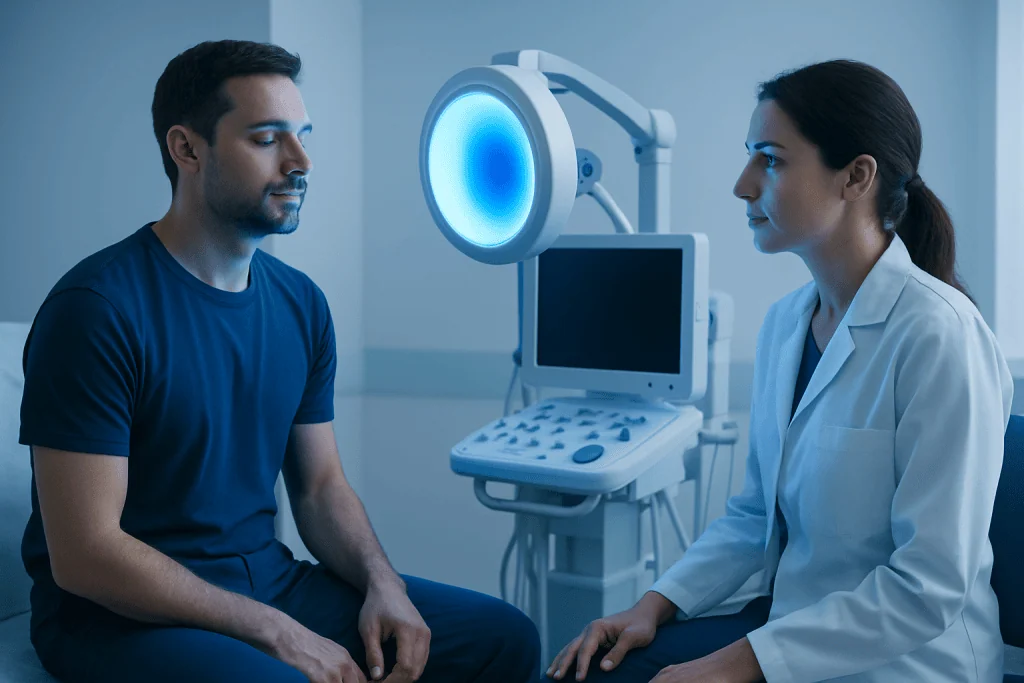
Blue light plays an important role in circadian rhythm, the internal process that helps coordinate sleep, wakefulness, hormone release, and other daily functions. Specialized light-sensitive cells in the retina respond particularly strongly to blue-enriched light. Morning and daytime light exposure can support alertness and help keep the body clock aligned with a regular day-night schedule.
At night, bright light exposure can suppress melatonin, a hormone involved in preparing the body for sleep. Blue-rich light may have a stronger effect on this system than some other wavelengths. This does not mean that one evening on a phone will cause illness, but repeated late-night screen use or bright indoor lighting may delay sleep onset or reduce sleep quality in people who are sensitive to it.
Blue light is also used in certain clinical settings. For example, carefully controlled blue-light phototherapy can treat newborn jaundice under medical supervision. This is different from consumer screen exposure and should not be confused with unregulated light-based products. Medical light treatments use specific wavelengths, intensities, durations, and safety measures for defined health purposes.
Blue Light, Screens, and Eye Strain
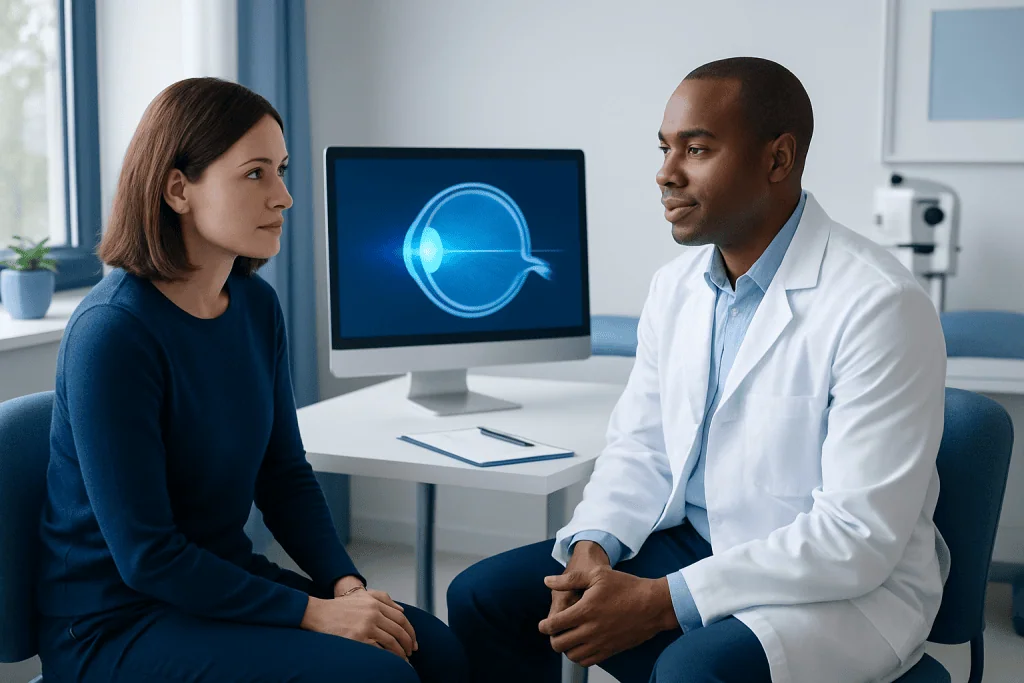
Many people experience tired, dry, irritated, or blurred eyes after prolonged device use. These symptoms are often called digital eye strain or computer vision syndrome. Although blue light may be discussed in relation to these symptoms, research suggests that the discomfort is usually multifactorial. Reduced blinking, dry air, glare, poor contrast, small text, uncorrected vision problems, and prolonged close focusing are common contributors.
When looking at a screen, people tend to blink less completely and less often. This can allow tears to evaporate, causing burning, grittiness, watering, or fluctuating vision. Holding a device too close, using it in a dark room, or working for long periods without breaks can increase the strain on the focusing system of the eyes. Headaches and neck or shoulder discomfort may also occur because of posture and visual effort.
Current evidence does not support the idea that standard digital screens cause retinal damage or age-related macular degeneration in healthy people through blue-light exposure. The intensity of blue light from consumer devices is much lower than sunlight. However, protecting the eyes from intense sunlight with appropriate sunglasses and avoiding direct viewing of bright light sources remain sensible eye-safety measures.
Who May Notice Symptoms More Easily?
People who already have dry eye disease, allergies, contact lens discomfort, refractive errors, migraine, or sleep difficulties may be more likely to notice problems around screen use. Children and teenagers may also be affected by evening device habits because sleep is important for learning, mood, and development. A regular bedtime routine and daytime outdoor activity can be helpful for the whole family.
Individuals who work on computers for several hours a day may develop symptoms because of their work environment rather than the screen itself. Reflections from windows, overhead lighting, air conditioning, an incorrectly positioned monitor, or an outdated glasses prescription can all affect visual comfort. Persistent symptoms should not automatically be attributed to blue light, because they may have another treatable cause.
People with diagnosed retinal conditions, recent eye surgery, or new visual symptoms should follow the advice of their ophthalmologist. Those with chronic dry, sore, or watery eyes may benefit from assessment for dry eye syndrome or other surface-eye conditions. An eye professional can help distinguish screen-related discomfort from conditions that need specific treatment.
Practical Ways to Reduce Sleep and Eye Discomfort
For visual comfort, regular breaks are often more useful than focusing only on blue-light filtering. A commonly used approach is the 20-20-20 habit: about every 20 minutes, look at something approximately 20 feet away for 20 seconds. Blinking deliberately during screen work, increasing text size, keeping the screen at a comfortable distance, and reducing glare can also help.
A screen should generally be positioned slightly below eye level and adjusted so that text is easy to read without squinting. Room lighting should be comfortable rather than extremely bright or very dark. People who use glasses or contact lenses should have their prescription checked as recommended, particularly if they have headaches, blurred vision, or difficulty focusing.
To support sleep, it may help to reduce bright screens and intense indoor lighting in the hour or two before bed, especially for people who notice that devices keep them awake. Night-mode settings can make a screen appear warmer, but they do not replace limiting stimulating content, maintaining a consistent sleep schedule, or creating a calmer bedtime routine. Blue-light-filtering glasses may feel comfortable for some users, but evidence that they prevent digital eye strain or improve sleep is limited and mixed.
When to Seek Medical Care
Most temporary screen-related eye discomfort improves with rest, better ergonomics, and attention to dry-eye symptoms. Medical review is appropriate when symptoms persist despite these changes, interfere with work or daily activities, or occur repeatedly. An optometrist or ophthalmologist can assess vision, eye alignment, focusing ability, tear film health, and the need for glasses or other care.
Prompt assessment is important for sudden vision loss, a curtain or shadow across vision, new flashes of light, a sudden increase in floaters, severe eye pain, marked redness, light sensitivity, double vision, eye injury, or severe headache with visual changes. These symptoms are not usually caused by ordinary blue-light exposure and may point to an eye or neurological problem that needs timely attention.
During an evaluation, a clinician may ask about screen habits, sleep patterns, medications, contact lens use, workplace setup, and any history of eye disease. Testing may include visual acuity, refraction, eye pressure measurement, examination of the front surface of the eye, and dilation to inspect the retina when indicated. This helps identify whether symptoms are related to dry eyes, refractive error, migraine, infection, or another condition.
A Balanced Approach to Blue Light
Blue light is a normal and useful part of the environment, not something that needs to be completely avoided. Daytime exposure to natural light can support circadian health, while sensible limits on bright evening light may help people who struggle to fall asleep. The most practical goal is usually to use screens comfortably and intentionally rather than to eliminate them.
Healthy screen habits include taking visual breaks, using appropriate lighting, keeping up with routine eye examinations, and protecting sleep time. If a person has persistent eye discomfort, changing vision, or sleep problems, a qualified clinician can help identify the contributing factors and recommend an individualized plan.
Acibadem International’s multidisciplinary specialists and JCI-accredited hospitals assess eye and sleep-related concerns for international patients, including symptoms that may be mistaken for simple screen fatigue. A professional assessment can provide reassurance and identify treatable causes when symptoms do not settle with self-care.
Frequently asked questions
Is blue light from screens harmful to the eyes?
For most people, normal use of phones, tablets, and computers is not known to cause retinal damage. Screens can still contribute to eye discomfort because people blink less, focus at close distances for long periods, and may work with glare or an unsuitable prescription.
Is sunlight a stronger source of blue light than a phone?
Yes. Daylight, especially direct sunlight, is generally a much more intense source of blue light than digital devices. Eye protection from bright sunlight is important, while ordinary screen use is more often associated with comfort and sleep issues than light-related injury.
Can blue light make it difficult to sleep?
Bright blue-enriched light in the evening can delay the body’s natural melatonin response and make sleep harder for some people. Reducing bright screens before bed, dimming lights, and keeping a regular sleep schedule may help.
Do blue-light-blocking glasses work?
Blue-light-filtering glasses may feel more comfortable to some people, but research has not consistently shown that they prevent digital eye strain or improve sleep. Addressing screen breaks, glare, dryness, posture, and late-night device use is usually more important.
Why do my eyes burn or water when I use a computer?
Burning, watering, or gritty eyes during computer use often result from reduced blinking and tear evaporation. Dry eye disease, contact lenses, allergies, and environmental factors can also contribute, so persistent symptoms should be assessed by an eye professional.
When should vision symptoms be checked urgently?
Urgent care is needed for sudden vision loss, new flashes or many floaters, a dark curtain in the visual field, severe eye pain, significant redness, or vision changes after an injury. These signs are not typical of routine screen-related eye strain and should be evaluated promptly.
References
- American Academy of Ophthalmology
- American Optometric Association
- National Eye Institute
- Centers for Disease Control and Prevention
- Sleep Foundation
This article is for general information only and is not a substitute for professional medical advice. Please consult a qualified doctor about your individual situation.
Explore treatments in Turkey — costs, top hospitals & a free quote
JCI-accredited · board-certified surgeons · reply within 24h
Add us as a Preferred Source to see more of our trusted health content across Google Search, AI Overviews and Discover.

More from the Health Library



Related Specialists

Dr. Tarık Elri
Nuclear Medicine
Dr. Okan Acicbe
Aesthetic Plastic & Reconstructive Surgery
Prof. Dr. G. Ertuğrul Mirza
Ophthalmology
Assoc. Prof. Dr. Emrah Erdoğan
Cardiology