What Is Brain Fog After COVID? Causes, Evaluation, and Recovery
Brain fog after COVID may cause forgetfulness, trouble concentrating, slower thinking, and mental fatigue. Symptoms can happen even after a mild COVID-19 illness and may be part of long COVID.
Key Takeaways
- Brain fog after COVID may cause forgetfulness, trouble concentrating, slower thinking, and mental fatigue.
- Symptoms can happen even after a mild COVID-19 illness and may be part of long COVID.
- A medical evaluation is important to rule out other causes such as sleep problems, anxiety, depression, thyroid disease, vitamin deficiencies, or medication effects.
- Recovery usually focuses on treating contributing factors, pacing activities, improving sleep, and using cognitive strategies.
- People should seek medical care sooner if symptoms are severe, worsening, or accompanied by new neurological warning signs.
Brain fog after COVID describes thinking and memory problems that can appear during or after a COVID-19 infection. It is a recognized post-viral symptom, and while recovery can take time, careful evaluation and supportive treatment often help people improve.
Overview
Brain fog after COVID is a non-medical term people often use to describe changes in thinking that develop during or after a COVID-19 infection. A person may feel mentally slowed down, more forgetful than usual, less able to focus, or easily overwhelmed by tasks that once felt routine. These symptoms are commonly discussed as part of post-COVID conditions, sometimes called long COVID.
Although the term sounds vague, the experience is very real. Brain fog can affect work, study, family life, driving, conversations, and everyday planning. For some people it lasts only a few weeks, while for others it continues for months and improves gradually over time.
Doctors do not usually diagnose “brain fog” as a separate disease. Instead, they look at the exact symptoms, how long they have been present, and whether they might be linked to post-viral inflammation, fatigue, poor sleep, mood changes, or another medical issue. In some cases, symptoms overlap with long COVID, which can involve more than one body system.
Symptoms and How It May Feel
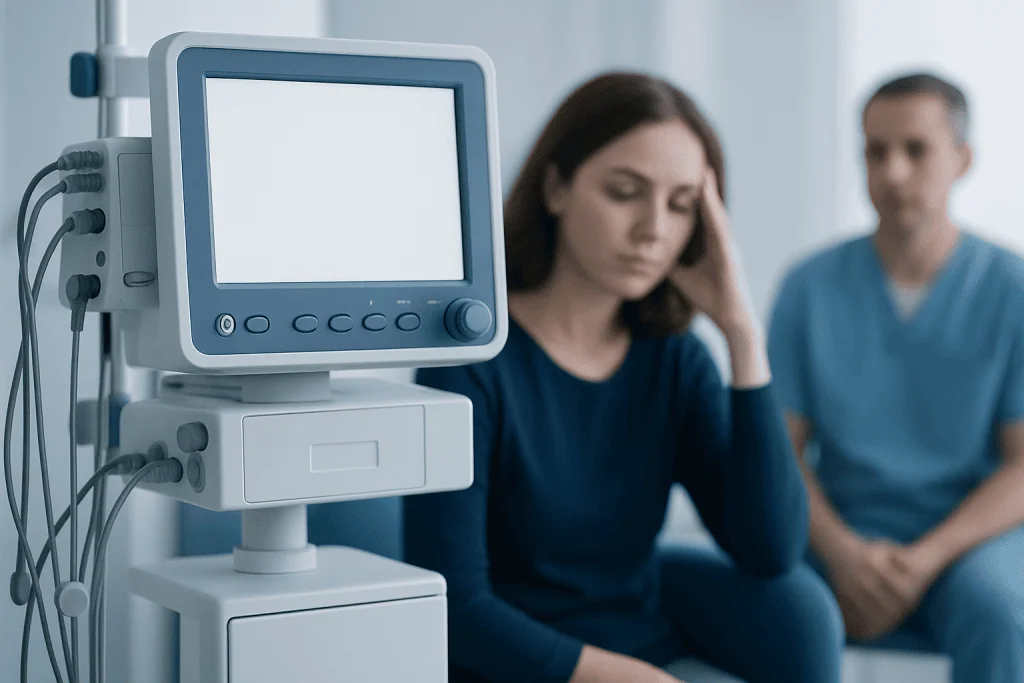
Brain fog after COVID can look different from one person to another. Some notice mild word-finding difficulty or misplacing items more often. Others describe a stronger sense of mental exhaustion, difficulty multitasking, or feeling as though their thoughts are moving more slowly than before their illness.
Common symptoms may include:
- Difficulty concentrating or staying focused
- Forgetfulness, especially with recent information
- Slower processing speed or delayed thinking
- Trouble finding words during conversation
- Feeling mentally tired after reading, screen time, or problem-solving
- Difficulty organizing, planning, or switching between tasks
These symptoms may fluctuate. A person may feel clearer on some days and more affected on others, especially after poor sleep, stress, physical exertion, or a busy schedule. This pattern can be frustrating, but it is common in post-viral recovery.
Brain fog can also occur alongside headaches, dizziness, disturbed sleep, shortness of breath, low mood, or anxiety. When symptoms come together, it may be helpful to view them as interconnected rather than separate problems, because improving one area can sometimes ease cognitive symptoms as well.
Possible Causes and Risk Factors

Researchers are still learning why brain fog happens after COVID. It is likely not caused by one single mechanism. Instead, several factors may contribute, including the body’s immune response, inflammation, changes in sleep and energy levels, stress on the nervous system, and the effects of a prolonged recovery period.
Possible contributors include ongoing inflammation, autonomic nervous system changes, fatigue, sleep disruption, mood symptoms, pain, reduced physical conditioning, and the strain of serious illness. In some people, even a mild initial infection can be followed by cognitive symptoms. In others, hospitalization, intensive care, low oxygen during illness, or multiple medical complications may increase the risk of prolonged recovery.
Not every concentration problem after COVID is due only to the infection itself. Other common causes can mimic or worsen brain fog, such as anemia, thyroid disorders, vitamin B12 deficiency, dehydration, medication side effects, anxiety, depression, and untreated sleep disorders. Conditions such as sleep apnea may contribute to poor attention and daytime fatigue, making a careful evaluation especially important.
People with pre-existing neurological or mental health conditions may notice more pronounced symptoms, though brain fog can also develop in previously healthy adults. Age, stress, poor sleep, and a heavy return-to-work pace may also influence how long symptoms last.
How Doctors Evaluate Brain Fog After COVID
Evaluation usually begins with a detailed medical history. A doctor may ask when symptoms started, whether they appeared during or after COVID, how they affect daily life, and whether there are associated issues such as headaches, dizziness, mood changes, poor sleep, or shortness of breath. Reviewing medications, caffeine or alcohol use, and previous health conditions can also provide useful clues.
A physical and neurological examination may follow. Depending on the symptoms, doctors may recommend blood tests to look for other causes of cognitive difficulty, such as anemia, infection, thyroid imbalance, vitamin deficiencies, or metabolic problems. If sleep problems seem likely, further assessment may be suggested.
Some people benefit from cognitive screening or more detailed neuropsychological testing to identify which mental skills are affected, such as attention, memory, language, or processing speed. This can be especially helpful when symptoms interfere with work, school, or complex daily tasks.
Brain imaging is not needed for everyone. However, a doctor may consider tests such as MRI or other studies if there are warning signs, a sudden change, focal neurological symptoms, severe headaches, seizures, or concern for another neurological condition. The goal of testing is not only to confirm post-COVID effects but also to make sure nothing else is being missed.
Treatment and Recovery Approaches
There is no single medicine that cures brain fog after COVID for everyone. Treatment usually focuses on identifying contributing factors and supporting the brain’s recovery. When sleep, anxiety, depression, pain, headaches, breathing issues, or nutritional problems are addressed, cognitive symptoms often become more manageable.
Many people improve with a practical recovery plan. This may include pacing activities, taking scheduled breaks, reducing multitasking, keeping a regular sleep routine, staying hydrated, and gradually returning to exercise as tolerated. Writing reminders, using planners, limiting distractions, and completing mentally demanding tasks during the time of day when energy is best can also help.
Some patients benefit from structured rehabilitation. Depending on individual needs, doctors may recommend cognitive rehabilitation, occupational therapy, or supportive counseling. When symptoms overlap with mood or stress-related concerns, psychological support may also be useful and does not mean the symptoms are “just emotional.”
Recovery is often gradual rather than immediate. It can help to measure progress in small steps, such as improved stamina for reading, fewer mistakes at work, or less need for rest after concentration-heavy tasks. For international patients who need coordinated evaluation, Acibadem International’s multidisciplinary specialists in JCI-accredited hospitals diagnose and treat post-COVID neurological symptoms with an individualized approach.
Self-Care, Daily Strategies, and Prevention
Self-care does not replace medical evaluation, but it can play a meaningful role in recovery. A balanced daily routine supports both physical and mental healing. People often do best when they avoid the pattern of overexerting themselves on a good day and then needing extra recovery time afterward.
Helpful daily habits may include:
- Keeping a consistent sleep and wake schedule
- Using calendars, notes, alarms, or phone reminders
- Breaking tasks into smaller steps
- Taking short rest periods before mental exhaustion builds
- Eating regularly and staying hydrated
- Returning to physical activity gradually, with medical guidance if needed
- Reducing distractions during important tasks
Stress management can also be important. Gentle breathing exercises, mindfulness, light movement, and realistic expectations may reduce the mental load that makes brain fog feel worse. Family members and employers may be more supportive when they understand that symptoms can fluctuate and are part of recovery.
Preventing COVID-19 infection and reinfection remains sensible, especially for people who have previously experienced prolonged post-viral symptoms. General preventive measures and staying up to date with medical guidance may help lower future risk, though they cannot eliminate it completely.
When to See a Doctor
It is reasonable to contact a doctor if brain fog lasts more than a few weeks, interferes with work or daily activities, or seems to be getting worse instead of better. Medical advice is also important when symptoms are affecting safety, such as driving, managing medicines, or making decisions at work.
Urgent medical attention is needed if cognitive changes are accompanied by warning signs such as sudden weakness, facial drooping, trouble speaking, severe confusion, fainting, seizures, chest pain, or severe shortness of breath. These symptoms may point to a different and more urgent problem and should not be assumed to be routine post-COVID brain fog.
A person should also seek assessment if they have significant depression, anxiety, insomnia, or headaches, because these can both contribute to brain fog and deserve treatment in their own right. Early support may shorten disruption and make day-to-day life more manageable while recovery continues.
Frequently asked questions
Is brain fog after COVID a real medical problem?
Yes. Although “brain fog” is an informal term, the concentration, memory, and processing difficulties people describe are recognized symptoms that can occur after COVID-19. Doctors evaluate these symptoms seriously while also checking for other possible causes.
How long does brain fog after COVID last?
The duration varies widely. Some people improve within weeks, while others recover more gradually over several months. Symptoms often fluctuate, so improvement may happen in steps rather than all at once.
Can mild COVID cause brain fog too?
Yes. Brain fog can happen even after a mild infection and is not limited to people who were hospitalized. However, people who had a more severe illness may also have a longer or more complex recovery.
Do I need a brain scan for post-COVID brain fog?
Not always. Many people do not need imaging if their symptoms fit a typical post-COVID pattern and there are no warning signs. A doctor may recommend imaging or other tests if symptoms are severe, unusual, sudden, or suggest another neurological condition.
What can help improve brain fog at home?
Helpful steps often include good sleep habits, hydration, pacing activities, reducing multitasking, and using reminders or planners. It also helps to manage stress and gradually return to exercise if a doctor says it is appropriate. Home strategies work best when any underlying medical contributors are also addressed.
When should someone worry about memory or thinking problems after COVID?
Medical review is important if symptoms last more than a few weeks, interfere with daily life, or are getting worse. Urgent care is needed for sudden confusion, weakness, slurred speech, seizures, fainting, or severe breathing problems, because these symptoms may have another cause.
References
- World Health Organization
- Centers for Disease Control and Prevention
- National Institute of Neurological Disorders and Stroke
- National Institutes of Health
- National Health Service
This article is for general information only and is not a substitute for professional medical advice. Please consult a qualified doctor about your individual situation.
Explore treatments in Turkey — costs, top hospitals & a free quote
JCI-accredited · board-certified surgeons · reply within 24h
Add us as a Preferred Source to see more of our trusted health content across Google Search, AI Overviews and Discover.