What Is Brainspotting? Causes, Explanations, and Next Steps

Brainspotting is a form of psychotherapy, not a medication or brain scan. It is often used for trauma, anxiety, stress, grief, and performance-related blocks.
Key Takeaways
- Brainspotting is a form of psychotherapy, not a medication or brain scan.
- It is often used for trauma, anxiety, stress, grief, and performance-related blocks.
- During treatment, a therapist helps identify an eye position linked to emotional or body-based distress and supports processing in a structured way.
- Many people tolerate it well, but sessions can temporarily bring up strong feelings, fatigue, or physical tension.
- Urgent medical or psychiatric care is important if symptoms include suicidal thoughts, severe dissociation, psychosis, or sudden neurologic changes.
Brainspotting is a psychotherapy technique in which a therapist uses eye position, focused attention, and awareness of body sensations to help a person process distressing experiences. It is generally considered a therapeutic approach rather than a medical procedure, but it is best used with a qualified mental health professional who can assess whether it fits a person’s needs.
Overview: what brainspotting is and what it is not
Brainspotting is a psychotherapy method that aims to help people process distressing emotions, memories, and body sensations by using focused attention on a specific eye position, sometimes called a “brainspot.” In simple terms, the therapist looks for a gaze point that seems linked to emotional activation while the person notices what they feel in the body and mind.
For many people, curiosity about brainspotting comes from searching for help with stress, trauma, anxiety, or feeling “stuck.” In many cases, this is not a sign of a dangerous medical problem. Brainspotting is usually discussed in mental health settings, and it is most often considered alongside other evidence-based therapies rather than as emergency care.
It is also important to clarify what brainspotting is not. It is not brain surgery, brain stimulation, or a scan that diagnoses disease. It is a therapist-guided treatment approach, similar in broad purpose to other trauma-focused therapies, though it uses a distinct style of attention to eye position and body-based experience.
How brainspotting is explained
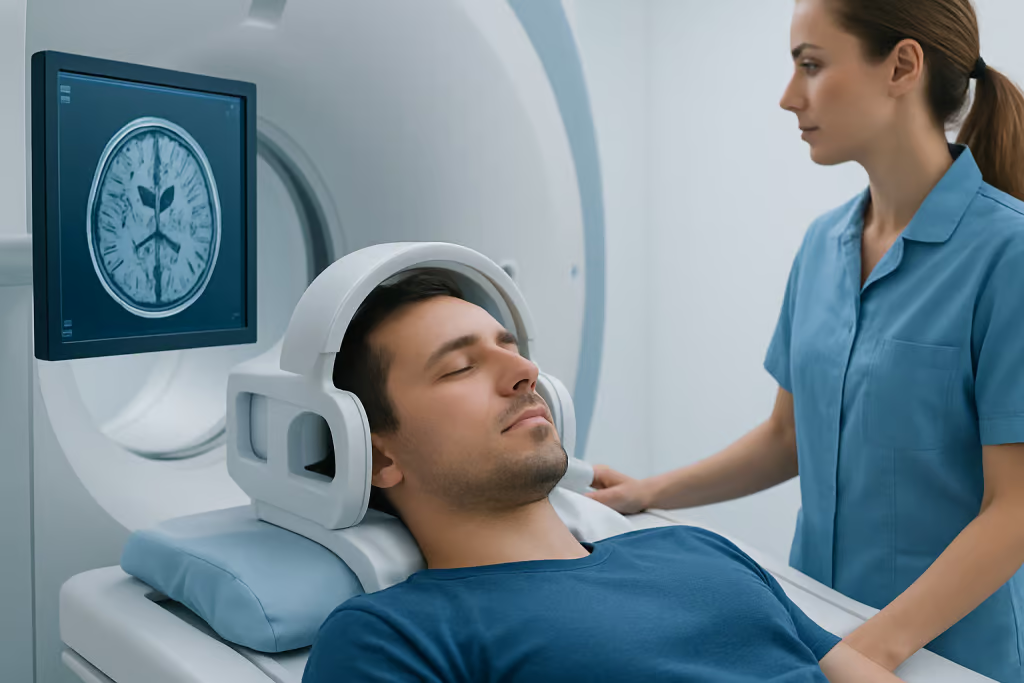
The basic idea behind brainspotting is that where a person looks may connect with how distress is held and experienced in the nervous system. During a session, the therapist may help the person notice a troubling thought, feeling, or body sensation, then slowly guide eye position until a spot is found that seems to intensify, shift, or unlock that experience.
Therapists who use brainspotting often describe it as combining focused mindfulness, relational safety, and body awareness. Instead of talking through every detail of an event, a person may spend time noticing internal sensations such as tightness in the chest, a lump in the throat, shaking, tears, or a sense of relief as processing unfolds.
The exact neurobiological explanation is still being studied. Some clinicians view brainspotting as a way to access subcortical or nonverbal aspects of trauma processing, but not all mechanisms are fully established. For patients, the practical point is that the therapy is intended to support emotional regulation and processing, not to provide a medical diagnosis.
- It is usually done one-to-one with a trained therapist.
- It may include talking, silence, and attention to body sensations.
- It can be used alone or alongside other psychotherapy approaches.
Why people try brainspotting

Brainspotting is most commonly explored for trauma-related distress, including the emotional effects of accidents, violence, grief, difficult childhood experiences, or overwhelming life events. Some therapists also use it for anxiety, panic symptoms, performance anxiety, chronic stress, and certain forms of emotional dysregulation.
People may also ask about brainspotting when they have physical symptoms that seem tied to stress, such as muscle tension, trouble sleeping, headaches, or a sense of being constantly on edge. In these situations, it is important to remember that stress can affect the body, but ongoing physical symptoms may also need medical assessment. For example, persistent headaches may need evaluation in a migraine assessment rather than being assumed to be purely stress-related.
Some individuals are interested in brainspotting because they have found standard talk therapy hard to engage with, especially if experiences feel difficult to put into words. Others use it as part of broader care that may include psychiatric evaluation and treatment, counseling, sleep support, or neurologic review depending on the symptom pattern.
What happens during a brainspotting session
A session usually starts with identifying a target issue, such as a memory, fear, body sensation, or current stressor. The therapist may ask the person to rate the intensity of distress and describe where it is felt in the body. The goal is to create a clear focus without forcing the person to share more than feels manageable.
Next, the therapist may use a pointer or simply guide gaze to different positions while asking what changes are noticed. When a meaningful eye position is found, the person is invited to stay with that spot and observe internal responses. The therapist remains attentive, helping the person stay grounded if emotions become strong.
Sessions can look different from person to person. Some people talk throughout, while others spend periods in silence. A person may feel emotional release, body tension, fatigue, warmth, sadness, relief, or sometimes very little in the first session. Progress is often gradual, and a careful pace matters, especially for people with complex trauma, severe anxiety, or dissociation.
Safety, side effects, and who may need extra caution
Brainspotting is generally considered safe when it is provided by a properly trained, licensed mental health professional working within a full clinical assessment. Like many trauma-focused therapies, however, it can temporarily increase emotional intensity. Some people feel tearful, tired, physically tense, or mentally drained after a session, especially early in treatment.
It may not be the best starting approach for everyone. People with active psychosis, severe suicidal thoughts, uncontrolled substance use, intense dissociation, or major difficulty staying grounded may need stabilization and closer psychiatric support first. In some cases, a therapist may recommend a different treatment plan or combine approaches to improve safety and regulation.
It is also important not to use brainspotting as a substitute for medical evaluation when symptoms could reflect a neurologic or physical condition. Sudden confusion, fainting, seizures, one-sided weakness, new speech problems, or sudden severe headache need urgent medical attention. Depending on symptoms, a doctor may advise neurology evaluation or brain MRI to rule out other causes before assuming symptoms are stress-related.
How a doctor or therapist evaluates whether it is appropriate
Before starting brainspotting, a qualified clinician should take a careful history. This usually includes current symptoms, past trauma or major stressors, medical history, medications, sleep, substance use, and any history of panic attacks, dissociation, self-harm, or psychosis. The purpose is to understand both the source of distress and the person’s ability to tolerate emotionally activating work.
A mental status examination and risk assessment are also important. The clinician will look at mood, concentration, thought patterns, reality testing, safety concerns, and the person’s support system. When symptoms suggest depression, trauma-related disorders, anxiety disorders, or another mental health condition, a formal assessment may guide the broader treatment plan.
If symptoms include memory lapses, blackouts, severe headaches, dizziness, numbness, balance problems, or sleep attacks, medical evaluation may be needed as well. Depending on the situation, a patient may be assessed for related conditions such as depression or referred for additional testing. This step is reassuring rather than alarming: it helps make sure the right problem is being treated in the right way.
Treatment next steps and other options
When brainspotting appears appropriate, it is usually integrated into a broader care plan. That plan may include regular psychotherapy sessions, practical coping skills, sleep and stress management, and treatment for coexisting conditions such as anxiety or depression. The pace of therapy should match the person’s stability, goals, and daily functioning.
Other evidence-based treatments may also be considered. Depending on the diagnosis, clinicians may recommend trauma-focused cognitive behavioral therapy, EMDR, supportive psychotherapy, medication, or group therapy. There is no single best therapy for everyone, and it is reasonable for patients to ask what evidence supports each option, what sessions involve, and how progress will be monitored.
Near the end of evaluation, patients may find it helpful to ask: What symptoms are we treating? How will we know whether this is helping? What should I do if I feel worse after a session? In centers with multidisciplinary care, mental health professionals can coordinate with neurologists and other specialists when symptoms overlap. Acibadem International’s multidisciplinary specialists in JCI-accredited hospitals diagnose and treat mental and neurologic conditions for international patients when more than one type of assessment is needed.
When to seek medical care
Many people exploring brainspotting are dealing with stress, trauma, or anxiety rather than a dangerous illness, and that can be reassuring. Still, some symptoms need professional review before or alongside therapy. A person should arrange medical or mental health assessment if distress is persistent, interferes with sleep or work, causes panic, or leads to withdrawal from daily life.
Prompt psychiatric care is important if there are thoughts of self-harm, suicidal thinking, hallucinations, severe agitation, or episodes of losing touch with reality. A person should also seek help if therapy sessions trigger overwhelming reactions that do not settle, such as intense dissociation, inability to function, or escalating substance use.
Emergency medical care is needed for red flags such as sudden weakness, facial droop, seizure, collapse, chest pain, sudden severe headache, new confusion, or trouble speaking. These symptoms should not be explained away as stress or emotional release. If there is any doubt, the safest next step is to contact a qualified doctor promptly or seek emergency help.
Frequently asked questions
Is brainspotting a proven therapy?
Brainspotting is used by many therapists, especially in trauma-focused care, but its evidence base is still developing compared with more established therapies. Some people report meaningful benefit, yet treatment decisions should be individualized and guided by a qualified clinician.
What is brainspotting mainly used for?
It is most often used for trauma-related distress, anxiety, grief, stress, and performance blocks. Some clinicians also use it when emotions feel hard to verbalize and body sensations seem closely tied to distress.
Can brainspotting make symptoms worse at first?
Yes, it can temporarily bring up strong emotions, fatigue, or body tension, especially when difficult memories are activated. This does not always mean the therapy is harmful, but worsening symptoms should be discussed promptly with the treating therapist or doctor.
How is brainspotting different from EMDR?
Both approaches may be used for trauma and both involve attention to eye position or visual focus, but they are structured differently. EMDR typically follows a more standardized protocol with bilateral stimulation, while brainspotting often emphasizes finding a fixed eye position and observing internal responses in a flexible way.
Who should avoid brainspotting or use extra caution?
People with active psychosis, severe suicidality, major dissociation, or unstable substance use may need stabilization and closer psychiatric care before starting this kind of therapy. A trained clinician can assess whether another approach would be safer or more effective at that stage.
Do physical symptoms during a session mean something is wrong with the brain?
Not necessarily. Physical sensations such as tightness, shakiness, tears, or fatigue can happen during emotional processing, but they are not specific signs of brain disease. New, severe, or unexplained neurologic symptoms should still be medically evaluated.
References
- American Psychiatric Association
- National Institute of Mental Health
- Substance Abuse and Mental Health Services Administration
- National Center for PTSD
- World Health Organization
This article is for general information only and is not a substitute for professional medical advice. Please consult a qualified doctor about your individual situation.
Explore treatments in Turkey — costs, top hospitals & a free quote
JCI-accredited · board-certified surgeons · reply within 24h
Add us as a Preferred Source to see more of our trusted health content across Google Search, AI Overviews and Discover.