What Is Clinical Neuropsychology and When Is It Used?

Clinical neuropsychology focuses on the relationship between the brain and behavior. Neuropsychological assessment can help explain problems with memory, attention, language, planning, or mood.
Key Takeaways
- Clinical neuropsychology focuses on the relationship between the brain and behavior.
- Neuropsychological assessment can help explain problems with memory, attention, language, planning, or mood.
- It is often used after stroke, brain injury, epilepsy, dementia, brain tumors, or other neurological conditions.
- Testing does not usually involve needles or surgery; it mainly includes interviews, paper-and-pencil tasks, and computer-based activities.
- Results help doctors make diagnoses, track changes over time, and plan treatment, school, work, or rehabilitation support.
Clinical neuropsychology is a specialized field that studies how brain function affects thinking, memory, emotions, and behavior. It is used to assess cognitive changes, support diagnosis, and help plan treatment or rehabilitation for people with neurological, medical, or psychological conditions.
Overview: What Clinical Neuropsychology Is
Clinical neuropsychology is a branch of healthcare that examines how the brain influences thinking skills, emotions, and everyday behavior. It brings together knowledge from neurology, psychology, and rehabilitation to better understand how a person is functioning in real life. Rather than focusing only on symptoms, it looks at patterns of strengths and difficulties across different mental abilities.
A clinical neuropsychologist is a specialist trained to assess cognitive functions such as memory, attention, language, problem-solving, visual-spatial skills, processing speed, and executive function. Executive functions are the higher-level skills that help a person plan, organize, start tasks, stay focused, and adapt to change. The specialist also considers mood, motivation, fatigue, sleep, education, culture, and medical history, because these can affect thinking and behavior.
Clinical neuropsychology is often used when someone has noticed changes in memory, concentration, behavior, or decision-making, or when a doctor needs a clearer picture of how a brain-related condition is affecting daily life. It can help distinguish between normal aging, stress-related symptoms, and signs of a neurological disorder. It is also useful for measuring recovery or decline over time.
When Clinical Neuropsychology Is Used
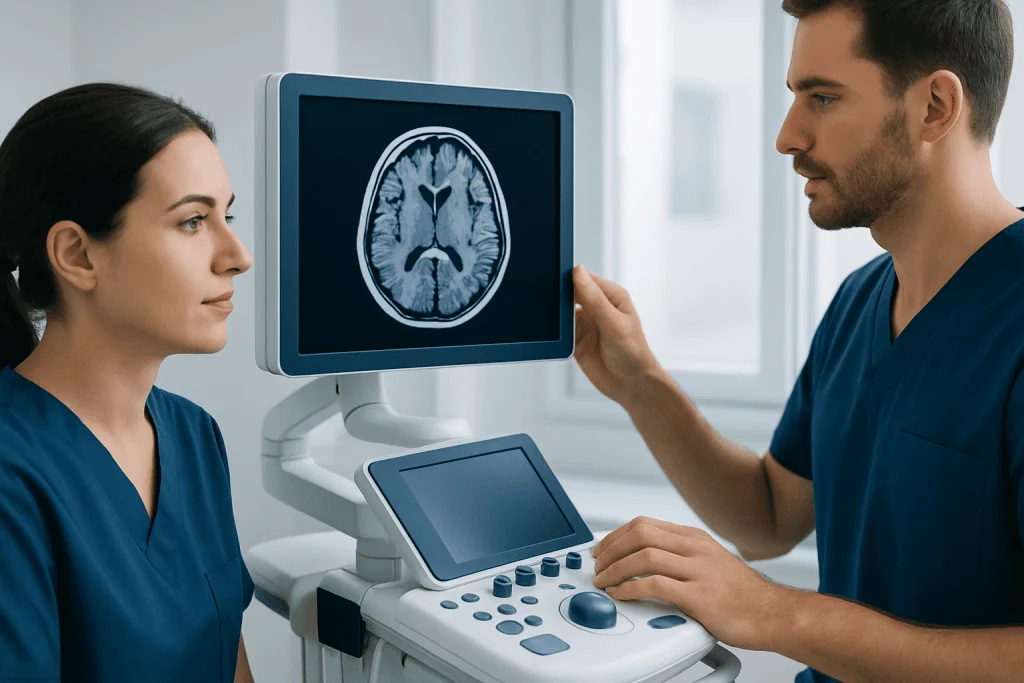
Clinical neuropsychology is used in many situations where brain function may be affected. A person may be referred after a stroke, concussion, traumatic brain injury, brain infection, epilepsy, brain tumor, or neurosurgery. It may also be used when there is concern about conditions such as dementia, multiple sclerosis, Parkinson’s disease, attention difficulties, learning problems, or unexplained cognitive changes.
Doctors may request an assessment when brain scans or standard neurological examinations do not fully explain a person’s symptoms. For example, someone may have trouble returning to work after a head injury even though imaging looks stable. Neuropsychological testing can show which specific skills have been affected and which remain strong, making rehabilitation more targeted and practical.
It is also used before and after certain treatments. In epilepsy care, for instance, cognitive testing may help establish a baseline before treatment and monitor changes later. In memory clinics, neuropsychological evaluation can support the assessment of conditions such as Alzheimer’s disease or other causes of cognitive decline. In children and young adults, it may help clarify learning, attention, or developmental concerns and guide educational planning.
Symptoms and Concerns That May Lead to an Evaluation

People are often referred for clinical neuropsychology because they or their family have noticed changes in everyday functioning. These changes can be subtle at first. A person may forget appointments, misplace items more often, lose track of conversations, struggle to find words, or take longer to complete familiar tasks. Others may have difficulty concentrating, making decisions, staying organized, or managing finances and medications safely.
Behavioral and emotional changes can also be important clues. Some people become more irritable, impulsive, withdrawn, anxious, or unusually apathetic. Others may have reduced awareness of their own difficulties. While these symptoms do not always mean there is a serious brain disorder, they can be significant enough to affect work, school, relationships, driving, and independent living.
A doctor may recommend evaluation if symptoms appear after an illness or injury, are getting worse over time, or are interfering with daily life. Clinical neuropsychology does not replace medical care, but it adds valuable information about how symptoms are affecting real-world functioning. This can be especially helpful when the picture is complex and several factors may be involved at the same time.
- Memory loss or increased forgetfulness
- Poor concentration or mental slowing
- Word-finding or language difficulties
- Problems with planning, organization, or judgment
- Behavior or personality changes
- Difficulty returning to work, school, or usual routines after illness or injury
How Neuropsychological Assessment Works
A neuropsychological assessment usually begins with a detailed interview. The clinical neuropsychologist asks about the person’s symptoms, medical history, medications, education, occupation, emotional health, and day-to-day functioning. Family input may also be helpful, especially if the person has memory difficulties or changes in insight. This interview helps place test results in the right context.
The testing itself is designed to measure different areas of thinking and behavior. It may include spoken questions, memory tasks, drawing, problem-solving exercises, reading or naming activities, and sometimes computer-based tests. The assessment is not an exam to pass or fail. Instead, it looks at patterns across many abilities to understand how the brain may be functioning.
Testing time can vary from a brief screening to several hours, depending on the reason for referral. Breaks are usually provided, and the specialist takes into account fatigue, pain, vision, hearing, language background, and education. Afterward, the results are interpreted alongside the medical picture. The final report often explains strengths, areas of difficulty, possible causes, and practical recommendations for treatment, rehabilitation, school, work, or home support.
In some cases, the assessment is used together with other medical evaluations such as MRI scans or neurological examinations. This combination can help doctors better understand whether symptoms are related to structural brain changes, functional issues, mood disorders, sleep problems, medication effects, or a mix of factors.
Conditions Commonly Evaluated
Clinical neuropsychology can be helpful in a wide range of neurological and medical conditions. Common examples include traumatic brain injury, stroke, epilepsy, dementia, brain tumors, multiple sclerosis, Parkinsonian disorders, and complications from infections or inflammatory diseases affecting the nervous system. It may also be used when people are experiencing cognitive symptoms related to depression, anxiety, chronic pain, sleep disorders, or systemic illness.
Because the assessment looks at detailed patterns of performance, it can sometimes help distinguish one condition from another. For example, it may clarify whether memory complaints are more consistent with normal aging, depression-related concentration problems, or an early neurodegenerative process. It can also document the effects of conditions such as epilepsy on memory, language, or attention, which may be important in treatment planning.
In rehabilitation settings, clinical neuropsychology helps identify the consequences of injuries or illness that might not be obvious during a short office visit. A person recovering from a stroke may appear physically well but still struggle with attention, visual-spatial awareness, or executive function. Recognizing these issues can improve safety, independence, and quality of life by guiding appropriate therapy and support.
How the Results Help With Diagnosis and Treatment
The main value of clinical neuropsychology is that it translates symptoms into a clearer understanding of function. Test results can support diagnosis, but they also do much more. They can identify which cognitive skills are strong, which are weaker, and how those patterns affect driving, work, study, communication, and daily routines. This makes care more individualized.
Results may be used to guide medication decisions, rehabilitation planning, return-to-work advice, academic accommodations, and family education. For example, a person with attention and processing-speed difficulties after injury may benefit from structured routines, shorter tasks, and targeted cognitive rehabilitation. Someone with progressive memory loss may need regular monitoring and support for medication management, finances, or safety at home.
Neuropsychological findings can also serve as a baseline for follow-up. Repeating selected tests over time may show improvement, stability, or decline, which can help doctors evaluate treatment response or disease progression. Depending on the situation, recommendations may work alongside care such as neurological rehabilitation or brain tumor surgery. Near the end of the care pathway, some patients may seek comprehensive assessment through centers such as Acibadem International, where multidisciplinary specialists in JCI-accredited hospitals diagnose and treat neurological conditions for international patients.
What Patients Can Expect and When to Seek Help
For most people, a neuropsychological evaluation is noninvasive and safe. It does not usually involve needles, radiation, or surgery. The process can feel tiring because it requires sustained mental effort, but the goal is to understand genuine day-to-day challenges, not to judge intelligence or character. Honest effort, good sleep when possible, and bringing reading glasses or hearing aids can help make the assessment more accurate.
It is a good idea to seek medical advice if memory, attention, language, or behavior changes are new, worsening, or interfering with daily life. Assessment is especially important when symptoms begin after a head injury, stroke, seizure, serious infection, or brain surgery. Families should also speak with a doctor if they notice concerns the person does not fully recognize.
Early evaluation can be reassuring when symptoms are related to treatable causes such as stress, poor sleep, medication side effects, or mood disorders. It can also help people access support sooner if a neurological condition is present. A qualified doctor or clinical neuropsychologist can explain whether testing is appropriate and what kind of follow-up may be most useful.
Frequently asked questions
What does a clinical neuropsychologist do?
A clinical neuropsychologist evaluates how brain function affects thinking, emotions, and behavior. This specialist uses interviews and standardized tests to understand problems with memory, attention, language, planning, and other cognitive skills. The results can help support diagnosis and guide treatment or rehabilitation.
Is neuropsychological testing the same as an IQ test?
No. While some parts of testing may measure aspects of intellectual functioning, a neuropsychological assessment is much broader. It examines many skills, such as memory, attention, language, processing speed, and executive function, to understand a person's overall cognitive profile.
Who might need a neuropsychological assessment?
People may need an assessment after stroke, traumatic brain injury, seizures, brain surgery, or when there are concerns about memory loss or changes in behavior. It can also be useful for learning difficulties, attention problems, or cognitive symptoms linked to medical or mental health conditions. A doctor usually recommends testing when symptoms affect daily life or diagnosis is unclear.
How long does a neuropsychological evaluation take?
The length varies depending on the reason for referral and how detailed the assessment needs to be. Some evaluations are brief, while others may take several hours and include breaks. The specialist will usually tailor the pace to the person's comfort, fatigue level, and medical condition.
Can neuropsychological testing diagnose dementia?
Testing can strongly support the evaluation of dementia by showing patterns of cognitive strengths and weaknesses. However, diagnosis usually combines test results with medical history, examination, imaging, and sometimes laboratory tests. Neuropsychological assessment is one important part of the overall picture.
Do patients need to prepare for a neuropsychological assessment?
Simple preparation can help. It is usually best to get as much rest as possible, take regular medications unless a doctor advises otherwise, and bring glasses, hearing aids, and a list of medicines. Patients may also be asked to bring school or medical records and, in some cases, a family member who can describe everyday changes.
References
- American Psychological Association
- National Institute of Neurological Disorders and Stroke
- World Health Organization
- National Institute on Aging
- American Academy of Neurology
This article is for general information only and is not a substitute for professional medical advice. Please consult a qualified doctor about your individual situation.
Neuropsychology in Turkey — costs, top hospitals & a free quote
JCI-accredited · board-certified surgeons · reply within 24h
Add us as a Preferred Source to see more of our trusted health content across Google Search, AI Overviews and Discover.