What Is Consciousness? Causes, Explanations, and Next Steps

Consciousness refers to awareness of self, surroundings, and the ability to respond meaningfully. Normal consciousness can vary with sleep, stress, illness, medications, and emotional state.
Key Takeaways
- Consciousness refers to awareness of self, surroundings, and the ability to respond meaningfully.
- Normal consciousness can vary with sleep, stress, illness, medications, and emotional state.
- Sudden confusion, fainting, unresponsiveness, or new personality change can be signs of a medical emergency.
- Doctors assess consciousness by checking alertness, orientation, attention, speech, behavior, and neurological function.
- Treatment depends on the cause and may range from rest and medication review to urgent treatment for stroke, infection, or low blood sugar.
Consciousness is the state of being awake, aware, and able to respond to the world and to one’s own thoughts. Everyday changes in attention or alertness are often harmless, but sudden or severe changes in consciousness can point to a medical problem that needs prompt evaluation.
Overview: what consciousness means
In simple terms, consciousness is the state of being aware. It includes being awake, noticing the environment, recognizing oneself, and responding in a meaningful way. When people ask what is consciousness, they are usually asking about both a normal human experience and a medical concept doctors use when they assess alertness and brain function.
In daily life, consciousness is not an all-or-nothing state. Attention can drift, sleepiness can increase, and stress can make a person feel mentally “foggy” without indicating a serious illness. These short-lived changes are common and often improve with rest, hydration, nutrition, or recovery from a minor illness.
At the same time, noticeable changes in consciousness can sometimes signal a health problem. A person may become confused, unusually drowsy, disoriented, difficult to wake, or less responsive than usual. In more serious cases, consciousness may be severely impaired, as in fainting, delirium, seizures, or coma.
From a medical viewpoint, consciousness depends on healthy brain activity, adequate oxygen and blood flow, balanced body chemistry, and the ability of brain networks to communicate. That is why doctors look at changes in consciousness as an important symptom rather than a diagnosis by itself.
How consciousness can change in everyday life and in illness
Consciousness has several practical aspects. One is arousal, meaning how awake or alert a person is. Another is awareness, meaning how well a person understands what is happening around them and within themselves. A third is responsiveness, such as following instructions, answering questions, or reacting appropriately to pain or sound.
These features can shift for ordinary reasons. Normal sleep, jet lag, anxiety, emotional distress, some prescription or over-the-counter medicines, fever, dehydration, and low food intake may all reduce concentration or alertness for a short time. In many cases, the person remains oriented and improves once the trigger is corrected.
Doctors become more concerned when the change is sudden, unexplained, severe, or out of character. Examples include a person who cannot recognize familiar people, cannot answer simple questions, becomes agitated without reason, faints, has slurred speech, or seems difficult to wake. These signs may be described medically as altered mental status or altered level of consciousness.
Altered consciousness may happen in a wide range of conditions, from temporary and reversible issues to urgent neurological emergencies. For example, it can occur with severe infections, head injuries, seizures, low blood sugar, toxic exposures, or stroke. This is why any significant change deserves careful attention, especially if it appears suddenly.
Common causes and risk factors

Changes in consciousness can start in the brain itself or result from problems elsewhere in the body that affect brain function. Neurological causes include head injury, seizures, brain infections, bleeding in or around the brain, tumors, and reduced blood flow to the brain. Some people may also have changes in awareness related to sleep disorders or progressive brain disease.
Many non-neurological problems can also affect consciousness. Common examples include low blood sugar, severe dehydration, liver or kidney failure, low oxygen levels, major infections, fever, medication side effects, alcohol or drug intoxication, and withdrawal states. In older adults, a urinary, lung, or bloodstream infection may present first as confusion or reduced alertness rather than obvious physical symptoms.
Certain risk factors make serious causes more likely. These include older age, diabetes, epilepsy, recent surgery, cancer, known heart or vascular disease, recent head trauma, heavy alcohol use, substance use, and use of medicines that can cause sedation. Sleeping pills, opioid pain medicines, and combinations of multiple medications deserve special attention.
Mental health conditions can affect focus, perception, and behavior, but medical causes should not be overlooked. If there is new confusion, severe agitation, hallucinations, or a rapid change from the person’s usual state, clinicians first look for physical causes before assuming the problem is only psychological.
- Temporary, milder causes: poor sleep, stress, dehydration, viral illness, medication effects
- Urgent causes: stroke, seizure, meningitis, severe low blood sugar, poisoning, major head injury
- Higher-risk groups: older adults, people with chronic illness, and those taking sedating medicines
Warning signs that need prompt medical review
Many people occasionally feel mentally tired or less focused, and this alone is often not dangerous. However, some changes in consciousness should be treated as red flags. Medical review is especially important if the change is sudden, rapidly worsening, or clearly different from the person’s normal behavior.
Warning signs include fainting, unresponsiveness, new confusion, severe drowsiness, trouble speaking, weakness on one side, a seizure, a severe headache, head injury, chest pain, breathing difficulty, bluish lips, high fever with confusion, or inability to wake the person properly. These can suggest a problem with the brain, circulation, oxygen supply, or body chemistry.
Family members and caregivers are often the first to notice subtle changes. A person may repeat questions, appear lost in a familiar place, stop responding normally, or become unusually irritable or withdrawn. In children, poor feeding, limpness, persistent inconsolable crying, or unusual sleepiness also warrant urgent attention.
If altered consciousness happens with signs of epilepsy, possible infection of the brain, or symptoms of a brain tumor such as progressive headaches and vomiting, emergency assessment may be needed. It is safer to seek help early than to wait for the symptoms to become more severe.
How doctors evaluate changes in consciousness
When a person seeks care for altered consciousness, doctors begin by checking whether there is an immediate emergency. They assess breathing, pulse, blood pressure, oxygen levels, temperature, and blood sugar. If needed, treatment starts right away while the evaluation continues, because some causes are time-sensitive and reversible.
The clinical history is very important. Doctors ask when the symptoms began, whether they developed suddenly or gradually, and whether there was a fall, fever, seizure, medication change, alcohol or drug use, or recent illness. They also ask what the person was like beforehand, because a change from baseline can be as important as the symptom itself.
A physical and neurological examination follows. The doctor looks at alertness, eye opening, speech, orientation to time and place, attention, memory, strength, reflexes, coordination, and signs of infection or injury. Depending on the situation, tests may include blood work, urine tests, electrocardiography, and brain imaging such as MRI scanning or CT scanning.
Some people also need specialized neurological evaluation. This may include an electroencephalogram if seizures are suspected, lumbar puncture if infection is a concern, or closer monitoring in hospital. If a stroke is possible, urgent review by specialists and rapid imaging are essential because some treatments are most effective in a limited time window.
Treatment options depend on the cause
There is no single treatment for altered consciousness because it is a symptom, not a disease. Care focuses on identifying and correcting the underlying cause while protecting the brain and the rest of the body. In mild cases, treatment may be as simple as stopping a problematic medication, rehydrating, eating, resting, or treating a fever.
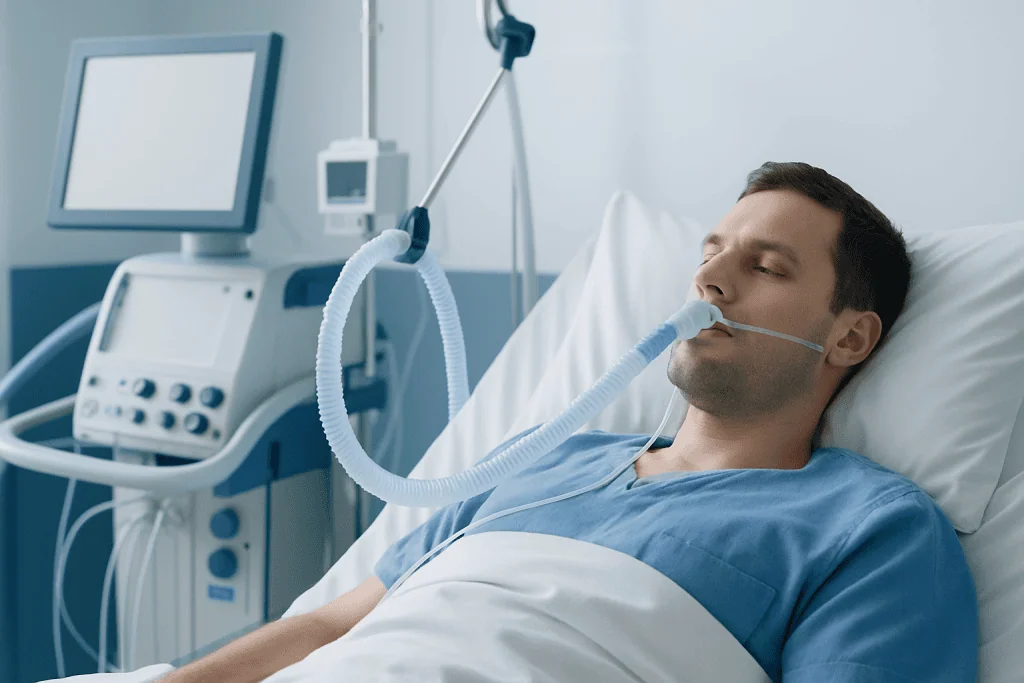
In more serious situations, treatment can be urgent. Low blood sugar may need immediate correction. Infections may require antibiotics or antiviral medication. Seizures may be treated with anti-seizure medicines. Breathing support, intravenous fluids, or hospital monitoring may be necessary when consciousness is significantly reduced.
If imaging shows bleeding, pressure, or another structural brain problem, treatment may involve advanced neurological or neurosurgical care. For example, patients with stroke symptoms may need rapid evaluation and stroke treatment, while others may need brain tumor surgery or other targeted procedures depending on the findings.
Recovery depends on the cause, how quickly treatment begins, and the person’s overall health. Some people improve fully once the trigger is corrected, while others may need rehabilitation, medication adjustment, or follow-up with neurology, internal medicine, psychiatry, or other specialists.
Prevention, self-care, and supporting brain health
Not every cause of altered consciousness can be prevented, but some practical steps can lower risk. Good sleep, regular meals, hydration, and careful medication use all support normal alertness and thinking. It also helps to avoid mixing sedating medicines with alcohol unless a doctor has specifically advised it is safe.
People with chronic conditions such as diabetes, epilepsy, heart disease, kidney disease, or lung disease benefit from following their treatment plan closely. Monitoring blood sugar, taking medications as directed, attending follow-up visits, and reporting new symptoms early can help prevent serious episodes of confusion or reduced awareness.
Head injury prevention matters as well. Wearing a seat belt, using a helmet during appropriate sports or cycling, and reducing fall risk at home can help protect brain function. Older adults may benefit from medication reviews, good lighting, assistive devices, and prompt care for infections to reduce the risk of delirium.
Keeping a brief record of symptoms can be useful when changes in consciousness are intermittent. Writing down when the symptoms happen, how long they last, possible triggers, and any associated fever, headache, shaking, or medication changes can help a doctor identify patterns and decide whether further testing is needed.
When to seek medical care
Medical care is recommended if a person has a clear change in alertness, awareness, memory, behavior, or responsiveness that is new, persistent, or worsening. A same-day medical review is sensible for new confusion, repeated episodes of unusual sleepiness, unexplained fainting, or changes that follow a medication adjustment or illness.
Emergency care is important if the person is difficult to wake, has passed out, is having a seizure, has trouble breathing, has severe headache with confusion, has new weakness or slurred speech, or has had a head injury. These symptoms can point to a medical emergency and should not be observed at home for long.
If symptoms are less severe but keep returning, a doctor may recommend further evaluation by a neurologist or another specialist. In complex cases, multidisciplinary assessment can be helpful to identify whether the cause is neurological, metabolic, infectious, cardiovascular, or medication-related.
For international patients who need further assessment, Acibadem International’s multidisciplinary specialists and JCI-accredited hospitals evaluate and treat conditions that can affect consciousness, including neurological emergencies and complex brain disorders. The most appropriate next step depends on the person’s symptoms, age, medical history, and examination findings.
Frequently asked questions
What is consciousness in simple terms?
Consciousness is the state of being awake and aware of oneself and the surroundings. It also includes the ability to think, respond, and interact in a meaningful way.
Is feeling mentally foggy the same as losing consciousness?
No. Mental fog, tiredness, or poor concentration can happen with stress, lack of sleep, dehydration, or mild illness while a person remains awake and responsive. Loss of consciousness means the person faints or becomes unresponsive and cannot interact normally.
Can medications affect consciousness?
Yes. Some medications can cause drowsiness, confusion, slowed thinking, or reduced alertness, especially when several sedating drugs are taken together. A doctor or pharmacist can review medicines if new symptoms appear after starting or changing treatment.
When is altered consciousness an emergency?
It should be treated as an emergency if it happens suddenly, if the person is hard to wake, has fainted, has seizure activity, trouble breathing, chest pain, severe headache, or stroke-like symptoms such as facial drooping or weakness. These signs need urgent medical assessment.
How do doctors test consciousness?
Doctors assess how awake the person is, whether they know who and where they are, how well they follow commands, and whether speech and movement are normal. They may also use blood tests, oxygen checks, blood sugar testing, brain imaging, or an EEG depending on the situation.
Can altered consciousness be temporary?
Yes. Some causes are brief and reversible, such as low blood sugar, dehydration, medication effects, or lack of sleep. Even so, sudden or unexplained episodes should be discussed with a doctor because some serious causes can look similar at first.
References
- World Health Organization
- National Institute of Neurological Disorders and Stroke
- MedlinePlus
- Mayo Clinic
- Merck Manual Consumer Version
This article is for general information only and is not a substitute for professional medical advice. Please consult a qualified doctor about your individual situation.
Explore treatments in Turkey — costs, top hospitals & a free quote
JCI-accredited · board-certified surgeons · reply within 24h
Add us as a Preferred Source to see more of our trusted health content across Google Search, AI Overviews and Discover.