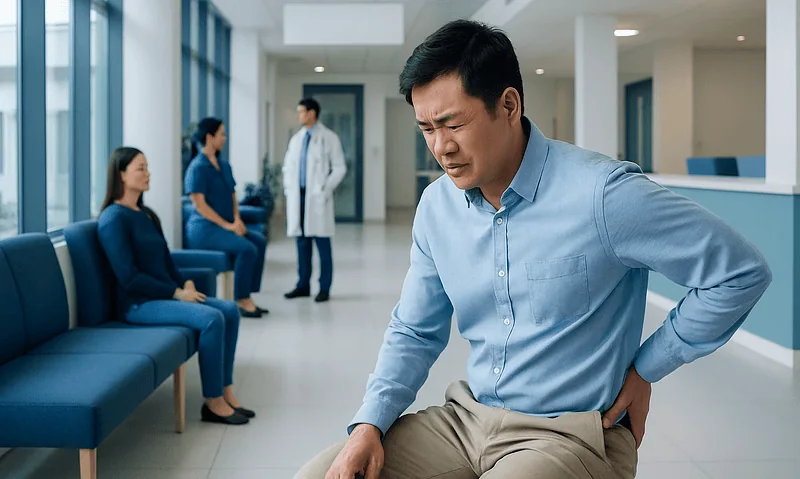
What Is Deconditioning? A Doctor-Reviewed Answer

Deconditioning commonly develops after inactivity, hospitalization, injury, surgery, or an illness that limits normal movement. Symptoms may include muscle weakness, getting breathless more easily, fatigue, poor balance, and difficulty with everyday tasks.
Key Takeaways
- Deconditioning commonly develops after inactivity, hospitalization, injury, surgery, or an illness that limits normal movement.
- Symptoms may include muscle weakness, getting breathless more easily, fatigue, poor balance, and difficulty with everyday tasks.
- The safest recovery plan is gradual and tailored to the person’s health, mobility, and underlying medical conditions.
- Sudden weakness, chest pain, fainting, severe shortness of breath, or stroke-like symptoms need urgent medical evaluation.
- A doctor can assess whether symptoms are due to deconditioning or another condition requiring treatment.
Deconditioning is the decline in physical strength, endurance, balance, and everyday function that can happen after reduced activity, illness, injury, or prolonged bed rest. It is common and often reversible with an individualized, gradual return to movement, although new or severe symptoms should be medically assessed.
What Is Deconditioning?
Deconditioning is a reduction in the body’s ability to manage physical activity after a period of reduced movement. It can affect muscle strength, heart and lung fitness, balance, flexibility, and confidence with everyday tasks. For many people, it is a common and temporary response to being less active during illness, recovery, travel, pain, or a change in routine.
Someone may notice that stairs feel harder than before, walking causes fatigue sooner, or standing from a chair takes more effort. This does not necessarily mean there is a serious new disease. However, similar symptoms can also occur with heart, lung, neurological, blood, or hormonal conditions, so persistent, worsening, or unexplained changes deserve medical review.
Deconditioning can begin surprisingly quickly when activity is greatly limited. The effects are usually more noticeable in older adults and in people who already have long-term health conditions, but it can affect people of any age after bed rest or a major reduction in usual activity.
How Deconditioning Can Feel in Daily Life
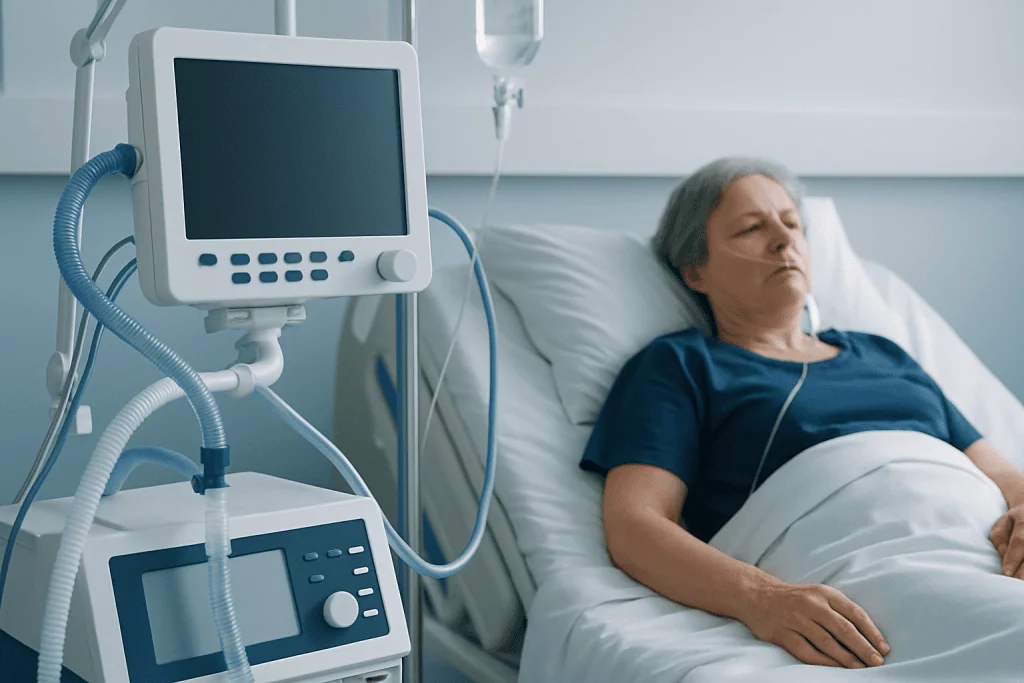
Physical deconditioning often develops gradually. A person may feel less steady, less capable, or unusually tired after activities that previously felt manageable. Symptoms vary depending on how long activity has been limited, a person’s baseline fitness, nutrition, medications, and any underlying health problems.
Common experiences include:
- Muscle weakness or loss of muscle bulk, especially in the legs
- Reduced walking speed or difficulty climbing stairs
- Fatigue during routine activities, such as bathing, dressing, or shopping
- Breathlessness or a faster heartbeat with exertion
- Poor balance, stiffness, or fear of falling
- Reduced flexibility and difficulty getting in or out of bed or a chair
- Lower confidence in moving independently
Resting more because of these symptoms can unintentionally create a cycle: less activity leads to further loss of conditioning, making activity feel even harder. Gentle, appropriate movement can help interrupt this cycle, but symptoms should not be pushed through when they are severe, sudden, or medically unexplained.
Why Deconditioning Happens

The body adapts to the demands placed on it. When movement is reduced, muscles are used less, the cardiovascular system becomes less efficient at handling exertion, and coordination may decline. Time spent in bed or sitting for long periods can also affect circulation, joint mobility, sleep, and mood, all of which may make return to activity more difficult.
Common situations that can lead to deconditioning include hospitalization, bed rest, surgery, fractures, joint pain, infection, a flare of a chronic condition, and prolonged recovery after a serious illness. Reduced activity can also occur because of caregiving demands, depression, limited access to safe exercise space, or fear of symptoms such as breathlessness or falling.
Deconditioning is particularly relevant after respiratory illness, including recovery from long COVID, when fatigue or exertional symptoms may persist. In this situation, activity should be paced and individualized rather than rapidly increased, because some people experience symptom worsening after exertion.
Risk can be higher with older age, poor nutrition, dehydration, multiple medications, previous falls, frailty, and conditions affecting the heart, lungs, nerves, muscles, or joints. These factors do not mean recovery is impossible; they mean that a clinician-guided plan may be especially valuable.
How Doctors Tell Deconditioning From Other Problems
A doctor will first ask when symptoms began, what changed in the person’s usual activity level, and whether there was a recent illness, injury, operation, hospital stay, or medication change. They will also ask about pain, fever, weight change, sleep, appetite, mood, falls, and how symptoms affect tasks such as walking, dressing, and climbing stairs.
The examination may include checking blood pressure, pulse, oxygen level, heart and lung sounds, strength, joint movement, sensation, coordination, and balance. A clinician may observe a person standing from a chair, walking a short distance, or completing other simple functional tasks. These checks help assess mobility while also looking for signs that point to another cause.
Tests are not always needed. If symptoms are new, marked, or not clearly related to inactivity, a doctor may recommend blood tests, an electrocardiogram, lung testing, imaging, or referral to an appropriate specialist. Evaluation is especially important because anemia, infection, thyroid disease, medication effects, heart disease, lung disease, and neurological disorders can resemble or contribute to deconditioning.
Treatment and Recovery From Deconditioning
Recovery usually focuses on restoring function safely, not on reaching a particular fitness target quickly. The right starting point may be as simple as short, frequent walks, standing exercises, gentle range-of-motion work, or practicing safe daily activities. Progress is typically gradual, with activity increased only as the body tolerates it.
Physical therapy can be helpful for people who have had a fall, surgery, prolonged illness, pain, significant weakness, or difficulty walking. A physiotherapist can assess strength and balance, teach safe exercises, advise on mobility aids when needed, and develop a plan that supports independence. Structured physical therapy may include strengthening, gait training, balance work, and endurance activities tailored to the individual.
Occupational therapy may also support recovery when dressing, bathing, cooking, returning to work, or managing the home has become difficult. Nutrition, hydration, adequate sleep, and treatment of the illness or pain that reduced activity in the first place are important parts of rehabilitation. People with unintentional weight loss or reduced appetite may benefit from advice from a dietitian.
It is generally safer to set small, repeatable goals than to do too much at once. A clinician may recommend monitoring symptoms during activity and taking planned rest breaks. Recovery time differs widely: some people improve over weeks, while others recovering from a major illness or long hospitalization need longer-term rehabilitation.
Prevention and Everyday Self-Care
When medically safe, regular movement is the most practical way to reduce the risk of deconditioning. This does not have to mean formal exercise. Walking around the home, standing regularly after periods of sitting, doing gentle stretching, and continuing manageable household tasks can all help preserve function.
During an illness or recovery period, the goal is to avoid unnecessary inactivity while respecting the body’s need for rest. A doctor or physiotherapist can advise which activities are appropriate after surgery, injury, hospitalization, or a flare of a chronic condition. People who use a walker, cane, or other aid should ensure it is correctly fitted and used as instructed.
Helpful general measures include eating regular, nourishing meals with sufficient protein where appropriate, drinking fluids unless a clinician has advised fluid restriction, wearing supportive footwear, and making the home safer to reduce fall risk. Removing loose rugs, improving lighting, and keeping frequently used items within easy reach may support safe movement.
For people with ongoing mobility limitations, rehabilitation services can help identify realistic goals and maintain progress. The emphasis should remain on consistency, safety, and function rather than comparing recovery with someone else’s pace.
When to Seek Medical Care
Most gradual loss of fitness after a clear period of inactivity is not an emergency, particularly when symptoms improve with rest and a slow return to movement. Even so, a medical appointment is appropriate if weakness, fatigue, breathlessness, dizziness, pain, repeated falls, or reduced ability to complete daily tasks lasts more than a few days, worsens, or has no clear explanation.
Urgent medical care is needed for chest pain or pressure, severe or sudden shortness of breath, fainting, coughing up blood, a new irregular heartbeat with significant symptoms, or a swollen and painful leg. Emergency assessment is also important for sudden one-sided weakness, facial drooping, speech difficulty, sudden confusion, or a severe new headache, which can be signs of stroke.
People who have recently been discharged from hospital should follow their discharge plan and contact their care team if recovery is not progressing as expected. Acibadem International’s multidisciplinary specialists and JCI-accredited hospitals can assess functional decline and coordinate rehabilitation for international patients when medical care is needed.
Frequently asked questions
Is deconditioning the same as being out of shape?
They are related, but deconditioning usually refers to a noticeable decline in function after reduced activity, illness, injury, or bed rest. Being out of shape may develop more gradually and does not always interfere with daily tasks. Both can often improve with safe, progressive activity.
How long does it take to recover from deconditioning?
Recovery varies according to the person’s health, how long activity was limited, and the cause of inactivity. Mild deconditioning may improve over several weeks with regular gradual movement. Recovery after a major illness, surgery, or lengthy hospital stay may take months and can benefit from rehabilitation support.
Can deconditioning cause shortness of breath?
Yes. When the heart, lungs, and muscles are less accustomed to activity, exertion can feel harder and breathing may become faster during tasks such as walking or climbing stairs. New, severe, or worsening breathlessness should be assessed because it may also be caused by heart or lung conditions.
Can bed rest cause deconditioning?
Yes. Prolonged bed rest can reduce muscle strength, endurance, balance, and tolerance for standing or walking. Where medically appropriate, early gentle movement and rehabilitation can help limit these effects.
Should a person exercise through fatigue caused by deconditioning?
It is usually better to use paced, gradual activity rather than pushing through significant fatigue. Mild tiredness after activity can be expected, but severe exhaustion, dizziness, chest symptoms, marked breathlessness, or prolonged worsening requires rest and medical advice. A physiotherapist or doctor can help set safe activity levels.
Can older adults recover from deconditioning?
Yes. Older adults can improve strength, balance, endurance, and confidence with an appropriately tailored plan. Because falls, medication effects, nutrition, and chronic conditions may affect recovery, professional assessment is often useful.
References
- World Health Organization
- Centers for Disease Control and Prevention
- National Institute on Aging
- American Physical Therapy Association
- National Health Service
This article is for general information only and is not a substitute for professional medical advice. Please consult a qualified doctor about your individual situation.
Explore treatments in Turkey — costs, top hospitals & a free quote
JCI-accredited · board-certified surgeons · reply within 24h
Add us as a Preferred Source to see more of our trusted health content across Google Search, AI Overviews and Discover.
Check your numbers in seconds
BMI, calories, due date, blood pressure and 30+ more clinical calculators — free, instant, doctor-reviewed ranges.