What Is Geriatric Neurology and When Should You See a Geriatric Neurologist?

Geriatric neurology specializes in neurological conditions that affect older adults. Common reasons for referral include memory decline, tremor, dizziness, balance problems, weakness, numbness, and stroke recovery.
Key Takeaways
- Geriatric neurology specializes in neurological conditions that affect older adults.
- Common reasons for referral include memory decline, tremor, dizziness, balance problems, weakness, numbness, and stroke recovery.
- Assessment usually includes a detailed history, neurological examination, medication review, and sometimes imaging or cognitive testing.
- Treatment often combines medicines, rehabilitation, lifestyle support, and management of other health conditions.
- Early evaluation can help identify treatable causes and support safer, more independent daily living.
Geriatric neurology is the branch of medicine that focuses on brain, spinal cord, nerve, and muscle conditions in older adults. A geriatric neurologist helps evaluate changes such as memory problems, tremor, balance issues, weakness, and stroke-related symptoms with attention to the unique needs of aging patients.
Overview: what geriatric neurology means
Geriatric neurology is a medical specialty focused on disorders of the brain, spinal cord, nerves, and muscles in older adults. While general neurologists treat people of all ages, a geriatric neurologist has particular expertise in how neurological symptoms appear in later life and how age-related changes, frailty, memory concerns, multiple medications, and chronic illnesses can affect diagnosis and treatment.
Older adults may experience neurological symptoms for many different reasons. Some are linked to common age-related conditions such as Alzheimer’s disease, Parkinson’s disease, stroke, neuropathy, or balance disorders. Others may be caused or worsened by sleep problems, vitamin deficiencies, infections, medication side effects, dehydration, or problems with hearing and vision. A careful evaluation helps separate normal aging from symptoms that deserve medical attention.
The goal of geriatric neurology is not only to name a condition, but also to protect quality of life. This includes preserving mobility, communication, memory, safety, and independence for as long as possible. Care often involves family members or caregivers, especially when symptoms affect daily activities, decision-making, or fall risk.
What conditions does a geriatric neurologist treat?
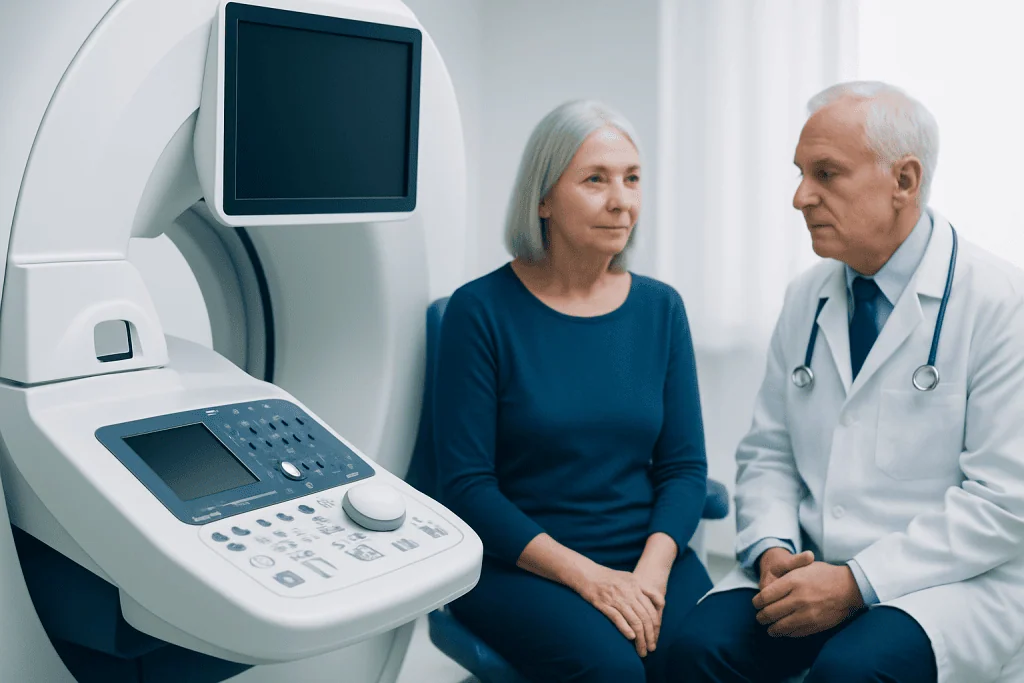
Geriatric neurologists evaluate a wide range of neurological problems in older adults. Common conditions include memory disorders and dementia, movement disorders such as tremor and Parkinson’s disease, the effects of stroke, epilepsy, neuropathy, dizziness, chronic headaches, sleep-related neurological symptoms, and walking or balance difficulties.
They also assess changes that may not fit neatly into one diagnosis at first. For example, an older person may develop slower walking, confusion, falls, or hand weakness. These symptoms can reflect more than one issue at the same time, such as nerve damage, arthritis, medication effects, inner ear problems, or an underlying neurological disease. A specialist helps organize these possibilities and guide the next steps.
Some patients are referred for ongoing management of a known condition. Others come for a second opinion when symptoms are changing or treatment is no longer working well. In many cases, neurological care is coordinated with primary care, geriatrics, rehabilitation, psychiatry, cardiology, and other specialties to support the whole person rather than only the diagnosis.
Symptoms that may suggest a neurological problem in older adults

Many neurological conditions begin gradually. Family members may first notice repeated questions, personality changes, unsteady walking, slowed movement, hand tremor, weakness, or new difficulty managing familiar tasks. Some symptoms are subtle at first, but become easier to recognize when they start to interfere with everyday life.
Symptoms that may warrant evaluation include memory loss beyond occasional forgetfulness, confusion, trouble finding words, tremor, stiffness, numbness, tingling, burning pain in the feet, frequent falls, dizziness, fainting episodes, sudden weakness, vision changes, seizures, or new severe headaches. Persistent sleepiness, changes in behavior, or difficulty swallowing can also be important neurological clues.
It can be hard to tell the difference between normal aging and a medical condition. Normal aging may involve slower recall or needing more time to learn new information, but it should not regularly disrupt safety, finances, medications, driving, or self-care. When symptoms are progressive, sudden, or clearly affecting daily function, assessment is important.
- Memory or thinking changes that disrupt daily life
- Tremor, slowed movement, or muscle stiffness
- Balance problems, dizziness, or unexplained falls
- Numbness, weakness, or burning pain in the limbs
- Speech, swallowing, or vision changes
- New symptoms after a stroke or head injury
When should someone see a geriatric neurologist?
A geriatric neurologist should be considered when an older adult develops ongoing or unexplained symptoms involving memory, movement, balance, sensation, speech, or strength. Referral is often especially helpful when symptoms are worsening, causing falls, reducing independence, or making it difficult to manage medications, cooking, finances, or personal care.
People who already have a neurological diagnosis may also benefit from specialist follow-up if their condition changes. For example, tremor may become more disabling, falls may increase, or memory symptoms may progress despite treatment. A specialist can review whether the original diagnosis still fits, whether complications have developed, and whether rehabilitation or a different treatment plan may help.
Urgent medical attention is needed for symptoms that start suddenly, such as weakness on one side, facial drooping, new speech difficulty, sudden confusion, severe dizziness with trouble walking, or sudden vision loss. These may be warning signs of stroke or another emergency. Even when symptoms seem mild, prompt evaluation is safest.
For non-emergency concerns, it is reasonable to book an appointment if symptoms last more than a few weeks, recur frequently, or worry the patient or family. Keeping a symptom diary can be helpful. Noting when symptoms occur, what seems to trigger them, and what medicines are being taken may make the consultation more informative.
How diagnosis is made
Diagnosis usually begins with a detailed conversation. The neurologist asks about the exact symptoms, when they started, how quickly they progressed, and whether they affect walking, memory, sleep, mood, bladder function, speech, or daily tasks. A medication review is especially important in older adults because some drugs can cause confusion, dizziness, tremor, or sleepiness.
A neurological examination checks strength, reflexes, coordination, sensation, eye movements, walking, balance, and mental status. Cognitive screening may be used to look at memory, attention, language, and problem-solving. If a caregiver or family member is present, their observations may provide useful information about changes over time.
Depending on the symptoms, the doctor may recommend further testing. This can include blood tests to look for reversible causes such as thyroid problems, vitamin deficiencies, or infection; brain imaging such as MRI scanning or CT; nerve tests; sleep evaluation; or a more detailed memory assessment. Testing is chosen individually rather than routinely, with the aim of answering specific clinical questions.
The specialist also looks at the bigger picture. Hearing loss, poor vision, mood disorders, alcohol use, dehydration, low blood pressure, poor sleep, and other medical conditions can all mimic or worsen neurological symptoms. A thorough approach can identify treatable contributors and help avoid unnecessary treatments.
Treatment options and long-term care
Treatment depends on the diagnosis, symptom severity, and the person’s overall health. In some cases, the main goal is to treat a reversible cause, such as a vitamin deficiency, medication side effect, sleep disorder, or infection. In others, care focuses on controlling symptoms, slowing progression where possible, preventing complications, and maintaining the best possible function.
Medication may be part of treatment for conditions such as Parkinson’s disease, seizures, neuropathic pain, dementia-related symptoms, or headache disorders. In older adults, specialists usually prescribe carefully because age, kidney function, blood pressure, and interactions with other medicines can affect safety. The simplest effective plan is often preferred.
Rehabilitation is an important part of geriatric neurology. Physical therapy and rehabilitation may improve strength, gait, balance, and fall prevention. Occupational therapy can support dressing, bathing, writing, cooking, and other daily tasks. Speech and language therapy may help with communication or swallowing concerns when these are present.
Some conditions require more specialized planning. For example, patients recovering from stroke rehabilitation may need coordinated care for mobility, speech, and cognition. People with significant movement symptoms may be assessed through movement disorders treatment pathways. Near the end of the care journey, patients and families may also need guidance on home safety, caregiver support, driving, nutrition, and future planning. Acibadem International’s multidisciplinary specialists and JCI-accredited hospitals diagnose and treat neurological conditions in older adults for international patients.
Prevention, self-care, and support for healthy brain aging
Not all neurological conditions can be prevented, but healthy habits can lower risk and support better brain function with age. Controlling blood pressure, diabetes, and cholesterol is important because these affect stroke risk and blood flow to the brain. Regular physical activity, enough sleep, hearing correction when needed, and social engagement may also support cognitive and physical health.
Nutrition matters as well. A balanced eating pattern with vegetables, fruits, whole grains, healthy fats, and adequate hydration supports general well-being. Limiting smoking and excess alcohol is also beneficial. For people with swallowing problems or significant weight loss, individualized advice from a doctor or dietitian may be needed.
Fall prevention is a major part of self-care in older adults with neurological symptoms. Practical measures include reviewing medications, using the correct glasses or hearing aids, wearing supportive shoes, improving home lighting, removing trip hazards, and asking about balance training. Family members can help by watching for changes that the patient may not notice, such as missed medications, slowed reactions, or new confusion.
It is also helpful to keep a current medication list and attend regular follow-up visits. Early reporting of new symptoms can lead to earlier treatment and safer daily living. Small changes noticed over time may be clinically meaningful, especially in conditions that progress gradually.
When to seek prompt medical care
Some neurological symptoms should never be ignored. Immediate medical attention is needed for sudden one-sided weakness, facial drooping, trouble speaking, severe sudden headache, new seizures, sudden vision loss, or sudden confusion. These signs may point to stroke, bleeding, infection, or another urgent condition where timing matters.
Prompt evaluation is also important after a fall with head injury, even if the person seems relatively well at first. Older adults may be more vulnerable to complications, especially if they take blood-thinning medication. Ongoing drowsiness, vomiting, worsening headache, or new confusion after a fall should be assessed quickly.
For non-emergency symptoms, medical review is still worthwhile if changes are persistent, progressive, or affecting independence. Families often play a key role by recognizing patterns and encouraging an appointment. Seeking help early can be reassuring, and in many cases it helps uncover conditions that are manageable or partly reversible.
Frequently asked questions
What is the difference between a neurologist and a geriatric neurologist?
A neurologist treats disorders of the brain, spinal cord, nerves, and muscles in adults of many ages. A geriatric neurologist focuses on these same conditions in older adults, with added attention to aging, multiple medications, frailty, memory concerns, falls, and how symptoms affect independence.
Is memory loss always a sign of dementia?
No. Mild forgetfulness can occur with normal aging, and memory problems may also be related to sleep issues, depression, medication side effects, thyroid problems, vitamin deficiencies, or other medical conditions. A proper assessment helps determine whether symptoms suggest dementia or a potentially reversible cause.
When should an older adult be evaluated for tremor or shaking?
Evaluation is a good idea when tremor is new, worsening, affects daily tasks, or occurs with stiffness, slowness, balance problems, or falls. Tremor can have several causes, including medication effects, essential tremor, Parkinson’s disease, or thyroid-related problems.
Can dizziness and falls be related to a neurological problem?
Yes. Dizziness and falls may be linked to nerve problems, stroke, Parkinsonism, balance disorders, or conditions that affect sensation and coordination. They can also be related to blood pressure changes, inner ear disease, vision problems, or medicines, which is why a broad assessment is often helpful.
What should someone bring to a geriatric neurology appointment?
It helps to bring a list of symptoms, when they began, and how they affect daily life. A full medication list, previous test results if available, and a family member or caregiver who has noticed changes can also make the visit more informative.
Can neurological conditions in older adults be treated?
Many can be treated or managed, even when they cannot be fully cured. Care may include medication, rehabilitation, fall prevention, treatment of contributing health problems, and practical support for memory, mobility, and safety.
References
- World Health Organization
- National Institute on Aging
- American Academy of Neurology
- National Institute of Neurological Disorders and Stroke
- Alzheimer's Association
This article is for general information only and is not a substitute for professional medical advice. Please consult a qualified doctor about your individual situation.
Geriatric Neurology in Turkey — costs, top hospitals & a free quote
JCI-accredited · board-certified surgeons · reply within 24h
Add us as a Preferred Source to see more of our trusted health content across Google Search, AI Overviews and Discover.

Neurology
Diagnosis and treatment of disorders of the brain, spinal cord, nerves and muscles.
51 specialists in this unit