What Is Heart Failure? Types, Causes, and How It Affects the Body

Heart failure happens when the heart cannot pump or fill effectively enough to support the body’s needs. Common symptoms include shortness of breath, tiredness, leg swelling, and reduced exercise tolerance.
Key Takeaways
- Heart failure happens when the heart cannot pump or fill effectively enough to support the body’s needs.
- Common symptoms include shortness of breath, tiredness, leg swelling, and reduced exercise tolerance.
- Coronary artery disease, high blood pressure, heart valve disease, and prior heart damage are frequent causes.
- Treatment often combines lifestyle changes, medicines, and sometimes devices or procedures.
- Early medical care can help control symptoms, reduce complications, and improve quality of life.
Heart failure is a long-term condition in which the heart cannot pump enough blood to meet the body’s needs. It does not mean the heart has stopped, but it does require careful diagnosis, treatment, and ongoing follow-up.
Overview of heart failure
Heart failure is a condition in which the heart cannot pump blood as effectively as the body needs, or it cannot relax and fill properly between beats. As a result, organs and tissues may receive less oxygen-rich blood, and fluid can build up in the lungs, legs, abdomen, or other parts of the body. Although the name sounds alarming, heart failure does not mean the heart has stopped working. It means the heart is not working as efficiently as it should.
Heart failure can develop suddenly, but more often it develops gradually over time. It may affect the left side of the heart, the right side, or both sides. Some people mainly have trouble with pumping strength, while others have a heart muscle that is stiff and does not fill normally. Because heart failure can have several causes and forms, treatment is tailored to the individual.
This condition is common, especially in older adults and in people with other heart or metabolic conditions. With proper care, many people live with heart failure for years. The goals of treatment are to relieve symptoms, improve daily function, slow progression, and lower the risk of hospital stays and complications.
Types and how heart failure affects the body
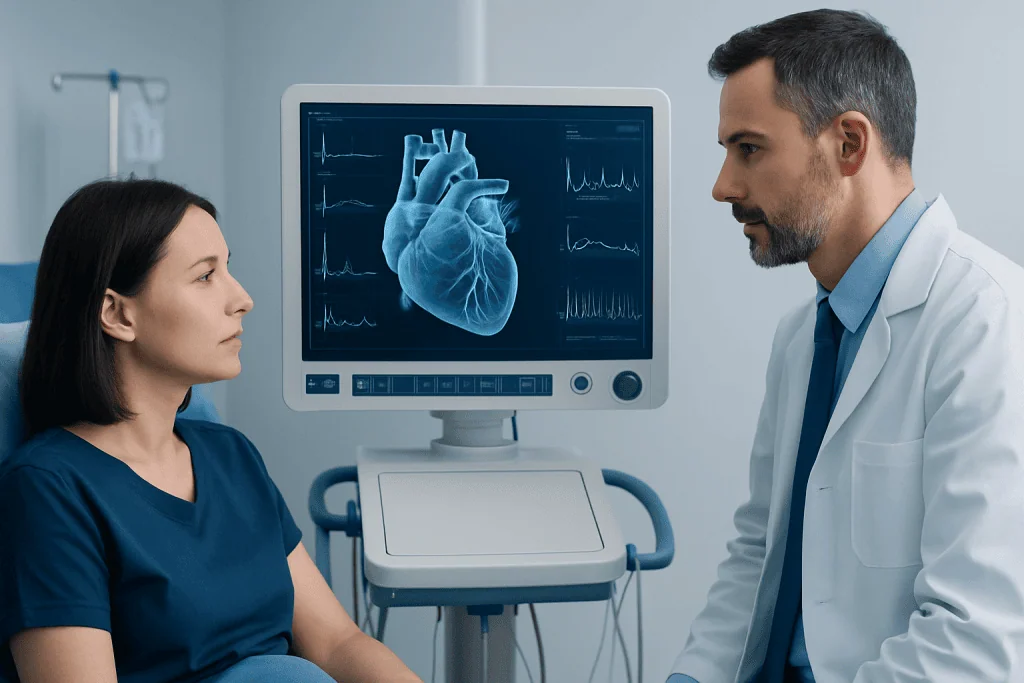
Doctors often describe heart failure by which side of the heart is affected and whether the main problem is pumping or filling. Left-sided heart failure is the most common type. When the left side cannot pump effectively, blood can back up into the lungs, causing shortness of breath, especially during activity or when lying flat. Right-sided heart failure may cause swelling in the legs, ankles, feet, or abdomen because fluid builds up in the body.
Heart failure is also classified by ejection fraction, a measurement that helps show how well the left ventricle pumps blood. In heart failure with reduced ejection fraction, the heart muscle is weakened and cannot squeeze strongly enough. In heart failure with preserved ejection fraction, the pumping percentage may appear normal, but the heart muscle is stiff and does not fill properly. Both types can cause similar symptoms and both need medical care.
Over time, heart failure can affect the whole body. Reduced blood flow may lead to fatigue, weakness, mental fogginess, and reduced exercise capacity. Fluid buildup may cause coughing, breathlessness, weight gain from retained fluid, and swelling. The kidneys may also be affected because they rely on healthy blood flow and fluid balance. If left untreated, heart failure can gradually strain multiple organ systems.
Symptoms of heart failure

Symptoms of heart failure can vary from person to person and may range from mild to severe. Some people notice symptoms only during physical activity at first, while others may have symptoms at rest as the condition progresses. Symptoms can develop slowly or worsen more suddenly if fluid builds up quickly.
Common symptoms include shortness of breath, especially with exertion or when lying flat, unusual tiredness, weakness, and swelling in the ankles, legs, or feet. Some people wake up at night feeling breathless. Others notice rapid weight gain over a few days, reduced ability to exercise, a persistent cough, or a feeling of chest congestion due to fluid buildup in the lungs.
Additional symptoms may include a fast or irregular heartbeat, reduced appetite, abdominal bloating, nausea, or difficulty concentrating. These symptoms are not specific to heart failure alone, so they need proper medical evaluation. When symptoms become more frequent or severe, prompt assessment is important.
- Shortness of breath during activity or at rest
- Fatigue and reduced stamina
- Swelling in the legs, ankles, feet, or abdomen
- Persistent cough or wheezing
- Rapid weight gain from fluid retention
- Palpitations or a racing heartbeat
Causes and risk factors
Heart failure is usually a result of another condition that has damaged or overworked the heart. One of the most common causes is coronary artery disease, which reduces blood flow to the heart muscle and can lead to a prior heart attack. Long-standing high blood pressure is another major cause because it forces the heart to work harder over time. This extra strain can weaken or stiffen the heart muscle.
Other causes include heart valve disease, cardiomyopathy, congenital heart disease, heart rhythm problems, and inflammation or infection affecting the heart muscle. Conditions such as diabetes, obesity, chronic kidney disease, thyroid disorders, and sleep apnea can also increase the risk. In some cases, excessive alcohol use, certain drugs, or some cancer treatments may contribute to heart muscle damage.
Age is an important risk factor, but heart failure is not a normal part of aging. People with coronary artery disease, uncontrolled blood pressure, or a history of heart attack may be at higher risk. The earlier these underlying problems are identified and managed, the better the chance of preventing or delaying heart failure.
How heart failure is diagnosed
Diagnosing heart failure starts with a medical history and physical examination. A doctor will ask about symptoms such as breathlessness, swelling, fatigue, and weight changes, as well as past heart conditions, blood pressure, diabetes, and family history. During the examination, the doctor may listen to the heart and lungs, check for fluid retention, and look for signs of poor circulation.
Tests help confirm the diagnosis and identify the cause. Blood tests may be used to look for markers of heart strain and to check kidney function, thyroid function, and other related issues. Imaging tests are central to the evaluation. An echocardiogram is commonly used to assess heart structure, pumping function, and valve problems. A chest X-ray may show fluid in the lungs or an enlarged heart, and an electrocardiogram can detect rhythm disturbances or evidence of prior heart injury.
Some people may need further evaluation, such as stress testing, advanced imaging, or a procedure to look at the heart’s blood supply. In selected cases, doctors may recommend coronary angiography if blocked arteries are suspected. Because many conditions can mimic heart failure, accurate diagnosis is important before treatment is planned.
Treatment options for heart failure
Treatment for heart failure depends on the type, cause, and severity of the condition. In most cases, care includes a combination of lifestyle measures and medicines. Common treatment goals are to reduce symptoms, remove excess fluid, support the heart’s function, and treat the underlying cause. Doctors may prescribe medicines to lower blood pressure, reduce fluid retention, improve the heart’s pumping efficiency, and protect the heart over time.
When an underlying problem can be corrected, treating it may significantly improve heart failure. This may include treating blocked coronary arteries, repairing or replacing diseased heart valves, or controlling abnormal heart rhythms. Some patients may benefit from specialized procedures or devices, depending on the exact cause and the heart’s pumping function. For example, selected people may be considered for heart valve replacement or pacemaker therapy.
Advanced heart failure may require more intensive treatment and closer follow-up. In severe cases, experts may discuss additional options such as advanced device therapy or surgery. Care is often best delivered by a multidisciplinary team. Near the end of the care pathway, some international patients may seek evaluation at centers such as Acibadem International, where multidisciplinary specialists in JCI-accredited hospitals diagnose and treat complex heart conditions.
Prevention and self-care
Not all cases of heart failure can be prevented, but many risk factors can be managed. Protecting heart health starts with controlling blood pressure, cholesterol, and diabetes, not smoking, staying physically active, and maintaining a healthy weight. Limiting excess salt and highly processed foods may also help reduce fluid retention and cardiovascular strain.
For people already diagnosed with heart failure, self-care is an important part of treatment. Following the prescribed medication plan, attending follow-up appointments, and monitoring symptoms at home can help prevent worsening. Many patients are advised to check their weight regularly because a sudden increase may signal fluid buildup. It is also important to discuss alcohol use, over-the-counter medicines, and supplements with a doctor, since some may worsen symptoms or interact with treatment.
Vaccinations, good sleep, and management of related conditions such as kidney disease or sleep apnea can also support overall health. People with heart failure should avoid making major changes to exercise or diet without medical guidance. Small, steady changes are often the safest and most sustainable approach.
When to see a doctor
A person should see a doctor if they develop ongoing shortness of breath, swelling in the legs or abdomen, unusual fatigue, or a reduced ability to do normal activities. These symptoms do not always mean heart failure, but they do need assessment, especially in someone with high blood pressure, coronary artery disease, diabetes, or a previous heart problem.
Urgent medical care is needed if symptoms suddenly worsen, such as severe breathlessness, fainting, chest pain, confusion, blue lips, or rapid weight gain with increasing swelling. These may be signs that the heart or lungs are under significant stress. Quick treatment can help reduce complications and improve safety.
Regular follow-up is important even when symptoms are stable. Heart failure often changes over time, and treatment may need adjustment. Early communication with a qualified doctor can help address warning signs before they become more serious.
Frequently asked questions
Does heart failure mean the heart has stopped?
No. Heart failure means the heart is not pumping blood as efficiently as the body needs, or it is not filling properly between beats. It is a serious medical condition, but it is different from cardiac arrest, which is when the heart suddenly stops.
Can heart failure be cured?
Heart failure is often a long-term condition, but it can usually be managed. In some cases, symptoms improve significantly when the underlying cause is treated, such as controlling blood pressure or fixing a valve problem. Even when it cannot be fully reversed, treatment can help people live better and more comfortably.
What is the most common symptom of heart failure?
Shortness of breath is one of the most common symptoms, especially during activity or when lying flat. Many people also notice tiredness and swelling in the legs or ankles. Symptoms may start gradually and become more noticeable over time.
Is heart failure the same as a heart attack?
No. A heart attack happens when blood flow to part of the heart muscle is suddenly blocked. Heart failure is a condition in which the heart cannot pump or fill effectively; a previous heart attack can be one cause of heart failure.
Can younger people get heart failure?
Yes, although it is more common in older adults. Younger people can develop heart failure because of inherited heart muscle disease, congenital heart disease, severe high blood pressure, infections, or other medical conditions. A doctor can help identify the cause and the best treatment plan.
What should a person with heart failure monitor at home?
Doctors often recommend tracking symptoms, daily weight, swelling, and any change in breathing or exercise tolerance. A sudden increase in weight over a short period may suggest fluid retention. Any clear worsening should be reported to a healthcare professional promptly.
References
- World Health Organization
- American Heart Association
- European Society of Cardiology
- National Heart, Lung, and Blood Institute
- Centers for Disease Control and Prevention
This article is for general information only and is not a substitute for professional medical advice. Please consult a qualified doctor about your individual situation.
Heart Failure in Turkey — costs, top hospitals & a free quote
JCI-accredited · board-certified surgeons · reply within 24h
Add us as a Preferred Source to see more of our trusted health content across Google Search, AI Overviews and Discover.
Check your numbers in seconds
BMI, calories, due date, blood pressure and 30+ more clinical calculators — free, instant, doctor-reviewed ranges.