What Is IVF Treatment? Step-by-Step Fertility Guide

IVF treatment involves ovarian stimulation, egg retrieval, fertilization, embryo culture, and embryo transfer. It may be recommended for blocked fallopian tubes, ovulation problems, male factor infertility, endometriosis, or unexplained infertility.
Key Takeaways
- IVF treatment involves ovarian stimulation, egg retrieval, fertilization, embryo culture, and embryo transfer.
- It may be recommended for blocked fallopian tubes, ovulation problems, male factor infertility, endometriosis, or unexplained infertility.
- Not every IVF cycle leads to pregnancy, and the process may require more than one attempt.
- Careful testing, personalized planning, and close medical follow-up are important throughout treatment.
- Lifestyle habits such as avoiding smoking and following medical advice can support overall reproductive health.
IVF treatment, or in vitro fertilization, is a fertility procedure in which eggs and sperm are combined outside the body and one or more embryos are placed in the uterus. It can help some people and couples achieve pregnancy when natural conception is difficult or unsuccessful.
Overview of IVF Treatment
IVF treatment stands for in vitro fertilization. In this procedure, eggs are collected from the ovaries and combined with sperm in a laboratory. If fertilization takes place, the resulting embryo is monitored for several days before being placed in the uterus. The goal is to support pregnancy in people who have difficulty conceiving naturally.
IVF is one of the most widely used forms of assisted reproductive technology. It may be considered after other fertility treatments have not worked, or it may be recommended earlier depending on the cause of infertility, age, ovarian reserve, sperm factors, or previous medical history. The treatment plan is usually individualized after a fertility assessment.
For many patients, IVF can feel complex at first. However, it is a structured process with clear steps, regular monitoring, and medical guidance at each stage. Understanding what happens before, during, and after treatment can make the experience feel more manageable and informed.
Who May Need IVF
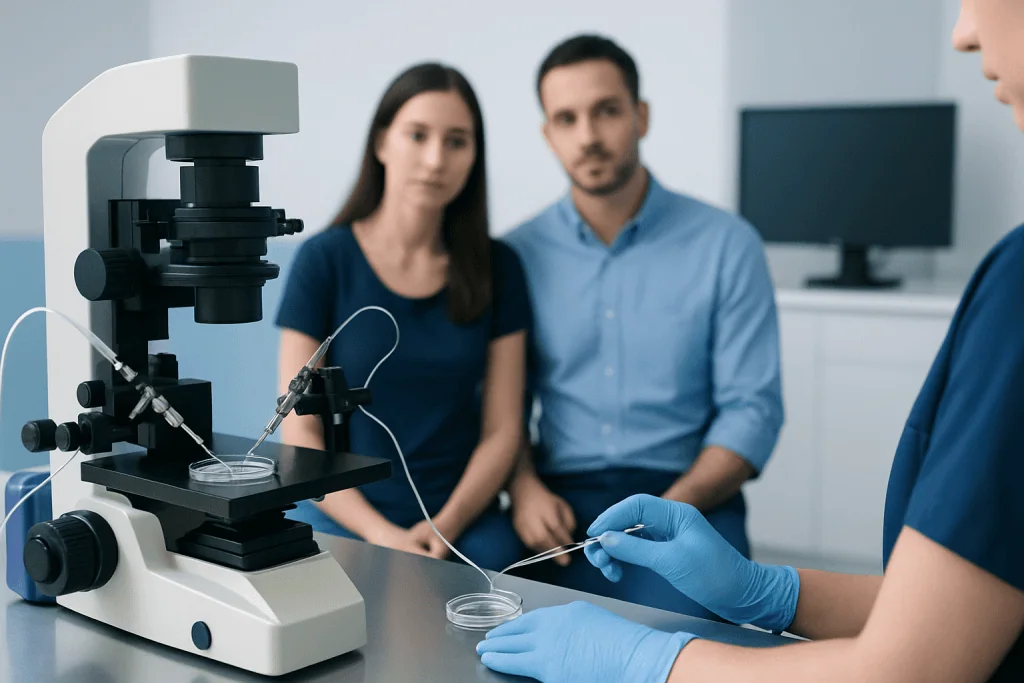
IVF treatment may help when pregnancy has not occurred despite regular, unprotected intercourse over time, or when there is a known medical reason that makes natural conception difficult. Doctors may recommend IVF for women, men, or couples with one or more fertility-related conditions. It can also be used in some cases involving single parents or people using donor eggs, donor sperm, or a gestational carrier, depending on local regulations and individual circumstances.
Common reasons for IVF include blocked or damaged fallopian tubes, reduced ovarian reserve, ovulation disorders, endometriosis, male factor infertility, or unexplained infertility. In some cases, IVF is also considered after repeated unsuccessful treatments such as ovulation induction or intrauterine insemination. Related fertility conditions may include endometriosis or polycystic ovary syndrome when they affect conception.
A fertility specialist usually reviews age, menstrual history, hormone levels, ultrasound findings, semen analysis, previous pregnancies, and other health factors before advising IVF. This helps determine whether IVF is appropriate and whether additional steps, such as preimplantation genetic testing, may be discussed in selected situations.
Step-by-Step IVF Process
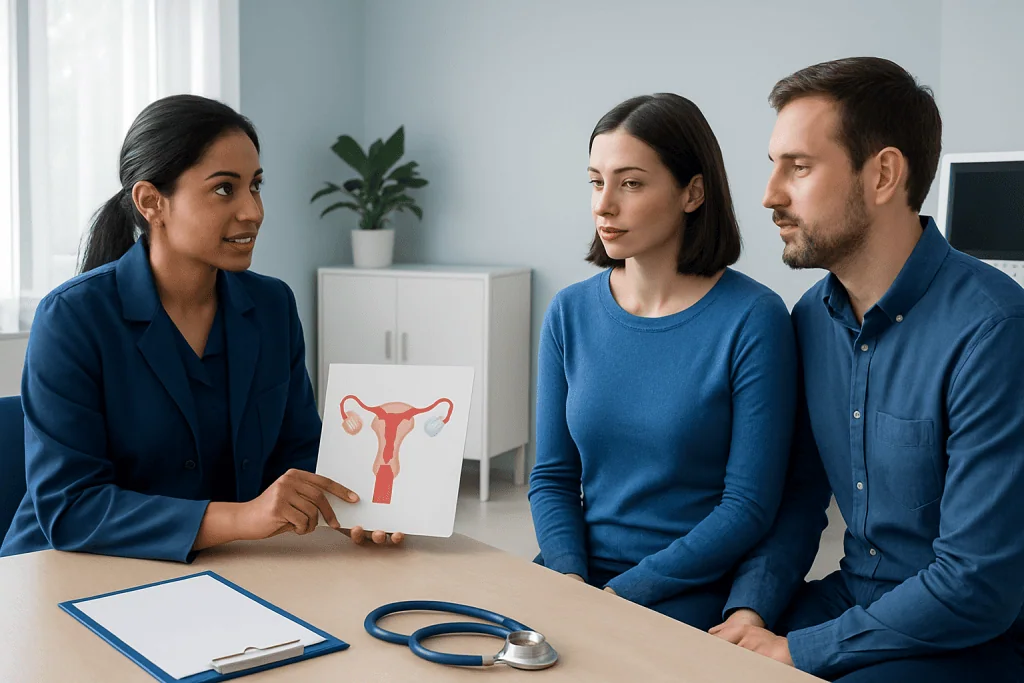
The IVF process usually begins with ovarian stimulation. Fertility medications are used to encourage the ovaries to produce more than one mature egg in a cycle. During this stage, the patient has blood tests and ultrasound scans so the care team can monitor how the follicles are developing and decide the right time for the next step.
When the eggs are ready, a trigger medication helps final maturation. Egg retrieval then takes place, usually with ultrasound guidance and sedation. The eggs are collected from the ovaries using a thin needle. On the same day, a sperm sample is prepared in the laboratory. Fertilization may happen by placing eggs and sperm together or by injecting a single sperm into an egg, a technique known as ICSI, which may be used in selected cases of male factor infertility.
After fertilization, the embryos are observed in the laboratory for several days. The team checks how they are developing and selects the embryo or embryos considered most suitable for transfer. The embryo transfer itself is typically a short procedure that places the embryo into the uterus using a thin catheter. Some patients may have a fresh transfer in the same cycle, while others may have embryos frozen for a later frozen embryo transfer using IVF treatment.
Following transfer, hormone support may be given to help prepare the uterine lining. A pregnancy blood test is usually done around two weeks later. This waiting period can feel emotionally demanding, but it is a normal part of the process and close communication with the fertility team can be helpful.
Tests and Preparation Before IVF
Before IVF treatment starts, doctors usually perform a detailed fertility evaluation. For the woman, this may include hormone blood tests, pelvic ultrasound, ovarian reserve testing, and checks of the uterus. For the man, semen analysis is a standard part of assessment. Infectious disease screening and general health review may also be advised for both partners.
The uterus may need further evaluation with imaging or a small procedure if there is concern about fibroids, polyps, congenital differences, or scarring that could affect implantation. In some patients, doctors may suggest managing other conditions first, such as thyroid disease, diabetes, weight-related factors, or uterine problems. Depending on the findings, related procedures such as hysteroscopy may be recommended before an embryo transfer.
Preparation also includes discussing medications, expected timelines, possible risks, and what to do during stimulation and recovery. Patients are often advised to take prenatal vitamins including folic acid, avoid smoking, limit alcohol, and ask about any non-prescription supplements they use. This planning stage helps make treatment safer and more personalized.
Benefits, Risks, and Success Factors
One of the main benefits of IVF treatment is that it can bypass certain barriers to natural conception. It allows fertilization to happen under controlled laboratory conditions and gives specialists the ability to monitor embryo development before transfer. IVF can also create embryos that may be frozen for future use, which may reduce the need to repeat every step in a later cycle.
Like any medical procedure, IVF has possible risks and limitations. Ovarian stimulation can sometimes lead to ovarian hyperstimulation syndrome, especially in people who respond strongly to medication. Egg retrieval may cause temporary pain, cramping, bleeding, or, rarely, infection. Emotional stress is also common because treatment can involve uncertainty, waiting, and high expectations.
Success depends on many factors, including age, egg quality, sperm quality, embryo quality, uterine health, and the reason for infertility. It is important for patients to understand that IVF does not guarantee pregnancy in one cycle. A doctor can explain realistic expectations based on individual findings and whether options such as embryo freezing may be helpful as part of longer-term planning.
Recovery, Self-Care, and Emotional Support
Most patients recover quickly after egg retrieval and embryo transfer, although mild bloating, cramping, spotting, or fatigue may occur. The fertility team usually provides clear instructions about activity, medications, and when to seek help. Rest may be helpful on the day of a procedure, but prolonged bed rest is generally not required unless a doctor advises it for a specific reason.
Self-care during IVF often focuses on general health. This includes regular sleep, balanced nutrition, hydration, light physical activity if approved, and avoiding smoking or recreational drugs. Patients should use only medications and supplements approved by their doctor, since some substances may interfere with treatment or early pregnancy.
The emotional side of IVF deserves attention as well. Many people experience hope, anxiety, disappointment, or mixed feelings during treatment. Support from a partner, family member, counselor, or fertility support group can be valuable. A calm, informed approach can help patients cope with each stage while staying connected to their medical team.
When to See a Fertility Specialist
It is a good idea to seek medical advice if pregnancy has not happened after a period of trying, especially when there are known fertility concerns. Earlier evaluation may be appropriate for women over 35, people with irregular or absent periods, previous pelvic infection, endometriosis, recurrent pregnancy loss, or a history of cancer treatment. Men should also be assessed if there are concerns about sperm count, previous testicular problems, or sexual function issues that may affect fertility.
A fertility specialist can explain whether IVF treatment is the most suitable option or whether other treatments should be tried first. The aim is not only to improve the chance of pregnancy, but also to identify medical issues that may affect reproductive health and overall well-being. Timely assessment can make it easier to choose the right path with realistic expectations.
For patients seeking care abroad, Acibadem International’s multidisciplinary specialists and JCI-accredited hospitals provide evaluation and treatment for infertility, including IVF, with coordinated support for international patients. Even so, the decision to begin treatment should always be made after a full consultation with a qualified fertility expert.
Frequently asked questions
What does IVF treatment mean?
IVF treatment means in vitro fertilization, a process in which eggs and sperm are combined outside the body in a laboratory. If an embryo develops, it is transferred to the uterus in the hope of achieving pregnancy.
How long does one IVF cycle usually take?
One IVF cycle often takes several weeks from the start of ovarian stimulation to the pregnancy test. The exact timeline can vary depending on the protocol, response to medication, and whether the embryo transfer is fresh or frozen.
Is IVF treatment painful?
Many patients describe IVF as uncomfortable rather than severely painful. Injections, bloating during stimulation, and mild cramping after egg retrieval or transfer can occur, but the care team usually provides guidance to help manage symptoms.
Who is a good candidate for IVF?
IVF may be suitable for people with blocked fallopian tubes, ovulation disorders, endometriosis, male factor infertility, unexplained infertility, or reduced fertility related to age. A fertility specialist decides suitability after reviewing medical history, tests, and reproductive goals.
Can IVF be successful on the first try?
Yes, some patients do become pregnant after the first IVF cycle. However, success varies from person to person, and some may need more than one cycle depending on age, embryo quality, and underlying fertility factors.
Are there risks with IVF treatment?
IVF treatment has some risks, including medication side effects, ovarian hyperstimulation syndrome, and minor risks linked to egg retrieval. Emotional stress is also common, so ongoing medical and psychological support can be helpful.
References
- World Health Organization
- American Society for Reproductive Medicine
- European Society of Human Reproduction and Embryology
- National Institute for Health and Care Excellence
- Centers for Disease Control and Prevention
This article is for general information only and is not a substitute for professional medical advice. Please consult a qualified doctor about your individual situation.
IVF Treatment in Turkey — costs, top hospitals & a free quote
JCI-accredited · board-certified surgeons · reply within 24h
Add us as a Preferred Source to see more of our trusted health content across Google Search, AI Overviews and Discover.
Check your numbers in seconds
BMI, calories, due date, blood pressure and 30+ more clinical calculators — free, instant, doctor-reviewed ranges.

IVF & Reproductive Health
Assisted reproduction and fertility treatments tailored to each couple.