What Is Malignancy? Understanding Benign vs Malignant Tumors

A malignancy is a cancerous growth with the potential to invade and spread. Benign tumors are not cancer, but they can still cause symptoms depending on their size and location.
Key Takeaways
- A malignancy is a cancerous growth with the potential to invade and spread.
- Benign tumors are not cancer, but they can still cause symptoms depending on their size and location.
- Doctors usually confirm whether a tumor is benign or malignant through imaging and biopsy.
- Treatment depends on the tumor type, stage, location, and the person’s overall health.
- Early evaluation of unusual lumps, bleeding, pain, or unexplained weight loss can improve outcomes.
Malignancy refers to a cancerous process in which abnormal cells can grow uncontrollably, invade nearby tissues, and sometimes spread to other parts of the body. Understanding the difference between benign and malignant tumors can help patients make sense of diagnosis, testing, and treatment decisions.
Overview: What does malignancy mean?
Malignancy is a medical term used to describe cancer. A malignant tumor is made of abnormal cells that can grow in an uncontrolled way, invade nearby tissues, and in some cases spread to distant organs through the blood or lymphatic system. This behavior is what makes a malignancy different from a benign, or noncancerous, tumor.
Not every lump or mass is cancer. Many growths found in the body are benign and may remain small, slow-growing, or harmless for years. Even so, a new mass, persistent swelling, or unexplained symptom should be assessed by a doctor because only proper testing can show whether a tumor is benign or malignant.
Malignancy can develop in almost any tissue, including the breast, lung, colon, skin, blood, bones, and brain. Some cancers form solid tumors, while others, such as leukemia, affect blood-forming tissues and do not create a typical lump. Because cancer is not one single disease, diagnosis and treatment vary widely from one type to another.
Benign vs malignant tumors: what is the difference?
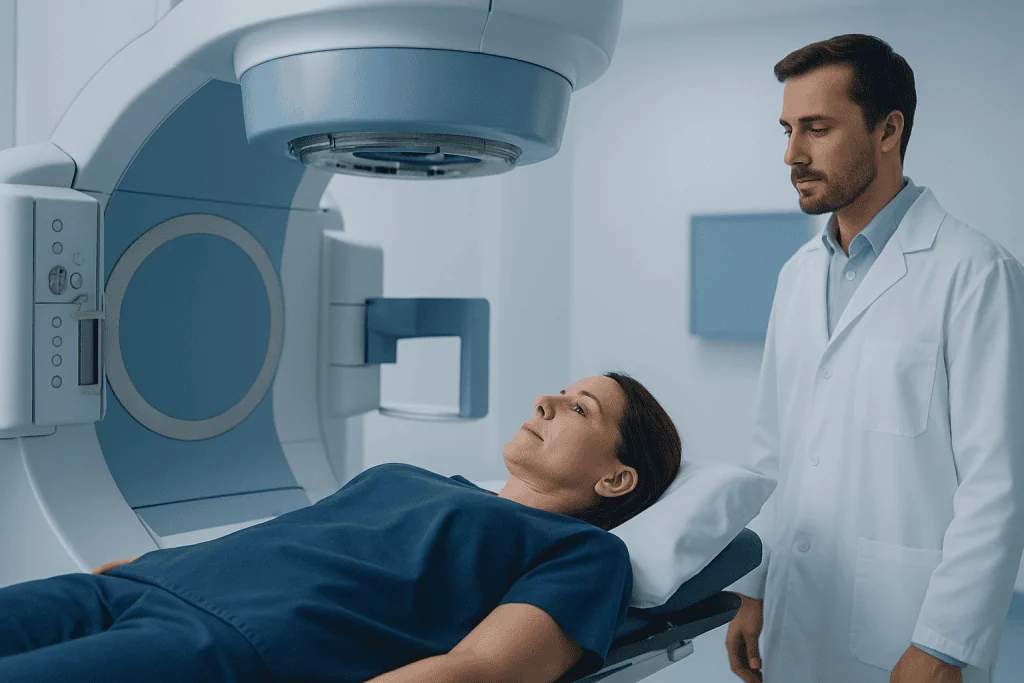
The main difference between benign and malignant tumors is how they behave. Benign tumors tend to stay in one place and do not spread to distant parts of the body. Malignant tumors can invade nearby structures and may metastasize, which means cancer cells break away and form new tumors elsewhere.
Benign tumors often grow more slowly and may have clearer borders. In some cases, they can be removed completely and may not return. However, benign does not always mean unimportant. A benign tumor can still press on nerves, blood vessels, or organs and cause pain, hormone changes, blockage, or other symptoms depending on where it develops.
Malignant tumors are more likely to grow irregularly and damage surrounding tissue. Under a microscope, cancer cells often look abnormal compared with healthy cells. Doctors may also describe a malignant tumor by its grade, which reflects how aggressive the cells appear, and by its stage, which describes how far the cancer has spread.
- Benign tumor: noncancerous, usually localized, does not metastasize
- Malignant tumor: cancerous, can invade nearby tissue, may spread to other organs
- Borderline or precancerous changes: some abnormal growths are not yet cancer but may require close follow-up or treatment
Symptoms that may suggest a tumor or malignancy

Symptoms depend greatly on the tumor’s size, type, and location. Some tumors cause no symptoms at all and are found during routine screening or imaging done for another reason. Others become noticeable because they form a lump, cause pain, or interfere with normal body functions.
Possible warning signs can include a new or enlarging lump, unexplained bleeding, ongoing fatigue, persistent pain, changes in bowel or bladder habits, a cough that does not improve, unusual weight loss, difficulty swallowing, or skin changes such as a mole that changes in size, shape, or color. These symptoms do not always mean cancer, but they deserve medical attention if they persist or worsen.
Different cancers have different patterns. For example, a breast mass may raise concern for breast cancer, while a long-lasting change in bowel habits may prompt evaluation for colon cancer. In other cases, symptoms are more general. Because many noncancerous conditions can cause similar problems, diagnosis should be based on a doctor’s examination and appropriate tests rather than symptoms alone.
Causes and risk factors
Malignancy develops when genetic changes accumulate in cells and disrupt the normal controls that regulate growth, repair, and cell death. These changes can happen over time for many reasons. In most cases, cancer does not have one single cause but results from a combination of inherited traits, age-related changes, environmental exposures, and lifestyle factors.
Common risk factors include tobacco use, excessive alcohol use, obesity, low physical activity, long-term sun exposure, certain infections, radiation exposure, and contact with some chemicals in the environment or workplace. Family history can also be important. Some people inherit gene changes that increase the risk of particular cancers, although inheriting a risk does not mean cancer will definitely develop.
Age is one of the strongest overall risk factors because abnormal cells have more time to accumulate mutations over the years. Still, malignancy can occur at any age. Reducing risk involves practical steps such as not smoking, limiting alcohol, protecting the skin from ultraviolet light, maintaining a healthy weight, staying physically active, keeping up with recommended vaccines and screenings, and discussing personal or family history with a doctor.
How doctors diagnose benign and malignant tumors
Diagnosis usually starts with a medical history and physical examination. A doctor asks about symptoms, how long they have been present, whether they are changing, and whether there is a personal or family history of cancer. If a tumor is suspected, the next step often includes imaging tests to learn more about its size, shape, location, and effect on surrounding tissues.
Imaging may include ultrasound, X-ray, mammography, CT, MRI, or PET-CT depending on the part of the body being assessed. Blood tests can sometimes provide helpful information, but they usually cannot confirm on their own whether a growth is malignant. Screening tests may detect some cancers before symptoms appear, which is one reason routine screening can be valuable for eligible patients.
In most cases, the only way to confirm malignancy is by examining a tissue sample. This is called a biopsy. The sample is reviewed by a pathologist, who determines whether the cells are benign or malignant and often identifies the exact tumor type. Some people may need additional procedures such as biopsy or PET-CT imaging to help stage the disease and guide treatment planning.
Treatment options for malignant tumors
Treatment for a malignancy depends on many factors, including the type of cancer, its stage and grade, where it is located, whether it has spread, and the patient’s overall health and goals. Some cancers are treated with one main approach, while others need a combination of therapies. The care plan is usually made by a multidisciplinary team.
Surgery may be used to remove a tumor, confirm a diagnosis, relieve symptoms, or reduce the amount of cancer in the body. Other common treatments include chemotherapy, radiotherapy, targeted therapy, immunotherapy, hormone therapy, and in some cases stem cell transplantation. Some patients also benefit from supportive treatments for pain, nutrition, fatigue, or emotional well-being during and after cancer care.
Benign tumors may not need treatment unless they cause symptoms, grow quickly, or have uncertain features. In some situations, careful monitoring is enough. For malignant tumors, early and individualized treatment is important. Near the end of the care pathway, patients seeking coordinated oncology care may wish to know that Acibadem International’s multidisciplinary specialists and JCI-accredited hospitals diagnose and treat cancer for international patients.
Prevention, screening, and self-care
Not all malignancies can be prevented, but healthy habits can lower risk. Avoiding tobacco is one of the most effective steps. Other practical measures include limiting alcohol, eating a balanced diet, staying physically active, protecting the skin from excessive sun, and keeping chronic conditions such as obesity under better control.
Screening can help detect some cancers early, sometimes before symptoms begin. Recommended screening varies by age, sex, family history, and other risk factors. Examples include breast screening, cervical screening, colorectal screening, skin checks in selected patients, and lung cancer screening for some people with a significant smoking history. A doctor can advise which tests are appropriate.
Self-care also matters during evaluation or treatment. Patients are often helped by keeping a record of symptoms, attending follow-up appointments, taking medicines as prescribed, and seeking support for stress or anxiety. Reliable information and open communication with the healthcare team can make a diagnosis feel more manageable and can support better decision-making.
When to see a doctor
A person should see a doctor if they notice a new lump, a sore that does not heal, persistent unexplained pain, unusual bleeding, a lasting cough, difficulty swallowing, ongoing changes in bowel or bladder habits, or unexplained weight loss. These signs are not always caused by cancer, but they should not be ignored if they continue.
Urgent medical review is especially important when symptoms are worsening, interfering with daily life, or occurring in someone with a strong family history of cancer. People who have already had cancer should also report any new or returning symptoms promptly, as follow-up is an important part of long-term care.
Getting checked does not mean a serious diagnosis is certain. In fact, many concerning symptoms turn out to have benign causes. Even so, timely evaluation gives the best chance of reaching a clear diagnosis and starting the right treatment, if needed.
Frequently asked questions
Is malignancy the same as cancer?
Yes. In medical language, malignancy refers to cancer or a cancerous process. It means abnormal cells have the ability to grow uncontrollably and may invade nearby tissue or spread to other parts of the body.
Can a benign tumor become malignant?
Some benign tumors stay benign for life, while certain abnormal or precancerous growths can develop into cancer over time. The risk depends on the tumor type and where it is located. This is why doctors may recommend removal or monitoring for some noncancerous growths.
Does every malignant tumor spread?
No. A malignant tumor has the potential to spread, but not all cancers do so at the time they are found. Some are detected early and remain localized, which can make treatment more effective.
How do doctors know if a tumor is benign or malignant?
Doctors often begin with an examination and imaging tests, but a biopsy is usually needed for a definite diagnosis. A pathologist studies the tissue under a microscope to identify whether the cells are benign or cancerous and what type of tumor is present.
Are all lumps cancer?
No. Many lumps are caused by cysts, inflammation, infections, or other benign conditions. However, any new, enlarging, or unexplained lump should be checked by a healthcare professional.
What is the difference between cancer stage and grade?
Stage describes how large a cancer is and whether it has spread in the body. Grade describes how abnormal the cancer cells look under a microscope and may suggest how quickly the tumor is likely to grow.
References
- World Health Organization
- National Cancer Institute
- American Cancer Society
- Mayo Clinic
- National Health Service
This article is for general information only and is not a substitute for professional medical advice. Please consult a qualified doctor about your individual situation.
Oncology care in Turkey — second opinion and treatment plan
JCI-accredited · board-certified surgeons · reply within 24h
Add us as a Preferred Source to see more of our trusted health content across Google Search, AI Overviews and Discover.