What Is Neurological Sleep Medicine and When Is a Neurologist Involved?

Neurological sleep medicine evaluates sleep problems related to brain and nerve function. A neurologist may help when symptoms suggest narcolepsy, parasomnias, sleep-related movement disorders, or nighttime seizures.
Key Takeaways
- Neurological sleep medicine evaluates sleep problems related to brain and nerve function.
- A neurologist may help when symptoms suggest narcolepsy, parasomnias, sleep-related movement disorders, or nighttime seizures.
- Diagnosis may include a sleep history, neurological examination, sleep study, and other specialized tests.
- Treatment depends on the cause and may combine lifestyle steps, devices, medications, and management of underlying neurological conditions.
- Persistent daytime sleepiness, unusual behaviors during sleep, or sudden muscle weakness with emotions should be medically assessed.
Neurological sleep medicine focuses on sleep disorders that involve the brain, nerves, and body systems that control sleep and wakefulness. A neurologist may be involved when sleep problems are complex, persistent, or suspected to be related to conditions such as narcolepsy, restless legs syndrome, parasomnias, seizures during sleep, or movement disorders.
Overview
Neurological sleep medicine is a subspecialty that looks at how the brain and nervous system affect sleep, wakefulness, breathing during sleep, movement during sleep, and unusual behaviors at night. Sleep is not simply “rest.” It is an active biological process controlled by networks in the brain, along with signals from muscles, nerves, hormones, and breathing centers. When these systems are disrupted, a person may develop ongoing sleep symptoms that affect daily life, mood, concentration, and overall health.
Many sleep problems can first be evaluated by a primary care doctor or a general sleep specialist. However, a neurologist becomes especially important when symptoms suggest a disorder involving brain function, nerve signaling, muscle activity, or sleep-wake regulation. Examples include narcolepsy, restless legs syndrome, periodic limb movement disorder, REM sleep behavior disorder, central sleep apnea, and nighttime events that may resemble seizures.
Neurological sleep medicine also overlaps with other fields. Some patients have breathing-related sleep disorders such as obstructive sleep apnea, while others have sleep symptoms linked to conditions like Parkinson’s disease, epilepsy, stroke, dementia, headache disorders, or neuropathy. Because these situations can be complex, care may involve coordinated assessment by specialists in neurology, pulmonology, ENT, cardiology, and mental health.
Common Symptoms and Sleep Problems
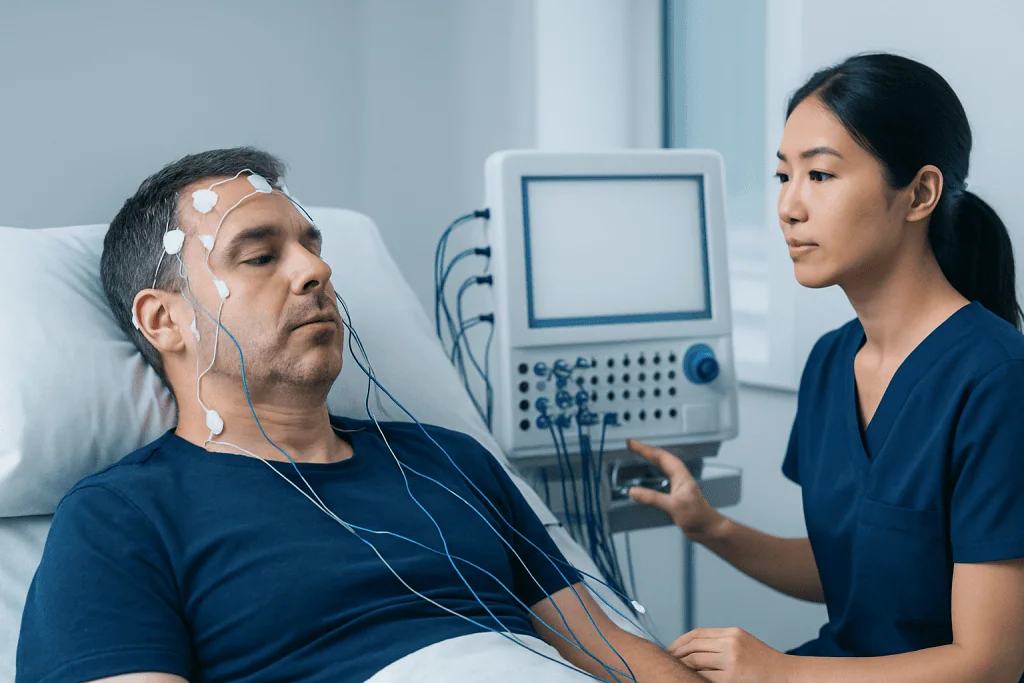
People are often referred to neurological sleep medicine because their symptoms go beyond occasional poor sleep. Common concerns include excessive daytime sleepiness, trouble staying awake, sudden sleep attacks, difficulty falling or staying asleep, uncomfortable sensations in the legs at night, repeated kicking during sleep, vivid dream enactment, or unusual nighttime behaviors such as sleepwalking or confusion after waking.
Some symptoms point more strongly toward neurologic involvement. For example, sudden loss of muscle tone triggered by laughter or emotion may suggest narcolepsy with cataplexy. Punching, shouting, or acting out dreams can occur with REM sleep behavior disorder. Repetitive jerking or rhythmic movements in sleep may reflect a movement disorder or, in some cases, seizures. Morning headaches, poor concentration, and severe fatigue can also be seen in sleep-related breathing disorders.
Symptoms that deserve careful assessment include:
- Persistent daytime sleepiness despite enough time in bed
- Loud snoring with pauses in breathing or gasping
- Sudden muscle weakness with strong emotions
- Unusual movements, walking, talking, or violent behaviors during sleep
- Strong urges to move the legs, especially in the evening
- Episodes that may be nighttime seizures
- Sleep disruption in people with neurological disease
Because many sleep disorders overlap, symptoms do not always point to a single cause. A person may have insomnia and sleep apnea together, or restless legs syndrome and iron deficiency, or a movement disorder with fragmented sleep. That is why a detailed medical evaluation matters.
When Is a Neurologist Involved?

A neurologist is involved when a sleep problem may be connected to the brain, spinal cord, peripheral nerves, or muscle control. This can happen when symptoms are unusual, severe, difficult to explain, or not improving with initial treatment. A neurologist may also be consulted if a patient already has a neurological condition and develops significant sleep symptoms.
Examples include excessive daytime sleepiness suggestive of narcolepsy, repeated limb movements or uncomfortable leg sensations suggestive of restless legs syndrome, dream-enactment behaviors, unexplained nighttime episodes, or concerns about central sleep apnea. Neurologists also help distinguish sleep disorders from conditions that may look similar, such as epilepsy, fainting episodes, panic attacks, or movement disorders.
In some cases, a sleep neurologist is part of the team for people with Parkinson’s disease, dementia, multiple sclerosis, neuropathy, migraine, or stroke. Sleep can both affect and be affected by these conditions. Poor sleep may worsen memory, pain, mood, and balance, while the neurological disease itself may disturb sleep architecture, movement control, or breathing regulation.
If symptoms suggest a need for more specialized testing, a neurologist may recommend a sleep study, daytime nap testing, electroencephalography, or targeted neurological workup. This can help clarify whether the main issue is breathing-related, neurological, behavioral, or a combination of factors.
Causes and Risk Factors
Neurological sleep disorders can arise from many different mechanisms. Some affect the brain systems that regulate sleep and wakefulness, as in narcolepsy. Others involve abnormal movement signals, such as restless legs syndrome or periodic limb movement disorder. Breathing control during sleep can also be affected by neurological disease, leading to central sleep apnea or complex patterns of disturbed breathing.
Certain medical conditions increase the chance of sleep-related neurological symptoms. These include Parkinson’s disease, epilepsy, stroke, multiple sclerosis, dementia, neuromuscular disorders, chronic pain syndromes, and iron deficiency. Family history can matter in some disorders, and aging is associated with a higher risk of certain parasomnias and REM sleep behavior disorder.
Lifestyle and environmental factors may also contribute. Irregular sleep schedules, sleep deprivation, alcohol use, stimulant use, stress, and some medications can trigger or worsen nighttime behaviors and fragmented sleep. In addition, common disorders such as obstructive sleep apnea can coexist with neurologic sleep conditions and make symptoms more noticeable.
Not every sleep complaint is neurological. Insomnia may be related to stress, mental health concerns, pain, hormonal changes, or poor sleep habits. But when symptoms are persistent, unusual, or linked to movement, altered awareness, or daytime sleep attacks, a neurological assessment may be helpful.
How Diagnosis Is Made
Diagnosis starts with a careful conversation about symptoms, sleep patterns, medical history, medications, and daily functioning. The doctor may ask when symptoms began, whether they occur every night, what witnesses have observed, and whether there are triggers such as stress, sleep deprivation, alcohol, or emotional reactions. A sleep diary can be useful, and sometimes a bed partner’s description provides important clues.
A neurological examination may be part of the assessment, especially if there are concerns about movement changes, muscle weakness, sensory symptoms, memory problems, or possible seizures. Depending on the situation, the specialist may also order blood tests to look for contributing factors such as iron deficiency, thyroid problems, or metabolic issues.
Sleep testing often plays a central role. Overnight polysomnography records brain activity, eye movements, breathing, oxygen levels, heart rhythm, and limb movements during sleep. This can help diagnose conditions such as sleep apnea, parasomnias, periodic limb movement disorder, and some seizure-related events. If narcolepsy is suspected, doctors may also use a multiple sleep latency test the next day to measure daytime sleepiness and sleep onset patterns.
Additional testing may include EEG, actigraphy, imaging, or referral to another specialist when needed. The goal is not only to name the disorder, but also to understand whether there is an underlying neurological condition, a breathing issue, a medication effect, or a treatable medical contributor.
Treatment Options
Treatment depends on the specific diagnosis and its cause. For some people, improving sleep habits and treating contributing conditions may be enough. Others may need medication, medical devices, safety measures, or management of an underlying neurological disease. A personalized plan is important because the same symptom, such as daytime sleepiness, can result from very different disorders.
When sleep-disordered breathing is present, treatment may involve weight management, positional strategies, oral appliances, or CPAP treatment to support breathing during sleep. If the airway anatomy is part of the problem, selected patients may benefit from ENT evaluation or sleep apnea surgery. Neurological sleep specialists help interpret how breathing-related sleep issues may interact with fatigue, headaches, cognition, or coexisting neurological conditions.
For restless legs syndrome and periodic limb movement disorder, treatment may include correcting iron deficiency when present, reviewing medications that may worsen symptoms, and using symptom-based therapies when appropriate. Narcolepsy management often combines structured sleep scheduling, lifestyle adjustments, and medications prescribed by a qualified physician. Parasomnias may be managed with safety precautions, trigger reduction, and targeted treatment depending on the type and severity.
If nighttime events might be seizures, care may involve further neurological evaluation and treatment planning. In more complex cases, multidisciplinary teams are helpful. Near the end of the diagnostic journey, patients may also benefit from centers such as Acibadem International, where multidisciplinary specialists in JCI-accredited hospitals evaluate and treat neurological sleep disorders for international patients.
Prevention and Self-care
Not all neurological sleep disorders can be prevented, but healthy sleep habits can reduce symptom burden and improve overall sleep quality. Regular bed and wake times, a sleep-friendly bedroom, limited alcohol, avoiding heavy meals close to bedtime, and managing caffeine intake can all support better rest. For many people, consistent routines make symptoms easier to evaluate and treat.
Safety is especially important for parasomnias and dream-enactment behaviors. Removing sharp or breakable objects from the bedroom, padding corners, securing windows, and considering sleeping arrangements that reduce injury risk may help until a doctor provides a diagnosis and treatment plan. People who feel sleepy during the day should avoid driving or operating machinery until they have been medically assessed.
Self-care also includes managing related health factors. Treating nasal congestion, maintaining a healthy body weight, addressing iron deficiency, reducing stress, and following treatment for neurological or medical conditions can improve sleep. People using CPAP or other therapies often do best when they receive follow-up support and troubleshooting rather than stopping treatment early.
Keeping a symptom record can be useful. Notes about sleep timing, naps, leg discomfort, dream enactment, sleep attacks, or witnessed breathing pauses can help the specialist make a more accurate diagnosis. Video recordings of unusual nighttime events, when safe and appropriate, may also assist the care team.
When to See a Doctor
A doctor should be consulted if sleep problems are frequent, interfere with daily life, or are associated with significant daytime sleepiness. This is especially important when a person falls asleep unintentionally, snores loudly with witnessed pauses in breathing, wakes up choking, or has unusual behaviors during sleep. Recurrent leg discomfort at night, repeated kicking, or nonrestorative sleep can also justify medical evaluation.
Urgent assessment may be needed if there are nighttime episodes with injury, violent behavior, confusion, loss of awareness, possible seizures, or sudden weakness triggered by emotion. Sleep symptoms in someone with Parkinson’s disease, dementia, stroke history, or another neurological condition should also be discussed promptly, because treatment may improve both sleep and daytime function.
Early evaluation can prevent symptoms from being dismissed as simple tiredness or stress. Many neurological sleep disorders are treatable, and even when a condition is chronic, a clear diagnosis often leads to safer, more effective symptom management. A qualified doctor can explain the likely cause and recommend the right next steps.
Frequently asked questions
What does neurological sleep medicine mean?
Neurological sleep medicine is the area of medicine that studies sleep disorders involving the brain, nerves, movement control, and sleep-wake regulation. It helps diagnose and treat conditions such as narcolepsy, restless legs syndrome, parasomnias, and some breathing or seizure-related problems during sleep.
When should a person see a neurologist for sleep problems?
A neurologist may be helpful when sleep symptoms are unusual, persistent, or suggest a disorder of brain or nerve function. Examples include severe daytime sleepiness, sudden muscle weakness with emotions, acting out dreams, repeated limb movements, or nighttime events that may be seizures.
Is sleep apnea a neurological disorder?
Sleep apnea is not always considered a neurological disorder, but neurology can be involved in some cases. Obstructive sleep apnea is usually related to airway collapse, while central sleep apnea involves problems with breathing control signals from the brain.
What tests are used in neurological sleep medicine?
Testing may include a detailed sleep history, neurological examination, blood tests, and overnight polysomnography. Depending on symptoms, doctors may also recommend a daytime nap test, EEG, actigraphy, or other studies to better understand the cause.
Can neurological conditions cause insomnia or poor sleep?
Yes. Disorders such as Parkinson’s disease, epilepsy, stroke, dementia, neuropathy, and chronic pain conditions can disrupt normal sleep. In some people, treating the underlying neurological problem and improving sleep habits can both be important parts of care.
Are neurological sleep disorders treatable?
Many are treatable, and treatment often improves quality of life. The best approach depends on the diagnosis and may include lifestyle changes, medications, breathing support devices, safety planning, and treatment of related medical or neurological conditions.
References
- American Academy of Sleep Medicine
- National Institute of Neurological Disorders and Stroke
- National Heart, Lung, and Blood Institute
- Mayo Clinic
- Cleveland Clinic
This article is for general information only and is not a substitute for professional medical advice. Please consult a qualified doctor about your individual situation.
Neurological Sleep Medicine in Turkey — costs, top hospitals & a free quote
JCI-accredited · board-certified surgeons · reply within 24h
Add us as a Preferred Source to see more of our trusted health content across Google Search, AI Overviews and Discover.

More from the Health Library



Related Specialists

Prof. Dr. Necmettin Pamir
Neurosurgery
Assoc. Prof. Dr. Sebahat Nacar Doğan
Radiology
A. Sercan Soyarslan
Physical Medicine & Rehabilitation
Prof. Dr. Levent Eralp
Orthopedic Surgery & Traumatology