What Is Neuropsychological Testing and What Can It Show?

Neuropsychological testing evaluates thinking skills, behavior, and emotional functioning using standardized tasks. It can help clarify causes of memory loss, attention problems, learning difficulties, or changes after brain injury or illness.
Key Takeaways
- Neuropsychological testing evaluates thinking skills, behavior, and emotional functioning using standardized tasks.
- It can help clarify causes of memory loss, attention problems, learning difficulties, or changes after brain injury or illness.
- The results do not usually diagnose a condition on their own but add important information to the overall medical picture.
- Testing is tailored to the person's age, symptoms, language, education, and medical history.
- Findings can guide treatment, rehabilitation, school or workplace support, and follow-up care.
Neuropsychological testing is a detailed evaluation of how the brain is functioning in daily life. It can help identify strengths and weaknesses in memory, attention, language, problem-solving, and emotional functioning, and it often supports diagnosis and treatment planning.
Overview
Neuropsychological testing is a structured assessment that looks at how a person’s brain is working in everyday terms. Rather than using scans or blood tests, it measures skills such as attention, memory, language, visual-spatial abilities, planning, speed of thinking, and emotional functioning through carefully designed tasks. These tests are administered and interpreted by a clinical neuropsychologist or a trained specialist working within a neuropsychology team.
The goal is not simply to label someone with a diagnosis. Instead, neuropsychological testing helps explain patterns of strengths and weaknesses. For example, a person may be having trouble at work, forgetting appointments, struggling after a concussion, or noticing changes after a stroke or neurological illness. Testing can help show which abilities are affected and which remain relatively strong.
This type of evaluation is often used alongside neurological examination, medical history, imaging, and laboratory tests. It can be especially helpful when symptoms are subtle, when several conditions may look similar, or when treatment decisions depend on understanding thinking and behavior more clearly.
What Neuropsychological Testing Can Show
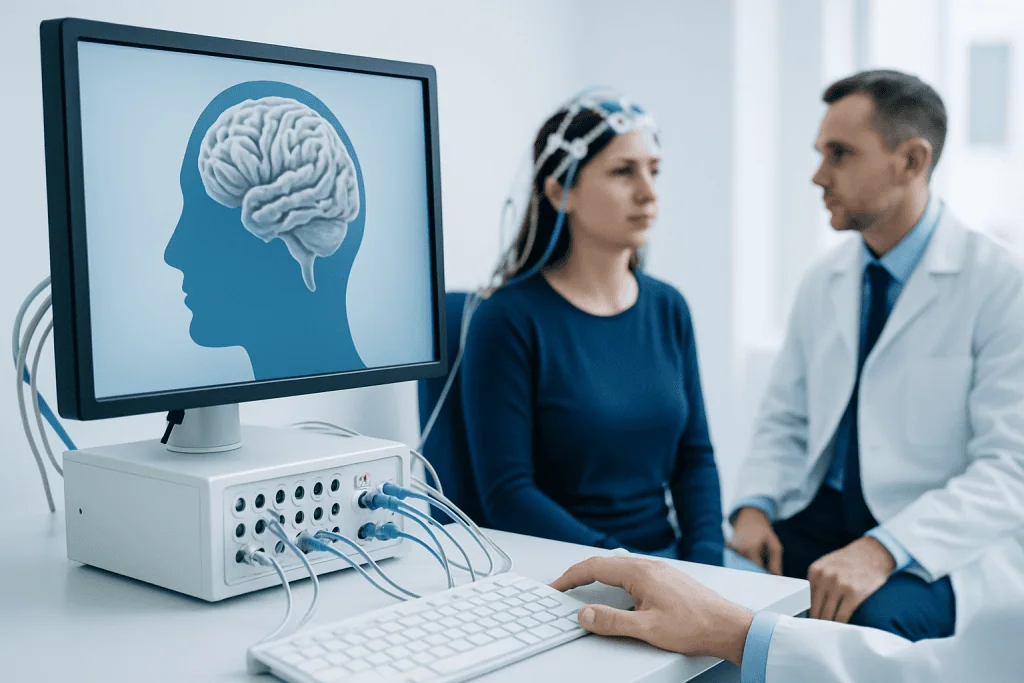
Neuropsychological testing can show whether there are measurable changes in thinking skills and how those changes affect daily life. It may reveal patterns linked with attention problems, learning difficulties, recovery after head injury, the effects of epilepsy, stroke, multiple sclerosis, Parkinson’s disease, dementia, depression, anxiety, or sleep-related problems. In many cases, the testing helps separate normal age-related changes from more significant cognitive concerns.
The assessment can provide insight into several domains, including:
- Attention and concentration
- Learning and memory
- Language and word-finding
- Executive functions such as planning, organization, and judgment
- Processing speed
- Visual-spatial and constructional skills
- Academic abilities when relevant
- Mood, personality, and emotional adjustment
The results can also help answer practical questions. For example, it may clarify whether a person is safe to return to work, whether school accommodations are needed, or whether cognitive rehabilitation may help. In some cases, it can support evaluation of conditions such as Alzheimer’s disease or changes after stroke, though the final diagnosis always depends on the wider clinical picture.
Who May Need This Assessment
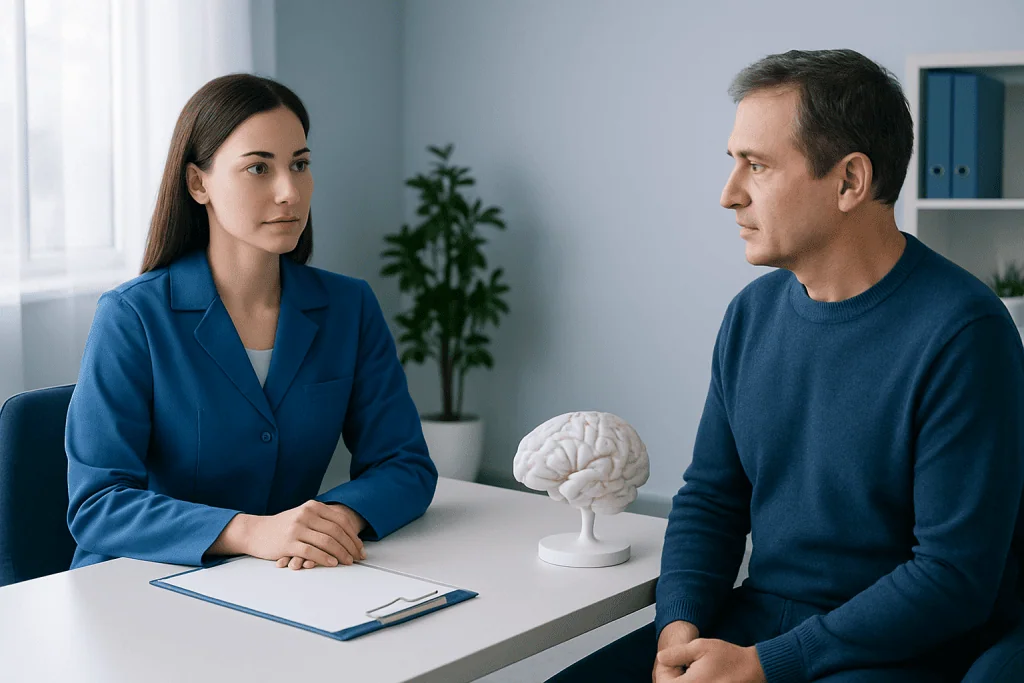
Neuropsychological testing may be recommended for children, adults, or older adults when there are concerns about thinking, behavior, learning, or emotional regulation. Some people are referred because of forgetfulness or trouble concentrating, while others need assessment after a known medical event such as concussion, brain surgery, infection, or a neurological disorder.
Common reasons for referral include persistent memory complaints, attention difficulties, suspected dementia, developmental or learning concerns, seizure disorders, changes after chemotherapy or major illness, and unexplained decline in work or school performance. It may also be used before and after treatments to track change over time.
Testing is not only for severe problems. It can be useful even when symptoms are mild but troubling, or when family members have noticed changes that the person finds hard to describe. By identifying both impairments and preserved abilities, the evaluation can help make care more personalized and realistic.
How the Testing Is Done
A neuropsychological assessment usually begins with an interview. The specialist asks about symptoms, medical history, education, work, language background, mood, sleep, medications, and any changes in daily functioning. If appropriate, information from a family member or caregiver may be included, because outside observations can help show how symptoms appear in real life.
The testing itself involves paper-and-pencil tasks, spoken questions, memory exercises, problem-solving activities, and sometimes computer-based measures. A person may be asked to remember words, copy designs, solve puzzles, name objects, switch attention between tasks, or answer questionnaires about mood and behavior. The exact test battery is chosen based on the reason for referral and the person’s age and abilities.
Most people do not need special preparation, but it helps to sleep well, eat normally, bring glasses or hearing aids if used, and take medications as instructed by their doctor unless told otherwise. The assessment may take a few hours or, for more detailed evaluations, part or all of a day with breaks. The tasks are designed to be challenging, so it is normal for some parts to feel difficult.
After testing, the neuropsychologist compares the results with standardized norms and interprets them in context. Factors such as education, language, cultural background, fatigue, pain, stress, and depression are considered carefully so that results are understood as accurately as possible.
Understanding the Results
Neuropsychological test results are usually presented as a profile rather than a simple pass-or-fail outcome. A person may perform very well in some areas and less well in others. This pattern often provides more useful information than a single score because different conditions affect different brain functions.
For example, one person may show difficulty mainly with short-term memory, while another may have more problems with attention and planning. Someone else may have slowed processing speed but preserved reasoning. This profile can help doctors understand whether symptoms fit more with a neurological condition, an emotional health issue, medication effects, sleep deprivation, or a combination of factors.
The report often includes recommendations for daily life. These may involve memory strategies, school accommodations, workplace adjustments, rehabilitation, counseling, or follow-up testing. When treatment is needed, the findings can support planning for services such as neurological rehabilitation or more focused medical evaluation.
Conditions Commonly Evaluated
Neuropsychological testing is used across many medical and mental health settings. In neurology, it may be part of the work-up for memory disorders, epilepsy, Parkinsonian syndromes, brain tumors, autoimmune conditions, and the effects of stroke or traumatic brain injury. In psychiatry and psychology, it can help examine the cognitive impact of depression, anxiety, bipolar disorder, or other mental health conditions.
Children and adolescents may be assessed for attention-deficit/hyperactivity disorder, developmental disorders, learning problems, or cognitive effects of prematurity or medical illness. Adults may need testing when there are concerns about aging, work performance, driving, independent living, or ability to manage complex tasks safely.
In some cases, the evaluation is part of planning before a procedure, especially when doctors want to understand baseline function and reduce cognitive risk. Depending on the person’s needs, care may also involve related services such as brain MRI to look at brain structure or electroencephalography (EEG) when seizure activity is a concern.
Benefits, Limits, and Follow-Up
One of the main benefits of neuropsychological testing is that it turns vague concerns into clearer information. It may validate symptoms that are hard to describe, guide diagnosis, and help families understand what kind of support is most useful. It can also provide a baseline for future comparison, which is important when symptoms may change over time.
At the same time, testing has limits. It does not directly show the cause of a problem in the way a scan or lab test might, and no single result should be interpreted in isolation. Performance can also be influenced by stress, pain, poor sleep, language barriers, low motivation, or sensory problems. For this reason, results are always interpreted alongside the person’s broader medical and personal context.
Follow-up may include treatment of an underlying condition, cognitive rehabilitation, psychotherapy, medication review, sleep assessment, or repeat testing after a period of recovery. Near the end of the care journey, some people may also benefit from a multidisciplinary review. Acibadem International’s multidisciplinary specialists and JCI-accredited hospitals diagnose and treat neurological and cognitive conditions for international patients when this kind of coordinated care is needed.
When to Seek Medical Advice
A doctor should be consulted if memory, attention, language, or problem-solving changes are interfering with daily life, work, school, or relationships. Medical advice is also important when symptoms are new, worsening, or accompanied by changes in mood, personality, balance, headaches, or loss of independence.
Urgent medical evaluation is needed if cognitive changes begin suddenly, especially with weakness, confusion, trouble speaking, severe headache, or altered consciousness. These symptoms can point to a medical emergency and should not wait for routine testing.
For non-urgent concerns, a primary care physician, neurologist, psychiatrist, pediatrician, or psychologist can help decide whether neuropsychological testing is appropriate. Early assessment can make it easier to identify the cause of symptoms and plan supportive care before difficulties become more disruptive.
Frequently asked questions
Is neuropsychological testing the same as an IQ test?
No. While some parts may measure general reasoning, neuropsychological testing is broader and looks at many areas of brain function, including memory, attention, language, processing speed, and executive skills. It is designed to answer clinical questions about how a person is functioning, not just provide a single intelligence score.
Can neuropsychological testing diagnose dementia?
It can strongly support the evaluation of dementia by showing patterns of cognitive strengths and weaknesses. However, diagnosis usually also depends on medical history, physical and neurological examination, and sometimes brain imaging or laboratory tests. The testing helps clarify whether changes are consistent with dementia and how severe they may be.
How long does neuropsychological testing take?
The length varies depending on the reason for referral and the number of tests needed. Some evaluations take a few hours, while more detailed assessments may take much of a day, often with breaks. The specialist usually explains the expected timeline in advance.
Do patients need to prepare for the assessment?
Most people do not need special preparation. It is helpful to get adequate sleep, eat as usual, bring glasses or hearing aids if needed, and continue medications unless a doctor gives different instructions. Bringing prior medical records or school reports can also be useful in some cases.
Can anxiety or depression affect test results?
Yes. Mood symptoms, stress, poor sleep, fatigue, and pain can all influence attention, memory, and speed of thinking. Neuropsychologists take these factors into account when interpreting results, which is one reason the interview and clinical history are so important.
Is neuropsychological testing useful after a concussion?
Yes, it can be helpful when symptoms such as concentration problems, slowed thinking, headaches, or memory complaints continue after a concussion. The results may show which skills are most affected and help guide return-to-school, return-to-work, or rehabilitation planning. It is usually interpreted together with the person’s symptoms and medical evaluation.
References
- American Psychological Association
- National Institute on Aging
- National Institute of Neurological Disorders and Stroke
- Centers for Disease Control and Prevention
- World Health Organization
This article is for general information only and is not a substitute for professional medical advice. Please consult a qualified doctor about your individual situation.
Explore treatments in Turkey — costs, top hospitals & a free quote
JCI-accredited · board-certified surgeons · reply within 24h
Add us as a Preferred Source to see more of our trusted health content across Google Search, AI Overviews and Discover.