What Is Oncology? A Patient Guide to Cancer Care
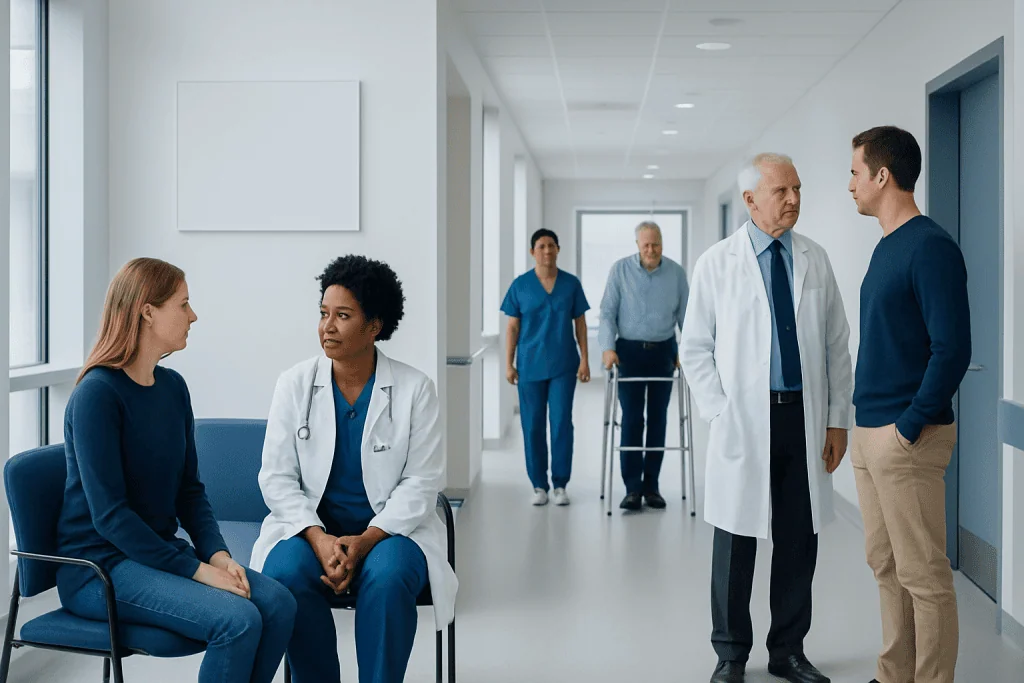
Oncology is the medical specialty dedicated to cancer care. Cancer treatment may involve medical, surgical, and radiation oncology.
Key Takeaways
- Oncology is the medical specialty dedicated to cancer care.
- Cancer treatment may involve medical, surgical, and radiation oncology.
- A cancer care plan is usually personalized to the cancer type, stage, and the person's overall health.
- Diagnosis often includes imaging, laboratory tests, and a biopsy.
- Supportive care is an important part of oncology and may help with symptoms, side effects, and quality of life.
- Early evaluation of concerning symptoms can help guide timely diagnosis and treatment.
Oncology is the branch of medicine that focuses on cancer prevention, diagnosis, treatment, and long-term follow-up. Understanding how oncology works can help patients and families feel more informed, supported, and prepared for each step of cancer care.
Overview: what oncology means
Oncology is the area of medicine that deals with cancer. It includes preventing cancer when possible, finding it early, making an accurate diagnosis, planning treatment, monitoring response, and providing long-term follow-up. Oncology also includes supportive care, which focuses on relieving symptoms, managing side effects, and helping patients maintain quality of life during and after treatment.
The word oncology comes from a term meaning “study of tumors.” In everyday practice, oncology is much broader than one single treatment. Cancer care often involves a team of specialists who work together to understand the type of cancer, whether it has spread, and which treatment approach is most suitable for the individual person. This team-based care can help patients receive a plan tailored to their medical needs and personal priorities.
There are several main branches of oncology. Medical oncology focuses on treatments such as chemotherapy, immunotherapy, targeted therapy, hormone therapy, and other medicines. Surgical oncology involves operations to remove tumors or obtain tissue samples. Radiation oncology uses carefully planned high-energy radiation to destroy cancer cells or shrink tumors. Many patients are treated with a combination of these approaches rather than only one.
What oncologists do and who is involved in care
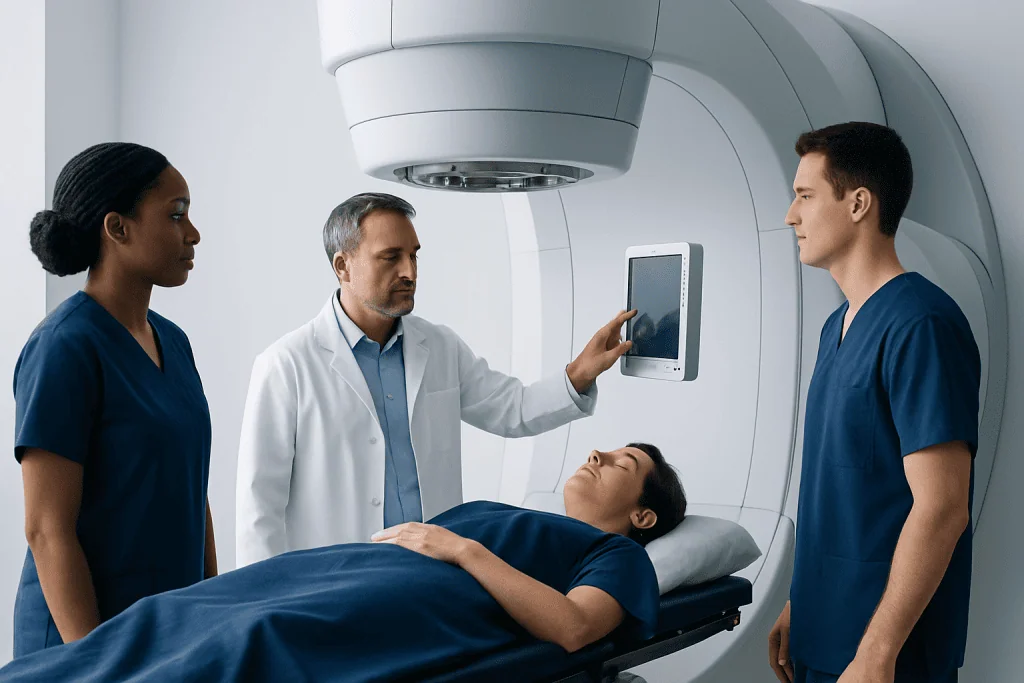
An oncologist is a doctor who specializes in cancer care. Depending on the situation, a patient may see one type of oncologist or several. For example, a medical oncologist may coordinate medicines, a surgeon may perform a biopsy or remove a tumor, and a radiation oncologist may plan radiation treatment. Their goal is to build a safe, effective care plan based on current evidence and the patient’s needs.
Cancer care often involves more than doctors alone. Pathologists examine tissue samples under a microscope to confirm the diagnosis. Radiologists interpret imaging scans. Specialized nurses, pharmacists, dietitians, psychologists, physiotherapists, and palliative care professionals may all contribute to treatment and recovery. This multidisciplinary approach can support both medical outcomes and everyday well-being.
During oncology visits, patients may discuss test results, treatment options, possible benefits, likely side effects, and practical concerns such as nutrition, fatigue, fertility, work, travel, and emotional health. Shared decision-making is an important part of modern oncology, helping patients understand choices and take part in planning their care.
Symptoms that may lead to an oncology evaluation
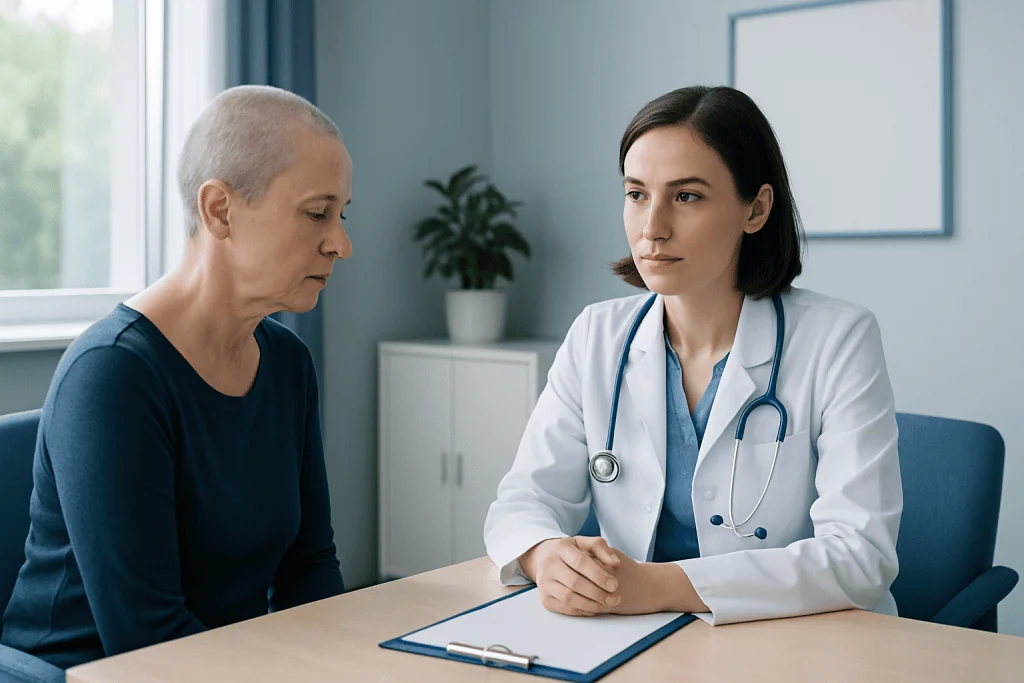
Oncology itself is not a disease, so it does not cause symptoms. Instead, people are referred to oncology when there are signs, test results, or biopsy findings that suggest cancer or a condition needing specialist review. Sometimes a person has symptoms that need further investigation, while in other cases an abnormality is found during routine screening or an unrelated medical test.
Symptoms that can lead to a cancer evaluation vary widely depending on the organ involved. They may include a new lump, unexplained weight loss, ongoing fatigue, unusual bleeding, persistent pain, a lasting cough, changes in bowel or bladder habits, difficulty swallowing, changes in a mole, or a sore that does not heal. These symptoms do not always mean cancer, but they should be assessed if they persist or worsen.
Doctors also consider personal and family history, age, tobacco or alcohol use, certain infections, occupational exposures, and previous medical conditions. If something appears concerning, the next step may involve imaging, blood tests, endoscopy, or biopsy. Timely evaluation can help clarify the cause and guide the most appropriate care.
- Not all tumors are cancerous; some are benign.
- Some cancers cause no symptoms in the early stages.
- Screening tests can detect certain cancers before symptoms appear.
How cancer is diagnosed and staged
Cancer diagnosis usually begins with a medical history and physical examination, followed by targeted tests. Imaging studies such as ultrasound, X-ray, CT, MRI, or PET scans can help show the location and size of a suspicious area. Blood tests may provide supportive information, but they usually cannot confirm cancer on their own.
In most cases, a biopsy is needed to make a definite diagnosis. During a biopsy, a doctor removes a small sample of tissue or cells so it can be examined by a pathologist. The pathology report helps identify the exact type of cancer, how abnormal the cells look, and sometimes whether certain molecular or genetic features are present. This information may affect treatment choices.
After diagnosis, doctors determine the stage of the cancer. Staging describes how large the cancer is and whether it has spread to nearby lymph nodes or other organs. Staging helps estimate prognosis, compare treatment options, and plan care. For many cancers, staging may include imaging, laboratory tests, and sometimes surgery or special procedures. In selected cases, doctors may also recommend genomic testing to guide more personalized treatment.
Patients may hear terms such as screening, diagnosis, grading, staging, remission, and recurrence. Screening means looking for disease before symptoms develop. Diagnosis confirms what the disease is. Staging shows how far it has spread. These steps are different but closely connected in oncology practice.
Treatment options in oncology
Cancer treatment is personalized. The best approach depends on the type of cancer, its stage, its molecular features, the person’s age and general health, and the goals of care. Some patients need one main treatment, while others benefit from a combination used in a planned sequence. Doctors may recommend treatment to cure the cancer, control it, reduce symptoms, or lower the risk of it coming back.
Common oncology treatments include surgery, systemic therapies, and radiation therapy. Surgery may remove a tumor, nearby tissue, or lymph nodes and is often important when cancer is localized. Systemic therapies circulate through the body and include chemotherapy, immunotherapy, targeted therapy, hormone therapy, and some newer precision medicines. Radiation therapy treats cancer in a specific area using carefully aimed radiation. Depending on the diagnosis, patients may also be referred for chemotherapy, radiotherapy, or immunotherapy.
Other procedures may also be part of care, such as a diagnostic or treatment-related biopsy. Some people receive treatment before surgery to shrink a tumor, while others receive treatment afterward to reduce the risk of recurrence. Clinical trials may be an option in some situations, giving access to carefully studied new approaches under close supervision.
Supportive and palliative care are also essential parts of oncology. These services help manage pain, nausea, fatigue, appetite changes, sleep problems, anxiety, and other challenges. Palliative care is not only for end-of-life situations; it can be provided alongside active treatment to improve comfort and daily functioning.
Prevention, screening, and self-care during cancer care
Not all cancers can be prevented, but healthy habits can help lower risk. Avoiding tobacco, limiting alcohol, maintaining a healthy weight, being physically active, protecting the skin from excessive sun exposure, and following recommended vaccinations may all play a role. Depending on age and risk factors, doctors may also advise regular screening for cancers such as breast, cervical, colorectal, or prostate cancer.
For people receiving treatment, self-care can make a meaningful difference. Practical steps include eating regular nourishing meals when possible, staying hydrated, balancing activity with rest, protecting against infection when advised, and taking medicines exactly as prescribed. Keeping a written list of symptoms, side effects, and questions can help make appointments more productive.
Emotional well-being also matters. A cancer diagnosis can affect mood, sleep, concentration, relationships, work, and finances. Speaking with a counselor, psychologist, social worker, or support group may help patients and families cope with uncertainty and treatment demands. Family members and caregivers also benefit from clear information and support.
Some patients also need long-term survivorship care after treatment ends. Follow-up visits may monitor for recurrence, manage lasting side effects, and support recovery. Oncology teams may also help coordinate care for related conditions, including breast cancer or lung cancer, depending on the diagnosis.
When to see a doctor and what to expect next
A person should see a doctor if they notice symptoms that are unusual, persistent, or worsening, especially a new lump, unexplained bleeding, unexplained weight loss, a changing mole, or a cough that does not go away. It is also sensible to seek medical advice if there is a strong family history of cancer or if recommended screening tests are overdue. Many symptoms turn out to have non-cancer causes, but medical review is the best way to find out.
If a cancer diagnosis is confirmed, patients can expect a step-by-step process rather than a single appointment deciding everything at once. The team may arrange additional tests, discuss stage and treatment goals, and explain likely benefits and side effects. Patients may find it helpful to bring a family member or friend, take notes, and ask for explanations in plain language whenever needed.
Questions to ask may include what type of cancer is present, whether it has spread, what the treatment options are, what side effects to expect, and how treatment may affect fertility, work, travel, or daily life. Understanding these issues can make decisions feel more manageable. Near the end of the care journey, or at any stage when appropriate, patients may also wish to learn about rehabilitation, survivorship, and supportive services.
Acibadem International’s multidisciplinary specialists and JCI-accredited hospitals diagnose and treat cancer for international patients, with care plans based on the cancer type, stage, and individual needs.
Frequently asked questions
What is oncology in simple terms?
Oncology is the branch of medicine that focuses on cancer. It includes preventing cancer, diagnosing it, treating it, and supporting patients during follow-up and recovery.
What is the difference between an oncologist and a hematologist?
An oncologist treats cancers, including many solid tumors such as breast, lung, or colon cancer. A hematologist focuses on blood disorders, and some doctors are trained in both fields, especially for blood cancers like leukemia or lymphoma.
Does seeing an oncologist mean a person definitely has cancer?
No. Some people are referred to oncology because a test or symptom needs expert evaluation, not because cancer is already confirmed. In many cases, more testing is needed before a clear diagnosis can be made.
What are the main types of oncology?
The main branches are medical oncology, surgical oncology, and radiation oncology. Many patients receive care from more than one of these specialists as part of a coordinated treatment plan.
How is cancer usually confirmed?
Cancer is usually confirmed with a biopsy, which means taking a tissue or cell sample for laboratory examination. Imaging scans and blood tests can support the evaluation, but a biopsy is often needed for a definite diagnosis.
Can oncology care include support for side effects and emotions?
Yes. Oncology care often includes supportive services for pain, nausea, fatigue, nutrition, mental health, and practical concerns. This kind of support can be offered during treatment and after it ends.
References
- World Health Organization
- National Cancer Institute
- American Society of Clinical Oncology
- European Society for Medical Oncology
- U.S. Centers for Disease Control and Prevention
This article is for general information only and is not a substitute for professional medical advice. Please consult a qualified doctor about your individual situation.
Oncology care in Turkey — second opinion and treatment plan
JCI-accredited · board-certified surgeons · reply within 24h
Add us as a Preferred Source to see more of our trusted health content across Google Search, AI Overviews and Discover.

Medical Oncology Department
Medical treatment of cancer with chemotherapy, immunotherapy and targeted therapies under a multidisciplinary tumor board.
60 specialists in this unitMore from the Health Library

Related Specialists

Prof. Dr. Kenan Hizel
Infectious Diseases & Clinical Microbiology
Dr. Ertunç Karadağ
Pediatric Surgery
Assoc. Prof. Dr. Selim Aydin
Cardiovascular Surgery
Dr. Müzeyyen İyigün
Anesthesiology