What Is Oncology? Cancer Care Explained
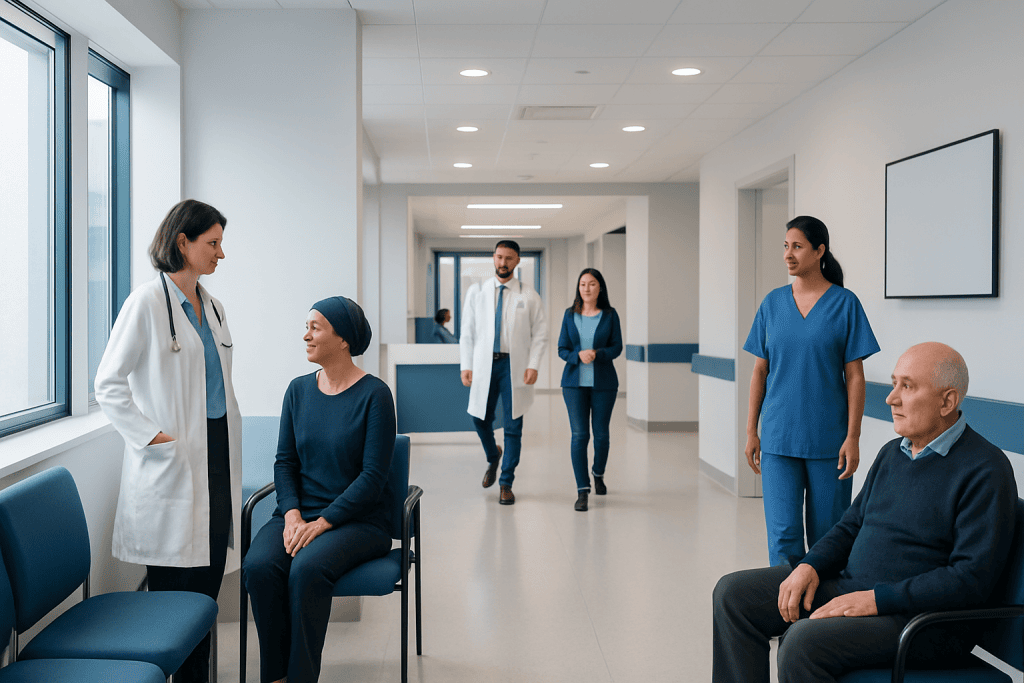
Oncology is the medical specialty that focuses on cancer care from diagnosis through treatment and long-term follow-up. Cancer treatment may include surgery, medicines, radiation therapy, or a combination of these approaches.
Key Takeaways
- Oncology is the medical specialty that focuses on cancer care from diagnosis through treatment and long-term follow-up.
- Cancer treatment may include surgery, medicines, radiation therapy, or a combination of these approaches.
- Oncology care is usually delivered by a multidisciplinary team that also supports nutrition, symptom control, and emotional well-being.
- Early evaluation of warning signs can improve the chance of timely diagnosis and treatment.
- Regular follow-up is an important part of oncology to monitor recovery, side effects, and recurrence.
Oncology is the branch of medicine dedicated to cancer prevention, diagnosis, treatment, and follow-up care. It brings together different specialists to create a care plan that fits the type of cancer, its stage, and the person's overall health.
Overview of Oncology
Oncology is the area of medicine that deals with cancer. It includes cancer prevention, screening, diagnosis, treatment, symptom management, and follow-up after treatment. Because cancer can affect almost any part of the body, oncology often involves many medical specialties working together.
The main branches of oncology are medical oncology, surgical oncology, and radiation oncology. Medical oncologists use medicines such as chemotherapy, hormone therapy, targeted therapy, and immunotherapy. Surgical oncologists remove tumors and may also perform biopsies. Radiation oncologists treat cancer with carefully planned radiation to destroy cancer cells while protecting nearby healthy tissue as much as possible.
Modern oncology is usually multidisciplinary. A person’s care may involve pathologists, radiologists, oncology nurses, nutrition specialists, palliative care teams, psychologists, rehabilitation experts, and other doctors depending on the cancer type. This team-based approach helps address not only the disease itself, but also quality of life before, during, and after treatment.
What Does Oncology Care Include?
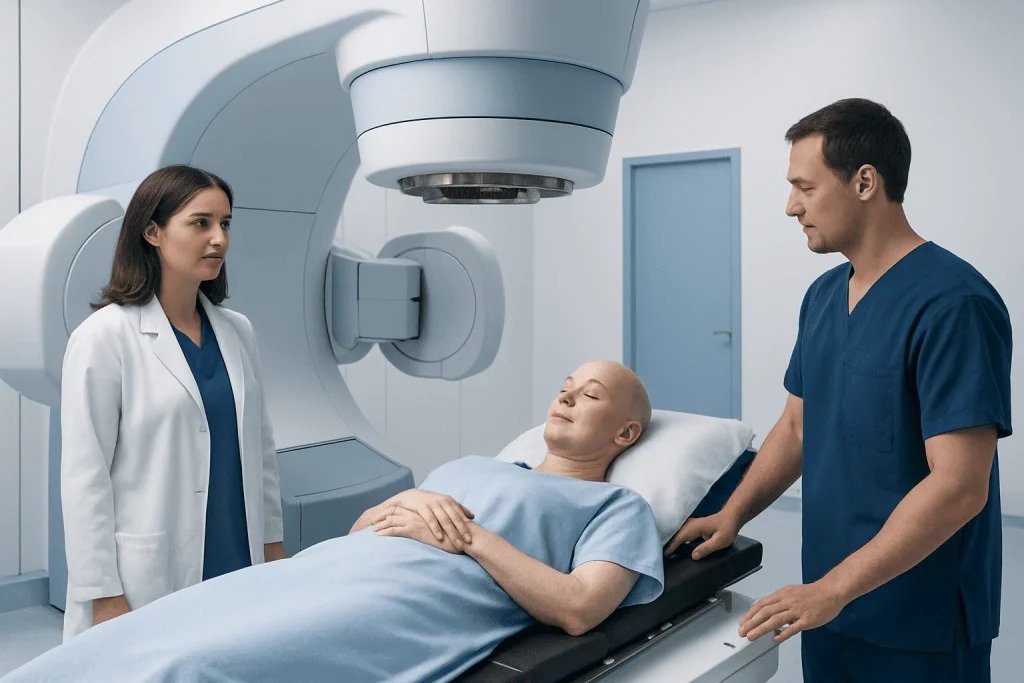
Oncology care begins with understanding the type of cancer and how far it has progressed. This often includes imaging tests, laboratory tests, biopsy results, and staging. Staging describes the extent of the cancer and helps guide treatment decisions. Some people may also have molecular or genetic testing on the tumor to identify features that can influence treatment choices.
Once the diagnosis is confirmed, the oncology team develops a treatment plan tailored to the individual. Depending on the situation, this may involve chemotherapy, radiation therapy, surgical oncology care, or a combination of treatments. In some cases, the safest and most effective plan is to begin with one treatment and add others later.
Oncology also includes supportive care. This can help manage pain, fatigue, nausea, appetite changes, sleep difficulties, anxiety, and other challenges that may come with cancer or its treatment. Supportive care is not separate from treatment; it is an important part of comprehensive cancer care and can be helpful at every stage.
Types of Cancer Specialists

Many people use the word oncologist to mean any cancer doctor, but there are several types of specialists. Medical oncologists oversee treatment with anti-cancer medicines and often coordinate overall care. Radiation oncologists plan and deliver radiation treatment. Surgical oncologists focus on operations to remove tumors or obtain tissue samples for diagnosis.
Other specialists also play essential roles. Hematologist-oncologists care for blood cancers such as leukemia and lymphoma. Pathologists examine tissue under the microscope to confirm the diagnosis. Radiologists interpret scans such as CT, MRI, PET, ultrasound, and mammography. Depending on the diagnosis, organ-specific surgeons and physicians may also be involved.
For many cancers, the treatment plan is discussed in a multidisciplinary tumor board. In this setting, specialists review test results together and recommend the most appropriate next steps. This process supports more individualized care and can be especially important for complex cases or rare tumors.
Symptoms and Reasons Someone May Need Oncology Evaluation
Oncology evaluation may be needed when a person has symptoms or test results that suggest cancer. Symptoms vary widely depending on the body area involved, but common warning signs include a lump, unexplained weight loss, unusual bleeding, a changing mole, a persistent cough, ongoing pain, changes in bowel or bladder habits, difficulty swallowing, or unusual fatigue.
It is important to remember that these symptoms do not always mean cancer. Many non-cancerous conditions can cause similar problems. Still, if symptoms persist, worsen, or return repeatedly, medical assessment is important. Early evaluation helps identify the cause and, if needed, allows treatment to begin sooner.
Some people are referred to oncology after an abnormal screening test rather than symptoms. This may happen after findings on a mammogram, colonoscopy, cervical screening test, low-dose lung CT, or blood test. In other situations, a person may already have a condition known to raise cancer risk and need closer monitoring, such as breast cancer risk due to family history or a known hereditary cancer syndrome.
Causes, Risk Factors, and How Cancer Develops
Cancer begins when cells grow and divide in an uncontrolled way. This usually happens because of changes in the genes that regulate how cells behave. These changes may develop over time due to aging, environmental exposures, lifestyle factors, infections, chronic inflammation, or inherited genetic mutations. In many cases, there is no single clear cause.
Known risk factors for some cancers include tobacco use, excessive alcohol use, obesity, low physical activity, unhealthy diet patterns, ultraviolet radiation, certain workplace exposures, air pollution, and some viral or bacterial infections. Family history can also be important, especially for cancers that may run in families. However, having one or more risk factors does not mean a person will definitely develop cancer, and some people develop cancer without any obvious risk factors.
Understanding risk helps guide prevention and screening. For example, avoiding tobacco, limiting alcohol, protecting the skin from too much sun, maintaining a healthy weight, staying physically active, and keeping up with recommended vaccinations and screening tests can reduce the risk of some cancers. Oncology is not only about treatment; it also includes prevention and early detection.
How Cancer Is Diagnosed and Staged
Cancer diagnosis usually involves several steps. A doctor starts by asking about symptoms, medical history, family history, and risk factors, followed by a physical examination. Imaging tests may then be used to look for suspicious areas or to understand the size and location of a tumor. Common imaging methods include ultrasound, CT, MRI, PET scans, and mammography, depending on the situation.
A biopsy is often needed to confirm cancer. During a biopsy, a sample of tissue or cells is collected and examined by a pathologist. The pathology report can show the cancer type, grade, and other features that help guide care. For some cancers, additional laboratory studies may look for hormone receptors, protein markers, or gene changes that can affect treatment selection.
Once cancer is confirmed, staging determines how far it has spread. Staging may consider tumor size, lymph node involvement, and whether the cancer has reached other organs. Accurate staging is one of the most important parts of oncology because it helps estimate prognosis, compare treatment options, and plan the sequence of care. In some cancers, such as lung cancer, staging strongly influences whether surgery, medicines, radiation, or combined treatment is most suitable.
Treatment Options in Oncology
Cancer treatment is highly individualized. The best approach depends on the cancer type, stage, tumor biology, symptoms, age, general health, and personal preferences. For some early cancers, surgery may remove all visible disease. In other cases, treatment may begin with medicines or radiation to shrink a tumor before surgery, or treatment may focus on controlling cancer and preserving quality of life.
Common oncology treatments include surgery, chemotherapy, radiation therapy, hormone therapy, targeted therapy, immunotherapy, stem cell transplantation for selected blood cancers, and active surveillance in carefully chosen cases. Some people receive one treatment only, while others receive combined or sequential care. Certain tumors, such as prostate cancer, may be managed with different options depending on how quickly the disease is growing and whether it is localized or advanced.
Clinical trials are also an important part of oncology. They study new treatments or new ways of using existing treatments and may be considered when appropriate. Throughout treatment, the care team monitors response with examinations, blood tests, and scans, and adjusts the plan if needed. Side effects are managed proactively so treatment can remain as safe and effective as possible.
Some people also benefit from immunotherapy or other newer approaches when the cancer has specific biological features. The oncology team explains the expected benefits, possible side effects, and goals of treatment in clear terms so that decisions can be made together.
Prevention, Self-care, and When to See a Doctor
While not all cancers can be prevented, certain habits can lower risk and support overall health. These include not smoking, avoiding secondhand smoke, limiting alcohol, eating a balanced diet, maintaining a healthy weight, staying active, protecting the skin from excessive sun exposure, and attending routine screening appointments recommended for age and risk level. Vaccination against infections linked to cancer, such as HPV and hepatitis B, may also be advised in appropriate groups.
Self-care is also important during and after treatment. People with cancer often benefit from good nutrition, adequate rest, gentle physical activity when approved by their doctor, and practical support with daily tasks. Emotional support matters too, whether through family, support groups, counseling, or psycho-oncology services. Questions about fertility, work, travel, sexuality, and long-term side effects should be discussed openly with the care team.
A person should see a doctor if they have persistent symptoms such as a new lump, unexplained bleeding, weight loss without trying, a changing mole, a non-healing sore, ongoing cough, long-lasting hoarseness, new swallowing problems, or unexplained fatigue. People with a strong family history of cancer may also benefit from medical advice about earlier screening or genetic counseling.
For international patients who need evaluation or treatment, Acibadem International’s multidisciplinary specialists and JCI-accredited hospitals provide oncology diagnosis and care across a range of cancer types. Whatever the setting, timely assessment by a qualified healthcare professional is the best next step when cancer is suspected.
Frequently asked questions
What is oncology in simple terms?
Oncology is the medical specialty that focuses on cancer. It includes preventing cancer, finding it early, diagnosing it, treating it, and supporting people during and after treatment.
What is the difference between oncology and an oncologist?
Oncology is the field of medicine related to cancer care. An oncologist is a doctor who works in that field, such as a medical, radiation, or surgical oncologist.
Does being referred to oncology mean a person definitely has cancer?
No. A referral to oncology may happen because of symptoms, an abnormal scan, or a suspicious test result that needs expert evaluation. Some people referred to oncology are later found to have a non-cancerous condition.
What treatments are used in oncology?
Common oncology treatments include surgery, chemotherapy, radiation therapy, hormone therapy, targeted therapy, and immunotherapy. The right treatment depends on the cancer type, stage, and the person's overall health.
Can cancer be cured?
Some cancers can be cured, especially when found early and treated effectively. In other cases, treatment may control the cancer for a long time, reduce symptoms, and help maintain quality of life.
Why is follow-up important after cancer treatment?
Follow-up visits help doctors monitor recovery, manage side effects, and check for signs that cancer has returned. They are also a chance to discuss emotional health, nutrition, physical activity, and any new symptoms.
References
- World Health Organization
- National Cancer Institute
- American Cancer Society
- European Society for Medical Oncology
- Centers for Disease Control and Prevention
This article is for general information only and is not a substitute for professional medical advice. Please consult a qualified doctor about your individual situation.
Oncology care in Turkey — second opinion and treatment plan
JCI-accredited · board-certified surgeons · reply within 24h
Add us as a Preferred Source to see more of our trusted health content across Google Search, AI Overviews and Discover.

Medical Oncology Department
Medical treatment of cancer with chemotherapy, immunotherapy and targeted therapies under a multidisciplinary tumor board.
60 specialists in this unitMore from the Health Library
Related Specialists
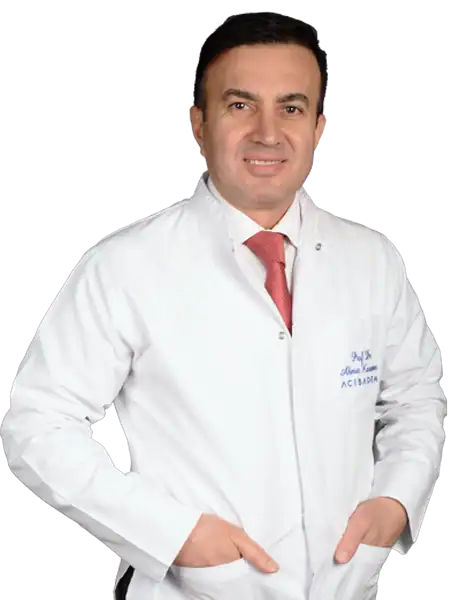
Prof. Dr. Ahmet Karaman
Gastroenterology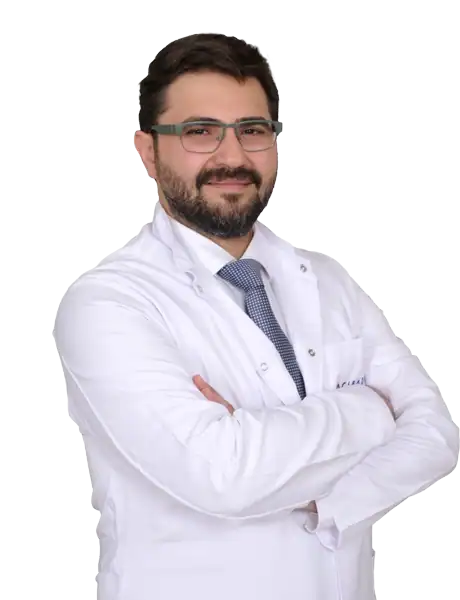
Assoc. Prof. Dr. Yetkin Zeki Yılmaz
Ear Nose & Throat
Dr. Fatma Erbay Apaydın
Infectious Diseases & Clinical Microbiology
Prof. Dr. Hakan Coşkun
Otorhinolaryngology