What Is Sublocade? Here Is What the Evidence Says

Sublocade is a once-monthly injection containing extended-release buprenorphine. It is used to treat opioid use disorder after a person has started and tolerated buprenorphine treatment.
Key Takeaways
- Sublocade is a once-monthly injection containing extended-release buprenorphine.
- It is used to treat opioid use disorder after a person has started and tolerated buprenorphine treatment.
- The medicine can reduce opioid cravings and withdrawal symptoms, but it should be combined with ongoing clinical and psychosocial support.
- Because buprenorphine is an opioid medication, Sublocade can cause serious harm if mixed with alcohol, benzodiazepines, or other sedating drugs.
- The injection must be administered under the skin by a trained healthcare professional and should not be injected into a vein or muscle.
Sublocade is a long-acting, prescription buprenorphine injection for adults with moderate-to-severe opioid use disorder. It is given by a healthcare professional as part of a broader treatment plan that may include counseling, recovery support, and regular medical follow-up.
What Is Sublocade?
Sublocade is an extended-release injection of buprenorphine used to treat opioid use disorder in adults. It is given under the skin of the abdomen by a healthcare professional, usually once a month. The medicine slowly releases buprenorphine over time, helping to maintain more stable medication levels between appointments.
Buprenorphine is a partial opioid agonist. This means it activates opioid receptors in the brain, but less strongly than opioids such as heroin, fentanyl, or oxycodone. When prescribed and monitored appropriately, it can relieve withdrawal symptoms and reduce cravings while lowering the risk of overdose compared with continued use of illicit or non-prescribed opioids.
Sublocade is not intended to be a stand-alone solution. Evidence-based care for opioid use disorder commonly combines medication with assessment of mental health, physical health, social needs, counseling when desired or available, and practical recovery support. Treatment plans are individualized, and the appropriate duration of medication varies from person to person.
How Sublocade Works and Who It May Help
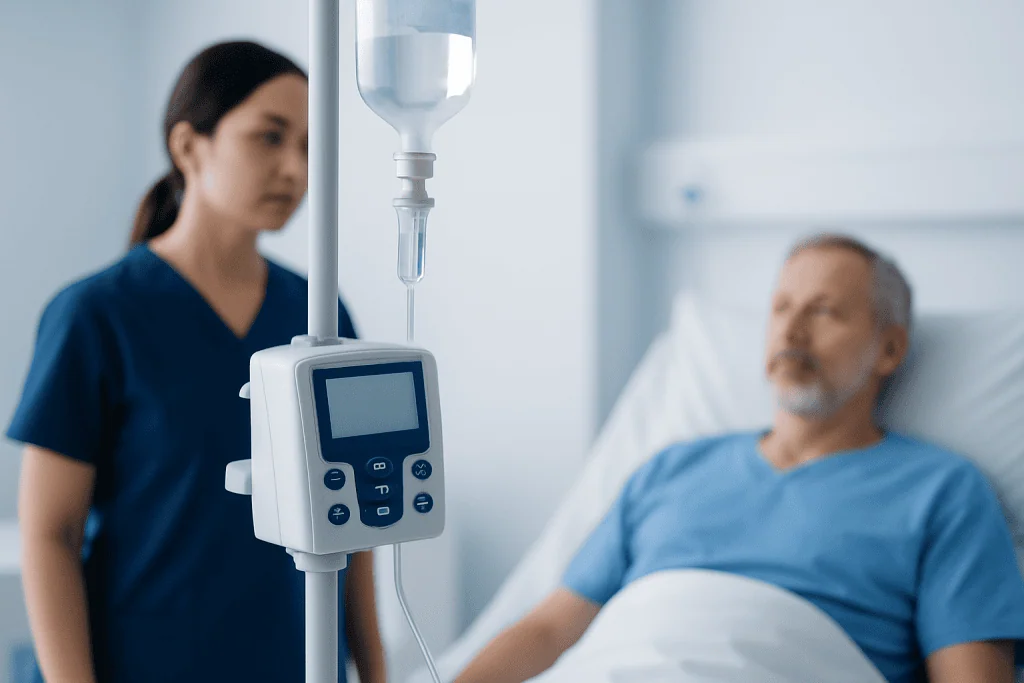
Opioid use disorder is a treatable medical condition in which opioid use becomes difficult to control despite harmful consequences. Regular opioid exposure changes brain pathways involved in reward, stress, and withdrawal. Buprenorphine helps occupy opioid receptors, which can reduce the cycle of intoxication, withdrawal, and craving that can make recovery difficult.
Before starting Sublocade, a person generally needs to have begun treatment with a buprenorphine-containing medicine and shown that they can tolerate it. This helps the prescribing clinician determine whether buprenorphine is suitable and reduces the chance of complications during the transition to the long-acting injection.
The monthly format may be useful for people who prefer not to take medication every day or who find daily dosing difficult to maintain. It also allows regular contact with the treatment team. However, it may not be the best option for everyone; medical history, current opioid use, pregnancy considerations, liver health, other medications, and personal treatment goals all matter.
People seeking a broader overview of the condition can read about opioid addiction and opioid use disorder. A qualified clinician can explain the available medication options and help identify a plan that is safe and realistic.
What Does the Evidence Say?

Medication treatment with buprenorphine is supported by substantial clinical evidence and is recommended by major health authorities for opioid use disorder. Buprenorphine-based treatment can improve retention in care, reduce illicit opioid use, lessen withdrawal and cravings, and lower the risk of fatal overdose when compared with no medication treatment.
Clinical trials of extended-release buprenorphine have found that it can help some adults reduce non-prescribed opioid use while receiving structured treatment. A long-acting formulation may also reduce day-to-day fluctuations associated with missed doses. Still, outcomes depend on many factors, including access to follow-up, stable housing, co-occurring mental health conditions, other substance use, and the availability of supportive services.
It is important to understand that medication does not erase the need for ongoing care. Relapse can occur during recovery and should be treated as a signal to review support and treatment, not as a personal failure. Continuing or restarting evidence-based treatment can be protective and may reduce the risks associated with returning to opioid use after a period of abstinence.
For some patients, clinicians may also discuss addiction treatment that includes medical assessment, behavioral support, family involvement when appropriate, and planning for relapse prevention.
How Is Sublocade Given?
Sublocade is supplied as a prefilled injection and must be administered by a healthcare professional. It is injected into the fatty tissue just beneath the skin of the abdomen. It is not a medication that a patient should inject at home, and it must never be injected into a vein, muscle, or artery.
After the injection, a small lump or depot may be felt at the injection site for a period of time. This is expected because the medication forms a solid depot under the skin and releases buprenorphine gradually. The area should not be rubbed or massaged, and the patient should follow the clinician’s instructions about protecting the injection site.
Appointments are typically scheduled at regular monthly intervals. If an appointment is missed or delayed, the person should contact the prescribing service promptly rather than trying to manage the gap alone. The clinician can advise on the safest next step based on timing, symptoms, opioid exposure, and the overall treatment plan.
Because the medicine remains in the body for an extended period, stopping Sublocade also requires clinical planning. Withdrawal symptoms may not appear immediately but can occur later. A clinician can help decide whether continued observation, additional support, or a different buprenorphine formulation is appropriate.
Side Effects, Interactions and Safety Considerations
Common side effects can include constipation, nausea, headache, tiredness, dizziness, vomiting, and reactions at the injection site such as pain, itching, redness, or swelling. Many effects are manageable, but a patient should report persistent, severe, or concerning symptoms to the prescribing team.
Buprenorphine can cause drowsiness and slowed breathing, particularly when combined with alcohol, benzodiazepines, sleeping tablets, certain anxiety medicines, or other drugs that depress the central nervous system. Mixing these substances can be dangerous. Patients should tell their clinician about all prescription medicines, over-the-counter products, supplements, alcohol use, and other substances.
Although buprenorphine has a lower overdose risk than full opioid agonists, overdose is still possible. People should not drive, operate machinery, or do other hazardous tasks until they know how the medicine affects them. A clinician may recommend that the patient and close contacts have access to naloxone, an emergency medicine that can reverse an opioid overdose.
Medical monitoring may be especially important for people with liver disease, breathing disorders, head injuries, certain heart rhythm problems, or a history of severe mental health symptoms. Pregnancy and breastfeeding should also be discussed with a specialist; opioid use disorder treatment should not be stopped abruptly without medical advice.
When to Seek Medical Care
Most injection-site discomfort is mild and improves with time, and some people experience manageable digestive or sleep-related side effects during treatment. However, medical review is important if the injection area becomes increasingly painful, very swollen, hot, draining, ulcerated, or shows signs of infection.
Urgent emergency care is needed for slow or difficult breathing, extreme sleepiness, inability to wake fully, fainting, bluish lips or skin, severe confusion, or suspected overdose. If opioid overdose is possible, emergency services should be contacted immediately. Naloxone should be used if available, but emergency evaluation is still necessary because its effects can wear off.
A person should contact their clinician promptly if they develop yellowing of the skin or eyes, dark urine, severe abdominal pain, intense itching, a widespread rash, facial swelling, or signs of an allergic reaction. New or worsening depression, suicidal thoughts, or major changes in mood also deserve urgent professional support.
During a review, a doctor will ask about symptoms, current medicines, recent opioid or alcohol use, and injection timing. They may examine the injection site, assess breathing and alertness, review liver function or other laboratory tests when indicated, and adjust the treatment plan safely.
Supportive Care and Long-Term Recovery Planning
Recovery from opioid use disorder is not identical for every person. Some people benefit from individual counseling, peer recovery groups, family support, trauma-informed care, or treatment for depression, anxiety, chronic pain, or sleep problems. Others may need assistance with housing, employment, legal concerns, or reconnecting with primary healthcare.
Maintaining regular appointments, taking medicines only as prescribed, avoiding non-prescribed sedatives, and having an overdose response plan can all support safety. It can also help to identify personal triggers, develop strategies for cravings, and involve trusted people in a plan for urgent situations, with the patient’s consent.
There is no single “correct” length of treatment. Stopping medication too early can increase the chance of return to opioid use and overdose, particularly because opioid tolerance may decrease during abstinence. Decisions about reducing or stopping buprenorphine should be gradual, collaborative, and guided by a qualified clinician.
Acibadem International’s multidisciplinary specialists and JCI-accredited hospitals support international patients who need assessment and treatment planning for substance-related conditions. Care may include coordination with relevant mental health, internal medicine, and recovery services according to individual needs.
Frequently asked questions
Is Sublocade the same as buprenorphine?
Sublocade contains buprenorphine, but it is a specific extended-release injection that is given by a healthcare professional. Other buprenorphine products may come as tablets, films, or different formulations with different dosing schedules and requirements.
Can Sublocade stop opioid cravings?
Sublocade can reduce opioid cravings and withdrawal symptoms for many people, but responses vary. It works best as part of an individualized treatment plan with regular clinical follow-up and supportive care.
Can someone start Sublocade immediately after using opioids?
Usually, no. A clinician typically starts and stabilizes the person on a buprenorphine-containing treatment first to confirm that it is tolerated and to reduce the risk of precipitated withdrawal. The exact process depends on the person's opioid exposure and medical situation.
What should a person avoid while taking Sublocade?
Alcohol, benzodiazepines, sleeping pills, and other sedating medicines can increase the risk of dangerous drowsiness and breathing problems when combined with buprenorphine. A patient should not stop prescribed medicines on their own, but should discuss all substances and medications with their clinician.
Can Sublocade be removed after it is injected?
The injection creates a medication depot beneath the skin that releases buprenorphine gradually. It should not be manipulated, squeezed, or removed by the patient. Any concern about the injection site should be assessed by the prescribing healthcare professional.
Is Sublocade addictive?
Buprenorphine is an opioid medication and can cause physical dependence, meaning withdrawal symptoms may occur if it is stopped suddenly. When used as prescribed for opioid use disorder, it is an evidence-based treatment that can reduce harmful opioid use and overdose risk.
This article is for general information only and is not a substitute for professional medical advice. Please consult a qualified doctor about your individual situation.
Explore treatments in Turkey — costs, top hospitals & a free quote
JCI-accredited · board-certified surgeons · reply within 24h
Add us as a Preferred Source to see more of our trusted health content across Google Search, AI Overviews and Discover.

More from the Health Library
Smokers Cough: Common Causes, Related Conditions, and When to See a Doctor

What Is Lactose? Here Is What the Evidence Says

How Often Can You Donate Blood? Here Is What the Evidence Says

Gemtesa vs Myrbetriq for Overactive Bladder

Is 1mg Clonazepam a High Dose for Anxiety? A Doctor-Reviewed Answer