What Is Technology in Healthcare? A Clear Guide for Patients
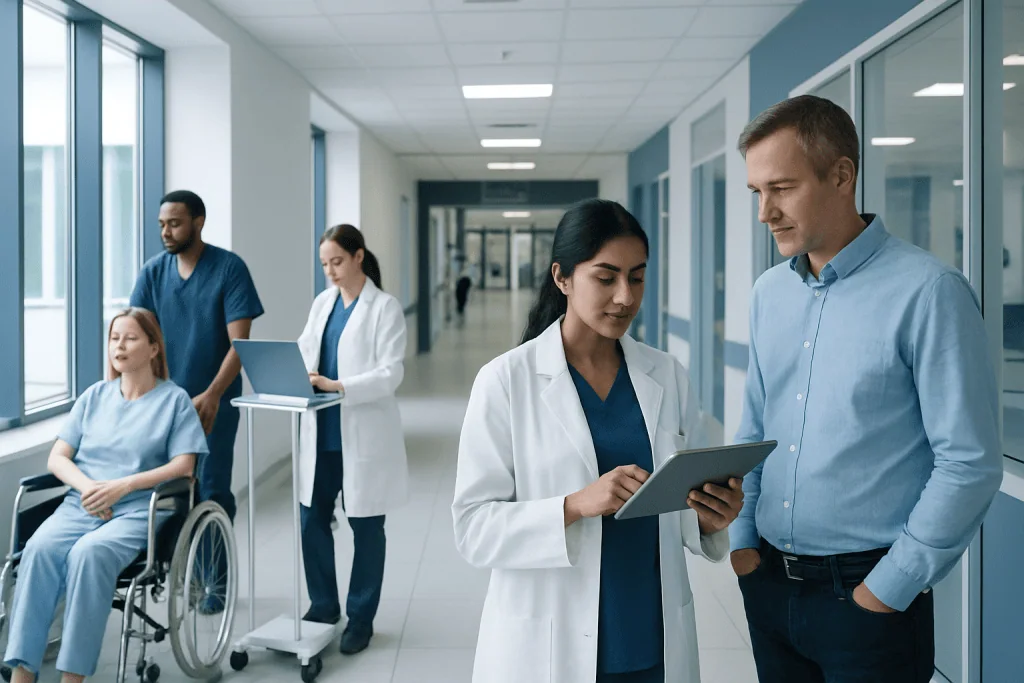
Technology in healthcare includes devices, software, imaging, robotics, telemedicine, and electronic health records. These tools can improve access, accuracy, coordination, and patient monitoring when used appropriately.
Key Takeaways
- Technology in healthcare includes devices, software, imaging, robotics, telemedicine, and electronic health records.
- These tools can improve access, accuracy, coordination, and patient monitoring when used appropriately.
- Technology supports doctors and nurses but does not replace clinical judgment or the patient-doctor relationship.
- Privacy, data security, cost, and equal access remain important concerns in digital health.
- Patients benefit most when they understand how a tool is used and when to seek in-person care.
Technology in healthcare includes the digital tools, devices, and systems that support prevention, diagnosis, treatment, and follow-up care. For patients, it can mean faster communication, more precise testing, safer procedures, and easier access to medical advice.
Overview: What technology in healthcare means
Technology in healthcare refers to the tools, machines, digital systems, and software used to support health services. It covers a wide range of areas, from blood tests analyzed by modern laboratory equipment to video appointments, wearable heart monitors, and advanced imaging such as MRI or CT scans. In simple terms, it is the use of technology to help prevent illness, make diagnoses, guide treatment, and monitor recovery.
Patients often encounter healthcare technology in everyday ways. Examples include online appointment systems, electronic prescriptions, hospital patient portals, ultrasound during pregnancy, and home devices that track blood pressure or blood sugar. In hospitals, technology may also include surgical navigation systems, smart infusion pumps, intensive care monitoring, and digital pathology tools.
The main goal is not technology for its own sake. Good healthcare technology should make care safer, more accurate, easier to access, and better coordinated. It can help clinicians see patterns more clearly, share information faster, and tailor care to a person’s needs. At the same time, it works best when it supports, rather than replaces, careful medical assessment and clear communication.
Common types of healthcare technology patients may see
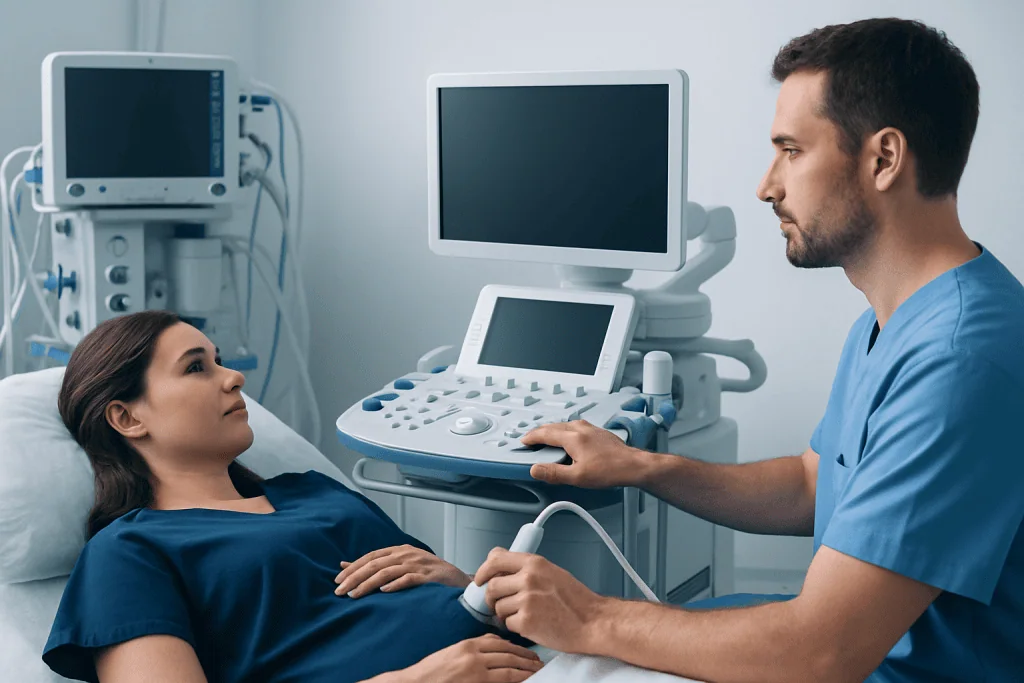
One of the best-known forms of medical technology is diagnostic equipment. This includes X-rays, ultrasound, CT, MRI, endoscopy systems, laboratory analyzers, and heart tests such as ECG. These tools help doctors look inside the body, measure organ function, or identify signs of disease earlier and more precisely.
Digital systems are another major part of modern care. Electronic health records store medical information in one place, helping different members of the care team view test results, allergies, medicines, and previous visits. Patient portals may allow people to check appointments, review reports, message their care team, or renew prescriptions. Telemedicine adds another layer by making it possible to speak with a doctor or nurse remotely when a physical examination is not immediately necessary.
Some technologies are used directly during treatment. These include minimally invasive surgical systems, image-guided procedures, radiotherapy planning software, infusion devices, and rehabilitation technology. Monitoring tools are also increasingly common, such as wearable devices that track heart rhythm, oxygen levels, sleep, movement, or glucose. Together, these systems form a connected approach to care that can continue both inside and outside the hospital.
- Diagnostic tools: imaging, lab testing, heart and lung function tests
- Digital tools: electronic records, patient portals, e-prescriptions
- Remote care: telemedicine, remote monitoring, health apps
- Treatment tools: surgical technology, radiotherapy systems, rehabilitation devices
How technology helps patients and care teams
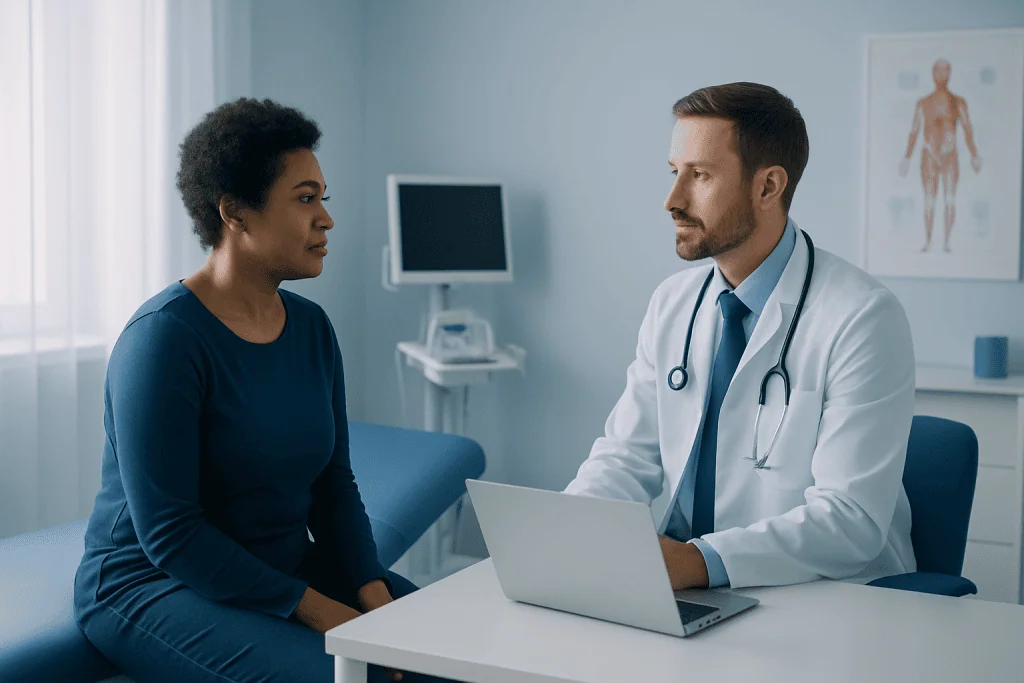
Technology in healthcare can improve access to care. A person living far from a specialist may be able to have an initial telemedicine consultation, share test results electronically, and receive follow-up advice without unnecessary travel. For people with long-term conditions, home monitoring can reduce the burden of frequent clinic visits and help identify changes sooner.
It can also improve accuracy and efficiency. Digital imaging can produce detailed pictures that help doctors plan treatment more precisely. Computerized systems may reduce medication errors by checking allergies or interactions. When information is available in an organized electronic record, it is often easier for clinicians to coordinate care across different departments.
Another important benefit is personalization. Technology can help track symptoms over time, compare treatment responses, and guide decisions based on a patient’s specific health status. For example, advanced imaging may support MRI scans for clearer evaluation of certain tissues, while remote consultations through telemedicine services can support follow-up in suitable cases. These tools are most helpful when they are chosen for a clear clinical reason and explained in a way patients can understand.
Artificial intelligence, robotics, and other newer tools
Artificial intelligence, often called AI, is increasingly used in healthcare to analyze large amounts of data and identify patterns. It may help review medical images, flag abnormal test results, support scheduling, or predict which patients may need closer monitoring. For patients, the key point is that AI is usually a decision-support tool. It can assist clinicians, but it does not replace a full medical assessment, discussion of symptoms, or professional judgment.
Robotic and computer-assisted systems are another area of innovation. In surgery, these tools may help improve precision, visibility, and control in selected procedures. They are not appropriate for every condition, but in some cases they support minimally invasive approaches that may reduce pain and shorten recovery time. Image-guided and navigation-based treatments are also expanding in specialties such as orthopedics, neurosurgery, and cardiology.
Newer technologies also include 3D printing for surgical planning, digital pathology, advanced genetic testing, and smart devices used in rehabilitation. Some people may also hear about wearable ECG monitors or home blood pressure devices used to follow problems such as arrhythmia or hypertension. Although these innovations can be very useful, they still need expert interpretation, quality standards, and clear communication so patients know what the results do and do not mean.
Limits, risks, and privacy concerns
Healthcare technology offers many benefits, but it also has limits. No device or software can fully capture how a person feels, what symptoms mean in context, or which treatment is best for every individual. A normal result on a wearable device does not always rule out a problem, and an abnormal alert does not always mean something serious is wrong. This is why technology should be seen as one part of care, not the whole picture.
Privacy and data protection are also important. Electronic records, apps, and monitoring devices may store sensitive health information. Patients should know who can access their data, how it is stored, and whether third-party apps share information. Trusted healthcare providers usually have clear procedures for confidentiality and informed consent, but asking questions is always reasonable.
Access is another concern. Not everyone has the same internet connection, digital literacy, language support, or ability to use a smartphone or wearable device comfortably. Cost can also be a barrier in some settings. Good digital healthcare should be inclusive, practical, and optional when appropriate, with alternatives available for people who need in-person care or non-digital support.
How patients can use healthcare technology wisely
Patients do not need to be technology experts to benefit from digital health tools. A practical first step is to understand the purpose of each tool. Is it being used to make a diagnosis, monitor symptoms, deliver treatment, or make communication easier? Asking this simple question can help people feel more informed and involved in their own care.
It is also helpful to keep expectations realistic. Home devices and health apps may support self-care, but they are not a substitute for professional evaluation when symptoms are new, worsening, or concerning. For example, tracking pulse, sleep, or oxygen levels can be useful over time, but the numbers need to be interpreted in context. If a patient is unsure whether a result matters, they should discuss it with a qualified clinician rather than relying on internet searches alone.
To use healthcare technology more confidently, patients can:
- Ask what a test, device, or app is meant to do
- Confirm how and when results will be shared
- Keep login details and health data secure
- Bring a list of symptoms, medicines, and questions to virtual or in-person visits
- Seek medical advice promptly if serious symptoms develop, even if a device reading seems normal
When specialist evaluation or advanced testing is needed, patients may be guided toward services such as comprehensive health check-ups or CT scans depending on the clinical situation. At Acibadem International, multidisciplinary specialists and JCI-accredited hospitals diagnose and treat many conditions for international patients, including cases where advanced medical technology is part of care planning.
When to seek medical advice instead of relying on technology alone
Technology can be a helpful support, but it should never delay urgent care. Patients should seek prompt medical attention for symptoms such as chest pain, severe shortness of breath, signs of stroke, fainting, heavy bleeding, sudden weakness, confusion, or a serious injury. In these situations, a wearable device, home monitor, or app cannot replace immediate clinical evaluation.
Medical advice is also important when symptoms persist despite reassuring device readings, when home measurements are repeatedly abnormal, or when treatment side effects are difficult to manage. A person may need examination, blood tests, or imaging to understand what is happening. Sometimes the issue is not dangerous, but it still deserves proper assessment rather than self-monitoring alone.
For ongoing conditions, regular follow-up remains important even when remote tools are being used. Technology works best when it is integrated into a wider care plan that includes review by appropriate healthcare professionals. A doctor can explain whether digital monitoring is enough, whether in-person review is needed, and how to interpret results safely.
Frequently asked questions
What is technology in healthcare in simple terms?
Technology in healthcare means using devices, machines, digital systems, and software to help prevent disease, diagnose problems, deliver treatment, and monitor health. Examples include imaging scans, telemedicine visits, electronic health records, and wearable monitors.
Does healthcare technology replace doctors?
No. Technology is designed to support healthcare professionals, not replace them. Doctors and nurses still use clinical judgment, physical examination, medical history, and discussion with the patient to make decisions.
What are the main benefits of healthcare technology for patients?
It can make care more accessible, especially through remote consultations and digital communication. It may also improve accuracy, speed up test reporting, support safer treatment, and help monitor long-term conditions more closely.
Is telemedicine as good as an in-person visit?
Telemedicine can be very useful for follow-up, reviewing results, discussing symptoms, and managing some long-term conditions. However, it is not ideal for every situation, especially when a physical examination, procedure, or urgent assessment is needed.
Are wearable health devices reliable?
Some wearable devices can provide useful information about heart rate, activity, sleep, or other measurements, but they are not perfect. Results can be affected by how the device is worn, the quality of the sensor, and the specific condition being assessed, so unusual findings should be discussed with a doctor.
How can patients protect their privacy when using digital health tools?
Patients can choose trusted providers, use strong passwords, and review privacy settings before sharing personal health information. It is also sensible to ask who can access the data, where it is stored, and whether the information is shared with other services.
References
- World Health Organization
- U.S. Food and Drug Administration
- Centers for Disease Control and Prevention
- National Institutes of Health
- Organisation for Economic Co-operation and Development
This article is for general information only and is not a substitute for professional medical advice. Please consult a qualified doctor about your individual situation.
Explore treatments in Turkey — costs, top hospitals & a free quote
JCI-accredited · board-certified surgeons · reply within 24h
Add us as a Preferred Source to see more of our trusted health content across Google Search, AI Overviews and Discover.
Check your numbers in seconds
BMI, calories, due date, blood pressure and 30+ more clinical calculators — free, instant, doctor-reviewed ranges.