What Is the Best Brain Food? Causes, Explanations, and Next Steps

There is not one magic brain food; a balanced dietary pattern matters most. Fatty fish, berries, leafy greens, nuts, seeds, beans, and whole grains are commonly linked with better brain health.
Key Takeaways
- There is not one magic brain food; a balanced dietary pattern matters most.
- Fatty fish, berries, leafy greens, nuts, seeds, beans, and whole grains are commonly linked with better brain health.
- Hydration, sleep, physical activity, and control of blood pressure, blood sugar, and cholesterol also affect memory and concentration.
- Sudden confusion, severe headache, one-sided weakness, speech changes, or new seizures need urgent medical evaluation.
- A doctor may review symptoms, medications, sleep, mood, and nutrition, and may recommend blood tests or brain imaging when needed.
For most people, there is no single “best” brain food. Brain health is usually supported by an overall eating pattern that includes omega-3-rich fish, vegetables, fruit, nuts, beans, and whole grains, along with sleep, exercise, and management of medical conditions.
Overview: Is there really a single best brain food?
For most people, the answer to “what is the best brain food” is reassuringly simple: there is no single food that transforms memory or concentration on its own. Instead, the brain tends to benefit most from a consistent eating pattern rich in vegetables, fruit, whole grains, legumes, nuts, seeds, olive oil, and fish, especially when paired with good sleep, regular movement, stress management, and treatment of any underlying medical problems.
This matters because many people search for one “superfood” when they notice normal lapses in focus, mental fatigue, or the effects of a busy schedule. In many cases, occasional forgetfulness or feeling mentally sluggish is harmless and related to sleep loss, dehydration, stress, skipped meals, or long periods of screen time rather than a serious brain disorder.
That said, nutrition does play a meaningful role in brain health over time. Certain nutrients help support nerve cell membranes, energy production, blood flow, and the body’s defense against oxidative stress and inflammation. So while no single food is best for everyone, some foods are repeatedly associated with healthy brain aging and better overall cognitive function.
What foods support brain health most consistently?
The strongest evidence generally supports an eating pattern rather than a single ingredient. Foods that appear most often in brain-healthy dietary patterns include fatty fish, leafy greens, berries, nuts, seeds, beans, whole grains, and extra-virgin olive oil. These foods provide combinations of omega-3 fats, fiber, vitamins, minerals, and plant compounds that support the brain and blood vessels.
Fatty fish such as salmon, sardines, trout, and mackerel are often highlighted because they contain omega-3 fatty acids, especially DHA, an important structural fat in the brain. Leafy greens and colorful vegetables supply folate, vitamin K, carotenoids, and other nutrients. Berries provide flavonoids, while nuts and seeds contribute healthy fats, vitamin E, and minerals. Beans and whole grains can help maintain steadier energy by supporting balanced blood sugar levels throughout the day.
Helpful choices commonly include:
- Fatty fish, 1-2 times per week if appropriate
- Leafy greens such as spinach, kale, arugula, and chard
- Berries, especially blueberries, strawberries, and blackberries
- Nuts and seeds, such as walnuts, almonds, chia, and flax
- Beans, lentils, and chickpeas
- Whole grains like oats, brown rice, quinoa, and whole wheat
- Olive oil in place of more heavily processed fats
- Plain yogurt or fermented foods as part of a balanced diet
These foods are not a treatment for disease, but they are practical, evidence-informed choices that fit well into long-term prevention and general wellness. People do not need to eat perfectly to support their brain; regular habits matter more than occasional “healthy” meals.
Why food affects the brain

The brain is highly active and depends on a steady supply of oxygen, blood flow, and nutrients. Food influences all of these. Meals that support cardiovascular health also tend to support brain health because the brain relies on healthy blood vessels. This is one reason dietary patterns that protect the heart are often discussed for memory and thinking as well.
Nutrition also affects blood sugar stability. Large swings in blood sugar can contribute to tiredness, irritability, headaches, and trouble concentrating in some people. Balanced meals that include protein, fiber, and healthy fats may help energy feel more even across the day. Dehydration can also reduce alertness and make thinking feel slower, so fluids matter too.
Another pathway involves inflammation and oxidative stress. Some foods contain nutrients and plant compounds that help the body manage these processes. At the same time, diets heavy in highly processed foods, excess added sugars, and excess alcohol may work against overall brain and vascular health. This does not mean a person must avoid all treats; it means the usual pattern matters more than a single meal.
Finally, the brain does not work in isolation. Sleep quality, mood, physical activity, hearing, thyroid function, vitamin status, and medication side effects can all influence memory and concentration. If symptoms persist, a broader medical review is often more useful than focusing on one food alone.
What can cause brain fog, poor focus, or forgetfulness besides diet?
Many symptoms that lead people to ask about brain food are not caused by nutrition alone. Common everyday causes include poor sleep, stress, anxiety, depression, dehydration, too much alcohol, jet lag, overwork, and lack of physical activity. Some prescription or over-the-counter medicines can also affect alertness or memory, including sedating antihistamines, sleep aids, some pain medicines, and other drugs that act on the nervous system.
Medical conditions may also play a role. Examples include anemia, thyroid disorders, vitamin B12 deficiency, uncontrolled diabetes, infection, sleep apnea, migraine, and hormonal changes. In older adults, hearing loss or vision problems can sometimes be mistaken for memory difficulty because they affect communication and attention. Persistent cognitive symptoms may occasionally be related to a neurological condition such as Alzheimer’s disease or reduced blood flow to the brain.
Rarely, sudden or severe symptoms point to an urgent problem rather than a nutrition issue. Stroke, seizures, meningitis, significant head injury, severe infection, or toxic exposures need prompt assessment. Questions about long-term headaches, progressive weakness, balance problems, or changes in personality may also call for a neurological evaluation, not just dietary advice.
How doctors evaluate concerns about memory or concentration
If a person is worried about focus, memory, or “brain fog,” a doctor usually starts by asking when symptoms began, whether they came on suddenly or gradually, and what else is happening at the same time. The discussion often covers sleep habits, mood, stress, hydration, alcohol use, recent illness, medications and supplements, and any impact on work, school, or daily life.
A physical and neurological examination may follow. Depending on the situation, blood tests can help look for common reversible causes such as thyroid problems, low vitamin B12, anemia, inflammation, infection, liver or kidney problems, and blood sugar issues. If the history suggests sleep apnea, that may also be investigated because untreated sleep problems can strongly affect daytime thinking.
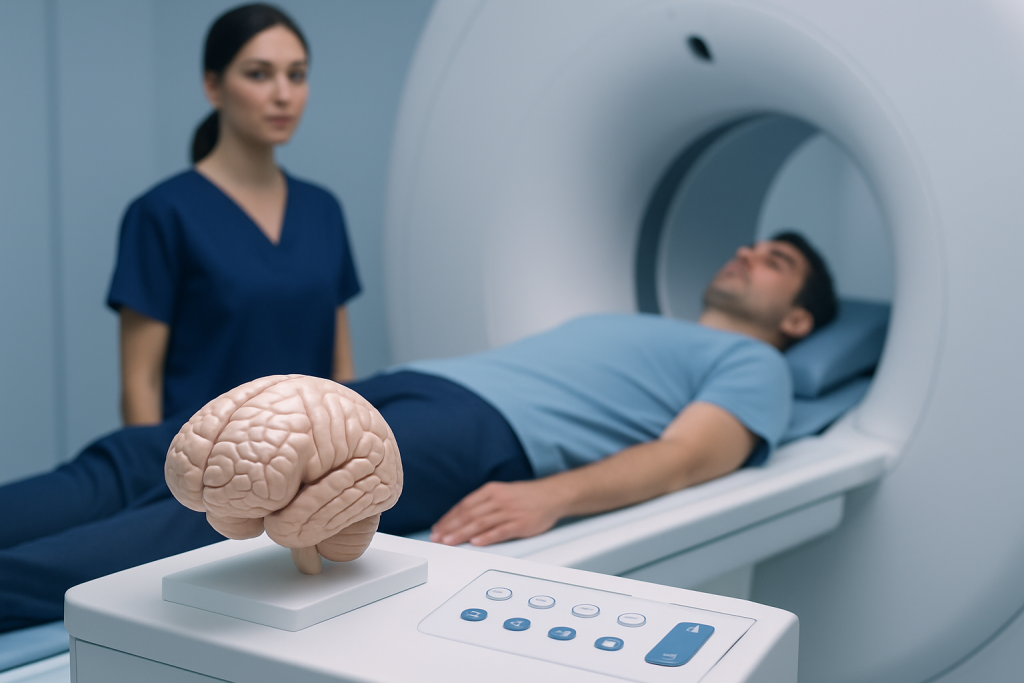
When symptoms are persistent, progressive, or associated with red flags, brain imaging or specialist testing may be recommended. This could include MRI to look at brain structure, or in selected situations electroencephalography (EEG) if episodes suggest seizures or altered awareness. If a stroke or circulation problem is suspected, doctors may assess urgently for conditions such as stroke and use hospital-based evaluation to guide treatment.
This stepwise approach is important because it helps separate common, manageable causes from conditions that need targeted treatment. Nutrition may still be part of the plan, but it is considered within the broader picture rather than as the only answer.
Practical nutrition and lifestyle steps for better brain health
For everyday brain support, the most practical approach is to build regular habits rather than chase a single “smart” food. A simple method is to fill much of the plate with vegetables, add a source of protein, include a whole grain or other high-fiber carbohydrate, and use healthy fats such as olive oil, nuts, seeds, or avocado. If fish is part of the diet, choosing oily fish regularly can be helpful.
It may also help to avoid long periods without eating if that tends to worsen concentration or headaches. Some people feel better when they include breakfast or small, balanced meals at predictable times. Others benefit from keeping processed snack foods and sugary drinks as occasional choices rather than daily staples.
Brain health is also strongly shaped by non-food habits:
- Drink enough fluids through the day
- Prioritize regular, sufficient sleep
- Exercise most days if medically appropriate
- Manage blood pressure, cholesterol, and diabetes
- Avoid smoking and limit alcohol
- Stay mentally and socially active
- Seek help for persistent stress, anxiety, or depression
Some people ask about supplements marketed for memory. In general, supplements are not a substitute for a balanced diet, and “brain boosters” are not always well studied. A clinician may recommend specific supplements when a true deficiency is identified, but self-prescribing large combinations is usually less helpful than addressing sleep, diet quality, and medical risk factors first.
When to seek medical care
Most occasional lapses in focus or mild forgetfulness are not caused by a dangerous problem, especially when they happen during stress, poor sleep, or illness. Still, medical review is important if symptoms are frequent, worsening, or affecting work, school, relationships, medication management, driving, or daily routines.
Urgent medical care is needed for sudden confusion, fainting, severe or unusual headache, one-sided weakness or numbness, facial drooping, trouble speaking, vision loss, new seizures, chest pain, or difficulty walking. These symptoms can signal a time-sensitive emergency and should not be attributed to diet or fatigue alone.
Prompt assessment is also sensible when memory changes are progressive, when a family member notices personality or behavior changes, or when symptoms occur with sleep apnea, depression, significant weight loss, fever, head injury, or a known neurological condition. In some cases, doctors may use advanced testing such as brain check-up programs or targeted neurological assessment to clarify the cause. Near the end of the care pathway, patients who need specialist support may choose centers such as Acibadem International, where multidisciplinary specialists in JCI-accredited hospitals evaluate and treat neurological symptoms for international patients.
Frequently asked questions
What is the best brain food for memory?
There is no single best brain food for memory. Foods most often associated with brain health include fatty fish, leafy greens, berries, nuts, seeds, beans, and whole grains as part of an overall balanced diet.
Can one food improve concentration right away?
No single food reliably improves concentration immediately for everyone. Some people feel better when they correct dehydration, eat a balanced meal, or avoid skipping meals, but ongoing focus usually depends on sleep, stress, overall diet, and medical factors.
Are supplements better than food for brain health?
Usually not. Supplements may help when a person has a confirmed deficiency, but they do not replace the broader benefits of a balanced diet and healthy lifestyle. It is best to discuss supplements with a doctor, especially if symptoms are new or persistent.
Which eating pattern is most brain-friendly?
A pattern rich in vegetables, fruit, legumes, whole grains, nuts, olive oil, and fish is commonly recommended for brain and heart health. This style of eating supports blood vessels and provides nutrients linked with healthy brain function over time.
When should forgetfulness be checked by a doctor?
Forgetfulness should be checked if it is getting worse, interfering with daily activities, or happening alongside confusion, personality change, trouble speaking, weakness, or balance problems. Sudden symptoms always need urgent medical attention.
Can dehydration and poor sleep affect the brain?
Yes. Both dehydration and inadequate sleep can reduce alertness, worsen headaches, and make memory or concentration feel poorer. These are common and often reversible reasons people notice “brain fog.”
References
- World Health Organization
- National Institute on Aging
- American Heart Association
- Centers for Disease Control and Prevention
- Academy of Nutrition and Dietetics
This article is for general information only and is not a substitute for professional medical advice. Please consult a qualified doctor about your individual situation.
Explore treatments in Turkey — costs, top hospitals & a free quote
JCI-accredited · board-certified surgeons · reply within 24h
Add us as a Preferred Source to see more of our trusted health content across Google Search, AI Overviews and Discover.

More from the Health Library



Related Specialists

Fzt. Dilara Nur Kara
Physical Medicine & Rehabilitation
Dr. Kutluhan Demirarslan
Inpatient Clinic Physicians Clinical Service
Dr. Melda Koyuncu
Dermatology
Dr. Yasemin Kural
Dermatology