What Is Vascular Neurology? Conditions, Tests, and Treatments Explained

Vascular neurology focuses on stroke and other disorders of the brain’s blood vessels. Fast evaluation is essential because some treatments work best within a limited time window.
Key Takeaways
- Vascular neurology focuses on stroke and other disorders of the brain’s blood vessels.
- Fast evaluation is essential because some treatments work best within a limited time window.
- Diagnosis often includes a neurological exam, brain imaging, and tests of the heart and blood vessels.
- Treatment depends on the cause and may include medicines, procedures, rehabilitation, and long-term prevention.
- Controlling blood pressure, diabetes, cholesterol, and smoking risk can help lower stroke risk.
Vascular neurology is the medical specialty focused on conditions that affect blood flow to and within the brain and spinal cord. It plays a central role in preventing, diagnosing, treating, and helping people recover from stroke and other cerebrovascular disorders.
Overview of vascular neurology
Vascular neurology is a branch of neurology that specializes in problems caused by reduced, blocked, or bleeding blood vessels in the brain. These conditions are often grouped under the term cerebrovascular disease. The best-known example is stroke, but vascular neurologists also care for transient ischemic attack (TIA), brain hemorrhage, narrowing of arteries that supply the brain, and other conditions that affect brain circulation.
The brain depends on a steady supply of oxygen and nutrients carried by blood. When that supply is interrupted, brain cells can be injured within minutes. Because of this, vascular neurology places strong emphasis on rapid recognition, emergency diagnosis, and time-sensitive treatment. Early care can limit damage, improve recovery, and reduce the risk of lasting disability.
Vascular neurologists often work as part of a multidisciplinary team that may include emergency physicians, neuroradiologists, neurosurgeons, rehabilitation specialists, cardiologists, and specialized nurses and therapists. Their role includes not only acute treatment, but also identifying why the event happened and creating a plan to help prevent another one.
What conditions does vascular neurology treat?
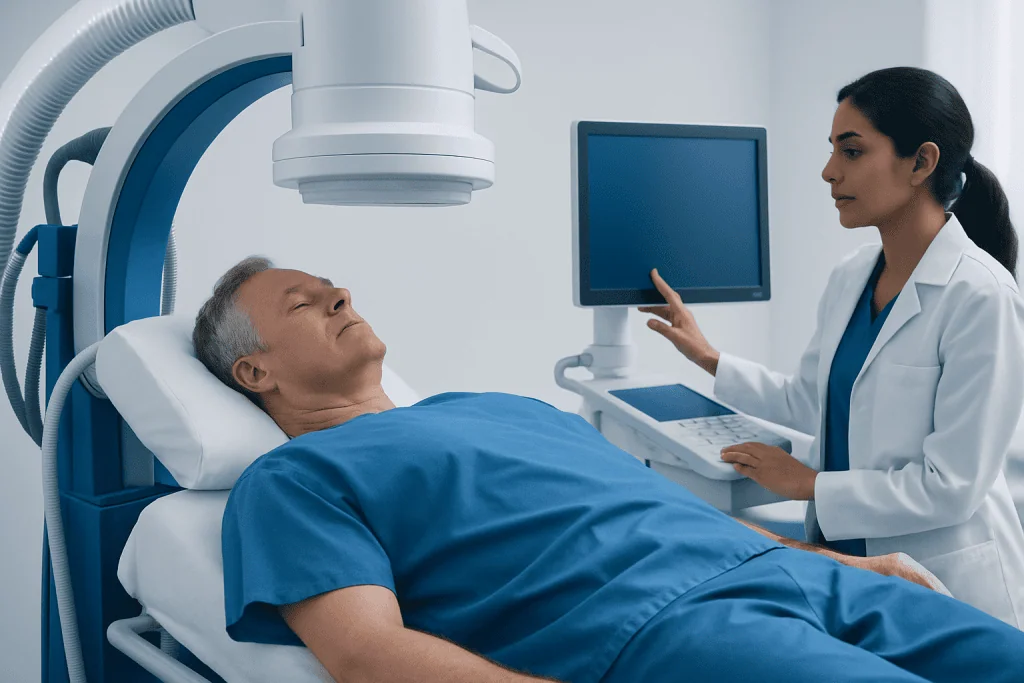
The most common condition managed in vascular neurology is stroke. An ischemic stroke happens when a blood vessel to the brain becomes blocked, often by a clot. A hemorrhagic stroke happens when a blood vessel ruptures and causes bleeding in or around the brain. Vascular neurologists also assess and treat transient ischemic attack, sometimes called a mini-stroke, which causes temporary stroke-like symptoms but is still a warning sign that needs urgent attention.
Other conditions include narrowing or blockage of the carotid or intracranial arteries, cerebral venous thrombosis, vascular malformations, and some causes of vascular dementia. In some cases, a patient may be evaluated for disorders linked to weakened blood vessel walls, inflammation of blood vessels, or repeated small vessel injury from long-term high blood pressure or diabetes. Depending on the findings, a vascular neurologist may also coordinate care for related conditions such as stroke.
Many patients seen in vascular neurology have symptoms that overlap with other neurological disorders, such as migraine, seizures, dizziness, or sudden confusion. Part of the specialist’s job is to determine whether symptoms are truly due to a vascular event or another condition that can look similar. This careful evaluation helps guide the right treatment without delay.
Symptoms and warning signs

The symptoms of a vascular neurological problem depend on which part of the brain is affected and whether the issue is a blockage or bleeding. Common warning signs include sudden weakness or numbness on one side of the body, facial drooping, trouble speaking or understanding speech, sudden vision loss or double vision, severe dizziness, loss of balance, or a sudden severe headache unlike usual headaches. These symptoms should never be ignored.
A simple way to remember common stroke signs is FAST: Face drooping, Arm weakness, Speech difficulty, Time to seek emergency help. Even if symptoms improve within minutes, urgent evaluation is still important because a TIA can be a sign of an impending stroke. Quick action may allow doctors to use treatments that can restore blood flow or reduce complications.
Some symptoms are less typical but still important, especially in older adults or people with multiple medical conditions. These may include sudden confusion, unusual sleepiness, difficulty walking, abrupt changes in coordination, or new trouble swallowing. Brain hemorrhage may also cause nausea, vomiting, seizures, or a rapid decrease in alertness. Any sudden neurological change deserves prompt medical assessment.
Causes and risk factors
Vascular neurological conditions can happen for several reasons. In ischemic stroke, the most common causes are a blood clot forming in a narrowed artery, a clot traveling from the heart or another blood vessel, or disease of the small vessels deep within the brain. In hemorrhagic stroke, causes may include uncontrolled high blood pressure, abnormal blood vessels, head trauma, or blood-thinning medicines in certain situations.
Risk factors often overlap with those for heart and vascular disease. High blood pressure is one of the most important, followed by diabetes, high cholesterol, smoking, obesity, atrial fibrillation, sleep apnea, and lack of physical activity. Age, family history, and prior stroke or TIA also raise risk. Some people have inherited or autoimmune conditions that make blood clotting or vessel injury more likely.
Not all risk factors can be changed, but many can be managed. Good control of blood pressure, careful treatment of diabetes, healthy cholesterol levels, smoking cessation, and regular exercise can all support brain vessel health. When the cause is linked to a heart rhythm problem or artery narrowing, vascular neurologists may recommend targeted treatment to reduce the chance of another event.
How vascular neurologists diagnose these conditions
Diagnosis begins with a detailed history and neurological examination. The doctor will ask when symptoms started, how they changed, what medical conditions are present, and whether there are risk factors such as heart disease or smoking. The examination checks strength, sensation, speech, coordination, balance, vision, and level of alertness. Knowing the exact timing of symptoms is especially important because some emergency treatments depend on when the problem began.
Brain imaging is usually central to diagnosis. A CT scan is often the first test because it can quickly show bleeding and help guide urgent treatment. MRI can provide more detailed information about brain tissue injury. Additional imaging may be used to look at blood vessels, such as CT angiography, MR angiography, carotid ultrasound, or catheter-based studies in selected cases. These tests help identify blockages, narrowing, aneurysms, or other vascular problems.
Doctors may also order heart and blood tests to understand the cause. These can include electrocardiography, heart rhythm monitoring, echocardiography, and blood work for clotting, cholesterol, glucose, infection, or inflammation. In complex cases, evaluation may involve specialists in cardiology, hematology, or neuroradiology. This broader workup helps create a prevention plan tailored to the individual patient.
Treatment options in vascular neurology
Treatment depends on the specific diagnosis and how quickly the patient is seen. For some ischemic strokes, clot-dissolving medicine may be appropriate if given within a limited time window and if certain safety criteria are met. In selected patients with a large artery blockage, doctors may recommend a catheter-based procedure to remove the clot, such as mechanical thrombectomy. Fast treatment can improve the chance of preserving brain function.
For hemorrhagic stroke, treatment focuses on stabilizing the patient, controlling blood pressure when appropriate, managing bleeding-related risks, and addressing the source of bleeding. Some patients may need intensive monitoring, reversal of blood-thinning medications, or a neurosurgical or endovascular procedure. When a narrowed artery contributes to recurrent symptoms, care may include medication and, in selected situations, procedures related to carotid endarterectomy or vascular imaging and angiography for further planning.
Long-term treatment aims to prevent another event. This may include antiplatelet medicines, anticoagulants for certain heart rhythm disorders, cholesterol-lowering therapy, and close management of blood pressure, diabetes, and lifestyle factors. Rehabilitation is also an important part of recovery. Depending on needs, patients may work with physical, occupational, and speech therapists to rebuild function, confidence, and independence. Some patients with persistent effects may benefit from coordinated stroke rehabilitation.
Recovery, prevention, and self-care
Recovery after a stroke or other cerebrovascular event varies from person to person. Some people improve quickly, while others need weeks or months of rehabilitation. Fatigue, mood changes, trouble concentrating, and communication difficulties are common during recovery and do not always mean that progress has stopped. Follow-up care is important so the medical team can monitor healing, adjust medications, and support the patient and family.
Prevention focuses on reducing the chance of another event. Patients are often advised to take prescribed medicines consistently, attend follow-up appointments, and monitor conditions such as blood pressure, diabetes, and cholesterol. Healthy habits can make a meaningful difference, including not smoking, limiting alcohol, eating a balanced diet, being physically active as advised, and maintaining a healthy weight. Sleep quality also matters, especially if sleep apnea is suspected.
Self-care after a vascular neurological event includes learning the warning signs of stroke recurrence and having a plan for emergency action. Family members and caregivers should also know what symptoms to watch for. Near the end of the care journey, some people seek evaluation at centers with coordinated expertise; Acibadem International’s multidisciplinary specialists and JCI-accredited hospitals diagnose and treat vascular neurological conditions for international patients.
When to seek urgent medical help
Sudden neurological symptoms should be treated as a medical emergency. A person should seek immediate help for facial drooping, arm or leg weakness, trouble speaking, sudden confusion, sudden vision changes, severe dizziness, loss of coordination, or a sudden severe headache. It is safest to call emergency services rather than drive, because treatment may need to begin as soon as possible.
Even if symptoms last only a few minutes and then disappear, urgent evaluation is still necessary. A TIA can be a strong warning sign that a stroke may follow. Prompt assessment may identify a blocked or narrowed artery, an abnormal heart rhythm, or another cause that can be treated before a more serious event occurs.
People already diagnosed with a cerebrovascular condition should also contact their doctor promptly if they develop new or worsening symptoms, medication side effects, repeated falls, trouble swallowing, or concerns about rehabilitation progress. Early communication helps the care team respond before complications become more serious.
Frequently asked questions
What is the difference between neurology and vascular neurology?
Neurology covers disorders of the brain, spinal cord, nerves, and muscles in general. Vascular neurology is a subspecialty focused specifically on problems related to blood vessels in the brain, especially stroke, TIA, and other cerebrovascular diseases.
Is vascular neurology only about stroke?
Stroke is a major part of vascular neurology, but it is not the only focus. Specialists also evaluate TIA, brain hemorrhage, artery narrowing, cerebral venous clots, and other conditions that affect blood flow to the brain.
What tests are commonly used in vascular neurology?
Common tests include a neurological examination, CT or MRI of the brain, and imaging of the blood vessels such as CT angiography, MR angiography, or carotid ultrasound. Doctors may also use heart monitoring, echocardiography, and blood tests to look for the cause of a vascular event.
Can a mini-stroke go away on its own?
TIA symptoms can resolve completely, often within minutes to hours, but they should never be ignored. A TIA is a warning sign that the risk of a future stroke may be increased, so urgent medical evaluation is important.
When is stroke treatment time-sensitive?
Stroke treatment is often most effective when started as early as possible after symptoms begin. Some medicines and procedures are only appropriate within specific time windows, which is why rapid emergency care matters.
Can stroke risk be reduced?
Yes, many stroke risk factors can be managed. Controlling blood pressure, diabetes, and cholesterol, not smoking, staying active, maintaining a healthy weight, and following prescribed treatment for heart conditions can all help lower risk.
References
- World Stroke Organization
- American Heart Association
- National Institute of Neurological Disorders and Stroke
- Centers for Disease Control and Prevention
- European Stroke Organisation
This article is for general information only and is not a substitute for professional medical advice. Please consult a qualified doctor about your individual situation.
Vascular Neurology in Turkey — costs, top hospitals & a free quote
JCI-accredited · board-certified surgeons · reply within 24h
Add us as a Preferred Source to see more of our trusted health content across Google Search, AI Overviews and Discover.
Check your numbers in seconds
BMI, calories, due date, blood pressure and 30+ more clinical calculators — free, instant, doctor-reviewed ranges.