What Kills Athlete’s Foot Instantly? Causes, Explanations, and Next Steps

There is usually no product or remedy that kills athlete’s foot instantly in a single use. Most cases improve with antifungal creams, sprays, or powders used as directed for long enough.
Key Takeaways
- There is usually no product or remedy that kills athlete’s foot instantly in a single use.
- Most cases improve with antifungal creams, sprays, or powders used as directed for long enough.
- Keeping the feet clean, dry, and well ventilated is essential for treatment to work.
- A doctor may confirm the diagnosis with a skin examination and sometimes a skin scraping or fungal test.
- Medical care is important if symptoms are severe, recurrent, involve the nails, or occur in someone with diabetes or poor circulation.
Athlete’s foot is common and usually harmless, but there is rarely a truly instant cure. The fastest safe approach is antifungal treatment plus careful foot hygiene, while warning signs such as severe pain, spreading redness, diabetes, or repeated infections should prompt medical review.
Overview: Can athlete’s foot be killed instantly?
For most people, the honest answer to what kills athlete’s foot instantly is: usually nothing. Athlete’s foot is a fungal skin infection that often starts between the toes, and while symptoms such as itching or burning may calm down quickly, the fungus itself typically takes days to weeks of proper treatment to clear.
The good news is that athlete’s foot is very common and usually manageable. Many mild cases respond well to nonprescription antifungal creams, sprays, or powders, especially when the feet are also kept dry and footwear is changed regularly. The goal is not just quick relief, but enough treatment to prevent the fungus from coming back.
It is also important to know when home care may not be enough. Medical review is a good idea if there is spreading redness, swelling, pus, marked pain, fever, deep cracks, involvement of the toenails, or if the person has diabetes, poor circulation, nerve damage, or a weakened immune system. In those situations, what looks like simple athlete’s foot may need closer assessment and more targeted treatment.
If symptoms persist, a doctor can examine the skin and, if needed, test a small skin sample to confirm the cause. This matters because eczema, psoriasis, contact dermatitis, and bacterial infections can look similar, and the best treatment depends on getting the diagnosis right.
What athlete’s foot is and why it happens
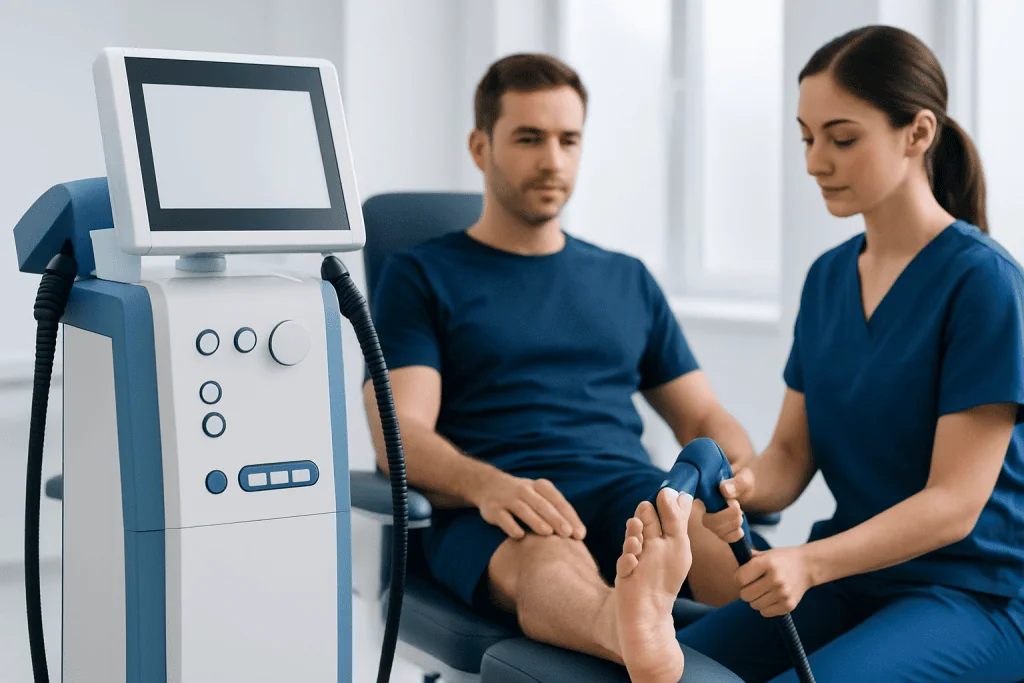
Athlete’s foot, also called tinea pedis, is a fungal infection of the skin on the feet. It is caused by fungi that thrive in warm, moist environments such as sweaty shoes, locker rooms, communal showers, and damp socks. The infection is contagious and can spread from person to person or from contaminated floors, towels, or footwear.
The fungus tends to grow where skin stays damp for long periods, especially between the toes. It can also affect the soles, sides of the feet, and sometimes the heels. In some people, athlete’s foot develops along with fungal nail infection, which can make treatment more difficult and raise the chance of recurrence.
Although the condition is often mild, it can be stubborn. Fungi can live in tiny skin flakes, shoes, and socks, so symptoms may return if treatment is stopped too early or if the feet remain moist. This is one reason why products that promise very rapid relief may not fully solve the problem even if they make the skin feel better at first.
When symptoms overlap with other rashes, doctors may also consider related skin conditions such as fungal skin infections or nonfungal causes of peeling and itching. A clear diagnosis helps avoid using the wrong cream, especially steroid creams that can sometimes worsen or mask fungal infections.
Symptoms and signs that suggest athlete’s foot
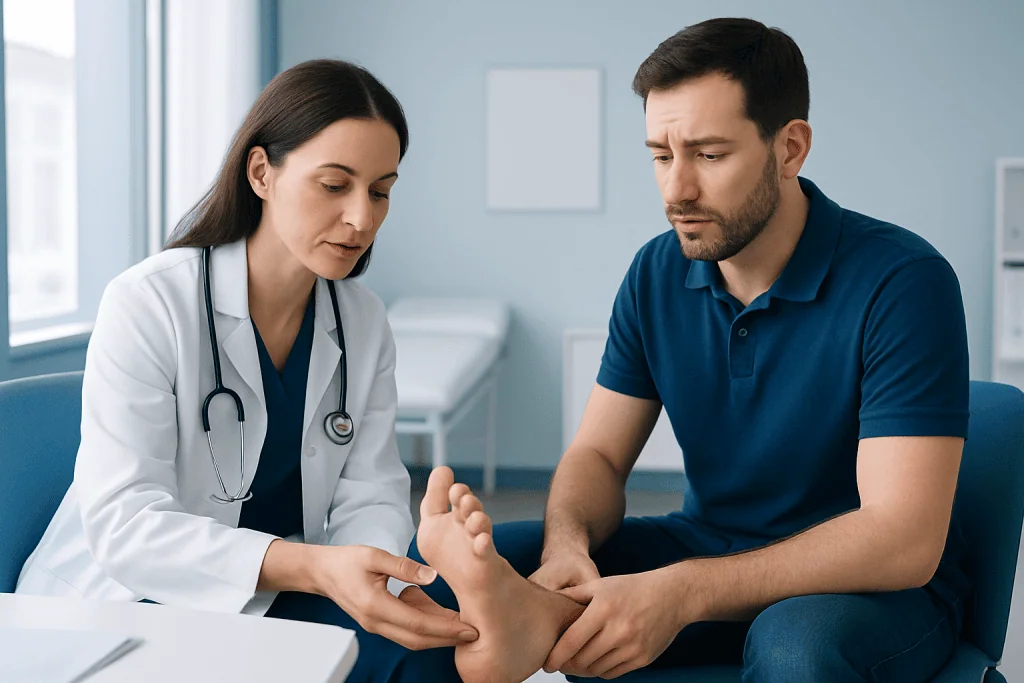
The most common symptoms are itching, stinging, burning, and peeling skin between the toes. Some people notice white, soggy skin in the toe spaces, while others develop dry scaling on the soles or sides of the feet. Cracks in the skin can be uncomfortable and may increase the risk of secondary bacterial infection.
Athlete’s foot does not always look the same. It may appear as flaky, red, scaly patches, or as a more diffuse dry rash on the sole that resembles very dry skin. In other cases, small blisters can form, especially on the arch or instep. The affected skin may feel tender, particularly if there is fissuring.
Toenail changes can sometimes occur at the same time. Thickened, brittle, yellowish, or crumbly nails may suggest a fungal nail infection, which often needs different treatment from skin-only athlete’s foot. If the rash keeps returning despite treatment, nail involvement is one possible reason.
- Itching or burning between the toes
- Peeling, scaling, or cracking skin
- Redness or irritation on the soles or sides of the feet
- Soft, white, damp-looking skin between toes
- Blisters or painful fissures in some cases
- Possible coexisting nail fungus
What helps fastest, and what does not
If the aim is the fastest safe improvement, the best-supported approach is a true antifungal medicine plus moisture control. Nonprescription antifungal creams, gels, sprays, or powders can start reducing the fungal load quickly, but they still need regular use for the full recommended period. Symptoms often improve before the infection is fully gone, so stopping too early is a common reason for relapse.
Keeping feet dry is just as important as using the medication. Washing and drying carefully, especially between the toes, changing socks when damp, rotating shoes, and choosing breathable footwear can make treatment work better. Some people also benefit from antifungal powder in shoes if moisture is a persistent problem.
There is less evidence for home remedies claiming to kill athlete’s foot instantly. Vinegar soaks, essential oils, alcohol-based products, or harsh disinfectants may irritate already inflamed skin and are not a substitute for proven antifungal treatment. Temporary cooling or drying does not necessarily mean the fungus has been eradicated.
If the infection is extensive, recurrent, or linked with nail disease, a doctor may consider stronger topical therapy or oral antifungal medication. In selected cases, care may involve dermatology evaluation to confirm the diagnosis and choose the most appropriate treatment plan.
Causes, risk factors, and why it may keep coming back
The main cause is exposure to fungi in places where feet are warm and moist. Public showers, swimming pool areas, gym changing rooms, and tight or non-breathable shoes all make it easier for the fungus to grow. Sharing towels, socks, or shoes can also spread the infection.
Some people are more prone to repeated episodes. Risk factors include heavy sweating, prolonged time in work boots, minor skin injuries, eczema, obesity, and frequent use of communal sports facilities. Men and older adults may develop it more often, but it can affect anyone.
Recurrence is common when the source is not addressed. For example, treating the rash but continuing to wear damp socks or contaminated shoes can allow the fungus to return. Nail fungus can also act as a reservoir, sending infection back to the surrounding skin even after the feet seem better.
People with diabetes, poor blood flow, or reduced feeling in the feet need extra caution. A simple fungal rash may become complicated by skin breakdown or bacterial infection. In those situations, broader assessment, including endocrinology care when diabetes is a factor, may be part of safer management.
How doctors diagnose athlete’s foot
Diagnosis often begins with a close look at the skin and a discussion of symptoms, footwear habits, sports exposure, previous treatments, and whether the nails are involved. In many straightforward cases, an experienced doctor can strongly suspect athlete’s foot based on the pattern of the rash and where it appears.
However, appearance alone is not always enough. A doctor may gently scrape a small sample of skin and examine it or send it for fungal testing. This helps distinguish athlete’s foot from eczema, psoriasis, contact dermatitis, bacterial infection, or other causes of scaling and redness.
Testing is especially useful when the rash is severe, one-sided, recurrent, or not responding to standard treatment. It may also be recommended before starting oral antifungal medicine. Confirming the diagnosis helps avoid unnecessary medications and supports a treatment plan that fits the exact cause.
If there are signs of deeper infection, marked swelling, drainage, or significant pain, the doctor may also assess for bacterial complications. In people with chronic foot problems, diabetes, or poor circulation, a more comprehensive foot examination is often appropriate.
Treatment options and practical self-care
Most mild to moderate cases are treated with topical antifungal medication. The exact product and duration depend on the ingredient and the extent of the rash, so it is important to follow label instructions or a doctor’s advice. The medicine is generally applied not only to visible rash but also slightly beyond the edges, because fungi can spread microscopically into nearby skin.
For more severe, widespread, or recurring cases, a doctor may prescribe stronger topical treatment or oral antifungal medication. Oral treatment is more likely to be considered if the nails are affected or if topical therapy has failed. Because not every rash is fungal, these decisions are best made after proper assessment.
Self-care supports treatment and lowers the chance of reinfection. Feet should be washed and dried well every day, socks changed when sweaty, and shoes allowed to dry fully between wears. Sandals or breathable shoes may help when practical, and flip-flops in communal wet areas can reduce exposure to fungi.
When nail infection or another diagnosis is suspected, doctors may evaluate for nail fungus or other skin conditions affecting the feet. Near the end of a care journey, some international patients may seek coordinated assessment at Acibadem International, where multidisciplinary specialists in JCI-accredited hospitals diagnose and treat skin and foot conditions.
When to seek medical care
Athlete’s foot is often minor, but some situations deserve prompt medical review. A doctor should assess symptoms if there is severe redness, warmth, swelling, pus, bleeding cracks, rapidly worsening pain, fever, or a rash that spreads beyond the feet. These features may suggest a bacterial infection or another condition that needs more than routine self-care.
Medical advice is also important if the person has diabetes, poor circulation, nerve damage, a weakened immune system, or repeated infections. In these groups, even small skin breaks can lead to bigger problems, and early treatment is safer than waiting. Nail changes, recurrent athlete’s foot, or no improvement after appropriate antifungal treatment are also good reasons to book an appointment.
A doctor may review symptoms, examine the skin closely, check the nails, ask about footwear and moisture exposure, and perform a skin scraping if needed. This step-by-step approach helps confirm whether the problem is athlete’s foot, another fungal disorder, or a nonfungal rash such as eczema or psoriasis.
Anyone uncertain about the diagnosis should avoid repeatedly trying different creams without guidance. The right treatment depends on the cause, and persistent or unusual foot rashes are best evaluated by a qualified healthcare professional.
Frequently asked questions
What kills athlete’s foot instantly at home?
There is usually no home remedy that reliably kills athlete’s foot instantly. Proven antifungal medicines and careful drying of the feet are the safest and most effective ways to clear it, although improvement still usually takes days to weeks.
Can athlete’s foot go away on its own?
It sometimes improves temporarily, especially if the feet are kept dry, but it often persists or comes back without proper treatment. Because the fungus thrives in moist environments, ongoing exposure can allow it to continue growing.
Why does athlete’s foot keep returning?
Recurrence is often linked to damp shoes, sweaty socks, shared wet surfaces, or stopping treatment too early. Fungal nail infection can also act as a source of reinfection, even after the skin seems better.
Is athlete’s foot contagious?
Yes. It can spread through skin contact or contact with contaminated floors, towels, socks, or shoes. Wearing sandals in communal wet areas and not sharing personal items can help reduce transmission.
When should someone worry about athlete’s foot?
Medical care is important if there is severe pain, swelling, pus, fever, spreading redness, or deep cracks in the skin. People with diabetes, poor circulation, reduced feeling in the feet, or a weakened immune system should seek advice earlier.
How do doctors confirm athlete’s foot?
Doctors often recognize it from the appearance and location of the rash, but they may also take a small skin scraping for fungal testing. This helps distinguish athlete’s foot from eczema, psoriasis, contact dermatitis, and other similar-looking conditions.
This article is for general information only and is not a substitute for professional medical advice. Please consult a qualified doctor about your individual situation.
Explore treatments in Turkey — costs, top hospitals & a free quote
JCI-accredited · board-certified surgeons · reply within 24h
Add us as a Preferred Source to see more of our trusted health content across Google Search, AI Overviews and Discover.

More from the Health Library

How to Slow Heart Rate? A Doctor-Reviewed Answer

Does Bipolar Disorder Get Worse With Age?

Are Olives Good for You? Here Is What the Evidence Says

Pain in Back When I Inhale: Possible Causes and When to Seek Care

Why Is Linzess Dangerous? A Doctor-Reviewed Answer