What level of hemoglobin is dangerously high Explained: Normal Ranges, High and Low Results, and When to Act

A hemoglobin result is interpreted against the laboratory reference range, sex, age, altitude, and symptoms. Mildly high hemoglobin is not always dangerous, but persistent or markedly elevated levels should be evaluated.
Key Takeaways
- A hemoglobin result is interpreted against the laboratory reference range, sex, age, altitude, and symptoms.
- Mildly high hemoglobin is not always dangerous, but persistent or markedly elevated levels should be evaluated.
- Common reasons for high hemoglobin include dehydration, smoking, sleep apnea, chronic lung disease, heart disease, and some kidney or bone marrow conditions.
- Low hemoglobin suggests anemia and has different causes, such as iron deficiency, blood loss, chronic disease, or vitamin deficiencies.
- Urgent medical attention is important if high hemoglobin occurs with chest pain, shortness of breath, severe headache, confusion, or stroke-like symptoms.
What level of hemoglobin is dangerously high depends on age, sex, altitude, overall health, and whether symptoms are present. In general, a hemoglobin result clearly above the lab’s normal range deserves medical review, and very high or rising levels may need prompt evaluation because they can reflect dehydration, low oxygen states, smoking, lung or heart disease, or a bone marrow disorder.
Overview: what a dangerously high hemoglobin level means
What level of hemoglobin is dangerously high? There is no single number that applies to everyone, because hemoglobin must be interpreted in context. In adults, a result above the laboratory’s normal range is considered high, but it becomes more concerning when it is clearly elevated on repeat testing, continues to rise, or occurs with symptoms such as headaches, dizziness, shortness of breath, vision changes, or signs of blood clotting.
Hemoglobin is the protein inside red blood cells that carries oxygen from the lungs to the body’s tissues. A hemoglobin test is usually part of a complete blood count. Doctors do not look at the number alone; they also review hematocrit, red blood cell count, oxygen levels, hydration status, smoking history, medicines, and whether the person lives at a high altitude.
High hemoglobin can be temporary, such as after dehydration, or it can point to a medical issue that increases red blood cell production. The main concern with significantly elevated levels is that blood may become thicker and flow less easily, which can raise the risk of complications in some people. That is why a result that is unexpectedly high should be discussed with a qualified doctor rather than interpreted in isolation.
Normal ranges, high results, and low results
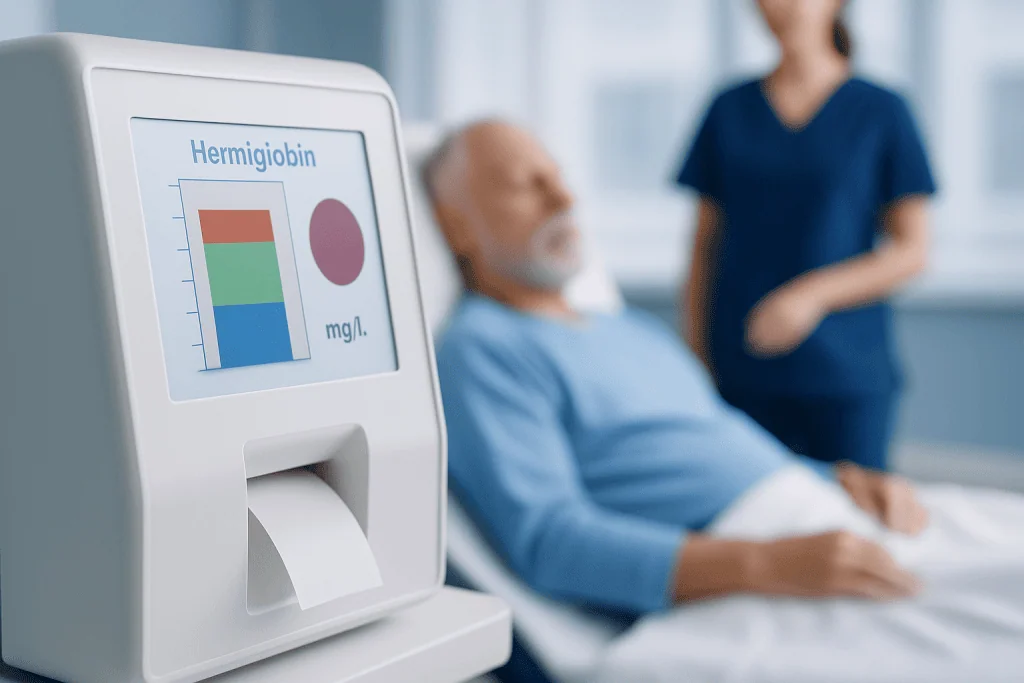
Normal hemoglobin ranges vary slightly by laboratory, but in general adult values are lower in women and higher in men. Children have age-specific ranges, and pregnancy also changes what is expected. A doctor usually starts by checking the reference interval printed on the lab report, because that is the correct comparison for that specific test method.
A high result means hemoglobin is above the expected range. This may happen because the body is making more red blood cells or because the blood is more concentrated, as in dehydration. A low result means there is less hemoglobin than expected, which is commonly called anemia. Low hemoglobin has a different set of causes and should not be managed the same way as a high result.
It can help to think in patterns rather than fixed labels:
- Slightly high: may be temporary or related to hydration, exercise, smoking, or altitude.
- Persistently high: usually needs a medical evaluation to look for an underlying cause.
- Very high or rapidly rising: may require more urgent assessment, especially if symptoms are present.
- Low: may suggest iron deficiency, blood loss, chronic illness, vitamin deficiency, kidney disease, or other causes of anemia.
Because hemoglobin is only one part of the picture, the same number may be more concerning in one person than another. For example, a borderline high result in a healthy person who is dehydrated may normalize after fluids, while the same value in a person with headaches, low oxygen levels, or a history of clotting may prompt more testing.
Why hemoglobin can become high

High hemoglobin is often divided into relative and absolute causes. Relative causes mean the blood is more concentrated, usually because the body has lost fluid. Absolute causes mean the body is actually producing more red blood cells. Distinguishing between these two categories helps doctors decide what to do next.
Common causes of a high hemoglobin result include:
- Dehydration: vomiting, diarrhea, heavy sweating, or not drinking enough fluid can temporarily raise the result.
- Smoking: carbon monoxide exposure reduces oxygen delivery and can stimulate the body to make more red blood cells.
- High altitude: people living or spending time at altitude often have higher hemoglobin as a normal adaptation.
- Low oxygen states: chronic lung disease, some heart conditions, and sleep-related breathing disorders may trigger increased red blood cell production.
- Kidney-related hormone changes: the kidneys produce erythropoietin, a hormone that helps regulate red blood cell production.
- Bone marrow disorders: conditions such as polycythemia vera can cause the marrow to produce too many red blood cells.
- Medicines or hormones: some performance-enhancing drugs, testosterone therapy, or erythropoietin use may increase hemoglobin.
Sometimes the cause is secondary, meaning the body is responding appropriately to low oxygen, and sometimes it is primary, meaning the blood-forming system itself is overactive. That distinction matters because treatment depends on the reason for the elevation, not just the lab value.
Symptoms that can happen with high or low hemoglobin
Many people with mildly high hemoglobin have no symptoms and discover it on routine blood work. When symptoms do occur, they may include headache, dizziness, fatigue, blurred vision, ringing in the ears, facial flushing, itching after a warm shower, numbness or tingling, or a feeling of pressure in the head. Some people may also notice poor exercise tolerance or shortness of breath if the underlying problem affects oxygen levels.
Very high hemoglobin can sometimes be associated with complications related to thicker blood or the condition causing the increase. Warning symptoms can include chest pain, sudden shortness of breath, swelling or pain in a leg, confusion, weakness on one side, or trouble speaking. These symptoms need prompt medical attention because they may signal clotting or reduced blood flow.
Low hemoglobin causes a different symptom pattern. It may lead to tiredness, paleness, weakness, lightheadedness, shortness of breath with activity, a rapid heartbeat, or feeling unusually cold. If a person is comparing “high versus low” results, it is important to remember that symptoms can overlap, so a blood test and medical assessment are the safest way to understand what is happening.
How doctors evaluate a high hemoglobin result
The first step is usually to confirm whether the result is real and persistent. A doctor may repeat the complete blood count, review prior tests, and ask about fluid intake, recent illness, smoking, altitude exposure, snoring, medications, and symptoms. Oxygen saturation, blood pressure, and a focused physical examination can provide important clues.
Further testing depends on the likely cause. A doctor may look at hematocrit and red blood cell count, kidney function, iron status, and markers of oxygen levels. If a bone marrow disorder is suspected, more specialized blood tests may be needed. In some cases, doctors assess for sleep apnea, chronic lung disease, heart conditions, or kidney problems. If the picture suggests a blood disorder, referral to a hematology specialist may be appropriate.
Because hemoglobin is part of a broader diagnostic process, people should avoid trying to lower it on their own with supplements or other remedies unless a doctor advises it. The goal is to identify whether the elevation is temporary, due to lifestyle factors, or related to a condition that needs targeted treatment.
Depending on the suspected cause, evaluation may involve specialists in hematology care, cardiology evaluation, or pulmonology assessment to understand why oxygen delivery or blood production has changed.
Treatment options and what happens next
Treatment for high hemoglobin focuses on the underlying cause. If dehydration is the reason, restoring fluids may bring the value back toward normal. If smoking is contributing, stopping smoking can help reduce ongoing stimulation of red blood cell production. If a medicine is involved, the prescribing doctor may review whether changes are appropriate.
When low oxygen is the driver, treatment may center on the lung, heart, or sleep-related condition rather than the blood count itself. For example, managing chronic lung disease, addressing sleep apnea, or evaluating a heart condition may improve oxygenation and reduce the body’s signal to make extra red blood cells. If a disorder such as sleep apnea is suspected, treating that condition can be an important part of care.
In some situations, doctors may recommend therapeutic phlebotomy, a procedure that removes a controlled amount of blood to reduce red blood cell concentration. This is not needed for every patient, and it is usually reserved for specific circumstances, such as certain blood disorders or symptomatic, significantly elevated levels. If a myeloproliferative disorder is diagnosed, additional treatments may be considered under specialist guidance.
Low hemoglobin is treated differently. Depending on the cause, treatment may involve dietary advice, iron or vitamin replacement, management of bleeding, or treatment of a chronic disease. Because high and low results have different causes, it is best not to assume that fatigue or dizziness automatically means anemia or that flushing automatically means high hemoglobin.
Prevention and self-care after an abnormal result
Not every abnormal hemoglobin result can be prevented, but several practical steps support healthy blood test results and overall health. Staying well hydrated before routine blood work, especially during hot weather or illness, can reduce the chance of a misleading concentration effect. Avoiding tobacco is also important, as smoking can contribute to chronically elevated hemoglobin and harms the heart and lungs.
People with chronic heart or lung disease should follow their treatment plan closely and attend regular checkups. If snoring, daytime sleepiness, or observed pauses in breathing are present, discussing them with a doctor is worthwhile because sleep apnea is a common and treatable reason for elevated hemoglobin in some adults. Good general health habits, including regular exercise, sleep, and balanced nutrition, support circulation and oxygen delivery.
After a high result, self-care should be cautious and realistic. Drinking fluids may help if dehydration is likely, but it is not a substitute for assessment when the level is clearly elevated, recurrent, or associated with symptoms. It is also wise to bring a full list of medicines, supplements, and any hormone treatments to the medical visit, since these can affect red blood cell production.
When to seek medical care
A routine appointment is appropriate if hemoglobin is above the lab’s normal range on a blood test, especially if the result is new, repeated, or unexplained. A doctor should review the value sooner if there are symptoms such as frequent headaches, dizziness, flushing, itching, unusual fatigue, shortness of breath, or if there is a history of smoking, sleep apnea, lung disease, heart disease, or blood clots.
Urgent medical care is important if high hemoglobin occurs with chest pain, sudden difficulty breathing, fainting, severe headache, confusion, new weakness, trouble speaking, or leg swelling and pain. These symptoms do not always mean the hemoglobin level is the cause, but they can point to serious complications that should not wait.
If specialist care is needed, Acibadem International’s multidisciplinary teams in JCI-accredited hospitals evaluate and treat international patients with blood, heart, and lung conditions using an individualized approach.
Frequently asked questions
Is a slightly high hemoglobin level always dangerous?
No. A mildly elevated result can happen temporarily with dehydration, recent time at high altitude, or smoking. It still deserves review if it persists, rises on repeat testing, or comes with symptoms.
What level of hemoglobin is considered normal?
Normal ranges vary by age, sex, pregnancy status, altitude, and the laboratory that performed the test. The safest reference point is the normal interval printed on the lab report. A doctor interprets the result together with symptoms and other blood count values.
Can dehydration make hemoglobin look too high?
Yes. When the body loses fluid, the blood becomes more concentrated, which can make hemoglobin appear elevated even if red blood cell production has not increased. That is one reason doctors may repeat the test after hydration or recovery from illness.
What causes high hemoglobin besides dehydration?
Common causes include smoking, living at high altitude, chronic low oxygen levels, sleep apnea, lung disease, some heart conditions, certain medicines such as testosterone, kidney-related hormone changes, and bone marrow disorders. The cause matters because treatment is based on why the hemoglobin is high, not just the number itself.
Does high hemoglobin mean cancer?
Not usually. Most cases are related to dehydration, smoking, altitude, or conditions that reduce oxygen levels. However, a persistent and unexplained elevation can sometimes be linked to a bone marrow disorder, so medical follow-up is important.
What should a person do after getting a high hemoglobin result?
The best next step is to review the result with a qualified doctor, especially if it is clearly above range or has happened before. The doctor may repeat the test, ask about symptoms and risk factors, and order additional tests if needed. People should not start or stop medications or supplements without medical advice.
References
- World Health Organization
- Centers for Disease Control and Prevention
- National Heart, Lung, and Blood Institute
- American Society of Hematology
- Mayo Clinic
This article is for general information only and is not a substitute for professional medical advice. Please consult a qualified doctor about your individual situation.
Heart care in Turkey — expert evaluation and treatment
JCI-accredited · board-certified surgeons · reply within 24h
Add us as a Preferred Source to see more of our trusted health content across Google Search, AI Overviews and Discover.