What Medicine Is Good for Headaches? Choosing Treatment by Headache Type

There is no single best headache medicine for everyone; treatment should match the headache type. Simple pain relievers may help occasional headaches, while migraines and cluster headaches often need more specific treatment.
Key Takeaways
- There is no single best headache medicine for everyone; treatment should match the headache type.
- Simple pain relievers may help occasional headaches, while migraines and cluster headaches often need more specific treatment.
- Frequent use of pain medicine can lead to medication-overuse headache and make headaches harder to control.
- Lifestyle measures such as hydration, sleep, regular meals, and trigger management can reduce headache frequency.
- New, severe, or unusual headaches should be assessed by a doctor promptly.
The best headache medicine depends on the type of headache, how often it happens, and whether it comes with symptoms such as nausea, light sensitivity, or nasal congestion. Understanding the pattern of pain helps doctors and patients choose safer, more effective treatment and avoid medicine overuse.
Overview: why headache type matters
When people ask what medicine is good for headaches, the most accurate answer is that it depends on the headache type. Headaches are not all the same. A tension-type headache, a migraine, and a cluster headache can feel very different and often respond to different medicines. Choosing treatment based on the pattern of pain usually brings better relief and reduces unnecessary side effects.
Doctors often divide treatment into two broad categories: medicine taken during a headache attack to stop or reduce pain, and preventive medicine taken regularly to reduce how often headaches happen. Some people only need occasional symptom relief, while others benefit from long-term prevention if headaches are frequent, severe, or disruptive to daily life.
Many headaches can be managed safely with guidance from a primary care doctor or neurologist. However, frequent self-treatment without understanding the cause may lead to medication-overuse headache, in which the medicines used for relief start to contribute to ongoing headaches. This is one reason a careful diagnosis is important, especially when headaches are recurring.
Common headache types and how they differ
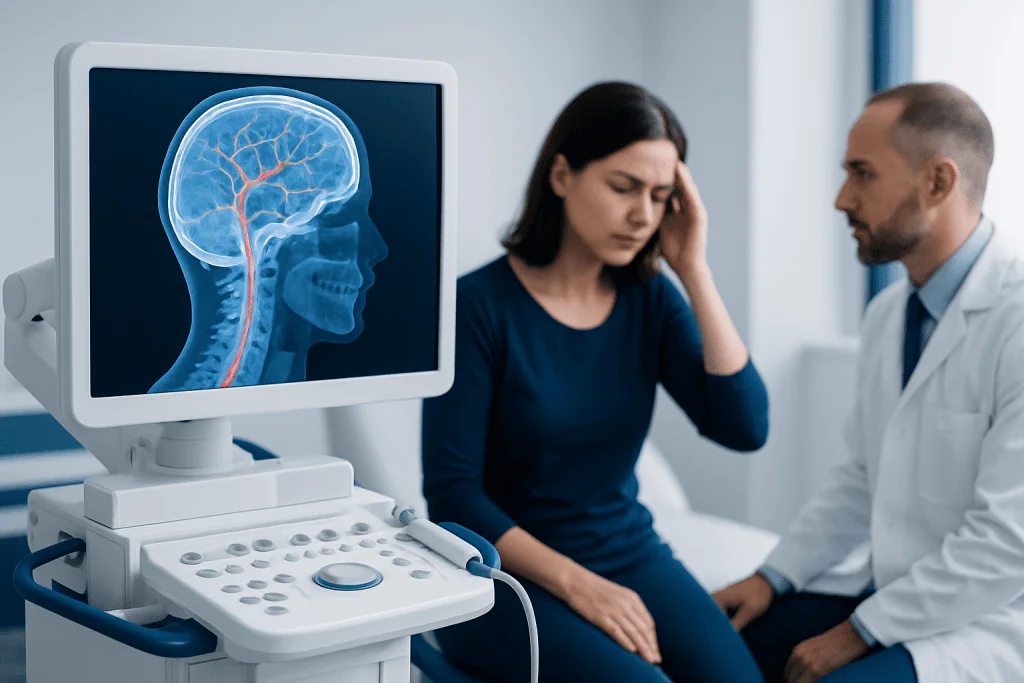
Tension-type headache is often described as a dull, pressing, or tightening pain, usually on both sides of the head. People may feel as if a band is wrapped around the forehead or scalp. It is commonly linked with stress, poor sleep, muscle tension, dehydration, or long periods at a desk. Nausea and strong sensitivity to light are usually less prominent than in migraine.
Migraine is more than a bad headache. It often causes throbbing or pulsating pain, frequently on one side, and may be accompanied by nausea, vomiting, and sensitivity to light, sound, or smells. Some people experience visual symptoms or other warning signs called aura. Migraines can interfere with work, family life, and sleep, and they often require more targeted care than simple pain relief.
Cluster headache is less common but very distinctive. It usually causes severe pain around one eye or temple, often with tearing, eye redness, a drooping eyelid, or a blocked or runny nose on the same side. Attacks tend to come in clusters over weeks or months. Sinus headache is often suspected by patients, but many headaches thought to be sinus-related are actually migraines or tension headaches. A doctor can help distinguish among these patterns and rule out secondary causes such as infection, high blood pressure, or other medical problems.
Medicines used during a headache attack

For occasional mild to moderate headaches, nonprescription pain relievers may help. These can include acetaminophen or nonsteroidal anti-inflammatory drugs, often called NSAIDs, such as ibuprofen or naproxen. These medicines may be useful for tension-type headaches and for some migraines, especially if taken early in the attack. Not everyone can use them safely, however. People with stomach ulcers, kidney disease, liver disease, bleeding risk, or certain heart conditions should check with a doctor before taking them regularly.
When headaches are clearly migraines, migraine-specific medicines may be more effective. These include prescription options that act on migraine pathways in the brain and blood vessels. They are often used when standard pain relievers are not enough or when migraine symptoms are moderate to severe. Anti-nausea medicines may also be prescribed if vomiting or stomach upset makes migraine attacks harder to manage.
Cluster headache usually needs a different approach. Standard over-the-counter pain relievers often do not work fast enough. Treatments that can help include fast-acting prescription medicines and oxygen therapy under medical supervision. People with repeated or severe attacks may benefit from specialist evaluation, especially if symptoms fit cluster headache or another primary headache disorder.
Combination pain medicines and frequent use of any acute headache medicine should be approached carefully. A doctor may recommend limits on how often rescue medicine is used each month to reduce the risk of rebound headaches. If headache attacks are becoming frequent, stronger or more frequent pain relief is not always the best next step; preventive care may be more appropriate.
Preventive treatment for frequent headaches
Preventive treatment is considered when headaches occur often, last a long time, or significantly affect daily activities. The goal is not only to reduce pain but also to lower the number of headache days, improve function, and reduce reliance on attack medicines. Preventive treatment can be especially helpful for frequent migraines, chronic tension-type headache, and recurring cluster headache.
Several kinds of prescription medicines may be used for prevention, depending on the headache type and the person’s overall health. These may include certain blood pressure medicines, anti-seizure medicines, antidepressants, or newer migraine-focused therapies. The right choice depends on age, other medical conditions, pregnancy plans, sleep patterns, and possible side effects. A doctor may adjust the plan over time based on response.
Some patients with chronic or hard-to-control headaches may benefit from specialist care and additional therapies. In selected cases, doctors may discuss options used in advanced headache management, including Botox for migraine or a more detailed migraine treatment plan. If symptoms match migraine, formal diagnosis can help guide both attack treatment and prevention.
How doctors choose the right headache medicine
Choosing headache medicine starts with a good history. Doctors ask when the headaches began, where the pain is located, how long attacks last, how severe they feel, and whether they come with nausea, visual changes, weakness, fever, or nasal symptoms. They also ask what medicines have already been tried, how often they are used, and whether they help. This information can show whether the problem is likely tension headache, migraine, cluster headache, or another condition.
A physical and neurological examination may be enough for many patients. In some situations, blood tests or imaging are needed, especially if the headache pattern is new, changing, or accompanied by warning signs. Examples include sudden severe headache, headache after head injury, headache with fever or neck stiffness, or headache with confusion, fainting, weakness, or trouble speaking. The aim is to identify the cause and choose treatment safely.
Doctors also look at the whole person, not just the headache. Other conditions such as high blood pressure, anxiety, depression, poor sleep, jaw tension, medication side effects, or hormonal changes can influence headache patterns. The most suitable medicine is therefore the one that fits both the headache type and the patient’s overall health. For persistent or complex cases, referral to a neurologist or a dedicated neurology evaluation may be helpful.
Self-care, triggers, and avoiding medication overuse
Medicine is only one part of headache care. Many people get better control when they also identify and reduce triggers. Common triggers include dehydration, skipping meals, poor sleep, stress, too much caffeine, caffeine withdrawal, alcohol, strong odors, bright light, and long hours of screen use. Keeping a headache diary can help reveal patterns and make treatment more precise.
Healthy routines support both prevention and recovery. Helpful measures may include drinking enough water, eating regular balanced meals, sleeping on a consistent schedule, taking breaks from screens, and using stress-management techniques such as breathing exercises, stretching, or regular physical activity. Some people benefit from posture correction or physical therapy if neck and shoulder tension contributes to headaches.
Medication overuse is an important but often overlooked cause of frequent headaches. It can happen when pain-relieving medicines are used too often, even if they seemed effective at first. The brain becomes more sensitive to pain, and headaches may become more regular or harder to treat. Anyone using headache medicine frequently should discuss this with a doctor rather than simply increasing the dose or adding more products.
Some people also seek care for related symptoms such as facial pressure or nasal blockage. If there is concern about sinus disease, a doctor may assess whether headache symptoms are truly sinus-related or whether they are more consistent with migraine. When appropriate, evaluation by ear, nose, and throat specialists can help clarify the cause.
When to see a doctor
Many headaches are not dangerous, but some deserve prompt medical attention. A doctor should assess a headache that is sudden and extremely severe, different from previous headaches, or linked with fever, neck stiffness, rash, fainting, seizure, confusion, weakness, numbness, vision loss, or trouble speaking. Headaches after a head injury or headaches that steadily worsen over time also need medical review.
Medical advice is also important when headaches are happening often, disrupting work or sleep, or requiring medicine on a regular basis. Children, older adults, pregnant people, and those with significant medical conditions may need a more tailored approach to treatment. If pain relievers are no longer working, or if they are needed more and more often, that is another sign to seek guidance.
With the right diagnosis, many people find substantial relief and better control over daily life. Care may involve a family physician, neurologist, pain specialist, or other clinicians depending on the pattern and cause. Near the end of the care pathway, patients may also explore multidisciplinary assessment; Acibadem International’s specialists in JCI-accredited hospitals diagnose and treat headache disorders for international patients when more comprehensive evaluation is needed.
Frequently asked questions
What is the best medicine for a regular headache?
There is no single best headache medicine for every person. For occasional mild headaches, common pain relievers may help, but the best choice depends on the cause, the person’s health conditions, and how often the headache occurs. If headaches are frequent or changing, a doctor should help identify the headache type.
Do migraines need different medicine from tension headaches?
Yes, they often do. Tension-type headaches may respond to simple pain relief, while migraines sometimes need migraine-specific prescription treatment, especially when pain is severe or associated with nausea or light sensitivity. Using the right medicine for the right headache type usually improves relief.
Can taking too much headache medicine make headaches worse?
Yes. Frequent use of pain medicines can lead to medication-overuse headache, also called rebound headache. This can create a cycle in which headaches become more frequent and harder to treat, so regular medicine use should be reviewed with a doctor.
When should someone worry about a headache?
A headache needs urgent medical attention if it is sudden and severe, follows a head injury, or comes with fever, neck stiffness, weakness, confusion, fainting, seizure, or vision changes. It is also important to seek medical advice if headaches are new, worsening, or very different from usual.
Are there non-medicine ways to help headaches?
Yes. Good hydration, regular meals, enough sleep, stress reduction, posture improvement, and limiting trigger exposure can all help reduce headaches. A headache diary is often useful for identifying patterns and deciding whether lifestyle changes or medical treatment are needed.
Do sinus headaches always need sinus medicine?
Not always. Many headaches people think are caused by sinus problems are actually migraines or tension headaches. If facial pressure or nasal symptoms are recurring, a doctor can assess whether the cause is sinus disease or another headache disorder.
References
- World Health Organization
- International Headache Society
- American Migraine Foundation
- National Institute of Neurological Disorders and Stroke
- Mayo Clinic
This article is for general information only and is not a substitute for professional medical advice. Please consult a qualified doctor about your individual situation.
Persistent digestive symptoms? Get evaluated in Turkey
JCI-accredited · board-certified surgeons · reply within 24h
Add us as a Preferred Source to see more of our trusted health content across Google Search, AI Overviews and Discover.
Check your numbers in seconds
BMI, calories, due date, blood pressure and 30+ more clinical calculators — free, instant, doctor-reviewed ranges.