What Part of the Breast Hurts in Early Pregnancy? A Doctor-Reviewed Answer

Early pregnancy breast pain most often involves the nipples, areola, outer breast, or a generalized tenderness in both breasts. Hormonal changes, increased blood flow, and growth of milk-producing tissue are the main reasons breasts feel sore early in pregnancy.
Key Takeaways
- Early pregnancy breast pain most often involves the nipples, areola, outer breast, or a generalized tenderness in both breasts.
- Hormonal changes, increased blood flow, and growth of milk-producing tissue are the main reasons breasts feel sore early in pregnancy.
- Mild to moderate, symmetrical tenderness is common, while strong one-sided pain, redness, fever, or a new lump needs medical review.
- Doctors evaluate breast pain by asking about symptoms, examining the breasts, and using pregnancy testing or imaging when needed.
- Supportive bras, warm or cool compresses, and avoiding pressure can help reduce discomfort.
In early pregnancy, breast discomfort is usually harmless and commonly affects the nipples, areola, outer sides of the breasts, or the entire breast with a heavy, full, or tender feeling. Although this symptom is often linked to normal hormonal changes, severe pain, redness, fever, a distinct lump, or one-sided symptoms should be assessed by a doctor.
Overview: Which Part of the Breast Usually Hurts?
For many people, breast soreness in early pregnancy is common and usually not a sign of a serious problem. The discomfort often affects both breasts rather than one specific spot. Many describe tenderness in the nipples or areola, aching along the outer sides of the breasts, or a general feeling of fullness, heaviness, or sensitivity throughout the breast tissue.
The reason this symptom gets so much attention is that it can start very early, sometimes even before a missed period. Hormonal shifts after conception can make the breasts react quickly. As a result, even light touch, exercise, or pressure from a bra may feel uncomfortable.
Although most early pregnancy breast pain is harmless, some patterns deserve closer attention. Symptoms such as one-sided redness, fever, a firm new lump, skin changes, or pain that is intense and worsening are not considered typical pregnancy tenderness alone. In those situations, a doctor can look for causes other than routine hormonal changes.
A practical way to think about this symptom is by separating normal tenderness from warning signs. Normal early pregnancy discomfort is usually bilateral, diffuse, and linked to sensitivity of the nipples, areola, and outer breast. More focal or inflammatory symptoms may point to a different issue that should be checked.
How Breast Pain Feels in Early Pregnancy
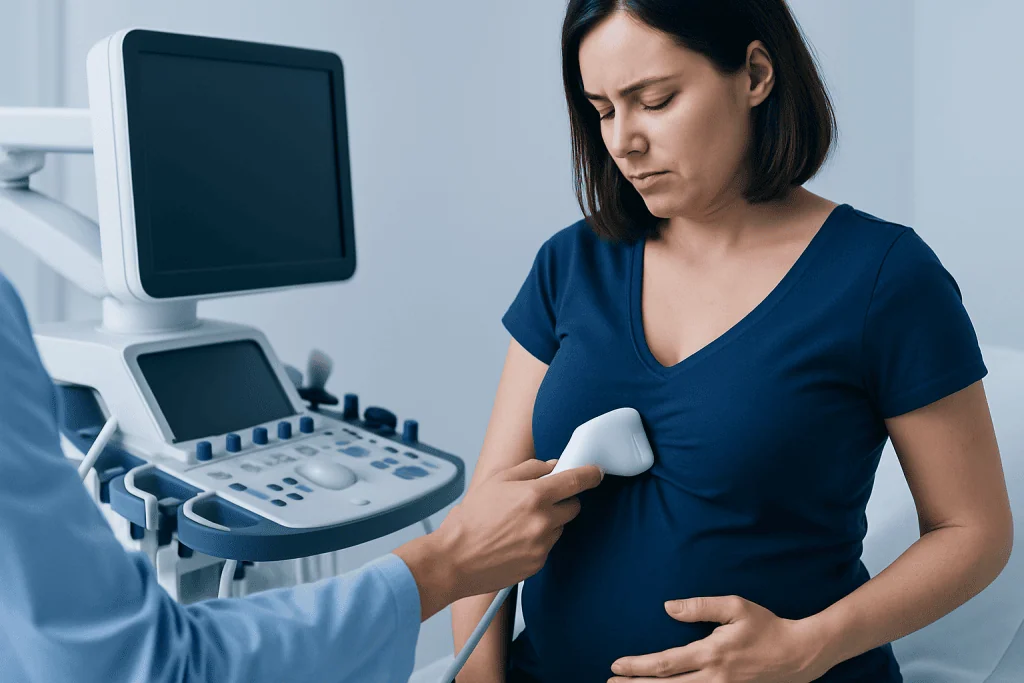
People do not all experience breast pain in the same way. Some notice soreness only in the nipples, while others feel a dull ache through the whole breast. Common descriptions include tingling, throbbing, heaviness, swelling, burning sensitivity, or a bruised feeling when the breasts are touched.
The nipples and areola are especially sensitive because they respond strongly to hormonal changes. They may feel sore, itchy, or unusually reactive to clothing or temperature. The outer sides of the breasts and the area toward the underarm can also feel tender as glandular tissue begins to change.
Breast discomfort may come and go during the day. It can feel worse in the morning, after physical activity, when lying on the chest, or while wearing an unsupportive bra. Some people also notice visible veins, mild enlargement, or darker areolae around the same time.
Typical features of early pregnancy breast pain may include:
- Tenderness in both breasts
- Sore nipples or areola
- Fullness or heaviness
- Swelling or increased sensitivity
- Discomfort along the outer breast or near the underarm
Why It Happens: Causes and Risk Factors

The main cause of breast pain in early pregnancy is hormonal change. Rising levels of estrogen, progesterone, and other pregnancy-related hormones prepare the breasts for milk production. This process increases blood flow, stimulates growth in the milk ducts and glands, and can make breast tissue feel swollen and sensitive.
Another reason certain areas hurt more is that the nipples and areola contain many nerve endings. As the breasts enlarge and the skin stretches, these sensitive areas may react first. The outer breast and upper outer quadrant may also feel more tender because breast tissue extends toward the underarm.
Some people notice stronger symptoms than others. Those with naturally dense or sensitive breast tissue, a history of cyclical breast pain, or significant hormonal sensitivity may feel more discomfort. Previous pregnancy experiences can also vary, so a person may have breast pain in one pregnancy but not another.
It is also important to remember that breast pain is not specific to pregnancy alone. Similar symptoms can occur before menstruation, with certain medications, from poorly fitting bras, or with benign breast conditions. If breast soreness is accompanied by a lump or unusual discharge, doctors may also consider other causes such as breast cancer or noncancerous breast changes, even though these are much less likely than normal hormonal tenderness in early pregnancy.
What Is Normal, and What Is Not
Normal early pregnancy breast pain is usually mild to moderate, affects both breasts, and improves or fluctuates over time. It often feels diffuse rather than sharply localized. The most typical areas are the nipples, areola, and outer breast, but some people simply feel tenderness throughout the entire breast.
By contrast, pain that is focused in one area and keeps getting worse deserves attention. Strong one-sided pain may be related to a blocked duct, infection, cyst, trauma, or another breast condition rather than early pregnancy changes alone. Redness, warmth, or visible swelling in a defined area is also less typical of ordinary hormonal discomfort.
Another important distinction is whether there are accompanying symptoms. Fever, chills, pus-like discharge, skin dimpling, nipple inversion that is new, or a hard fixed lump are not features to ignore. These signs do not automatically mean something serious, but they should be evaluated by a healthcare professional.
When breast pain is part of a wider pregnancy picture, doctors may also look for related symptoms such as missed periods, nausea, fatigue, or cramping. If pregnancy is uncertain, a structured review of symptoms and testing may help clarify whether the breast changes are pregnancy-related or due to another cause, including ectopic pregnancy when pain and bleeding are also present.
How Doctors Diagnose the Cause
If breast pain raises concern, a doctor usually starts with a detailed medical history. They may ask when the pain began, whether it affects one or both breasts, whether pregnancy is confirmed, and whether there are symptoms such as discharge, fever, skin changes, or a lump. Menstrual history, medications, and family history can also be relevant.
A clinical breast examination is often the next step. The doctor checks for areas of tenderness, swelling, warmth, visible skin changes, and any mass that feels distinct from normal glandular tissue. In pregnancy, many breast changes are symmetrical and expected, but the exam helps identify signs that do not fit the usual pattern.
Testing depends on the situation. A pregnancy test may confirm early pregnancy if status is unknown. If there is a lump, focal pain, or other concerning feature, breast ultrasound is commonly used because it can evaluate breast tissue without radiation. Blood tests or further assessment may be needed if infection or another condition is suspected.
When symptoms point more broadly to early pregnancy or pregnancy complications, doctors may also use ultrasound to assess the pregnancy itself and fertility and reproductive evaluation in selected patients who are under specialist care. The goal is not only to explain the breast pain, but also to make sure the overall pregnancy picture is reassuring and medically appropriate.
Relief, Self-Care, and Treatment Options
Most early pregnancy breast pain does not require medical treatment and can be managed with simple supportive measures. A well-fitting, non-underwired support bra often makes a meaningful difference. Some people prefer a soft sleep bra at night if breast movement causes discomfort while resting.
Warm or cool compresses may help, depending on what feels more comfortable. Avoiding friction from rough fabrics, reducing pressure on the chest during sleep, and choosing gentle skin products may also ease nipple and areola sensitivity. If exercise worsens discomfort, extra support and lower-impact activity can help.
If the pain is significant, a doctor may advise safe symptom relief options during pregnancy. It is important not to start pain medicines or topical products without medical guidance, especially in early pregnancy. Treatment changes if the cause is something other than normal pregnancy tenderness, such as infection, a cyst, or another breast condition.
When specialist care is needed, breast evaluation may include breast-focused diagnostic and treatment services for persistent lumps or suspicious findings. The right approach depends on the cause, and most people with early pregnancy breast soreness do not need any procedure at all.
When to Seek Medical Care
Medical review is a good idea if breast pain is severe, clearly one-sided, or associated with a new lump. It is also sensible to seek care if the skin becomes red, hot, or swollen, or if there is nipple discharge that is bloody or pus-like. Fever or feeling unwell should not be attributed to pregnancy alone without assessment.
Urgent care is especially important if breast symptoms occur along with vaginal bleeding, severe abdominal pain, faintness, or shoulder pain, because the issue may not be breast-related and could reflect a pregnancy complication. These symptoms need prompt medical attention.
Even when symptoms are likely benign, persistent worry is a valid reason to speak with a doctor. Reassurance after an appropriate examination can be helpful, especially in early pregnancy when physical changes may feel unfamiliar. A clinician can explain what is normal for that individual and what should be monitored.
Near the end of the care pathway, some patients may benefit from multidisciplinary support. Acibadem International’s specialists and JCI-accredited hospitals diagnose and treat breast and pregnancy-related concerns for international patients when further evaluation is needed.
Frequently asked questions
What part of the breast hurts in early pregnancy most often?
Most often, tenderness is felt in the nipples, areola, outer sides of the breasts, or across the whole breast. Many people describe both breasts feeling fuller, heavier, or more sensitive rather than pain in one exact spot.
Is it normal for only the nipples to hurt in early pregnancy?
Yes, nipple soreness can be a normal early pregnancy symptom. The nipples are very sensitive to hormonal changes, so they may feel tender, tingly, or irritated even before the rest of the breast changes become obvious.
Can breast pain be one of the first signs of pregnancy?
Yes, breast tenderness can appear very early in pregnancy, sometimes before a missed period. It happens because hormones begin changing soon after conception and affect breast tissue quickly.
How is pregnancy breast pain different from period breast pain?
The two can feel similar, which is why breast soreness alone cannot confirm pregnancy. In pregnancy, the tenderness may last longer, feel more intense in the nipples, and come with other symptoms such as fatigue, nausea, or a missed period.
When should breast pain in early pregnancy be checked by a doctor?
A doctor should assess breast pain if it is severe, one-sided, associated with redness, fever, a distinct lump, or unusual nipple discharge. Medical review is also important if breast symptoms happen together with vaginal bleeding, strong abdominal pain, dizziness, or fainting.
How can someone ease breast pain safely in early pregnancy?
Simple measures such as wearing a supportive bra, avoiding pressure on the chest, and using warm or cool compresses may help. Any medication use during pregnancy should be discussed with a qualified doctor to make sure it is appropriate and safe.
References
- American College of Obstetricians and Gynecologists
- National Health Service
- Mayo Clinic
- Cleveland Clinic
- World Health Organization
This article is for general information only and is not a substitute for professional medical advice. Please consult a qualified doctor about your individual situation.
Explore treatments in Turkey — costs, top hospitals & a free quote
JCI-accredited · board-certified surgeons · reply within 24h
Add us as a Preferred Source to see more of our trusted health content across Google Search, AI Overviews and Discover.