

What to Expect at a Neurological Sleep Medicine Appointment

The first visit usually focuses on symptoms, sleep habits, medical history, and medications. A neurological sleep specialist looks for conditions such as insomnia, sleep apnea, restless legs syndrome, narcolepsy, and unusual movements or behaviors during sleep.
Key Takeaways
- The first visit usually focuses on symptoms, sleep habits, medical history, and medications.
- A neurological sleep specialist looks for conditions such as insomnia, sleep apnea, restless legs syndrome, narcolepsy, and unusual movements or behaviors during sleep.
- Testing may include sleep diaries, questionnaires, blood tests, home sleep apnea testing, or an overnight sleep study.
- Treatment depends on the cause and may include lifestyle changes, behavioral therapy, devices, medication, or follow-up testing.
- Bringing a symptom timeline, medication list, and input from a bed partner can make the appointment more helpful.
A neurological sleep medicine appointment helps identify sleep problems linked to the brain, nerves, breathing, movement, or daily habits. Most visits include a detailed discussion of symptoms, a focused examination, and a plan for testing or treatment tailored to the person’s needs.
Overview: Why Someone Might Need a Neurological Sleep Medicine Appointment
A neurological sleep medicine appointment is a specialist visit for people with ongoing sleep concerns that may involve the brain, nervous system, breathing patterns, or movement during sleep. These concerns can include trouble falling asleep, excessive daytime sleepiness, loud snoring, pauses in breathing, unusual nighttime behaviors, vivid dream enactment, morning headaches, restless legs, or sudden episodes of weakness or sleep attacks.
Neurological sleep medicine sits at the intersection of neurology and sleep medicine. This means the clinician does more than ask whether a person sleeps enough. The evaluation looks at how the brain regulates sleep and wakefulness, how nerves and muscles behave during sleep, and whether a sleep problem may be related to another neurological or medical condition.
Many people worry that the visit will be complicated or uncomfortable. In most cases, the appointment is conversational and structured. The goal is to understand what is happening, how long it has been going on, how it affects daily life, and what tests or treatments may help.
Common Symptoms a Sleep Neurology Specialist Evaluates
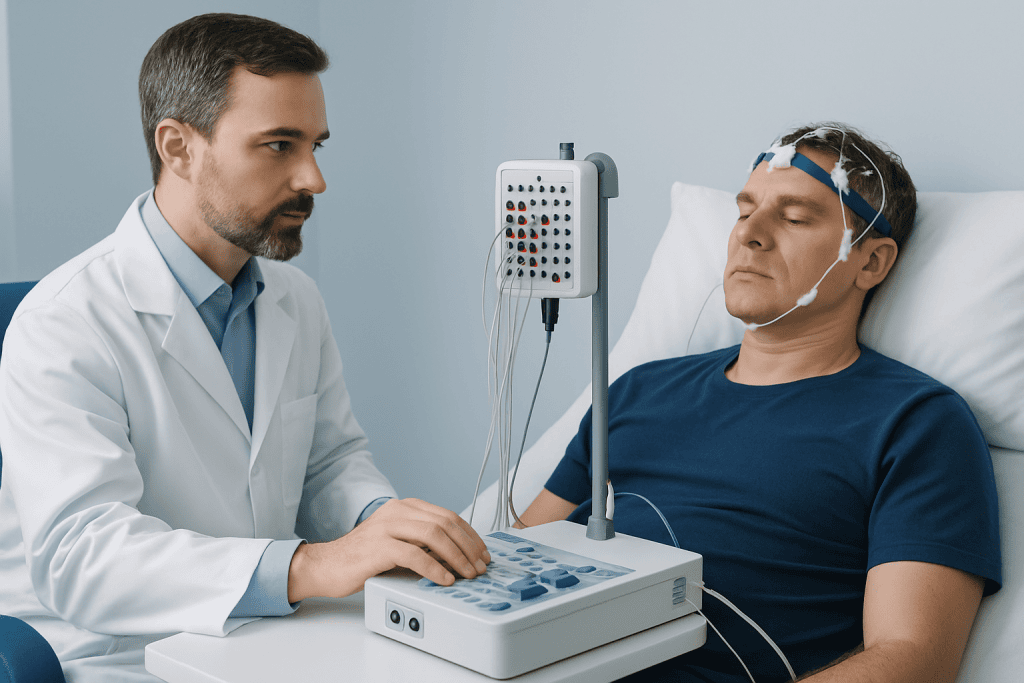
Sleep specialists in neurology assess a wide range of symptoms. Some point to breathing-related sleep disorders, while others suggest problems with sleep timing, movement, or the brain’s sleep-wake control systems. Even symptoms that seem unrelated, such as poor concentration, mood changes, or repeated falls asleep during the day, can be important clues.
Common reasons for referral include:
- Loud snoring, witnessed pauses in breathing, or gasping during sleep
- Excessive daytime sleepiness, fatigue, or unrefreshing sleep
- Difficulty falling asleep, staying asleep, or waking too early
- Restless or uncomfortable sensations in the legs at night
- Sleepwalking, talking in sleep, dream enactment, or other unusual nighttime behaviors
- Sudden sleep episodes, vivid dreams at sleep onset, sleep paralysis, or cataplexy-like symptoms
- Jerking, kicking, or repetitive limb movements during sleep
- Morning headaches, poor memory, irritability, or trouble focusing
Symptoms may overlap. For example, a person with insomnia may also have sleep apnea, and daytime sleepiness may be caused by several different problems. That is why the specialist usually asks detailed questions rather than relying on a single symptom.
How to Prepare Before the Visit

Preparation can make a neurological sleep medicine appointment more productive. It helps to write down the main concerns in advance, including when symptoms started, whether they are getting worse, and what seems to trigger or improve them. Noting the usual bedtime, wake time, naps, caffeine intake, alcohol use, and work schedule can also be useful.
People are often asked to bring a list of current medications, vitamins, supplements, and any sleep aids, because many substances can affect sleep quality or daytime alertness. Past medical records may also matter, especially if the person has had prior sleep studies, neurological evaluations, heart or lung conditions, depression or anxiety, or a shift-work history.
If possible, a bed partner or family member can provide valuable observations. They may notice snoring, breathing pauses, leg movements, or unusual behaviors that the person does not remember. Some clinics may ask patients to complete questionnaires or keep a sleep diary for one to two weeks before the visit.
Helpful items to bring may include:
- A symptom timeline
- A medication and supplement list
- Previous sleep study or medical test results
- A sleep diary, wearable sleep data, or notes about sleep patterns
- Questions about diagnosis, testing, treatment, work, driving, or safety
What Happens During the Appointment
The appointment usually begins with a detailed interview. The specialist asks about sleep schedule, nighttime symptoms, daytime functioning, past medical history, mental health, medications, family history, and lifestyle factors. Questions may also cover headaches, seizures, movement symptoms, memory changes, nasal congestion, weight changes, and cardiovascular risk factors because these can influence sleep.
A focused physical and neurological examination may follow. This can include checking blood pressure, weight, airway features, breathing pattern, muscle tone, reflexes, balance, and signs of nerve or movement disorders. The clinician may also examine the nose, throat, and jaw position if breathing-related sleep problems are suspected.
Standardized questionnaires are often used to measure daytime sleepiness, insomnia severity, or risk for sleep apnea. In some cases, the specialist may suspect a condition that overlaps with other neurological disorders, such as Parkinson’s disease or epilepsy, and tailor the evaluation accordingly.
By the end of the visit, the clinician often explains the most likely possibilities and the next steps. Some people leave with a treatment plan right away, while others need further testing before a diagnosis is confirmed.
Tests That May Be Recommended
Not everyone needs extensive testing. The specialist chooses tests based on symptoms, medical history, and examination findings. If the pattern strongly suggests obstructive sleep apnea, a home sleep apnea test may be considered for suitable patients. If symptoms are more complex, an in-lab overnight sleep study may be more appropriate.
A full overnight sleep study, also called polysomnography, records brain waves, breathing, oxygen levels, heart rhythm, eye movements, and leg activity during sleep. This can help diagnose conditions such as sleep apnea, periodic limb movements, REM sleep behavior disorder, and other sleep-related disturbances. Some patients may also need a daytime nap test after an overnight study if narcolepsy or severe hypersomnia is suspected.
Additional testing may include blood work to look for contributors such as iron deficiency, thyroid problems, or other medical issues. Sometimes actigraphy, a wearable monitor that tracks sleep-wake patterns over time, is used. When breathing problems are found, the specialist may discuss treatment pathways that could include sleep study (polysomnography) and, in selected cases, CPAP therapy.
The doctor explains what each test can and cannot show. This helps set realistic expectations: sleep testing is a tool to answer specific questions, not a one-size-fits-all solution.
Possible Diagnoses and Treatment Options
Treatment depends on the diagnosis. Some people have a single sleep disorder, while others have more than one issue contributing to poor sleep or daytime symptoms. Common diagnoses include insomnia, obstructive sleep apnea, restless legs syndrome, circadian rhythm sleep-wake disorders, narcolepsy, REM sleep behavior disorder, and sleep-related movement disorders.
Management may include education about sleep routines, changes to caffeine or alcohol use, management of underlying medical problems, and behavioral therapies. For chronic insomnia, a doctor may recommend structured approaches such as cognitive behavioral therapy for insomnia rather than relying only on medication. If breathing pauses are the main issue, treatment may involve weight management, positional strategies, oral appliances, or CPAP therapy to keep the airway open during sleep.
Medications may be used in some cases, but they are prescribed carefully because some can worsen breathing, cause daytime drowsiness, or interact with neurological conditions. If unusual sleep behaviors or movement symptoms are present, the specialist may also suggest home safety measures, medication review, or referral to other experts.
In more complex situations, care may involve a team approach. Neurologists, pulmonologists, ENT specialists, psychologists, and other clinicians may work together when sleep issues overlap with breathing, movement, or structural airway concerns.
Follow-Up, Self-Care, and When to Seek Medical Advice
Follow-up is an important part of care because sleep treatment often needs adjustment over time. The specialist may review test results, symptom changes, device use, side effects, and progress toward goals such as better alertness, safer driving, or improved concentration. People using devices for sleep apnea or other therapies may need fine-tuning for comfort and effectiveness.
Self-care steps can support treatment, even before a final diagnosis is made. These include keeping a regular sleep schedule, limiting caffeine late in the day, avoiding alcohol close to bedtime, creating a quiet sleeping environment, and discussing medication side effects with a doctor. People with significant daytime sleepiness should be cautious about driving, operating machinery, or doing tasks that require sustained alertness.
Medical advice should be sought promptly if there are witnessed breathing pauses, severe daytime sleepiness, sudden sleep episodes, violent dream enactment, or sleepiness that affects safety at work or on the road. A doctor should also be informed if symptoms are new, worsening, or associated with fainting, neurological symptoms, chest pain, or significant mood changes.
For patients seeking coordinated assessment, Acibadem International’s multidisciplinary specialists in JCI-accredited hospitals evaluate and treat neurological sleep disorders for international patients. This may be particularly helpful when sleep problems are linked to broader neurological conditions or require combined testing and specialist input.
Frequently asked questions
Do patients usually need a sleep study after the first appointment?
Not always. Some people can begin treatment based on symptoms and history, while others need testing to confirm the diagnosis. The specialist recommends a sleep study only when it is likely to answer an important clinical question.
How long does a neurological sleep medicine appointment usually take?
The first visit is often longer than a routine check-up because the doctor reviews sleep habits, medical history, medications, and daytime symptoms in detail. Follow-up visits are usually shorter and focus on test results, treatment response, and next steps.
What is the difference between a neurologist and a sleep specialist?
A general sleep specialist focuses on sleep disorders broadly, while a neurological sleep medicine specialist has added expertise in how the brain and nervous system affect sleep. This can be especially useful for narcolepsy, parasomnias, restless legs syndrome, movement-related sleep problems, and sleep issues linked to neurological disease.
Should a bed partner come to the appointment?
If possible, yes. A bed partner may notice snoring, breathing pauses, leg movements, or unusual behaviors that the patient does not remember. Their observations can help the doctor build a more accurate picture of what happens during sleep.
Can insomnia and sleep apnea happen together?
Yes, they can occur at the same time. A person may have trouble falling or staying asleep and also have breathing interruptions during sleep. When both are present, treatment usually works best when each problem is addressed directly.
What if a person feels very sleepy during the day but sleeps enough hours at night?
Excessive daytime sleepiness can still signal a sleep disorder even if total sleep time seems adequate. Causes may include sleep apnea, narcolepsy, poor sleep quality, medication effects, or other medical conditions. A specialist can help determine the reason.
References
- American Academy of Sleep Medicine
- National Institute of Neurological Disorders and Stroke
- National Heart, Lung, and Blood Institute
- Centers for Disease Control and Prevention
- Mayo Clinic
This article is for general information only and is not a substitute for professional medical advice. Please consult a qualified doctor about your individual situation.
Neurological Sleep Medicine in Turkey — costs, top hospitals & a free quote
JCI-accredited · board-certified surgeons · reply within 24h
Add us as a Preferred Source to see more of our trusted health content across Google Search, AI Overviews and Discover.
Check your numbers in seconds
BMI, calories, due date, blood pressure and 30+ more clinical calculators — free, instant, doctor-reviewed ranges.

More from the Health Library



Related Specialists

Dr. Aydın Halefoğlu
Anesthesiology
Assoc. Prof. Dr. İsmail Ahmet Bilgin
General Surgery
Dr. Ayşegül Akkaya Erden
Acibadem Life Clinical Service
Prof. Dr. E. Levent Elemen
Pediatric Surgery