What to Expect During a Facial Rejuvenation Treatment

Facial rejuvenation treatment can include non-surgical options, surgery, or both. The best plan depends on skin quality, facial structure, age-related changes, and personal goals.
Key Takeaways
- Facial rejuvenation treatment can include non-surgical options, surgery, or both.
- The best plan depends on skin quality, facial structure, age-related changes, and personal goals.
- A consultation usually covers medical history, examination, expected results, risks, and recovery time.
- Recovery varies widely, from little downtime after injectables to longer healing after surgery.
- Sun protection, skincare, and follow-up care help maintain results and support healing.
Facial rejuvenation treatment is a personalized approach to improving signs of aging, sun damage, and skin texture changes. It may involve non-surgical treatments, surgery, or a combination plan depending on a person’s goals, skin condition, and overall health.
Overview of Facial Rejuvenation Treatment
Facial rejuvenation treatment is a broad term for procedures that improve the appearance of the face by addressing common concerns such as fine lines, wrinkles, volume loss, uneven skin tone, sagging skin, enlarged pores, and changes caused by sun exposure. Some treatments focus mainly on the skin surface, while others improve deeper structures such as facial fat, connective tissue, or muscle support.
There is no single treatment that suits everyone. A younger person may seek prevention or subtle refinement, while someone with more visible aging changes may benefit from a combination of methods. A treatment plan may include skincare, injectable treatments, energy-based procedures, resurfacing techniques, or surgery. In some cases, people exploring facial refreshment may also compare options with procedures such as facelift surgery when skin laxity is more advanced.
The main aim is usually a natural-looking result that helps the face appear fresher, smoother, or better balanced rather than dramatically different. A qualified specialist will assess skin type, facial anatomy, medical history, and expectations before recommending the most appropriate approach.
Who May Consider It and What Concerns It Can Address
People consider facial rejuvenation treatment for many reasons. Common concerns include forehead lines, frown lines, crow’s feet, under-eye hollowness, loss of cheek volume, nasolabial folds, jawline softness, acne scarring, uneven pigmentation, dull skin, and rough texture. Some also wish to improve the effects of smoking, stress, or long-term sun exposure.
Both men and women may benefit, although treatment choices are tailored to differences in skin thickness, facial structure, and aesthetic goals. Some patients want a quick treatment with minimal downtime, while others are open to a longer recovery if the expected result is more significant or longer lasting.
Not every concern can be solved with one procedure. For example, fine lines may respond well to skin resurfacing or injectables, but marked tissue descent may require lifting procedures. Likewise, pigmentation and redness are often treated differently from volume loss or deep folds. A careful evaluation helps match the treatment type to the specific concern.
Types of Facial Rejuvenation Treatments

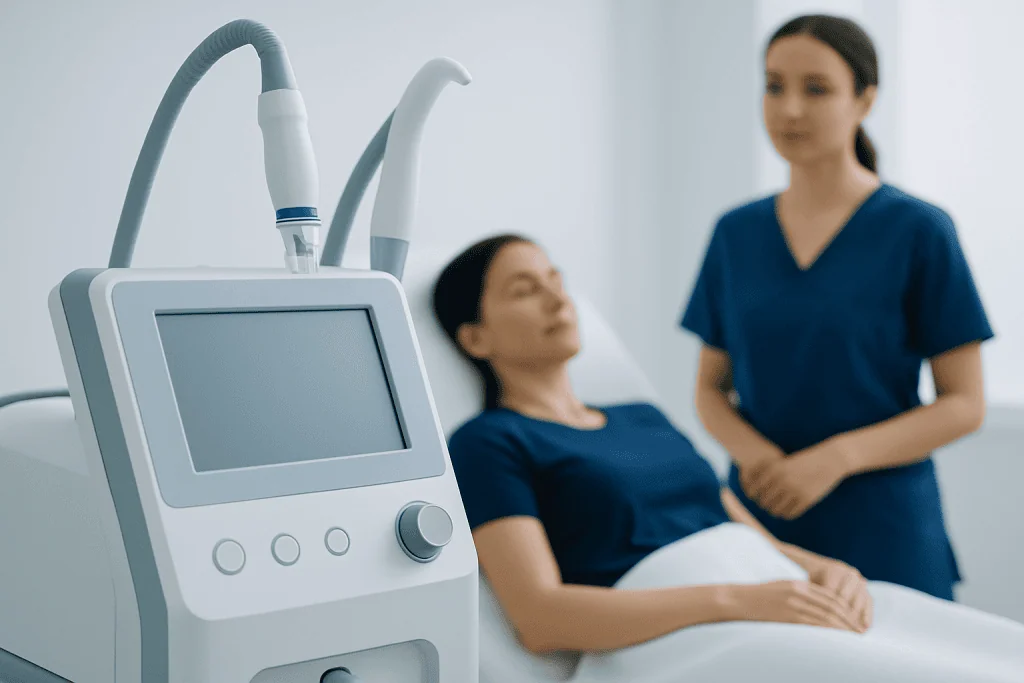
Facial rejuvenation treatment can be divided into non-surgical and surgical options. Non-surgical approaches often include anti-wrinkle injections, dermal fillers, chemical peels, microneedling, laser resurfacing, radiofrequency-based treatments, ultrasound-based skin tightening, and medical-grade skincare. These are often chosen for mild to moderate changes, preventive care, or people who prefer shorter recovery periods.
Surgical options may be more suitable when there is significant loose skin, deeper folds, or structural aging that cannot be adequately improved with surface treatments alone. Depending on the person’s needs, surgery may involve eyelid surgery for tired-looking eyes, a brow lift, neck contouring, or other facial procedures. Some patients with excess fullness under the chin may also ask about liposuction as part of facial contour improvement in selected cases.
Combination treatment is very common. For example, one person may benefit from skin resurfacing for texture, fillers for volume restoration, and a tightening procedure for laxity. A staged plan can often provide balanced improvement while allowing healing time and careful assessment of results between sessions.
The specialist will also discuss how long results are likely to last. Some treatments need maintenance every few months, while others may last for years. Longevity depends on the procedure, skin quality, lifestyle habits, and the natural aging process.
What Happens During the Consultation and Preparation
The consultation is one of the most important parts of facial rejuvenation treatment. The clinician usually asks about the person’s medical history, allergies, current medications, smoking habits, previous cosmetic procedures, and any tendency to scar poorly or develop pigmentation problems. Photographs may be taken to help with treatment planning and before-and-after comparison.
A physical examination focuses on skin texture, elasticity, facial symmetry, volume distribution, muscle activity, and the position of features such as the brows, eyelids, cheeks, jawline, and neck. The doctor will explain what each treatment can and cannot do, whether more than one procedure is needed, and what kind of result is realistic.
Preparation depends on the chosen procedure. Some people may be advised to avoid smoking, excessive sun exposure, or certain medications and supplements that can increase bruising, if their prescribing doctor agrees. For skin treatments, pre-treatment skincare may be recommended to help the skin tolerate the procedure better. If surgery is planned, preoperative tests and a more detailed consent process are often needed.
Clear communication is essential. Patients should feel comfortable discussing what bothers them, how much downtime they can accept, and whether they prefer subtle change or more noticeable correction. Good planning helps reduce disappointment and supports safer, more personalized care.
What to Expect During the Procedure
The treatment experience depends greatly on the technique being used. Non-surgical facial rejuvenation treatments are often performed in an outpatient setting. The skin may be cleansed and numbed with a topical anesthetic if needed. Injections usually take a short time, while laser or resurfacing treatments may take longer depending on the size of the area and the intensity of the procedure.
During injectable treatments, patients may feel brief pinching or pressure. During laser, peel, or energy-based procedures, sensations may include warmth, tingling, or mild stinging. Cooling devices or local numbing can improve comfort. After treatment, temporary redness, swelling, or sensitivity is common and usually expected.
Surgical facial rejuvenation is more involved and may be performed under local anesthesia with sedation or under general anesthesia, depending on the procedure. The surgical team explains the steps in advance, including incision placement, expected operating time, dressings, and how the person will be monitored after the procedure.
Many people are reassured to learn that treatment plans are individualized rather than fixed. A specialist may adjust the approach during the session based on skin response, anatomy, and safety considerations. The overall goal is a balanced result that respects natural facial proportions.
Recovery, Results, and Possible Risks
Recovery can range from minimal downtime to several weeks, depending on the procedure. After injectables, many people return to normal activities quickly, although mild swelling or bruising may last a few days. After resurfacing treatments, the skin may appear red, dry, flaky, or sensitive while healing. Surgical recovery is usually longer and may include swelling, bruising, temporary numbness, and activity restrictions.
Visible results also appear on different timelines. Some treatments provide fairly quick improvement, while others develop gradually over weeks to months as swelling settles or collagen remodeling occurs. Surgery may show an early change right away, but the final refined result often takes longer to appreciate fully.
All procedures carry some risks, even when performed carefully. Potential issues include bruising, swelling, infection, scarring, pigmentation changes, asymmetry, delayed healing, unsatisfactory cosmetic outcome, or reactions related to anesthesia in surgical cases. Certain skin types may be more prone to post-inflammatory pigmentation, especially after resurfacing procedures. Choosing an experienced clinician and following aftercare instructions carefully can help reduce these risks.
People with underlying skin conditions may need special planning. For example, if a person has ongoing inflammatory skin disease or conditions related to texture and redness, these may need to be evaluated before treatment. In some cases, a specialist may first address a related issue such as acne or another skin concern before moving forward with cosmetic rejuvenation.
Aftercare, Maintenance, and Long-Term Skin Health
Good aftercare supports healing and helps preserve results. Patients are usually advised to protect the treated area, avoid unnecessary touching, and follow instructions about cleansing, moisturizers, sun protection, and activity levels. After some procedures, makeup, exercise, saunas, or swimming may need to be avoided for a short period.
Sun protection is one of the most important long-term habits after facial rejuvenation treatment. Daily use of broad-spectrum sunscreen, along with hats and shade when possible, helps reduce new pigmentation, supports healing, and slows future photoaging. A simple, consistent skincare routine can also help maintain a smoother and more even complexion.
Maintenance treatment is often part of the process. Injectables may need repeat sessions, and some resurfacing or tightening procedures are performed in a series. Even after surgery, the face continues to age naturally, so supportive skincare and healthy lifestyle habits remain important.
Healthy living can make a visible difference. Not smoking, getting enough sleep, managing stress, staying hydrated, and eating a balanced diet all support skin quality. Near the end of the treatment journey, some patients may choose follow-up assessments at centers such as Acibadem International, where multidisciplinary specialists in JCI-accredited hospitals evaluate and treat international patients with personalized care plans.
When to Seek Medical Advice
Anyone considering facial rejuvenation treatment should seek advice from a qualified doctor or appropriately trained specialist rather than relying only on social media trends or general beauty advice. A professional assessment is especially important for people with chronic medical conditions, a history of poor wound healing, autoimmune disease, active skin infection, or previous complications from cosmetic procedures.
After treatment, prompt medical review is sensible if there is severe pain, rapidly increasing swelling, spreading redness, fever, unusual discharge, skin color changes, vision symptoms, or any other unexpected reaction. Most side effects are mild and temporary, but early evaluation is the safest approach when symptoms seem unusual.
It is also a good idea to return for follow-up if the result does not match expectations or if further refinement may help. Cosmetic treatment is often a process, not a one-time event, and thoughtful follow-up allows the clinician to adjust the plan safely and appropriately.
Frequently asked questions
How long does a facial rejuvenation treatment take?
The treatment time depends on the method used. Simple injectable treatments may take less than an hour, while laser sessions can take longer and surgery may require several hours. The consultation usually provides a more accurate estimate based on the individual plan.
Is facial rejuvenation treatment painful?
Most people describe non-surgical treatments as mildly uncomfortable rather than painful. Numbing cream, cooling, local anesthesia, or sedation may be used depending on the procedure. Surgical treatments involve stronger anesthesia and more recovery afterward.
How soon will results be visible?
Some treatments show results quickly, especially those that address volume loss or dynamic lines. Others, such as collagen-stimulating or resurfacing procedures, improve gradually over several weeks or months. Surgical results are often visible early but continue to refine as swelling decreases.
How long do facial rejuvenation results last?
Results may last from a few months to several years, depending on the treatment type and the person’s skin and lifestyle. Maintenance sessions are common for non-surgical options. Sun exposure, smoking, skincare, and natural aging all affect longevity.
Who is a good candidate for facial rejuvenation treatment?
A good candidate is someone with a clear understanding of their concerns, realistic expectations, and enough overall health for the planned procedure. The best option varies by skin quality, degree of aging change, and tolerance for downtime. A consultation is the safest way to determine suitability.
Can facial rejuvenation look natural?
Yes, when treatment is carefully planned and appropriately performed, results can look natural and balanced. The goal is usually to refresh the face rather than change identity or expression. Open discussion about preferences helps the specialist tailor the outcome.
References
- American Society of Plastic Surgeons
- American Academy of Dermatology
- National Health Service
- British Association of Aesthetic Plastic Surgeons
- Mayo Clinic
This article is for general information only and is not a substitute for professional medical advice. Please consult a qualified doctor about your individual situation.
Facial Rejuvenation in Turkey — costs, top hospitals & a free quote
JCI-accredited · board-certified surgeons · reply within 24h
Add us as a Preferred Source to see more of our trusted health content across Google Search, AI Overviews and Discover.

More from the Health Library


Related Specialists

Assoc. Prof. Dr. Özge Begüm Comba
Ophthalmology
Dt. Sevda Yetkin
Oral & Dental Health
Assoc. Prof. Dr. Hepsen Mine Serin
Pediatrics
Dr. Ersin Adem Hadzhiyusein
Inpatient Clinic Physicians Clinical Service