What’s the Circulatory System: An Evidence-Based Guide for Patients
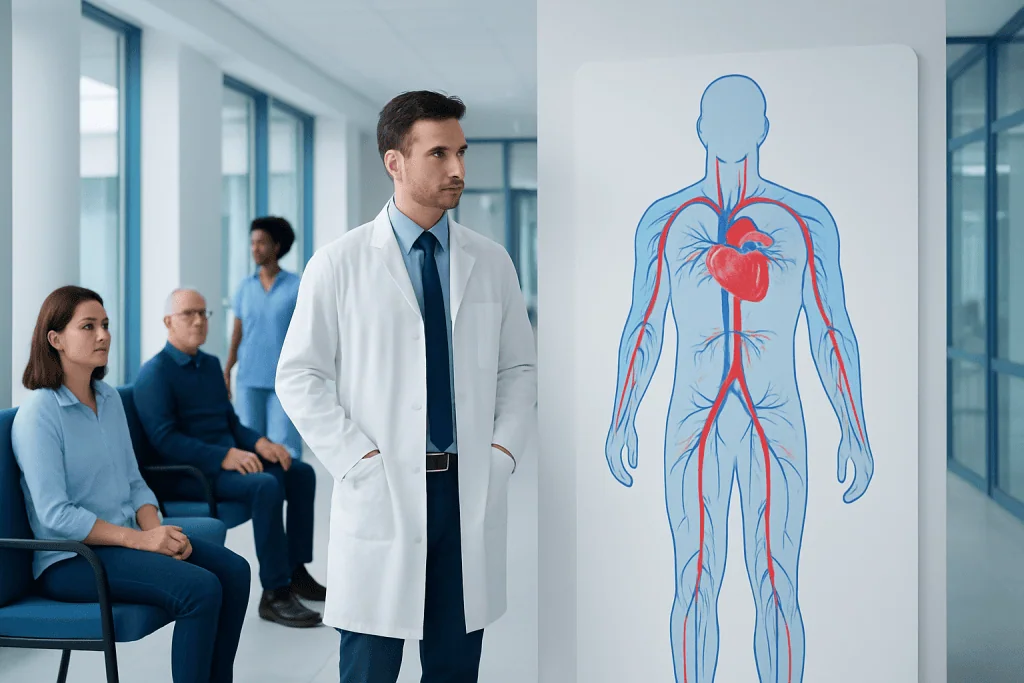
The circulatory system includes the heart, blood, blood vessels, and the lymphatic system, which supports fluid balance and immune function. Blood travels in two connected loops: pulmonary circulation through the lungs and systemic circulation through the rest of the body.
Key Takeaways
- The circulatory system includes the heart, blood, blood vessels, and the lymphatic system, which supports fluid balance and immune function.
- Blood travels in two connected loops: pulmonary circulation through the lungs and systemic circulation through the rest of the body.
- Healthy circulation depends on the heart’s pumping ability, open and flexible blood vessels, and blood that can carry oxygen effectively.
- Smoking, high blood pressure, diabetes, high cholesterol, inactivity, and some inherited conditions can affect circulatory health.
- Sudden chest pressure, severe shortness of breath, fainting, or signs of stroke require urgent medical attention.
The circulatory system is the body’s transport network. Powered by the heart, it moves blood through vessels to supply tissues with oxygen and nutrients, carry hormones and immune cells, and remove carbon dioxide and other wastes.
What Is the Circulatory System?
What’s the circulatory system? It is the body system that circulates blood, delivering oxygen and nutrients to cells while carrying carbon dioxide and other waste products away. The heart acts as its central pump, while blood vessels form a vast network of pathways reaching nearly every part of the body.
This system is also called the cardiovascular system. Its main components are the heart, blood, and blood vessels: arteries, veins, and capillaries. The lymphatic system works closely alongside it by returning extra fluid from tissues to the bloodstream and helping support immune defenses.
Circulation happens continuously and automatically. Every heartbeat sends blood forward, but the system is more than a pump and pipes: blood also carries hormones, immune cells, heat, clotting factors, and proteins needed for normal body function. When circulation is working well, organs receive the steady supply they need to function.
The Main Parts and What They Do
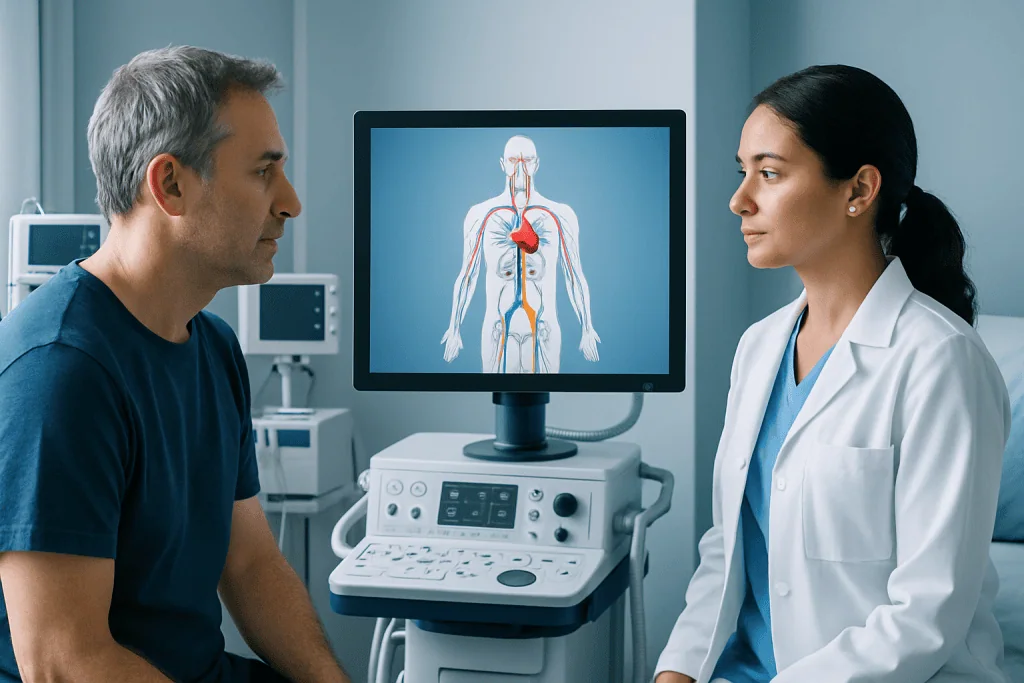
The heart is a muscular organ about the size of a closed fist. It has four chambers that receive and pump blood in an organized sequence. The right side sends blood to the lungs, while the left side sends oxygen-rich blood to the body. Heart valves act like one-way doors, helping keep blood moving in the correct direction.
Blood vessels have distinct roles. Arteries carry blood away from the heart under relatively higher pressure. Veins return blood toward the heart and contain valves in many areas, particularly the legs, to help prevent backward flow. Capillaries are microscopic vessels where oxygen, nutrients, carbon dioxide, and waste products are exchanged between blood and surrounding cells.
Blood itself contains several important components:
- Red blood cells carry oxygen from the lungs using a protein called hemoglobin.
- White blood cells help the body respond to infections and other immune challenges.
- Platelets support clotting after an injury.
- Plasma is the fluid portion that transports proteins, nutrients, hormones, and waste materials.
The lymphatic system includes lymph vessels, lymph nodes, and organs such as the spleen. It collects excess tissue fluid, filters it through lymph nodes, and returns it to the bloodstream. Although it is separate from the blood vessel network, it is an important partner in maintaining fluid balance.
How Blood Moves Through the Body

Blood circulation follows two linked pathways. In pulmonary circulation, blood that is low in oxygen travels from the right side of the heart to the lungs. In the lungs, it releases carbon dioxide and takes up fresh oxygen from the air that has been breathed in. The oxygen-rich blood then returns to the left side of the heart.
In systemic circulation, the left side of the heart pumps oxygen-rich blood through the aorta, the body’s largest artery. From there, blood travels through progressively smaller arteries and capillaries to organs, muscles, skin, and other tissues. After delivering oxygen and nutrients, blood returns through veins to the right side of the heart, beginning the cycle again.
Blood pressure is the force of blood pushing against artery walls. It naturally changes during each heartbeat, activity, rest, and emotional stress. Persistently high blood pressure can gradually damage blood vessels and place extra strain on the heart, often without causing noticeable symptoms.
Circulation also helps regulate body temperature. During heat exposure, blood flow to the skin can increase to release heat. In cold conditions, blood vessels near the skin may narrow to reduce heat loss and help protect the body’s core temperature.
Why Healthy Circulation Matters
Every organ depends on an adequate blood supply. The brain needs continuous oxygen delivery for thinking, movement, speech, and consciousness. The kidneys filter the blood and help control fluid balance and blood pressure. Muscles need increased blood flow during physical activity, and the digestive system receives circulation to absorb nutrients after meals.
Problems can occur when a vessel becomes narrowed, blocked, weakened, inflamed, or damaged, or when the heart cannot pump effectively. Reduced blood flow to the heart muscle may cause chest discomfort. Reduced flow to the brain can lead to stroke symptoms. In the legs, poor arterial circulation may cause pain when walking, while vein problems can contribute to swelling or varicose veins.
Atherosclerosis is a process in which fatty deposits, cholesterol, and inflammatory material build up in artery walls. Over time, this may narrow arteries or make them more likely to form a clot. It is associated with conditions such as coronary artery disease, peripheral artery disease, and some types of stroke.
Not all circulation concerns are caused by blocked arteries. Conditions affecting heart rhythm, heart valves, blood clotting, blood cells, veins, and the lungs can also influence how effectively blood moves through the body. A clinician can help identify the likely cause of symptoms and recommend appropriate testing.
Factors That Can Affect the Circulatory System
Some cardiovascular risk factors cannot be changed, including age, family history, and certain inherited conditions. However, many important factors can be identified and managed. Regular medical care is useful because conditions such as high blood pressure, high cholesterol, and diabetes may develop gradually without clear symptoms.
Factors that may affect circulation include smoking or tobacco exposure, limited physical activity, an eating pattern high in salt or saturated fats, excess body weight, poor sleep, heavy alcohol use, and long-term stress. Diabetes can affect both large and small blood vessels. Chronic kidney disease and inflammatory conditions may also increase cardiovascular risk.
Pregnancy, long periods of immobility, recent surgery, certain medications, and inherited clotting disorders can raise the likelihood of blood clots in some people. A clot in a deep leg vein may cause swelling, pain, warmth, or redness in one leg. A clot that travels to the lungs can be serious and needs urgent assessment.
Having one risk factor does not mean a person will develop heart or vascular disease. Risk is shaped by the overall pattern of health, family history, and lifestyle. A healthcare professional can provide individualized advice based on a person’s symptoms, examination, and test results.
How Circulatory Conditions Are Evaluated and Treated
Assessment usually begins with a medical history and physical examination. A clinician may ask about chest pain, breathlessness, exercise tolerance, palpitations, leg swelling, dizziness, smoking, medicines, and family history. They may check blood pressure, heart rate, oxygen level, pulses, heart sounds, and signs of swelling or skin changes.
Tests are selected according to the concern. Common options include blood tests for cholesterol, blood sugar, anemia, kidney function, or clotting; an electrocardiogram to assess heart rhythm; an echocardiogram to view heart structure and pumping; and imaging of blood vessels when a blockage or clot is suspected. Some people may need exercise testing, ambulatory heart monitoring, or more specialized imaging.
Treatment depends on the underlying condition. It may include lifestyle changes, medicines to manage blood pressure or cholesterol, medicines that reduce clotting risk when appropriate, treatment for diabetes, or procedures to improve blood flow or repair heart structures. The safest plan is individualized, because medicines that are helpful for one circulation problem may not be suitable for another.
Acibadem International’s multidisciplinary specialists and JCI-accredited hospitals evaluate and treat heart and vascular conditions for international patients. People considering evaluation should bring previous test results and a current list of medicines, supplements, and allergies whenever possible.
Supporting Circulatory Health and When to Seek Medical Care
Small, sustainable habits can support heart and blood vessel health. These include avoiding tobacco, being physically active in a way that is appropriate for the individual, choosing a varied diet centered on vegetables, fruits, whole grains, legumes, and healthy protein sources, and limiting highly processed foods and excess salt. Maintaining regular sleep and attending routine health checks can also be helpful.
People should follow their clinician’s advice for managing blood pressure, cholesterol, diabetes, or other long-term conditions. Prescribed medicines should not be stopped or changed without medical guidance. For people who sit for long periods, regular movement breaks and hydration may be sensible, particularly during travel, unless a clinician has advised fluid restriction.
When to seek medical care: Arrange a medical assessment for new or persistent chest discomfort, breathlessness with usual activities, frequent palpitations, fainting, ongoing leg swelling, leg pain when walking, or a marked change in exercise ability. Prompt evaluation is also appropriate for one-sided leg swelling, redness, warmth, or pain, especially after surgery, prolonged travel, or immobility.
Seek emergency care immediately for chest pressure or pain that is severe, persistent, or accompanied by sweating, nausea, breathlessness, or pain spreading to the arm, jaw, back, or shoulder. Emergency assessment is also needed for sudden facial drooping, arm weakness, speech difficulty, sudden severe shortness of breath, coughing blood, collapse, or sudden loss of consciousness.
Frequently asked questions
Is the circulatory system the same as the cardiovascular system?
These terms are often used interchangeably. The cardiovascular system specifically refers to the heart and blood vessels, while a broader description of circulation may also discuss blood and the closely related lymphatic system.
What are the two main loops of circulation?
Pulmonary circulation moves blood between the heart and lungs, where blood gains oxygen and releases carbon dioxide. Systemic circulation moves oxygen-rich blood from the heart to the rest of the body and returns oxygen-poor blood to the heart.
How does blood flow in the right direction?
The heart’s chambers contract in a coordinated pattern, creating pressure that moves blood forward. Heart valves open and close with pressure changes, helping prevent blood from flowing backward.
Can poor circulation cause cold hands and feet?
Cold hands and feet can occur when blood vessels narrow in response to cold temperatures or stress, and this is often temporary. However, persistent symptoms, pain, color changes, numbness, sores, or symptoms affecting one limb should be discussed with a clinician.
Can a person have high blood pressure without symptoms?
Yes. High blood pressure commonly causes no symptoms, which is why regular measurement is important. Over time, uncontrolled blood pressure can increase the risk of heart, brain, kidney, and blood vessel problems.
What is the best exercise for circulation?
Regular activity that a person can do safely and consistently is generally most helpful. Walking, cycling, swimming, and other aerobic activities can support cardiovascular fitness, while strength and flexibility activities offer additional benefits. People with symptoms or diagnosed heart or vascular disease should ask a clinician what level of activity is appropriate.
References
- American Heart Association
- National Heart, Lung, and Blood Institute
- Centers for Disease Control and Prevention
- World Health Organization
- MedlinePlus, U.S. National Library of Medicine
This article is for general information only and is not a substitute for professional medical advice. Please consult a qualified doctor about your individual situation.
Heart care in Turkey — expert evaluation and treatment
JCI-accredited · board-certified surgeons · reply within 24h
Add us as a Preferred Source to see more of our trusted health content across Google Search, AI Overviews and Discover.
Check your numbers in seconds
BMI, calories, due date, blood pressure and 30+ more clinical calculators — free, instant, doctor-reviewed ranges.