Wheezing Cough Explained: Common Triggers and Red Flags
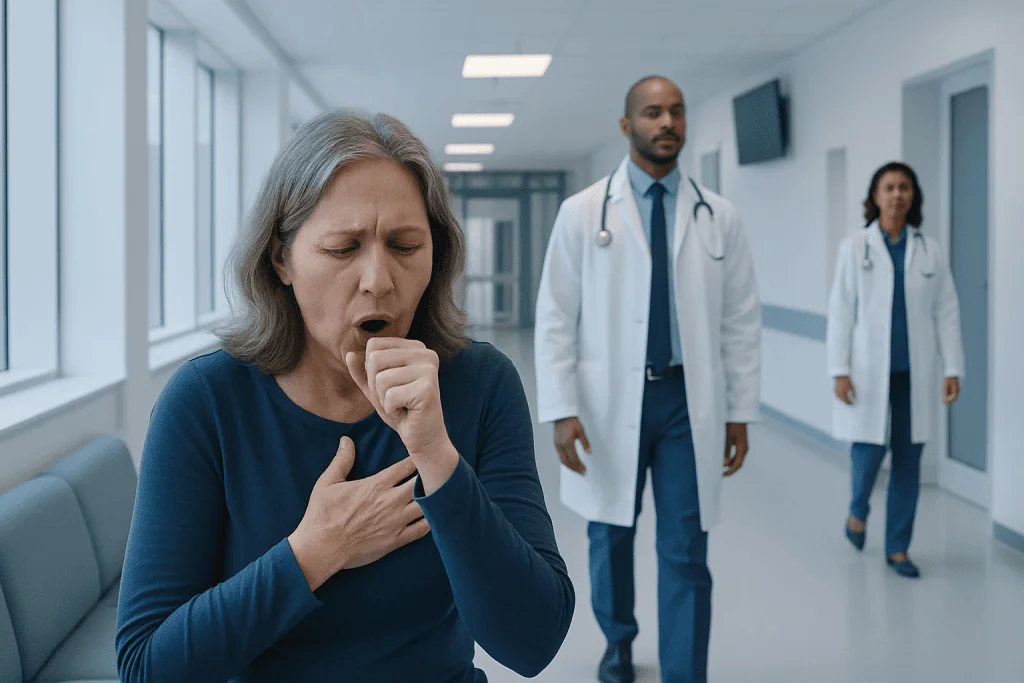
A wheezing cough is a symptom, not a diagnosis, and it can have several possible causes. Asthma, infections, allergies, and irritants are among the most common triggers.
Key Takeaways
- A wheezing cough is a symptom, not a diagnosis, and it can have several possible causes.
- Asthma, infections, allergies, and irritants are among the most common triggers.
- Shortness of breath, chest tightness, bluish lips, or worsening symptoms are red flags.
- Diagnosis may involve a physical exam, breathing tests, imaging, or allergy evaluation.
- Treatment depends on the cause and may include inhalers, treating infection, or avoiding triggers.
- Persistent or recurrent wheezing should be assessed by a qualified doctor.
A wheezing cough usually means air is moving through narrowed or irritated breathing tubes, creating a whistling sound along with coughing. Common causes include asthma, respiratory infections, allergies, reflux, smoking exposure, and other lung conditions, while certain warning signs need prompt medical attention.
Overview: What a Wheezing Cough Usually Means
A wheezing cough is a cough that happens with a high-pitched whistling sound, most often during breathing out. In many cases, it means the airways are narrowed, swollen, or irritated. This can happen during asthma, a viral chest infection, exposure to allergens, or after breathing in smoke or other irritants.
Wheezing is a symptom rather than a disease on its own. Some people notice it only when they have a cold, while others have repeated episodes linked to an ongoing condition such as asthma. The pattern matters: a wheezing cough that is brief and mild may improve as the trigger settles, while recurring or worsening wheezing deserves medical evaluation.
Children and adults can both develop wheezing, but the common causes may differ by age and medical history. In children, viral infections and allergies are frequent reasons. In adults, asthma, chronic airway irritation, infections, and sometimes reflux or heart-related problems may play a role.
How It Feels and Other Symptoms That May Happen With It
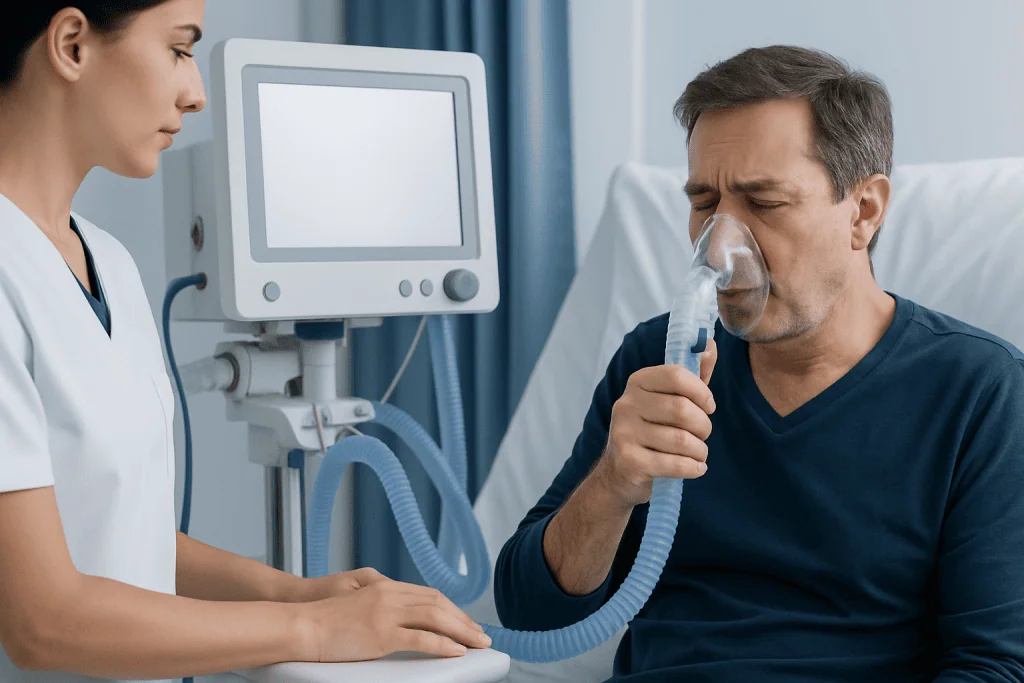
People often describe wheezing as a squeaking, whistling, or musical sound when breathing. When it occurs with a cough, the cough may be dry or may bring up mucus. Some notice the sound mainly at night, after exercise, during laughter, or after exposure to cold air, dust, perfume, or smoke.
Other symptoms can help point toward the cause. Chest tightness and shortness of breath are common with asthma and other airway conditions. A sore throat, fever, runny nose, or body aches may suggest a viral infection. Heartburn, a sour taste, or coughing after meals may suggest reflux as a contributing factor.
Symptoms that need special attention include trouble speaking in full sentences, breathing that feels fast or labored, skin pulling in around the ribs or neck during breaths, or unusual sleepiness in a child. These signs do not always mean a severe condition, but they should not be ignored.
- Whistling sound when breathing, especially breathing out
- Cough that may be dry or mucus-producing
- Chest tightness or breathlessness
- Symptoms triggered by exercise, allergens, cold air, or infections
Common Triggers and Causes

One of the most common causes of a wheezing cough is asthma. In asthma, the airways become inflamed and overly sensitive, narrowing in response to triggers such as pollen, pet dander, cold air, viral illnesses, or exercise. Not everyone with asthma wheezes all the time; some people mainly have coughing, especially at night or early in the morning.
Respiratory infections are another frequent cause. Viral infections such as colds, influenza, or bronchitis can inflame the airways and lead to temporary wheezing. Pneumonia may also cause cough and breathing changes, usually with additional symptoms such as fever, fatigue, or chest discomfort. In some people, wheezing after an infection can linger for a period even after the main illness improves.
Allergies and environmental irritants can also narrow the airways. Common triggers include tobacco smoke, air pollution, mold, dust mites, fragrances, cleaning chemicals, and occupational exposures. Reflux disease may irritate the throat and lower airways enough to trigger coughing and wheezing, especially when lying down. In adults with long-term smoking exposure, chronic obstructive lung disease may be considered; readers looking for background on COPD may find that helpful.
Less common causes include inhaling a foreign object, especially in young children, certain medication reactions, or structural airway problems. Rarely, wheezing can be related to heart failure or swelling in the upper airway. Because the causes vary, persistent or sudden unexplained wheezing is best assessed by a clinician.
Who Is More Likely to Develop a Wheezing Cough?
Some people are more prone to wheezing because their airways are naturally more reactive or because they are exposed to common triggers. A personal or family history of asthma, eczema, hay fever, or other allergies increases the chance that wheezing is related to airway sensitivity. Children who attend daycare or school may have more viral exposures, which can trigger temporary wheezing episodes.
Smoking and secondhand smoke are major risk factors. They irritate the airways, worsen inflammation, and make both infections and chronic lung problems more likely. Air pollution, workplace dusts, fumes, and chemical exposure can have a similar effect over time.
Obesity, reflux, and chronic sinus or nasal problems may also contribute by increasing airway irritation or nighttime coughing. People with previous lung disease, weak immune systems, or heart disease should take a new wheezing cough seriously, since the symptom may be linked to more than one condition at once.
How Doctors Diagnose the Cause
Diagnosis starts with a careful history. A doctor will usually ask when the wheezing began, whether it is new or recurrent, what seems to trigger it, and whether there are symptoms such as fever, chest pain, mucus production, heartburn, or allergy symptoms. The timing can be very helpful; for example, symptoms worse at night or with exercise may suggest asthma, while a sudden episode after eating or playing may raise concern about a foreign object in the airway.
A physical examination includes listening to the lungs, checking oxygen levels, and looking for signs of respiratory distress. Depending on the situation, the next steps may include lung function tests, a chest X-ray, allergy testing, or blood work. Breathing tests help show whether the airways are narrowed and whether they improve with medication, which can support an asthma diagnosis.
If symptoms are ongoing, specialists may recommend more detailed evaluation, such as pulmonary function testing or imaging studies. When an infection, pneumonia, or another chest condition is suspected, chest X-ray may be used to help clarify the cause. The goal is not simply to stop the wheeze, but to understand why it is happening.
Treatment Options: Relief Depends on the Cause
Treatment for a wheezing cough depends on the underlying problem. If asthma or airway spasm is involved, doctors may prescribe inhaled medicines to open the airways and reduce inflammation. For people with known asthma, reviewing inhaler technique and trigger control is often just as important as the medicine itself. Some patients may need assessment in an allergy clinic if allergies appear to be a major trigger.
When a viral infection is the cause, treatment is often supportive: rest, hydration, and symptom management while the airways recover. Bacterial infections may require a different approach if a doctor confirms them. If reflux is contributing, meals, body position, and reflux treatment may be discussed alongside respiratory care.
Avoiding irritants can make a meaningful difference. Stopping smoking, reducing secondhand smoke exposure, using fragrance-free products, and improving indoor air quality may all help reduce flare-ups. In people with repeated symptoms, a doctor may create a longer-term plan to prevent recurrence and monitor control.
Emergency treatment may be needed if breathing is significantly affected. Severe or rapidly worsening wheezing, especially with low oxygen levels or obvious distress, can require urgent medical support. Because treatment varies so much by cause, self-diagnosing persistent wheezing is not recommended.
Prevention and Self-Care at Home
Prevention focuses on reducing airway irritation and managing any known condition well. For people with asthma or allergies, following the treatment plan, taking medicines as prescribed, and avoiding known triggers can reduce episodes. It can also help to keep windows closed during high pollen days, wash bedding regularly, and limit dust buildup indoors.
Good general respiratory habits matter too. Staying up to date with routine vaccines recommended by a healthcare professional, washing hands often, and avoiding close contact with people who have respiratory infections can lower the chance of illnesses that trigger wheezing. Smoke-free environments are especially important for children and for anyone with sensitive airways.
If reflux contributes to nighttime cough or wheeze, simple steps such as avoiding large late meals and discussing symptoms with a doctor may help. People should also pay attention to patterns: keeping a brief record of symptoms, triggers, and response to medication can be useful during medical appointments.
For international patients who need respiratory assessment, Acibadem International’s multidisciplinary specialists and JCI-accredited hospitals diagnose and treat airway and lung conditions using a coordinated approach.
When to Seek Medical Care
Medical care is recommended if a wheezing cough is new, keeps returning, lasts longer than expected, or interferes with sleep, exercise, work, or school. It is also wise to seek evaluation if the cough comes with fever, coughing up blood, unexpected weight loss, chest pain, or increasing mucus. In infants, young children, older adults, and people with chronic lung or heart disease, earlier assessment is especially important.
Urgent care is needed if there is marked shortness of breath, bluish lips or face, confusion, faintness, severe chest tightness, or trouble speaking because of breathing difficulty. A sudden wheeze after choking, eating, or possible inhalation of a small object should also be treated as urgent. These symptoms can signal a more serious airway problem that needs prompt attention.
Even when symptoms seem mild, repeated wheezing should not be dismissed. A proper diagnosis can help prevent future flare-ups, improve sleep and activity tolerance, and identify conditions that benefit from early treatment.
Frequently asked questions
Is a wheezing cough always asthma?
No. Asthma is a common cause, but a wheezing cough can also happen with viral infections, allergies, smoke exposure, reflux, and other lung conditions. Because several problems can sound similar, repeated or unexplained wheezing should be assessed by a doctor.
Can a cold cause wheezing and coughing?
Yes. Colds and other viral infections can inflame the airways and temporarily cause wheezing along with cough and congestion. If symptoms are severe, prolonged, or come with shortness of breath, medical advice is important.
When is wheezing considered an emergency?
Wheezing needs urgent attention if it comes with severe breathing difficulty, bluish lips, confusion, faintness, or trouble speaking in full sentences. Sudden wheezing after choking or possible inhalation of an object also requires immediate care.
Why does wheezing get worse at night?
Nighttime wheezing can happen because airway inflammation, allergens in bedding, cooler air, or reflux become more noticeable when lying down. Asthma commonly causes symptoms that are worse at night or early in the morning.
What tests might be used for a wheezing cough?
Doctors may use a physical exam, oxygen measurement, lung function tests, and sometimes chest imaging or allergy evaluation. The exact tests depend on age, symptom pattern, and whether infection, asthma, or another condition is suspected.
Can wheezing go away on its own?
It can, especially if it is related to a short-lived viral infection or a temporary irritant exposure. However, if wheezing returns, lasts more than expected, or is associated with breathlessness, it should be evaluated rather than simply watched.
References
- American Lung Association
- National Heart, Lung, and Blood Institute
- Centers for Disease Control and Prevention
- American Academy of Allergy, Asthma & Immunology
- National Health Service
This article is for general information only and is not a substitute for professional medical advice. Please consult a qualified doctor about your individual situation.
Persistent digestive symptoms? Get evaluated in Turkey
JCI-accredited · board-certified surgeons · reply within 24h
Add us as a Preferred Source to see more of our trusted health content across Google Search, AI Overviews and Discover.

More from the Health Library



Related Specialists

Dr. Oya Uğurlubilek
Inpatient Clinic Physicians
Prof. Dr. Yaman Sarpel
Orthopedic Surgery & Traumatology
Embriyolog Feray Farsak
Vitro Fertilization and Reproductive Medicine Center
Dr. Barış Peker
Neurosurgery