When a Memory Clinic May Help More Than a General Neurology Visit

A memory clinic focuses specifically on changes in memory, thinking, behavior, and daily function. It may be more helpful than a general neurology visit when symptoms are complex, progressive, or affecting everyday life.
Key Takeaways
- A memory clinic focuses specifically on changes in memory, thinking, behavior, and daily function.
- It may be more helpful than a general neurology visit when symptoms are complex, progressive, or affecting everyday life.
- Assessment often includes history, cognitive testing, brain imaging, laboratory tests, and review of mood, sleep, and medications.
- Memory clinics can help identify treatable causes as well as conditions such as mild cognitive impairment and dementia.
- Family observations are often important because they help clarify when symptoms started and how they affect daily activities.
A memory clinic can be especially helpful when memory, language, attention, or behavior changes need a more detailed and team-based assessment. Compared with a general neurology visit, it often offers broader cognitive testing, input from multiple specialists, and practical guidance for patients and families.
Overview: What a Memory Clinic Does
A memory clinic is a specialized service for people with concerns about memory, thinking, language, problem-solving, or changes in behavior. While a general neurologist may evaluate many different nervous system conditions, a memory clinic is designed specifically to assess cognitive symptoms in a focused and structured way. This can be helpful for older adults, but it may also benefit younger adults with unexplained cognitive changes.
The goal is not simply to label a problem. A memory clinic aims to understand what is changing, why it may be happening, how severe it is, and what support may help next. Some people are found to have age-related forgetfulness, stress-related cognitive symptoms, medication effects, depression, sleep disorders, or other reversible contributors. Others may be diagnosed with mild cognitive impairment or a type of dementia, such as Alzheimer’s disease.
Memory clinics often use a multidisciplinary approach. Depending on the center, the team may include neurologists, geriatricians, psychiatrists, neuropsychologists, neuroradiologists, nurses, and social workers. This team-based model can give a fuller picture than a single brief consultation, especially when symptoms overlap with mood, sleep, movement, or medical problems.
When a Memory Clinic May Help More Than a General Neurology Visit
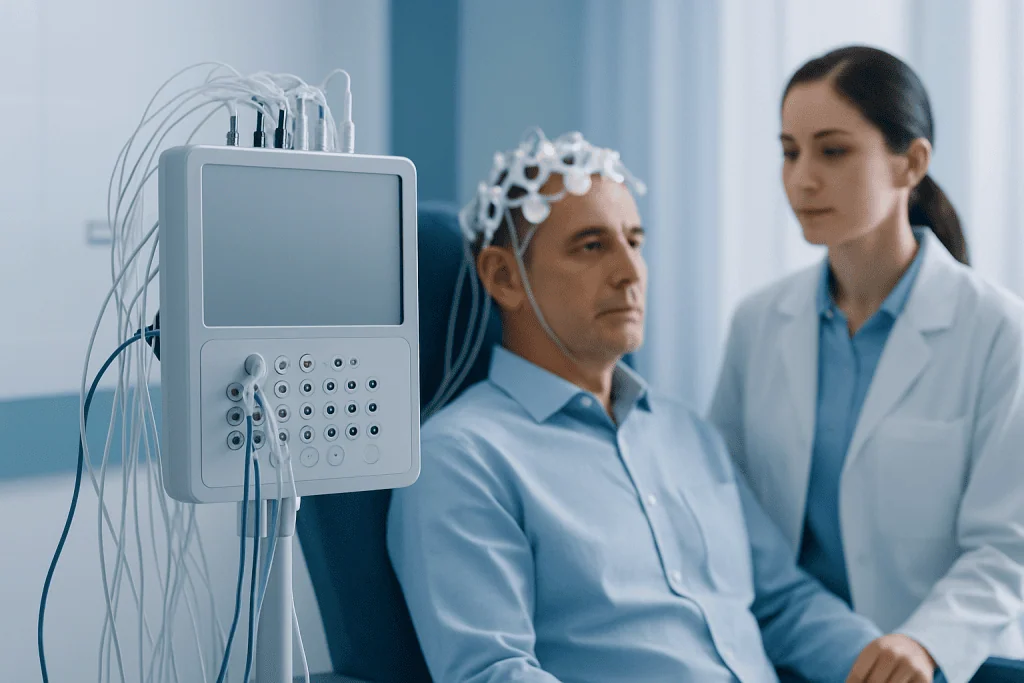
A general neurology visit is often the right starting point for many symptoms, especially if a person is also experiencing headaches, weakness, tremor, numbness, or other neurological concerns. However, a memory clinic may be more useful when the main concern is persistent forgetfulness or change in thinking that is becoming noticeable over time. It can also be the better choice when a previous evaluation has not clearly explained the symptoms.
Specialized memory services may be particularly valuable when daily activities are affected. Examples include trouble managing finances, missing medications, getting lost in familiar places, repeating questions often, struggling to follow conversations, or showing new poor judgment. Changes in personality, apathy, irritability, hallucinations, or sleep-related behaviors may also need a more detailed cognitive and behavioral assessment.
Another reason to consider a memory clinic is diagnostic complexity. Cognitive symptoms can result from more than one cause at the same time. A person may have vascular changes, depression, sleep apnea, medication side effects, and early neurodegenerative disease together. In these situations, a dedicated clinic can help sort out which factors are most likely contributing and which should be treated first.
- Symptoms have been gradually progressing over months or years
- There is concern about mild cognitive impairment or dementia
- Previous testing was inconclusive
- Family members notice changes that the patient does not
- Behavior, mood, or function has changed along with memory
Symptoms and Changes That Should Be Evaluated

Everyone forgets things sometimes, and occasional lapses do not always mean disease. A memory clinic becomes more relevant when symptoms are persistent, more frequent than before, or different from a person’s usual pattern. Memory concerns may involve forgetting recent conversations, misplacing items in unusual places, relying heavily on notes, or repeating stories without realizing it.
Not all important symptoms are about memory alone. Difficulty finding words, following instructions, planning tasks, concentrating, recognizing familiar routes, or making decisions can also suggest a cognitive disorder. Some people mainly show changes in behavior, such as withdrawal from hobbies, reduced initiative, suspiciousness, impulsivity, or reduced empathy.
It is also important to watch for changes in function. Needing more help with shopping, cooking, bills, transport, technology, or medications may be more meaningful than isolated forgetfulness. Family members often notice these changes earlier than the patient does, so their observations can be valuable during assessment.
Urgent medical attention is needed if confusion appears suddenly, especially with fever, weakness, speech difficulty, severe headache, seizure, or loss of consciousness. Sudden changes are not typical of slowly progressive memory disorders and may point to infection, stroke, medication toxicity, or another emergency.
Possible Causes and Risk Factors
Memory and thinking changes can have many causes. Some are reversible or partly treatable, which is one reason a proper evaluation matters. Examples include medication side effects, alcohol misuse, thyroid disorders, vitamin deficiencies, depression, anxiety, poor sleep, hearing or vision loss, and infections. Sleep apnea can reduce attention and memory, and untreated mood disorders can closely mimic cognitive decline.
Other causes involve structural or neurodegenerative brain disease. These include dementia, mild cognitive impairment, stroke-related cognitive impairment, Parkinson-related cognitive changes, and inflammatory or less common neurological disorders. Conditions may affect different abilities in different ways, so the symptom pattern often gives useful clues.
Risk factors for cognitive decline can include older age, family history, vascular disease, diabetes, high blood pressure, smoking, low physical activity, poor sleep, social isolation, and low sensory input from untreated hearing loss. Having a risk factor does not mean a person will develop dementia, but it does support timely monitoring and healthy lifestyle measures.
It is also worth noting that worry about memory is common, especially during stressful life periods. Some people who feel mentally slower have normal objective testing, while others with significant decline may minimize symptoms. A structured assessment helps move beyond guesswork and identifies whether there is true impairment, and if so, what type.
How Diagnosis Works in a Memory Clinic
Assessment usually starts with a detailed medical history. The clinician will ask when symptoms began, whether they are getting worse, and how they affect daily life. Review of past illnesses, medications, sleep, mood, hearing, alcohol use, education, and family history is important. If possible, a relative or close friend may be asked to share observations, because outside perspective can improve diagnostic accuracy.
The next step often includes cognitive screening and, when needed, more detailed neuropsychological testing. These tests look at memory, attention, language, visuospatial skills, executive function, and processing speed. They do not simply measure intelligence. Instead, they help show which abilities are preserved and which are weaker, helping distinguish normal aging from a medical disorder.
Laboratory tests may be used to look for treatable contributors such as thyroid problems, vitamin deficiencies, infection, or metabolic issues. Brain imaging, often MRI, may be recommended to evaluate strokes, shrinkage patterns, tumors, fluid buildup, or other structural causes. In selected situations, doctors may use advanced testing to clarify a specific diagnosis, but not every patient needs extensive biomarker testing.
Because mood and cognition are closely linked, assessment may also include screening for depression, anxiety, and sleep problems. Some people benefit from a broader workup involving neurological rehabilitation planning or referrals for hearing, sleep, psychiatry, or social support. The aim is a practical diagnosis that guides care, not testing for its own sake.
Treatment Options and Ongoing Support
Treatment depends on the cause of the symptoms. If the main problem is medication effect, poor sleep, depression, thyroid disease, or vitamin deficiency, addressing that issue may improve cognition. When symptoms are linked to vascular factors, careful control of blood pressure, diabetes, cholesterol, and smoking is often part of treatment. Lifestyle changes can also support brain health even when a degenerative disorder is present.
For conditions such as mild cognitive impairment or dementia, care often includes education, symptom monitoring, safety planning, and support for both the patient and family. Some people may be offered medicines that can help certain symptoms or slow decline in selected diagnoses, while others benefit more from structured routines, memory aids, exercise, hearing support, and cognitive strategies. The right plan is individualized rather than one-size-fits-all.
Supportive care is a major strength of a memory clinic. Families may receive guidance on communication, driving concerns, medication management, legal planning, and future care needs. If there are gait, balance, or functional issues, referral for physical therapy and rehabilitation may be useful. Emotional support matters too, since uncertainty and caregiver stress are common.
Near the end of the diagnostic process, some patients need referral to additional specialists based on findings, such as psychiatry, sleep medicine, or movement disorders. At centers such as Acibadem International, multidisciplinary specialists in JCI-accredited hospitals diagnose and treat memory-related conditions for international patients when coordinated care is needed.
How to Prepare for the Appointment
Preparation can make a memory clinic visit more useful and less stressful. It helps to bring a list of symptoms, when they started, and examples of how they affect home, work, or social life. A medication list should include prescription drugs, over-the-counter medicines, and supplements, because some can affect concentration or memory.
If possible, a family member or trusted friend should attend. They may remember details the patient has forgotten or notice patterns that seemed minor at first. Bringing previous scan reports, blood test results, and consultation notes can also prevent unnecessary repetition and help the team compare changes over time.
Patients should not worry about “failing” cognitive testing. The purpose is to understand strengths and weaknesses, not to judge the person. Getting enough rest before the visit, using hearing aids or glasses if needed, and asking for clarification during questions can all make the assessment more accurate.
When to See a Doctor
A person should see a doctor if memory or thinking changes are persistent, progressive, or affecting daily life. Early assessment is especially important if the symptoms are causing safety concerns, work difficulties, social withdrawal, medication errors, or missed appointments. A doctor can help decide whether a general neurology visit is enough or whether referral to a memory clinic would add value.
Urgent medical assessment is needed for sudden confusion, rapid decline over days to weeks, severe behavior change, new hallucinations, falls with head injury, or neurological symptoms such as weakness, facial droop, or speech trouble. These features may suggest an acute medical problem rather than a chronic memory disorder.
Even when symptoms turn out to be mild or not related to dementia, an evaluation can still be reassuring and useful. It can identify treatable causes, establish a baseline for future comparison, and give practical advice about brain health, independence, and family support. Seeking help early is often the most constructive step.
Frequently asked questions
What is the main difference between a memory clinic and a general neurology visit?
A general neurology visit covers many disorders of the brain, nerves, and muscles, while a memory clinic focuses specifically on problems with memory, thinking, behavior, and daily function. Memory clinics also often involve a multidisciplinary team and more detailed cognitive assessment.
Does being referred to a memory clinic mean a person has dementia?
No. Many people seen in a memory clinic do not have dementia. Some have normal age-related changes, medication effects, depression, sleep problems, or other treatable causes of cognitive symptoms.
Who should come to the memory clinic appointment?
It is often helpful for a close family member or trusted friend to attend. They can provide examples of changes over time and help describe how symptoms affect daily life, which may improve the accuracy of the assessment.
What tests are usually done in a memory clinic?
Testing may include a medical history, physical and neurological examination, brief cognitive screening, and sometimes more detailed neuropsychological testing. Blood tests and brain imaging may also be recommended to look for treatable causes or patterns that support a diagnosis.
Can memory problems be treated?
Some causes of memory problems are reversible or partly reversible, such as medication side effects, vitamin deficiencies, thyroid disorders, depression, or poor sleep. When a progressive condition is present, treatment may still help manage symptoms, improve safety, and support quality of life.
When should memory changes be treated as urgent?
Sudden confusion or a rapid decline over days to weeks should be assessed urgently. Immediate medical care is also important if memory changes happen with weakness, speech problems, severe headache, fever, seizure, or reduced consciousness.
References
- World Health Organization
- National Institute on Aging
- Alzheimer's Association
- American Academy of Neurology
- National Health Service
This article is for general information only and is not a substitute for professional medical advice. Please consult a qualified doctor about your individual situation.
Explore treatments in Turkey — costs, top hospitals & a free quote
JCI-accredited · board-certified surgeons · reply within 24h
Add us as a Preferred Source to see more of our trusted health content across Google Search, AI Overviews and Discover.