When Can You Wear a Hat After a Hair Transplant? A Week-by-Week Guide

Newly transplanted grafts are most vulnerable during the first several days after surgery. A loose, non-rubbing hat may be permitted earlier than tight caps, helmets, or beanies.
Key Takeaways
- Newly transplanted grafts are most vulnerable during the first several days after surgery.
- A loose, non-rubbing hat may be permitted earlier than tight caps, helmets, or beanies.
- The safest timing depends on the procedure, scalp healing, swelling, and the surgeon’s instructions.
- Pressure, friction, heat, and sweating can irritate the scalp and affect comfort during recovery.
- Medical advice should be sought if there is increasing redness, pain, discharge, or bleeding.
A hat after hair transplant is not usually recommended right away because newly placed grafts need time to anchor and heal. In most cases, loose headwear may be allowed after several days, while tighter hats are often delayed for 1 to 2 weeks or longer based on the surgeon’s advice and the person’s healing progress.
Overview: When Can a Hat Be Worn After a Hair Transplant?
A hat after hair transplant is usually not worn immediately because the scalp and transplanted grafts are delicate during the first days of healing. In many cases, a surgeon may allow a very loose hat after a few days, but tighter or rubbing headwear is often delayed for about 1 to 2 weeks or until the grafts are secure.
The exact timing varies from person to person. It depends on the transplant technique used, the number of grafts, where the grafts were placed, whether there is swelling or crusting, and how quickly the scalp is healing. For that reason, the most reliable rule is to follow the post-procedure plan given by the treating team.
Patients often ask this question because they want to return to work, commute, or protect the scalp from sun and cold. Those concerns are understandable, but the early healing window matters. Fresh grafts can be disturbed by pressure or friction before they are fully anchored, so even a simple cap should be approached with caution.
People considering or recovering from hair transplant treatment should think of hats as part of aftercare rather than just clothing. Choosing the right timing and the right type of head covering can help protect both comfort and healing.
Why the First Days Matter for Graft Healing
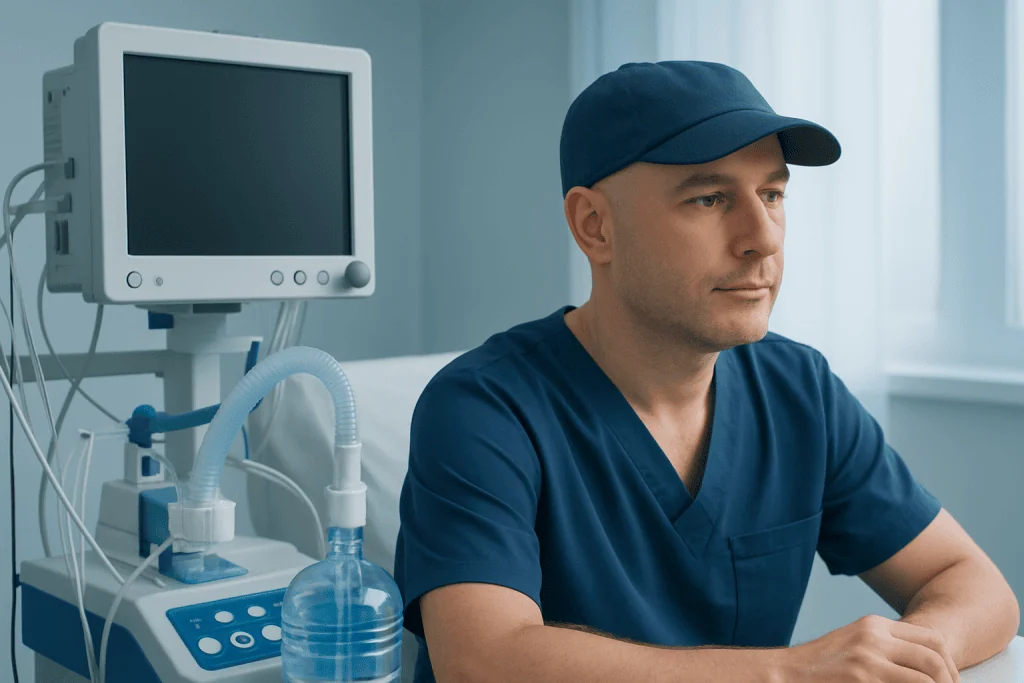
After a hair transplant, each graft sits in a tiny recipient site in the scalp. In the first few days, these grafts are still settling into place. During this period, rubbing, pressure, scratching, or pulling can irritate the area and in some cases dislodge a graft before it becomes more secure.
Scabbing, mild redness, tenderness, and swelling are common parts of the normal healing process. The scalp may also feel tight or sensitive, especially in the donor area. Even if a hat does not feel painful, repeated contact against healing skin can increase irritation.
Many specialists consider the first 7 to 10 days to be the most important time for protecting grafts. By then, the grafts are generally more stable, but the scalp may still be healing on the surface. This is why the question is not only whether a hat can be worn, but also what kind of hat, for how long, and under what conditions.
Patients recovering according to a hair transplant recovery timeline often notice that visible healing improves faster than the scalp feels internally. It is wise not to judge readiness only by appearance. If there is uncertainty, contacting the treating surgeon is safer than guessing.
A Week-by-Week Guide to Wearing a Hat

First 48 to 72 hours: In most cases, hats are avoided unless the surgeon has specifically provided or approved a protective covering. This is the period when grafts are especially delicate. Anything that presses on the transplanted area may increase the risk of irritation or accidental trauma.
Days 3 to 7: Some patients may be told they can wear a very loose, soft, clean hat for short periods if it does not touch or rub the grafted area. Others may still be advised to avoid all hats. A loose hood or sun umbrella may sometimes be a better option than a cap if outdoor protection is needed.
Week 2: By around 7 to 14 days, many people can start wearing loose hats more comfortably, especially if crusts have come off and tenderness has improved. Even then, tight baseball caps, wool beanies, helmets, or anything that traps heat and sweat may still be discouraged. Gentle placement and removal remain important.
After 2 weeks and beyond: Many patients can gradually return to more normal headwear, but this depends on healing and the surgeon’s advice. Helmets for sports or motorcycles may need more caution because they create pressure and friction. People comparing their progress with hair graft planning and recovery expectations should remember that larger sessions may lead to a longer period of scalp sensitivity.
Which Hats Are Safer, and Which Should Be Avoided?
The safest choice, when headwear is allowed, is usually a loose, lightweight, breathable hat that does not cling tightly to the scalp. Soft fabrics with a smooth inner surface are often more comfortable than rough or structured materials. Cleanliness also matters because a healing scalp should not be exposed to dirt, old sweat, or skin products trapped in fabric.
Hats that are more likely to cause problems include tight caps, compressive beanies, helmets, hard hats, and any style that presses directly on the recipient area. Heavy or poorly ventilated hats may increase warmth and sweating, which can worsen itching and discomfort. If the hat leaves marks on the scalp, it is probably too tight for early recovery.
Patients should also consider how the hat is put on and taken off. A loose item that slides over the forehead and avoids dragging across the grafted area is preferable to one that catches on healing skin. If a person has to force a hat into place, it is not a good option yet.
Sun protection is one of the main reasons people want to wear a hat after surgery. That concern is valid, because direct sun can irritate a healing scalp. If a hat is not yet recommended, the care team may suggest alternatives until it is safe to use one consistently.
Other Practical Questions During Hair Transplant Recovery
Wearing a hat is only one part of the recovery period. Patients often ask when they can wash their hair normally, exercise, travel, sleep on their side, or return to work. These details matter because they can affect swelling, friction, sweating, and overall scalp comfort during the early healing phase.
It is also common to worry about the appearance of the scalp while healing. Redness, scabs, and temporary shedding of transplanted hairs can happen before new growth begins. This shedding phase is usually expected and does not mean the transplant has failed.
People sometimes look for quick visual markers, such as how dense the transplant appears or what stage of hair loss they had before surgery. Broader planning topics, including the Norwood scale for male pattern hair loss, can help explain why different patients receive different aftercare timelines and graft placement patterns.
For persistent thinning away from the transplanted area, surgeons may also evaluate the scalp more broadly and discuss medical treatment. In selected patients, options may include mesotherapy or other supportive treatments, but these should only be considered when the scalp has healed and the treating doctor feels they are appropriate.
Self-Care Tips to Protect the Scalp
Careful daily habits can make early recovery easier. Patients should avoid scratching or picking at scabs, even if the scalp feels itchy. They should also follow instructions for washing, sleeping position, and activity level, because these steps can reduce swelling and protect the grafts.
It helps to keep the scalp cool and clean without overhandling it. Activities that cause heavy sweating may need to be delayed for a period recommended by the surgeon. Tight headwear, intense sun exposure, and environments with dust or smoke may also be uncomfortable during healing.
General self-care after a hair transplant often includes:
- using only the shampoo or cleansing routine advised by the care team
- avoiding tight hats or helmets until specifically cleared
- protecting the scalp from direct sunlight
- avoiding strenuous exercise if it causes heat, sweating, or scalp pressure
- contacting the clinic if there is unexpected bleeding, increasing redness, or severe discomfort
Some patients also undergo other aesthetic procedures at different times, such as platelet-rich plasma therapy, but the timing of any added treatment should be individualized. Recovery is usually best supported by a simple, gentle routine rather than doing too much too soon.
When to Seek Medical Care
Most people heal without major problems, but certain symptoms deserve medical attention. Patients should contact their surgeon or doctor if there is increasing rather than improving redness, warmth, swelling, pain, discharge, or a bad odor from the scalp. Ongoing bleeding, fever, or sudden severe tenderness should also be assessed.
Medical advice is also important if a hat or helmet accidentally rubs the grafted area and there is concern that grafts may have been disturbed. A professional can help determine whether the healing process is still on track and whether any treatment or wound care is needed.
If there is uncertainty about when to return to work, sports, or daily commuting with headwear, it is reasonable to ask for individualized guidance. Recovery is not identical for every patient, and a tailored answer is often safer than relying on general timelines alone.
For international patients, Acibadem International’s multidisciplinary specialists and JCI-accredited hospitals diagnose and manage hair restoration recovery and aftercare questions in a structured, patient-focused way.
Frequently asked questions
Can a hat damage a hair transplant?
A hat can irritate a hair transplant if it is worn too early, fits tightly, or rubs against the grafted area. The main concern is during the first days after surgery, when grafts are still settling into the scalp. A doctor’s instructions should guide the timing.
How soon after a hair transplant can a loose hat be worn?
Some surgeons allow a very loose, soft hat after several days, while others prefer patients to wait longer. This depends on the healing stage, the procedure used, and whether the hat touches the grafted area. It is safest to ask the treating team before wearing any head covering.
Are baseball caps safe after a hair transplant?
A baseball cap may be safe later in recovery if it fits loosely and does not press on the transplanted area. In the early days, structured caps can create friction or pressure that may irritate the scalp. A soft, roomy option is usually better if headwear is approved.
Can a beanie be worn after a hair transplant?
Beanies are often less suitable early on because they can fit snugly and trap heat. That combination may increase rubbing, sweating, and discomfort on a healing scalp. Whether a beanie is acceptable depends on how loose it is and how far along healing has progressed.
What if a hat accidentally touched the grafts?
A brief light touch does not always cause a problem, but forceful rubbing or pressure is more concerning. If there is bleeding, increased pain, or worry that grafts were dislodged, the patient should contact the surgeon. Professional reassurance or assessment can help avoid unnecessary stress.
Is sun exposure worse than wearing a hat after a hair transplant?
Both issues matter, but direct sun can also irritate a healing scalp and should be avoided. If a hat is not yet recommended, the care team may suggest other ways to stay out of strong sunlight. The best approach is to protect the scalp without creating pressure or friction.
References
- American Academy of Dermatology
- International Society of Hair Restoration Surgery
- National Health Service
- Mayo Clinic
This article is for general information only and is not a substitute for professional medical advice. Please consult a qualified doctor about your individual situation.
Hair transplant in Turkey — costs, graft counts & a free assessment
JCI-accredited · board-certified surgeons · reply within 24h
Add us as a Preferred Source to see more of our trusted health content across Google Search, AI Overviews and Discover.