When Persistent Sleep Problems Need a Second Opinion From Neurology

Sleep problems that last for weeks or months deserve medical attention, especially if they impair daytime life. Neurologists may help when sleep symptoms suggest a disorder of the brain, nerves, sleep-wake regulation, or body movement during sleep.
Key Takeaways
- Sleep problems that last for weeks or months deserve medical attention, especially if they impair daytime life.
- Neurologists may help when sleep symptoms suggest a disorder of the brain, nerves, sleep-wake regulation, or body movement during sleep.
- A careful history, sleep diary, and tests such as sleep studies can clarify the diagnosis.
- Treatment depends on the cause and may include behavioral strategies, devices, medicines, or treatment of an underlying neurologic condition.
- Urgent evaluation is important for symptoms such as breathing pauses in sleep, sudden weakness with emotions, dangerous sleep behaviors, or excessive daytime sleepiness.
Persistent sleep problems are not always caused by stress or poor sleep habits. When sleep symptoms continue, affect daytime function, or come with unusual movements, breathing changes, or sudden sleepiness, a neurology-based sleep evaluation may help find the cause.
Overview: why some sleep problems need a second opinion
Many people experience short-term sleep difficulties during stressful periods, after travel, or with changes in schedule. In many cases, sleep improves once the trigger settles and healthy routines return. However, persistent sleep problems are different. If trouble sleeping, unrefreshing sleep, unusual nighttime behaviors, or overwhelming daytime sleepiness continue for weeks or months, a more detailed evaluation may be needed.
A second opinion from neurology can be especially helpful when symptoms suggest a problem with the brain’s sleep-wake systems, body movement during sleep, or the nerves and muscles involved in breathing. Neurologists who work in sleep medicine assess conditions such as chronic insomnia, restless legs syndrome, REM sleep behavior disorder, narcolepsy, circadian rhythm disorders, and some causes of sleep-related breathing problems. Their role is to look beyond simple poor sleep and identify whether an underlying neurologic or sleep disorder is contributing.
This does not mean every ongoing sleep complaint is serious. It means persistent symptoms deserve an accurate diagnosis. Identifying the cause can help avoid ineffective self-treatment and guide care that is better matched to the person’s symptoms, daily life, and overall health.
Symptoms that suggest more than occasional poor sleep
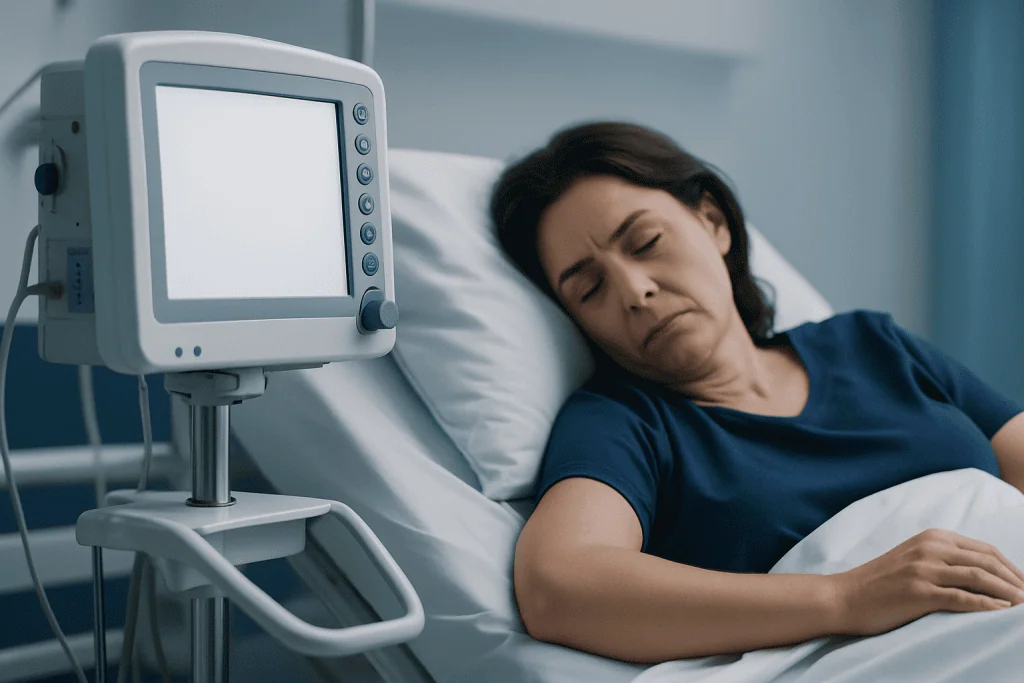
People often think of sleep problems only as difficulty falling asleep. In reality, sleep disorders can appear in many ways. Some people wake frequently or too early. Others sleep for long enough but still feel exhausted in the morning. Some struggle to stay awake during the day, fall asleep unintentionally, or notice lapses in attention, memory, and mood.
Certain symptoms are particularly important because they may point to a neurologic or sleep-specific disorder. Examples include vivid dream enactment, kicking or jerking during sleep, an irresistible urge to move the legs in the evening, sleep paralysis, hallucination-like experiences as falling asleep or waking, sudden muscle weakness triggered by emotion, and severe snoring with witnessed pauses in breathing.
- Difficulty falling asleep or staying asleep most nights
- Daytime sleepiness despite enough time in bed
- Morning headaches or dry mouth
- Loud snoring, gasping, or breathing pauses during sleep
- Leg discomfort or urge to move that worsens at rest
- Acting out dreams, punching, shouting, or getting out of bed asleep
- Shift-related sleep disruption or a delayed sleep schedule that is hard to control
When these symptoms persist, interfere with work, school, driving, relationships, or safety, they should not be dismissed as “just bad sleep.” A structured assessment can often reveal a pattern that points toward a treatable condition.
Common causes and risk factors

Persistent sleep problems usually have more than one possible cause. Stress, anxiety, depression, pain, reflux, hormone changes, and some medicines can all affect sleep. Caffeine, alcohol, nicotine, irregular schedules, excessive screen use before bed, and frequent napping may also keep a sleep problem going. In some people, a temporary sleep disruption becomes chronic because the brain starts to associate bed with wakefulness and frustration.
Neurology becomes more relevant when symptoms suggest disorders of sleep regulation or nighttime movement. For example, sleep apnea may cause repeated arousals, snoring, and daytime fatigue. Restless legs syndrome can create an uncomfortable urge to move the legs that delays sleep onset. Narcolepsy affects the brain’s control of sleep and wakefulness and can cause sudden sleep attacks, dream-like experiences, and cataplexy in some people. REM sleep behavior disorder may lead a person to physically act out dreams.
Risk factors vary by condition. They may include family history, obesity, advancing age, neurologic disease, iron deficiency, pregnancy, chronic kidney disease, head injury, and certain antidepressant or sedating medications. Neurodegenerative conditions can also be linked with specific sleep symptoms in some individuals. Because many different factors overlap, careful medical review is important before assuming there is a single explanation.
How neurologists evaluate persistent sleep problems
A neurology-based sleep evaluation usually starts with a detailed conversation. The doctor may ask when the problem began, how often it happens, what a typical day and night look like, and whether there are signs of snoring, unusual movements, dream enactment, morning headaches, or daytime sleepiness. Information from a bed partner or family member can be very helpful, especially when symptoms occur during sleep and the person may not be aware of them.
Patients are often asked to keep a sleep diary for one to two weeks. This tracks bedtime, wake time, naps, awakenings, caffeine use, and how rested the person feels. The clinician may also review medicines, mental health, work schedule, alcohol use, and medical problems such as thyroid disease, chronic pain, or lung disease. A physical and neurologic examination may look for clues related to breathing, movement disorders, neuropathy, or other underlying conditions.
Depending on the pattern of symptoms, testing may be recommended. A sleep study can assess breathing, oxygen levels, heart rhythm, brain activity, and limb movements during sleep. Daytime nap testing may help when narcolepsy or severe hypersomnia is suspected. Some people benefit from actigraphy, blood tests such as iron studies, or evaluation for related conditions including epilepsy when nighttime events might be seizures rather than a sleep disorder.
Possible diagnoses a second opinion may uncover
One reason second opinions can be useful is that several sleep disorders can look alike at first. Someone with insomnia may actually be waking repeatedly because of breathing pauses or limb movements. A person thought to be anxious may have an untreated circadian rhythm disorder or narcolepsy. Behaviors described as nightmares can sometimes be REM sleep behavior disorder, nocturnal seizures, or another parasomnia.
Common diagnoses considered in neurological sleep medicine include chronic insomnia disorder, obstructive sleep apnea, central sleep apnea, restless legs syndrome, periodic limb movement disorder, narcolepsy, idiopathic hypersomnia, circadian rhythm sleep-wake disorders, parasomnias, and sleep-related movement disorders. In selected cases, the evaluation may also reveal links to migraine, autonomic dysfunction, neurodegenerative disease, or medication effects.
The value of diagnosis is practical. Once the problem is clearly defined, treatment can be chosen more precisely. This helps reduce trial-and-error care and supports safer management, particularly when excessive sleepiness or complex nighttime behaviors increase the risk of falls, accidents, or impaired concentration.
Treatment options and what care may involve
Treatment depends on the underlying cause. For chronic insomnia, structured behavioral treatment is often central. This may include sleep scheduling, stimulus control, cognitive strategies, and changes that strengthen the connection between bed and sleep. Good sleep habits still matter, but long-lasting insomnia often improves best with a targeted plan rather than general advice alone.
When breathing-related sleep disruption is found, care may include weight management, positional strategies, oral devices, or sleep apnea treatment such as positive airway pressure therapy. Restless legs syndrome may improve with correcting low iron when present, reducing triggers, and using medication when appropriate. Narcolepsy and hypersomnia may require planned naps, schedule adjustments, and medicines to improve wakefulness or control related symptoms.
Parasomnias and dream enactment behaviors often require making the bedroom safer and addressing triggers such as sleep deprivation, alcohol, or certain medications. If an underlying neurologic disorder is contributing, that condition is treated as part of the plan. Some patients may also need neurology consultation to assess associated symptoms such as tremor, neuropathy, or spells occurring during sleep, and in selected cases further evaluation in a sleep lab is useful.
Near the end of the care pathway, international patients may choose centers with coordinated expertise. Acibadem International’s multidisciplinary specialists and JCI-accredited hospitals evaluate and treat sleep and neurologic disorders with individualized planning when a second opinion is needed.
Self-care, sleep habits, and prevention
Not every persistent sleep problem can be prevented, but daily habits strongly influence sleep quality and can support medical treatment. A regular wake time is one of the most effective ways to stabilize the body clock. Limiting caffeine later in the day, reducing alcohol close to bedtime, keeping the bedroom dark and quiet, and avoiding long daytime naps can also help.
People with suspected restless legs may benefit from reviewing iron levels with a doctor rather than starting supplements on their own. Those with daytime sleepiness should be cautious about driving or operating machinery until the cause is understood. Bed partners can help by noting snoring, breathing pauses, dream enactment, or frequent movements that the sleeper may not remember.
Self-care is supportive, but it should not replace diagnosis when symptoms are persistent or unusual. If symptoms continue despite good sleep habits, a specialist review is reasonable. Early evaluation may shorten the time to effective treatment and help prevent complications such as mood changes, poor concentration, or injury from unsafe sleep behaviors.
When to see a doctor urgently or seek a second opinion
A second opinion is worth considering when a sleep problem has not improved with basic measures, when treatment has not helped as expected, or when the diagnosis remains unclear. It is also appropriate when symptoms are complex, involve more than one possible disorder, or affect safety and everyday function. People with chronic fatigue or poor sleep often feel relieved when a specialist helps organize confusing symptoms into a clearer explanation.
Urgent medical attention is important for episodes of stopped breathing, severe daytime sleepiness that affects driving, sudden collapse or weakness with strong emotions, violent dream enactment, new confusion at night, or possible seizure-like events during sleep. Children, older adults, and people with neurologic disease may need particularly careful assessment because symptoms can look different in these groups.
In general, persistent sleep problems deserve evaluation if they last several weeks, recur often, or are accompanied by loud snoring, abnormal movements, morning headaches, mood changes, memory problems, or difficulty functioning during the day. Getting help early can lead to a more accurate diagnosis and a safer, more effective treatment plan.
Frequently asked questions
How do I know if my sleep problem is serious enough to see a neurologist?
A neurology-based sleep evaluation may help if sleep symptoms last for weeks, keep returning, or affect work, mood, memory, or driving safety. It is especially useful when there are unusual features such as dream enactment, leg movements, sudden sleep attacks, sleep paralysis, or possible seizure-like events during sleep.
Is insomnia always caused by stress or anxiety?
No. Stress and anxiety are common contributors, but persistent insomnia can also be linked to sleep apnea, restless legs syndrome, circadian rhythm disorders, medication effects, pain, and other medical or neurologic conditions. A proper evaluation helps identify whether insomnia is the main disorder or a symptom of something else.
What happens during a sleep study?
A sleep study records body functions during sleep, such as brain waves, breathing, oxygen levels, heart rhythm, eye movements, and limb activity. It is used to look for conditions such as sleep apnea, periodic limb movements, narcolepsy-related patterns, and some parasomnias. The exact type of study depends on the symptoms.
Can sleep problems be a sign of a neurologic condition?
Yes, sometimes. Certain sleep symptoms can be related to disorders affecting the brain’s sleep-wake control, movement systems, or nighttime breathing. Examples include narcolepsy, REM sleep behavior disorder, restless legs syndrome, and sleep disruption associated with some neurologic diseases.
When should daytime sleepiness be treated as urgent?
Daytime sleepiness needs prompt attention if it leads to near-miss accidents, falling asleep while driving, or inability to stay awake during important activities. It is also concerning when it appears suddenly, is severe, or comes with weakness triggered by emotion, breathing pauses at night, or confusion.
Can better sleep habits solve persistent sleep problems on their own?
Healthy sleep habits are important and may improve mild sleep disruption, but they do not solve every condition. If symptoms continue despite a regular routine and basic changes, a medical assessment is appropriate. Long-lasting or unusual sleep symptoms often need targeted treatment based on the specific diagnosis.
References
- American Academy of Sleep Medicine
- National Institute of Neurological Disorders and Stroke
- National Heart, Lung, and Blood Institute
- Centers for Disease Control and Prevention
- Mayo Clinic
This article is for general information only and is not a substitute for professional medical advice. Please consult a qualified doctor about your individual situation.
Explore treatments in Turkey — costs, top hospitals & a free quote
JCI-accredited · board-certified surgeons · reply within 24h
Add us as a Preferred Source to see more of our trusted health content across Google Search, AI Overviews and Discover.