When Repeated Infections Affect the Nervous System: A Neuroinfectious Disease Evaluation

Neuroinfectious diseases involve infections that affect the brain, spinal cord, meninges, or peripheral nerves. Symptoms can include headache, fever, confusion, weakness, seizures, numbness, or balance problems.
Key Takeaways
- Neuroinfectious diseases involve infections that affect the brain, spinal cord, meninges, or peripheral nerves.
- Symptoms can include headache, fever, confusion, weakness, seizures, numbness, or balance problems.
- Evaluation may involve blood tests, brain imaging, lumbar puncture, and specialist neurological assessment.
- Early diagnosis is important because some infections can worsen quickly without treatment.
- Prevention includes vaccination, infection control, safe food and water practices, and prompt medical care for concerning symptoms.
A neuroinfectious disease evaluation is a medical assessment used when repeated or unusual infections may be affecting the brain, spinal cord, or nerves. It helps identify the cause of neurological symptoms and supports timely, targeted treatment.
Overview
A neuroinfectious disease evaluation looks for infections that involve the nervous system, including the brain, spinal cord, the protective coverings around them, and the peripheral nerves. These infections may be caused by viruses, bacteria, fungi, parasites, or, less commonly, other microorganisms. Some develop suddenly, while others appear gradually or return repeatedly over time.
Repeated infections or infections that behave in an unusual way can sometimes point to a deeper issue. In some people, the problem is direct spread of infection to nervous tissue. In others, the immune system, a chronic infection, recent travel, or an underlying health condition may increase the risk. The evaluation aims to answer two main questions: whether an infection is present and how it is affecting the nervous system.
This type of assessment is especially important when neurological symptoms occur together with fever, recent infection, or a weakened immune system. Because many different conditions can mimic one another, careful testing helps distinguish infection from inflammation, autoimmune disease, stroke, or other neurological disorders. A structured evaluation also helps doctors choose the safest and most effective treatment.
Symptoms That May Suggest a Nervous System Infection
Symptoms depend on which part of the nervous system is affected and how severe the infection is. A brain infection may cause headache, fever, confusion, drowsiness, personality changes, seizures, or trouble speaking. Infection involving the meninges, such as meningitis, may lead to severe headache, neck stiffness, light sensitivity, nausea, or vomiting.
When the spinal cord or nerves are involved, symptoms may include weakness, numbness, tingling, burning pain, balance problems, or difficulty walking. Some people develop bladder or bowel changes, facial weakness, hearing changes, or vision symptoms. Infections can also trigger symptoms that resemble other neurological conditions, which is why a specialist evaluation is often needed.
Warning signs that deserve urgent medical attention include sudden confusion, a seizure, loss of consciousness, rapidly worsening weakness, severe headache with fever, or new neurological deficits such as difficulty speaking or moving one side of the body. In children, older adults, and people with weakened immunity, symptoms may be less typical and may appear as unusual sleepiness, irritability, poor feeding, or changes in behavior.
Causes and Risk Factors

Neuroinfectious diseases can result from a wide range of organisms. Viral causes include herpes viruses, enteroviruses, varicella-zoster virus, and arboviruses carried by mosquitoes or ticks. Bacterial causes can include organisms responsible for meningitis, tuberculosis, Lyme disease, or infections that spread from the ear, sinuses, lungs, or bloodstream. Fungal and parasitic infections are less common but may be more likely in certain geographic areas or in people with weakened immune systems.
Sometimes the infection reaches the nervous system directly through the blood. In other cases, it spreads from a nearby source such as the middle ear, mastoid bone, teeth, or sinuses. After surgery, head trauma, or placement of a medical device, an infection may rarely enter through disrupted protective barriers. Doctors also consider whether repeated infections suggest an immune deficiency or another medical problem that makes the body less able to fight infection.
Important risk factors include recent travel, insect or tick exposure, contact with animals, contaminated food or water, close contact with someone who is ill, and incomplete vaccination. Chronic diseases, cancer treatment, organ transplantation, HIV infection, diabetes, and use of immunosuppressive medicines can also increase risk. In some cases, repeated infections may coexist with conditions such as encephalitis or other inflammatory disorders that require a different treatment approach.
How a Neuroinfectious Disease Evaluation Is Done
The evaluation usually begins with a detailed medical history and neurological examination. Doctors ask about the pattern of symptoms, recent infections, travel, animal or insect exposure, medications, vaccinations, surgeries, and immune health. They assess alertness, memory, speech, strength, sensation, reflexes, balance, and cranial nerve function to understand which part of the nervous system may be affected.
Laboratory testing often includes blood tests to look for signs of infection or inflammation and to identify possible organisms. Depending on the situation, doctors may request cultures, antibody tests, or molecular tests such as PCR that detect the genetic material of viruses or bacteria. If meningitis or encephalitis is suspected, a lumbar puncture may be recommended to examine cerebrospinal fluid. This can provide key information about infection type and help guide treatment.
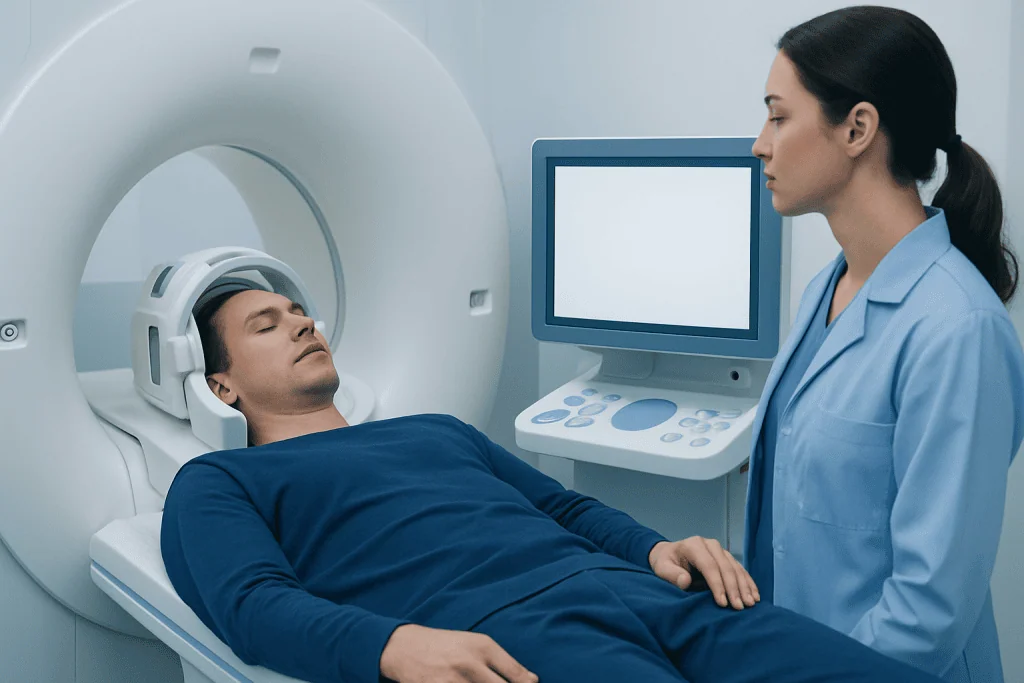
Imaging is also important. Brain or spine scans, especially MRI, can show inflammation, swelling, abscesses, or other changes that help narrow the diagnosis. In some cases, CT scanning is used quickly to look for bleeding, swelling, or structural concerns before a lumbar puncture. When seizures, confusion, or altered awareness are present, an EEG test may help detect abnormal brain activity and support diagnosis.
Because symptoms can overlap with autoimmune, vascular, or tumor-related conditions, doctors may need to perform additional tests. A neuroinfectious disease evaluation is often multidisciplinary, involving neurology, infectious diseases, radiology, and laboratory medicine specialists. This coordinated approach helps ensure that treatment is not delayed while the cause is being clarified.
Treatment Options
Treatment depends on the cause, the location of infection, and how sick the person is. When a serious infection is strongly suspected, doctors may begin treatment before all test results are available. This is because some nervous system infections can progress quickly, and early therapy may reduce the risk of complications. Once results are confirmed, treatment can be adjusted to target the specific organism.
Therapy may include antiviral, antibacterial, antifungal, or antiparasitic medicines. Supportive care is also important and may involve fluids, fever control, pain relief, anti-seizure medication, or monitoring in hospital when needed. If swelling in the brain or spinal cord is present, doctors may use additional treatments to reduce pressure or inflammation, depending on the underlying diagnosis.
Some patients need treatment for related complications, such as abscess drainage, breathing support, or rehabilitation for lingering weakness, speech difficulty, or balance problems. Follow-up is often needed to track recovery and watch for relapse, especially when infections are recurrent or the immune system is affected. If repeated infections suggest an underlying immune problem, further assessment may be recommended to prevent future episodes.
Prevention and Self-Care
Not every neuroinfectious disease can be prevented, but several steps can lower risk. Staying up to date with recommended vaccinations is one of the most effective measures. Vaccines may help protect against infections that can involve the nervous system, including certain forms of meningitis, influenza, measles, mumps, and varicella, depending on age and health status.
Good infection prevention habits also matter. Frequent handwashing, avoiding close contact with people who are acutely ill, safe food and water practices, and proper wound care can reduce exposure to harmful organisms. During travel or outdoor activities, insect repellent, protective clothing, and tick checks may help prevent infections spread by mosquitoes or ticks.
People with chronic illness or weakened immunity should follow their care plan closely and seek medical advice early if infections recur. Self-care after diagnosis may include rest, hydration, taking medicines exactly as prescribed, and attending follow-up visits. It is important not to ignore new neurological symptoms, even if an earlier infection seemed mild or has already been treated.
When to See a Doctor
Medical advice should be sought promptly for fever with severe headache, neck stiffness, confusion, fainting, seizure, new weakness, numbness, trouble speaking, or changes in vision or balance. These symptoms do not always mean a nervous system infection is present, but they need timely assessment. The same is true for symptoms that recur after an infection or fail to improve as expected.
People with cancer, organ transplants, immune suppression, diabetes, or recent neurosurgery should be especially cautious because they may be at higher risk for serious infection. Parents should arrange urgent assessment for infants or children who become unusually sleepy, irritable, difficult to wake, or unwilling to feed, particularly if fever or a rash is present.
Near the end of the diagnostic journey, some patients benefit from care in centers with coordinated neurological and infectious disease expertise. Acibadem International’s multidisciplinary specialists and JCI-accredited hospitals evaluate and treat neuroinfectious conditions for international patients when advanced assessment is needed. Even so, the most important first step is timely review by a qualified doctor or emergency service when warning signs appear.
Frequently asked questions
What is a neuroinfectious disease evaluation?
It is a medical assessment used to find out whether an infection is affecting the brain, spinal cord, meninges, or nerves. It usually includes a history, neurological examination, laboratory tests, and sometimes imaging or cerebrospinal fluid testing.
Can repeated infections really affect the nervous system?
Yes, some infections can spread to the nervous system directly, while others can trigger inflammation that affects neurological function. Recurrent or unusual infections may also suggest an underlying immune or medical condition that deserves evaluation.
Which symptoms are most concerning?
Symptoms that need urgent attention include fever with severe headache, neck stiffness, confusion, seizure, fainting, rapidly worsening weakness, or trouble speaking. New numbness, balance problems, or changes in vision can also be important, especially if they appear suddenly.
Why might a lumbar puncture be needed?
A lumbar puncture allows doctors to analyze cerebrospinal fluid, which surrounds the brain and spinal cord. This test can help detect infection, inflammation, and the type of organism involved, making treatment more precise.
Are neuroinfectious diseases treatable?
Many are treatable, especially when they are recognized early. Treatment depends on the cause and may include antiviral, antibiotic, antifungal, or antiparasitic medicines along with supportive care.
How long does recovery take?
Recovery varies widely depending on the organism, the severity of infection, and how quickly treatment begins. Some people recover fully, while others need longer follow-up or rehabilitation for lingering symptoms such as fatigue, weakness, or memory difficulty.
References
- World Health Organization
- Centers for Disease Control and Prevention
- National Institute of Neurological Disorders and Stroke
- European Centre for Disease Prevention and Control
- Merck Manual Consumer Version
This article is for general information only and is not a substitute for professional medical advice. Please consult a qualified doctor about your individual situation.
Joint and spine care in Turkey — expert assessment & treatment
JCI-accredited · board-certified surgeons · reply within 24h
Add us as a Preferred Source to see more of our trusted health content across Google Search, AI Overviews and Discover.