When Should You See a Neuropsychiatrist?

A neuropsychiatrist treats conditions where brain function and mental health overlap. Referral may be useful for memory loss, personality change, seizures with behavioral symptoms, or mood symptoms after brain injury or illness.
Key Takeaways
- A neuropsychiatrist treats conditions where brain function and mental health overlap.
- Referral may be useful for memory loss, personality change, seizures with behavioral symptoms, or mood symptoms after brain injury or illness.
- Assessment often includes a detailed history, neurological and mental status evaluation, and sometimes brain imaging or neuropsychological testing.
- Treatment may combine medication, psychotherapy, cognitive rehabilitation, and care from multiple specialists.
- Urgent medical attention is needed for sudden confusion, new seizures, suicidal thoughts, or stroke-like symptoms.
A neuropsychiatrist evaluates symptoms that overlap between neurology and psychiatry, such as changes in mood, behavior, memory, sleep, and thinking. Seeing one may be helpful when emotional or cognitive symptoms could be related to a brain, nerve, or medical condition.
Overview: What Does a Neuropsychiatrist Do?
A neuropsychiatrist is a doctor who focuses on conditions that affect both the brain and mental health. This specialty sits at the intersection of neurology and psychiatry, which means it looks at how changes in brain structure, brain chemistry, nerve function, and medical illness can influence mood, behavior, memory, attention, sleep, and thinking.
People are often referred to a neuropsychiatrist when symptoms do not fit neatly into only one category. For example, a person may have depression after a stroke, anxiety linked to epilepsy, memory problems with behavioral change, or confusion related to a neurological disease. In these situations, a specialist who understands both brain disorders and psychiatric symptoms can help clarify the cause and guide treatment.
Neuropsychiatric care does not replace routine mental health or neurological care in every case. Instead, it is especially useful when symptoms are complex, when several conditions may be happening at the same time, or when standard treatment has not fully explained or improved the problem. The goal is to understand the whole person, not just one symptom.
Signs It May Be Time to See a Neuropsychiatrist
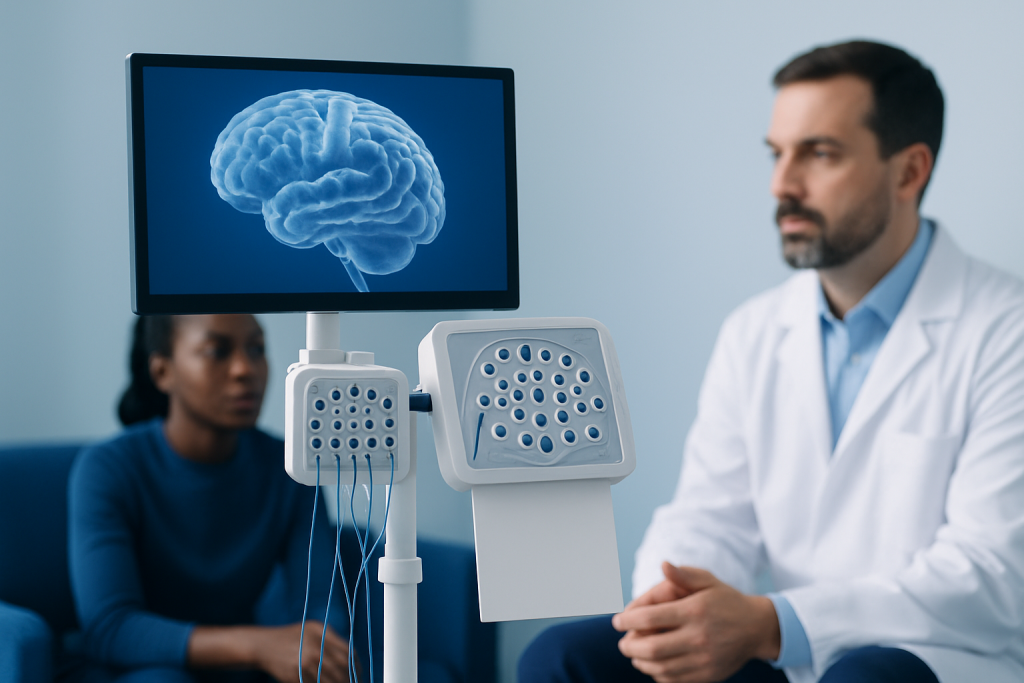
It may be time to seek a neuropsychiatric evaluation if emotional, behavioral, or cognitive changes seem unusual, persistent, or difficult to explain. Symptoms can develop gradually or appear after a clear event such as a head injury, seizure, infection, stroke, or major medical illness. Family members are often the first to notice changes, especially when insight is reduced.
Common reasons for referral include memory loss, difficulty concentrating, confusion, sudden personality change, unexplained irritability, hallucinations, severe mood swings, or changes in judgment. A neuropsychiatrist may also be helpful when depression, anxiety, or psychosis appears alongside neurological symptoms such as tremor, weakness, blackouts, headaches, or sleep disturbances.
- Memory or thinking problems that interfere with daily life
- Behavior changes after concussion or traumatic brain injury
- Mood or anxiety symptoms after stroke, epilepsy, or brain surgery
- Confusion, agitation, or hallucinations in older adults
- Symptoms that have not improved with usual psychiatric treatment
- Concerns about decision-making, attention, or loss of independence
Children, adults, and older adults can all benefit from neuropsychiatric assessment when symptoms involve both mind and brain. Early evaluation can support safer treatment, better daily functioning, and more appropriate referrals when needed.
Common Conditions a Neuropsychiatrist Evaluates

Neuropsychiatrists assess a wide range of conditions. Some are primarily neurological but cause psychiatric symptoms, while others begin with emotional or behavioral symptoms and later show signs of an underlying brain condition. The specialist considers both possibilities carefully before reaching a diagnosis.
Examples include cognitive decline and dementia, behavioral changes related to Parkinson’s disease, psychiatric symptoms in epilepsy, post-concussion problems, movement disorders with mood symptoms, autoimmune or inflammatory brain conditions, and psychiatric changes after stroke. Neuropsychiatric input can also help when there is concern for Alzheimer's disease or other forms of dementia affecting memory, language, or personality.
Some people are referred because symptoms may be related to a structural or functional problem in the brain, such as after trauma, tumor treatment, infection, or a neurodegenerative disorder. Others may have functional symptoms, severe sleep disruption, or medically complex depression or anxiety that needs a broader neurological review. In practice, the assessment is less about labels and more about understanding why the symptoms are happening.
Causes and Risk Factors Behind Neuropsychiatric Symptoms
Neuropsychiatric symptoms can arise from many causes. These include neurological diseases, psychiatric disorders, medication side effects, substance use, hormonal problems, infections, autoimmune disease, sleep disorders, vitamin deficiencies, and the effects of aging. A neuropsychiatrist tries to identify whether one factor or several interacting factors are contributing.
Brain injury is one important trigger. A concussion or more severe traumatic brain injury may lead to problems with attention, mood, impulse control, or memory. Likewise, stroke can affect emotional regulation and thinking, sometimes leading to depression, apathy, anxiety, or personality change. Progressive neurological diseases may also affect both movement and behavior over time.
Risk factors depend on the underlying problem but may include older age, family history of dementia or psychiatric illness, epilepsy, prior head trauma, vascular risk factors such as high blood pressure and diabetes, chronic sleep deprivation, alcohol or drug misuse, and complex medical illness. Sometimes the symptoms are caused by a reversible medical issue, which is why a careful evaluation matters.
It is also important to remember that emotional stress alone can strongly affect concentration, sleep, and memory. Even so, when symptoms are severe, atypical, rapidly changing, or accompanied by neurological signs, specialist review is appropriate to rule out a brain-based cause.
How Diagnosis and Assessment Usually Work
Neuropsychiatric assessment usually begins with a detailed conversation about symptoms, timing, medical history, medications, past mental health history, sleep, substance use, and daily functioning. Information from a family member or caregiver can be very helpful, especially when memory or judgment has changed. The doctor will want to know whether symptoms started suddenly or gradually and whether they followed an illness or injury.
The examination may include a neurological evaluation and a mental status assessment. These look at attention, language, memory, mood, perception, insight, coordination, movement, and reflexes. Depending on the situation, the specialist may recommend blood tests, sleep evaluation, EEG for seizure concerns, or MRI scanning to look for structural causes affecting the brain.
Some people benefit from formal cognitive testing to understand strengths and weaknesses in memory, planning, language, and processing speed. This is often done through neuropsychological testing, which can help distinguish depression-related concentration problems from dementia, traumatic brain injury effects, or other cognitive disorders. When seizures, blackouts, or unusual episodes are suspected, the doctor may coordinate with a neurology team and further testing.
Diagnosis is not always made in one visit. In many cases, it develops over time as the specialist reviews symptoms, test results, and how the person responds to treatment. This stepwise approach helps avoid oversimplifying a complex problem.
Treatment Options and Team-Based Care
Treatment depends on the underlying cause of symptoms. A neuropsychiatrist may use psychiatric medicines, neurological treatments, psychotherapy, behavioral strategies, cognitive rehabilitation, sleep management, and family education. The aim is to reduce distress, improve daily functioning, and support safety and quality of life.
If there is an identifiable neurological condition, care often involves close coordination with other specialists. For example, someone with seizures and mood symptoms may need combined management with a neurologist, including epilepsy treatment. A person recovering from head injury or stroke may benefit from rehabilitation, occupational therapy, speech therapy, or structured cognitive exercises as part of a broader plan.
When memory decline is present, treatment may focus on symptom management, routine, caregiver support, and planning for future needs. If depression, anxiety, or psychosis is part of the picture, these symptoms can often be treated even when a neurological disease is also present. This can make a meaningful difference in comfort, communication, sleep, and independence.
At the end of the care pathway, some patients may need referral for advanced neurological evaluation or surgical opinion, depending on the diagnosis. Acibadem International’s multidisciplinary specialists in JCI-accredited hospitals diagnose and treat neuropsychiatric and neurological conditions for international patients, coordinating care across psychiatry, neurology, imaging, and rehabilitation when appropriate.
Self-care, Family Support, and Practical Next Steps
Self-care does not replace medical treatment, but it can support recovery and symptom control. Helpful measures include keeping a regular sleep schedule, taking medications as prescribed, limiting alcohol and recreational drugs, staying physically active if medically safe, eating balanced meals, and managing stress. Simple routines and written reminders may help people who struggle with memory or concentration.
Family support is often essential. Loved ones can help track changes in behavior, remind the person about appointments, and report side effects or safety concerns. In many neuropsychiatric conditions, the person affected may not fully notice their own symptoms. Compassionate observation from family can therefore improve diagnosis and treatment.
It can be useful to prepare for an appointment by writing down when symptoms began, what makes them better or worse, any recent injuries or illnesses, and all current medications and supplements. Bringing school or workplace concerns, seizure descriptions, or examples of memory lapses may also help the specialist understand the pattern more clearly.
If symptoms are getting worse, do not wait for them to become severe before asking for help. Early evaluation may identify treatable causes and reduce the impact on work, relationships, safety, and independence.
When to Seek Urgent Medical Attention
Some symptoms need prompt or emergency care rather than a routine specialist visit. Sudden confusion, a new seizure, fainting with injury, sudden weakness, trouble speaking, severe agitation, or stroke-like symptoms require immediate medical attention. These signs may point to an acute neurological problem that should be assessed urgently.
Urgent help is also needed if a person has thoughts of self-harm or suicide, becomes unable to care for basic needs, develops rapidly worsening hallucinations, or poses a risk to themselves or others. In older adults, sudden confusion may reflect delirium from infection, medication effects, or another acute medical issue rather than a primary psychiatric illness.
Even when symptoms seem less dramatic, it is wise to contact a doctor promptly if memory loss is rapidly progressing, behavior changes are out of character, or mental symptoms begin after head injury, stroke, or seizure activity. Timely evaluation can lead to faster treatment and a safer care plan.
Frequently asked questions
What is the difference between a neuropsychiatrist, a neurologist, and a psychiatrist?
A neurologist focuses mainly on disorders of the brain, spinal cord, and nerves, while a psychiatrist focuses on mental health conditions such as depression, anxiety, and psychosis. A neuropsychiatrist works where these areas overlap, especially when mood, behavior, memory, or thinking changes may be linked to a neurological or medical cause.
Do I need a neuropsychiatrist for memory loss?
Not always, but a neuropsychiatrist can be very helpful when memory loss occurs with personality change, confusion, depression, hallucinations, or other neurological symptoms. They can help determine whether the problem may be related to stress, medication, dementia, brain injury, seizures, or another medical condition.
Can a neuropsychiatrist help after a concussion or brain injury?
Yes. After a concussion or other brain injury, some people develop attention problems, irritability, anxiety, depression, sleep issues, or changes in impulse control. A neuropsychiatrist can assess these symptoms and coordinate treatment with rehabilitation and neurology teams when needed.
What should someone expect at the first appointment?
The first visit usually includes a detailed review of symptoms, medical history, medications, and how daily life has changed. The doctor may ask a family member to share observations and may recommend further tests such as blood work, imaging, or cognitive assessment depending on the symptoms.
Are neuropsychiatric symptoms always caused by a brain disease?
No. Symptoms such as poor concentration, low mood, agitation, or sleep problems can also be related to stress, psychiatric illness, medications, substance use, or other medical conditions. The purpose of neuropsychiatric evaluation is to look carefully at all possible causes rather than assume only one explanation.
When is it urgent to seek help for neuropsychiatric symptoms?
Urgent care is needed for sudden confusion, new seizures, stroke-like symptoms, severe agitation, or any thoughts of self-harm or suicide. Prompt medical attention is also important when symptoms rapidly worsen or begin after a head injury, major infection, or other acute illness.
References
- World Health Organization
- National Institute of Mental Health
- National Institute of Neurological Disorders and Stroke
- American Psychiatric Association
- Alzheimer's Association
This article is for general information only and is not a substitute for professional medical advice. Please consult a qualified doctor about your individual situation.
Explore treatments in Turkey — costs, top hospitals & a free quote
JCI-accredited · board-certified surgeons · reply within 24h
Add us as a Preferred Source to see more of our trusted health content across Google Search, AI Overviews and Discover.