When to Get a Second Opinion in Cancer Care
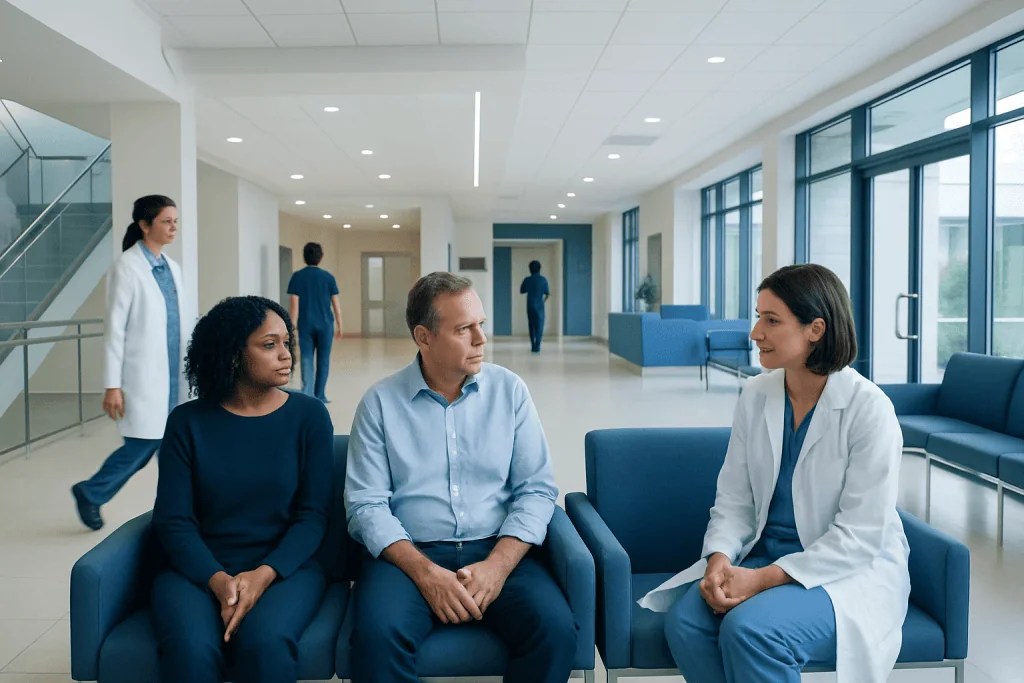
A second opinion in cancer care is common and can be helpful at many points, from diagnosis to recurrence. It may confirm the original plan or present other reasonable treatment options.
Key Takeaways
- A second opinion in cancer care is common and can be helpful at many points, from diagnosis to recurrence.
- It may confirm the original plan or present other reasonable treatment options.
- Patients often seek another opinion for rare cancers, complex surgeries, unclear test results, or if treatment is not working as expected.
- Getting a second opinion usually involves sharing pathology, imaging, and treatment records with another specialist.
- Seeking another expert view should support, not delay, timely cancer treatment.
A second opinion in cancer care can help confirm the diagnosis, review the stage, and explain treatment choices more clearly. For many people, it brings reassurance, answers new questions, and supports confident decision-making.
Overview
A second opinion in cancer care means asking another qualified specialist or cancer team to review the diagnosis, stage, test results, and treatment plan. This is a standard part of modern oncology and is often encouraged, especially when decisions are complex. It does not mean the first doctor is wrong. In many cases, the second opinion confirms the original recommendations and gives the patient greater peace of mind.
Cancer care can involve many choices, such as surgery, chemotherapy, radiation therapy, targeted therapy, immunotherapy, or careful monitoring. The best approach may depend on the exact type of cancer, its molecular features, the stage, the patient’s overall health, and personal priorities. Because of this, hearing from another expert can help a person understand the benefits, risks, and alternatives more fully.
A second opinion may be especially useful when the cancer is rare, the diagnosis is uncertain, major surgery is being considered, or different treatment paths are available. It can also help if the patient feels rushed, confused, or unsure that all options have been discussed. The goal is informed, confident care based on the best available evidence.
When a Second Opinion May Be Most Helpful
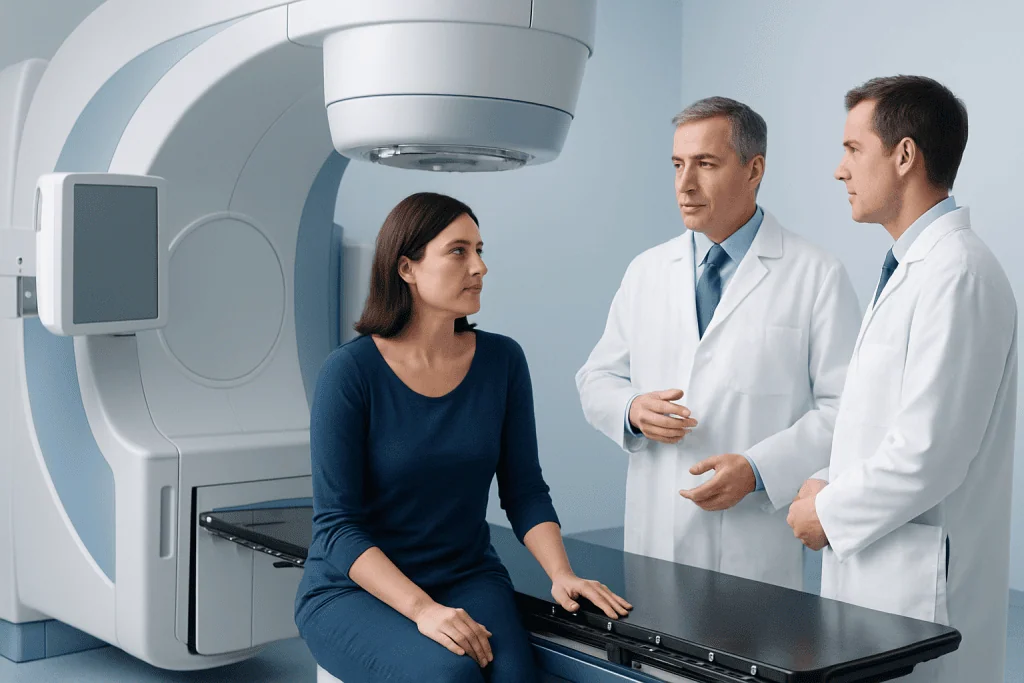
There is no single right time to seek another opinion, but some situations make it especially valuable. A person may want one soon after diagnosis, before starting treatment, if the cancer returns, or if the disease does not respond as expected. Another review can also help when new symptoms appear or when test results seem difficult to interpret.
Common reasons to consider a second opinion include:
- A rare or unusual cancer type
- An unclear pathology result or uncertain stage
- A recommendation for major or life-changing surgery
- Several possible treatments with different side effects
- Interest in clinical trials or newer therapies
- Cancer that has spread, recurred, or stopped responding to treatment
- Concern that communication has been unclear or questions remain unanswered
For some patients, the emotional side matters just as much as the medical one. Cancer decisions can feel overwhelming. A second opinion can provide clarity, explain complex terms in simpler language, and help family members better understand the situation. This added perspective often makes it easier to move forward with the next steps.
What a Second Opinion Can Review

A complete second opinion in cancer care typically reviews the main parts of diagnosis and treatment planning. This may include the pathology report, biopsy slides, blood tests, imaging scans, surgery notes, and any treatment already received. In some cases, the new team may suggest repeating or expanding testing if important details are missing.
Pathology review is often one of the most important parts. Cancer treatment depends heavily on identifying the exact tumor type and grade. A specialist pathologist may confirm the original result or refine it. For some cancers, molecular or genetic testing of the tumor can reveal markers that affect treatment choices, such as whether targeted therapy or immunotherapy may be useful.
The second opinion may also reassess the cancer stage, which describes how far the disease has spread. Accurate staging helps determine whether treatment should aim to cure, control, or relieve symptoms. In addition, another specialist may discuss different ways of using surgery, radiation, systemic treatments, or supportive care. If needed, advanced imaging such as PET-CT scanning or MRI may help answer specific questions about the extent of disease.
How to Get a Second Opinion
Getting a second opinion usually starts by asking the current doctor for copies of all relevant records. These often include pathology reports, biopsy slides or tissue samples, imaging on discs or secure digital transfer, blood test results, operation reports, and a summary of treatments already given. Most doctors understand this request and can help organize the information.
It is often best to seek an opinion from a specialist who regularly treats that exact cancer type, ideally within a multidisciplinary cancer center. Multidisciplinary review means that different experts, such as medical oncologists, surgical oncologists, radiation oncologists, radiologists, and pathologists, may discuss the case together. This can be particularly useful for complex conditions such as breast cancer or lung cancer, where treatment planning often depends on several detailed findings.
Patients may find it helpful to prepare questions in advance. Useful questions can include: Is the diagnosis certain? Is the stage correct? What are all the standard treatment options? What are the likely goals of treatment? Are there alternatives that may have different side effects? Is a clinical trial worth considering? Taking notes or bringing a family member to the appointment can also make the discussion easier to remember and compare.
Possible Benefits and Limitations
The benefits of a second opinion are often practical and emotional. Medically, it can confirm the diagnosis, improve staging accuracy, identify additional tests, or reveal treatment options that had not yet been discussed. Emotionally, it can help the patient feel heard, informed, and more comfortable with major decisions. Even when the second doctor agrees completely with the first plan, that agreement can be very reassuring.
Sometimes a second opinion leads to a different recommendation, but this does not always mean one plan is clearly better than the other. In oncology, more than one evidence-based approach may be reasonable. Differences can reflect the doctor’s experience, the resources of a cancer center, or the patient’s own goals. A person may then need support comparing the expected benefits, side effects, recovery time, and impact on quality of life.
There are also limits to what a second opinion can do. It may not change the diagnosis or treatment plan, and it should not create unnecessary delay when treatment needs to begin promptly. For that reason, it is best to seek another opinion as early as possible and to coordinate with the current team. Most cancer centers can advise on timelines so that careful review and timely care happen together.
Treatment Planning After a Second Opinion
After receiving a second opinion, the patient can choose to continue care with the original team, transfer care to the new team, or combine elements of both when appropriate. The next step should be based on clear communication, trust, and which team is best equipped to provide the recommended treatment. What matters most is that the care plan is understandable and appropriate for the individual case.
Treatment discussions may cover options such as chemotherapy, radiation therapy, surgery, hormonal therapy, targeted therapy, immunotherapy, or palliative and supportive care. Each option has its own goal, whether that is cure, long-term control, shrinking the tumor before surgery, lowering the risk of recurrence, or relieving symptoms. Patients may also ask whether the benefits of treatment are expected to outweigh the side effects in their specific situation.
Some people also benefit from asking about nutrition support, pain control, fertility preservation, psychological support, and rehabilitation. These services are important parts of cancer care and can improve daily functioning during treatment. Near the end of the decision process, some international patients may choose evaluation at centers such as Acibadem International, where multidisciplinary specialists in JCI-accredited hospitals diagnose and treat cancer while coordinating care for patients traveling from abroad.
When to See a Doctor Urgently and Practical Self-Advocacy Tips
A second opinion should support timely treatment, not postpone urgent care. A patient should contact a doctor promptly if there are rapidly worsening symptoms such as severe pain, shortness of breath, new confusion, persistent vomiting, major bleeding, fever during cancer treatment, or sudden weakness. These problems may need immediate medical attention even while records are being reviewed.
Good self-advocacy can make the second-opinion process smoother. It helps to keep a folder with pathology reports, medication lists, allergies, scan reports, appointment summaries, and contact details for each doctor. Writing down priorities can also help, such as preserving function, minimizing certain side effects, avoiding unnecessary travel, or understanding all possible options before surgery.
Patients should feel comfortable asking direct questions and requesting plain-language explanations. It is reasonable to ask why a treatment is recommended, what would happen without it, and whether another standard option exists. In cancer care, informed decisions are strongest when the patient understands both the medical facts and how those facts fit personal values and daily life.
Frequently asked questions
Is it normal to get a second opinion after a cancer diagnosis?
Yes. A second opinion in cancer care is common and widely accepted. Many patients seek one to confirm the diagnosis, understand treatment choices, or feel more confident before starting therapy.
Will asking for a second opinion offend the first doctor?
Usually no. Most cancer specialists understand that patients want to be fully informed, especially when decisions are complex. In many cases, the first doctor can help arrange records and may even recommend another expert.
Should treatment be delayed while waiting for a second opinion?
A short, organized review is often possible without causing harmful delay, but timing depends on the cancer type and how urgent treatment is. Patients should discuss the timeline with their current doctor so important care is not postponed unnecessarily.
What records are usually needed for a cancer second opinion?
Common records include pathology reports, biopsy slides or tissue samples, imaging scans, blood test results, surgery notes, and treatment summaries. Having complete records helps the second specialist give a more accurate and useful review.
Can a second opinion change the diagnosis or stage?
Sometimes it can. Another pathologist or cancer specialist may interpret biopsy findings, scan results, or staging details differently, especially in rare or complex cases. Even small changes can affect which treatments are most appropriate.
Do patients have to switch doctors if they get a second opinion?
No. Many people get a second opinion and then continue with their original care team. Others choose to transfer care or combine recommendations, depending on the expertise needed and what feels right for them.
References
- National Cancer Institute
- American Society of Clinical Oncology
- National Comprehensive Cancer Network
- World Health Organization
This article is for general information only and is not a substitute for professional medical advice. Please consult a qualified doctor about your individual situation.
Oncology care in Turkey — second opinion and treatment plan
JCI-accredited · board-certified surgeons · reply within 24h
Add us as a Preferred Source to see more of our trusted health content across Google Search, AI Overviews and Discover.

Medical Oncology Department
Medical treatment of cancer with chemotherapy, immunotherapy and targeted therapies under a multidisciplinary tumor board.
60 specialists in this unitMore from the Health Library



Related Specialists

Dr. Burak Boynuk
Orthopedic Surgery & Traumatology
Fatma Yilmaz
Physical Medicine & Rehabilitation
Dr. İsmet Cengiş
Radiology
Dr. Nazmî Uğur Ünlü
Neurosurgery