When to See a Doctor for a Headache

A sudden, severe headache or a headache that feels very different from usual should be assessed urgently. Headaches with fever, confusion, weakness, vision changes, or neck stiffness may signal a serious condition.
Key Takeaways
- A sudden, severe headache or a headache that feels very different from usual should be assessed urgently.
- Headaches with fever, confusion, weakness, vision changes, or neck stiffness may signal a serious condition.
- Repeated headaches, worsening headaches, or headaches that disrupt daily life deserve medical evaluation.
- A doctor can help identify the cause, rule out emergencies, and create a safe treatment plan.
- Keeping track of triggers, timing, and symptoms can make diagnosis easier.
Most headaches are not dangerous and improve with rest, hydration, or simple pain relief. However, some headaches need prompt medical attention, especially if they are sudden, severe, new, or linked with other concerning symptoms.
Overview: Most Headaches Are Benign, but Some Need Attention
Headache is one of the most common health complaints. Many people experience headaches from stress, dehydration, poor sleep, eye strain, skipped meals, muscle tension, or common headache disorders such as migraine and tension-type headache. In many cases, symptoms improve with rest, fluids, regular meals, and appropriate over-the-counter medicine.
Even so, it is important to know when a headache may be more than a routine problem. A new headache, a sudden severe headache, or a headache that changes noticeably in pattern can sometimes be a sign of an underlying medical issue that needs prompt evaluation. The goal is not to create fear, but to recognize situations where medical care is the safest next step.
Doctors look at the whole picture: how quickly the headache started, how intense it is, where it is felt, what other symptoms are present, and whether the person has a history of headaches. These details help distinguish common primary headaches from headaches caused by infection, bleeding, high blood pressure emergencies, inflammation, medication overuse, or other conditions.
Headache Warning Signs That Need Urgent Care
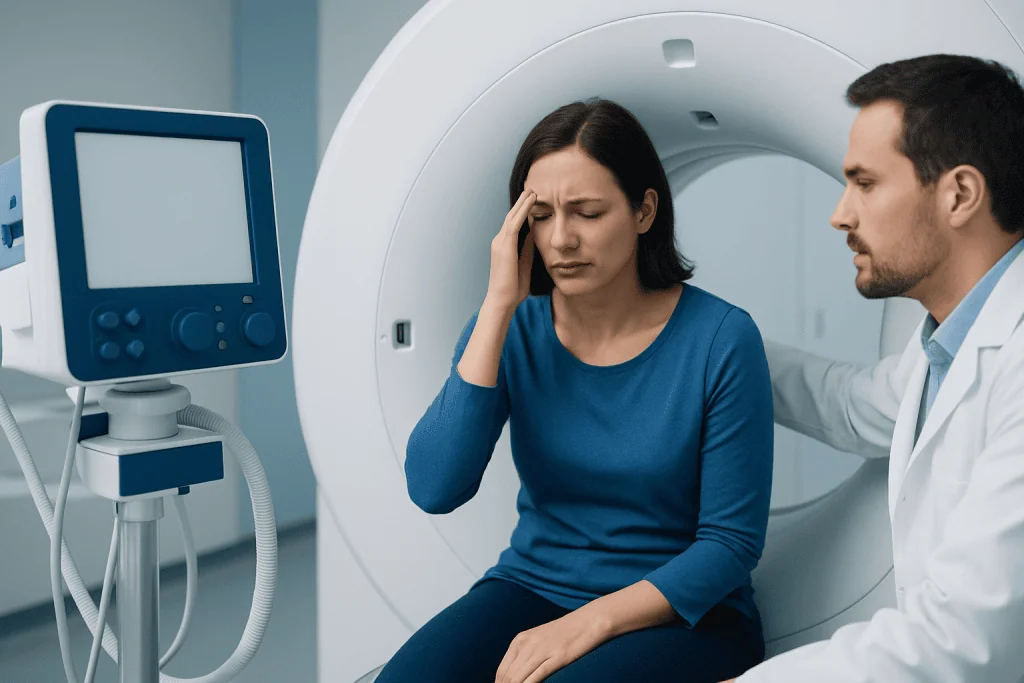
Some headache symptoms should be treated as medical emergencies. The clearest example is a sudden, extremely severe headache that reaches maximum intensity within seconds or minutes. This is often described as the “worst headache” of a person’s life or a thunderclap headache. It should be assessed urgently, even if the pain later improves.
A headache also needs prompt medical attention if it happens with neurological symptoms such as weakness, numbness, trouble speaking, confusion, fainting, seizures, double vision, loss of vision, severe dizziness, or difficulty walking. These symptoms may point to problems affecting the brain, blood vessels, or nervous system and should not be ignored.
Other emergency warning signs include headache with fever and neck stiffness, headache after a head injury, or headache with persistent vomiting. Headaches in pregnancy or after childbirth can also need urgent evaluation, especially if they are severe, new, or linked with visual changes, swelling, or high blood pressure.
- Sudden severe headache
- Headache after head trauma
- Headache with confusion, weakness, or speech difficulty
- Headache with fever, rash, or stiff neck
- Headache with seizures or loss of consciousness
- Headache with major vision changes
When a Non-Emergency Headache Still Should Be Checked

Not every headache that needs a doctor is an emergency. Medical review is still wise if headaches are happening more often, lasting longer than usual, or becoming more intense over time. A change in pattern is especially important. For example, a person with occasional mild headaches who suddenly develops daily headaches should not assume it is the same problem.
A doctor should also be consulted if headaches interfere with work, school, sleep, exercise, or normal daily activities. This includes headaches that repeatedly return despite self-care, headaches that require frequent pain medicine, or headaches that trigger nausea, light sensitivity, or missed responsibilities. In some people, recurring headaches may reflect migraine, tension-type headache, cluster headache, or medication overuse.
People over age 50 who develop a new headache should be assessed, because new headaches later in life deserve closer evaluation. The same is true for people with cancer, immune system problems, uncontrolled high blood pressure, or a recent infection. Those with known migraine may still need medical advice if the headache changes in character or no longer responds to the usual treatment.
Common Causes of Headache and Risk Factors for Serious Problems
Headaches are broadly divided into primary and secondary types. Primary headaches are disorders in themselves, such as migraine, tension-type headache, and cluster headache. They are common and often recurrent, but they are not usually caused by a dangerous structural problem. People with migraine may notice throbbing pain, nausea, sensitivity to light or sound, and sometimes visual or sensory aura.
Secondary headaches happen because of another condition. Causes can include sinus or other infections, dehydration, medication side effects, medication overuse, high blood pressure emergencies, concussion, bleeding around the brain, inflammation of blood vessels, or, more rarely, a tumor or increased pressure inside the skull. A headache can also be linked to eye problems, sleep disorders, and problems involving the neck or jaw.
Certain risk factors increase the need for caution. These include pregnancy, older age, use of blood thinners, cancer, reduced immunity, recent head injury, and severe uncontrolled hypertension. While many headaches remain harmless even in these groups, a lower threshold for medical assessment helps doctors rule out serious causes early and guide proper treatment.
How Doctors Diagnose the Cause
Diagnosis starts with a detailed medical history and physical examination. The doctor usually asks when the headaches began, how fast they start, where the pain is located, what the pain feels like, how long it lasts, and what symptoms come with it. They may also ask about triggers, sleep, hydration, stress, caffeine intake, menstrual cycles, family history, and all medicines being used, including over-the-counter pain relievers.
A neurological examination checks alertness, strength, coordination, reflexes, sensation, and eye movements. The doctor may also measure blood pressure, examine the neck, and look at the eyes for signs of increased pressure or inflammation. These first steps are often enough to suggest whether the headache is more likely to be a common primary headache or whether urgent testing is needed.
Tests are chosen based on symptoms rather than done routinely for every headache. Imaging such as MRI or CT scan may be used if there are red flags, neurological findings, trauma, or a sudden severe onset. In selected situations, blood tests or a lumbar puncture may be recommended. The main aim is to identify serious conditions quickly while avoiding unnecessary tests when the history strongly supports a benign headache disorder.
Treatment Options and What to Expect
Treatment depends on the cause. For common headaches, care may include hydration, rest, regular meals, improved sleep habits, stress reduction, and appropriate use of pain-relieving or migraine-specific medicines. If headaches are frequent, a doctor may discuss preventive treatment to reduce how often they occur and how disruptive they become. When headache is linked to another condition, the underlying cause must be treated directly.
Medication overuse is a common reason headaches become more frequent. This can happen when pain relievers or acute headache medicines are used too often, leading to a cycle of rebound symptoms. A doctor can help create a safer plan for reducing overuse while keeping pain controlled. For some people, referral to a neurology or headache specialist is useful, especially when symptoms are complex or difficult to manage.
Emergency treatment is different. If a headache suggests bleeding, stroke, infection, severe hypertension, or another urgent problem, care focuses first on stabilizing the patient and identifying the cause quickly. Depending on the findings, additional treatment may involve emergency medicine, neurology, infectious disease, or neurosurgery. Near the end of the care pathway, patients seeking coordinated evaluation may consider centers such as Acibadem International, where multidisciplinary specialists in JCI-accredited hospitals diagnose and treat headache-related conditions for international patients.
Prevention, Self-Care, and Tracking Symptoms
Healthy daily habits can reduce many headaches. Good hydration, regular meals, enough sleep, limiting excess alcohol, and managing stress are helpful for many people. Long periods of screen use, poor posture, and skipped meals are common triggers, especially for tension-type headaches and migraine. Identifying personal patterns can make prevention more effective.
A headache diary is often very useful. People can record when the headache started, how long it lasted, the severity, where the pain was felt, any associated symptoms, what they had eaten or drunk, how they slept, and what medicine they took. Over time, this information can reveal triggers and help the doctor decide whether the pattern fits migraine, tension headache, cluster headache, or another diagnosis.
It is also wise to use pain medicines carefully. Taking them too frequently may worsen headaches rather than help them. Anyone who finds they need headache medicine often should speak with a doctor or pharmacist. Non-drug approaches such as relaxation techniques, gentle exercise, and physical therapy for neck tension may also support long-term management in selected cases.
When to See a Doctor: A Practical Guide
A person should see a doctor right away for a sudden severe headache, a headache after head injury, or a headache with weakness, confusion, fever, stiff neck, seizures, or major vision changes. It is also important to seek urgent care if a headache feels dramatically different from previous headaches, rapidly worsens, or comes with chest pain, shortness of breath, or very high blood pressure readings if known.
A routine doctor’s appointment is appropriate for headaches that are recurring, increasing in frequency, difficult to control, or affecting quality of life. A review is also sensible for headaches that begin after age 50, headaches during pregnancy, or headaches linked with regular use of pain medicines. Even when the cause turns out to be benign, timely assessment can bring relief, clearer answers, and a safer treatment plan.
In general, people should trust meaningful changes in their body. If a headache is new, unusual, persistent, or simply worrying, professional advice is appropriate. Early evaluation does not always mean something serious is wrong, but it can help rule out dangerous causes and support more effective long-term headache care.
Frequently asked questions
How do I know if my headache is serious?
A headache is more concerning if it starts suddenly, is extremely severe, or is clearly different from the person’s usual headaches. It also needs urgent attention if it happens with weakness, confusion, fever, stiff neck, seizures, or vision changes.
Should I go to the emergency room for a headache?
Emergency care is appropriate for a thunderclap headache, a headache after head injury, or a headache with neurological symptoms such as trouble speaking or weakness. It is also important to seek urgent care if severe headache occurs during pregnancy or with fainting, seizures, or persistent vomiting.
When should frequent headaches be checked by a doctor?
Frequent headaches should be assessed if they are becoming more common, more painful, or harder to manage. A doctor visit is also wise if headaches interfere with work, sleep, school, or daily activities, or if pain medicines are needed often.
Can dehydration or stress cause headaches?
Yes. Dehydration, stress, poor sleep, skipped meals, and muscle tension are all common headache triggers. These causes are often manageable, but persistent or changing headaches should still be reviewed by a clinician.
What symptoms can happen with migraine?
Migraine may cause throbbing head pain, nausea, vomiting, and sensitivity to light or sound. Some people also experience aura, which can include visual changes, tingling, or speech symptoms before or during the headache.
Do all headaches need a brain scan?
No. Many common headaches can be diagnosed from the history and examination alone. Brain imaging is usually reserved for headaches with warning signs, abnormal neurological findings, trauma, or sudden severe onset.
References
- World Health Organization
- National Institute of Neurological Disorders and Stroke
- American Headache Society
- Mayo Clinic
- National Health Service
This article is for general information only and is not a substitute for professional medical advice. Please consult a qualified doctor about your individual situation.
Explore treatments in Turkey — costs, top hospitals & a free quote
JCI-accredited · board-certified surgeons · reply within 24h
Add us as a Preferred Source to see more of our trusted health content across Google Search, AI Overviews and Discover.
Check your numbers in seconds
BMI, calories, due date, blood pressure and 30+ more clinical calculators — free, instant, doctor-reviewed ranges.

More from the Health Library



Related Specialists

Dr. Mithat Ulay
Aesthetic Plastic & Reconstructive Surgery
Assoc. Prof. Dr. Kamer Dere
Treatment of Pain Algology
Prof. Dr. Ziya Akar
Neurosurgery
Prof. Dr. Yusuf Kenan Yalçınbaş
Cardiovascular Surgery