When to See a Neuroimmunologist for Unexplained Neurological Symptoms

A neuroimmunologist focuses on conditions where the immune system affects the brain, spinal cord, nerves, or muscles. Unexplained symptoms such as numbness, weakness, double vision, imbalance, or episodes that come and go should be medically assessed.
Key Takeaways
- A neuroimmunologist focuses on conditions where the immune system affects the brain, spinal cord, nerves, or muscles.
- Unexplained symptoms such as numbness, weakness, double vision, imbalance, or episodes that come and go should be medically assessed.
- Referral is often helpful when standard neurological evaluation has not fully explained symptoms or when inflammation is suspected.
- Diagnosis may involve a neurological exam, MRI, blood tests, spinal fluid testing, and other targeted studies.
- Early assessment can help clarify the cause and guide treatment to reduce relapses, inflammation, and complications.
A neuroimmunologist is a specialist who evaluates neurological symptoms that may be linked to immune system activity, inflammation, or autoimmune disease. Persistent, changing, or unexplained symptoms such as numbness, weakness, vision problems, or balance difficulties may warrant this type of expert assessment.
Overview
A neuroimmunologist is a doctor with expertise in diseases where the immune system affects the nervous system. This includes the brain, spinal cord, optic nerves, peripheral nerves, and sometimes the connection between nerves and muscles. These disorders can be complex because symptoms may resemble many other neurological conditions, and they may come and go over time.
People often seek this type of specialist when they have neurological symptoms that remain unexplained after an initial evaluation, or when a general neurologist suspects inflammation or autoimmunity. Examples include repeated episodes of vision loss, numbness, weakness, balance problems, unexplained fatigue with neurological changes, or symptoms that worsen in flares. A neuroimmunologist helps determine whether the immune system is mistakenly attacking the nervous system.
Conditions seen in neuroimmunology include disorders such as multiple sclerosis, neuromyelitis optica spectrum disorder, myelin oligodendrocyte glycoprotein antibody-associated disease, autoimmune encephalitis, some forms of myelitis, and certain immune-related neuropathies. Although these conditions are uncommon compared with migraine or mechanical back pain, they are important to recognize because early treatment can make a meaningful difference.
Symptoms That May Suggest a Neuroimmunology Evaluation
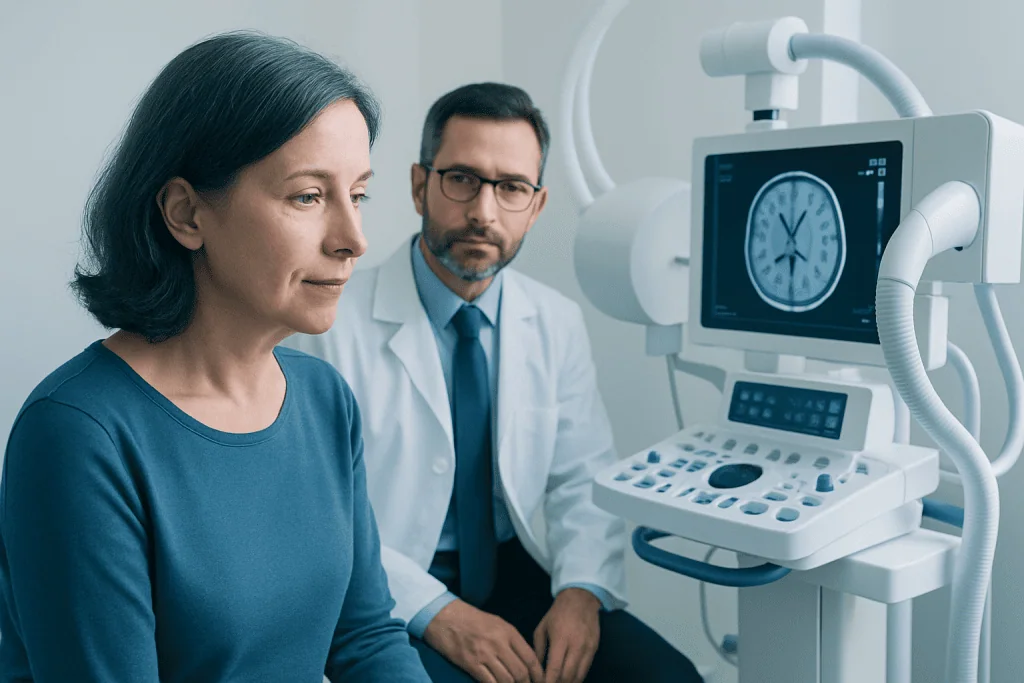
Not every neurological symptom points to an immune-related disorder, but some patterns deserve closer attention. Symptoms that appear suddenly or in episodes, affect more than one part of the nervous system, or are accompanied by signs of inflammation may prompt referral. A neuroimmunologist looks not only at the symptom itself, but also at timing, triggers, associated illnesses, and examination findings.
Symptoms that may justify a specialist review include:
- New numbness, tingling, or reduced sensation that lasts for days or weeks
- Weakness in an arm or leg, especially if it is not explained by injury
- Blurred vision, double vision, eye pain, or temporary vision loss
- Problems with balance, walking, coordination, or dizziness linked to neurological changes
- Episodes of confusion, memory problems, unusual behavior, or seizures
- Persistent facial weakness, speech changes, or swallowing difficulty
- Bladder or bowel changes occurring with other neurological symptoms
Some symptoms are especially concerning when they recur or gradually worsen. For example, repeated attacks of vision problems or sensory loss can suggest an inflammatory condition affecting myelin, the protective covering around nerves. In other cases, a person may notice one episode, recover partly, and then develop different symptoms months later. That pattern can be an important clue.
It is also useful to think about what does not fit common explanations. If symptoms are not fully explained by stress, vitamin deficiency, infection, migraine, or orthopedic problems, additional review may be appropriate. A referral does not mean a serious diagnosis is certain; it means the symptoms deserve a careful, targeted evaluation.
Common Causes and Risk Factors

Neuroimmunological disorders happen when the immune system mistakenly targets parts of the nervous system or causes inflammation that disrupts normal nerve signaling. The exact reason is not always known. In many cases, experts believe a combination of genetic susceptibility and environmental triggers is involved. A recent infection, another autoimmune illness, or certain immune system abnormalities may contribute in some people.
There are several broad categories of immune-related neurological disease. One group affects myelin in the brain and spinal cord, as seen in multiple sclerosis and related conditions. Another affects receptors or proteins on nerve cells, as in autoimmune encephalitis. Others involve the spinal cord, peripheral nerves, or the junction where nerves communicate with muscles, such as myasthenia gravis.
Risk factors can include a personal or family history of autoimmune disease, certain infections, and in some conditions, female sex or younger adulthood. However, these disorders can occur at any age and in any sex. Because symptoms overlap with many other conditions, risk factors alone never establish a diagnosis. They simply help a specialist decide which causes deserve testing.
Importantly, many non-immune problems can mimic neuroimmunological disease. Stroke, migraine, vitamin deficiencies, thyroid disease, structural spine problems, medication side effects, and infections may produce similar complaints. Part of a neuroimmunologist’s role is to rule out these possibilities while looking for evidence of inflammation or autoimmune activity.
How a Neuroimmunologist Makes a Diagnosis
The diagnostic process usually begins with a detailed history and neurological examination. The specialist asks when symptoms began, whether they came on suddenly or gradually, how long they lasted, and whether they resolved fully or partially. They also review past illnesses, autoimmune conditions, infections, family history, medications, and any previous scans or laboratory results.
Imaging is often a central part of the evaluation. An MRI of the brain, spine, or optic nerves may help show inflammation, demyelination, or lesions that fit a particular pattern. Depending on the symptoms, the doctor may also order blood tests to look for antibodies, vitamin deficiencies, infections, thyroid disease, or markers of systemic autoimmunity. In selected cases, a lumbar puncture may be recommended to analyze cerebrospinal fluid for signs of inflammation.
Other tests can be helpful when needed. These may include visual evoked potentials, nerve conduction studies, electromyography, or electroencephalography. Some patients may also need eye examinations, especially if vision changes are part of the picture, or consultation with rheumatology, infectious diseases, or rehabilitation specialists.
The goal is not simply to attach a label, but to identify the most likely cause and guide treatment safely. This is why patients sometimes need more than one appointment, follow-up imaging, or repeated laboratory studies over time. Immune-related neurological disorders can evolve, and the diagnosis may become clearer as additional information is gathered.
When It Is Especially Important to Seek Care
Anyone with new or unexplained neurological symptoms should discuss them with a doctor, but certain situations deserve more urgent attention. Rapidly progressing weakness, sudden difficulty speaking, severe confusion, seizures, or vision loss require prompt medical evaluation. These symptoms do not always indicate a neuroimmunological condition, but they should not be ignored.
Referral to a neuroimmunologist may be especially appropriate when symptoms persist despite initial treatment, when MRI or blood test findings suggest inflammation, or when there have been repeated neurological episodes affecting different parts of the body. It may also help when a person has a known autoimmune disease and develops neurological complaints that cannot be easily explained.
People sometimes wonder whether they should wait for symptoms to become more obvious. In general, it is better to seek advice early if the pattern is unusual, recurring, or disabling. Early evaluation can help distinguish a transient problem from a condition that may benefit from timely immune-directed treatment, monitoring, or rehabilitation.
If emergency symptoms are present, immediate care is more important than waiting for a specialist appointment. Once urgent causes are addressed, a neuroimmunologist can then contribute to the longer-term diagnostic plan and treatment strategy.
Treatment Options and Ongoing Care
Treatment depends entirely on the diagnosis. Some conditions need anti-inflammatory or immune-modulating therapy, while others improve with supportive care, rehabilitation, or treatment of an underlying trigger such as infection or vitamin deficiency. Because the nervous system is involved, the treatment plan is often individualized and may change over time as symptoms, imaging, and laboratory findings evolve.
For confirmed autoimmune or inflammatory neurological disease, care may include corticosteroids for acute attacks, long-term immunotherapy to reduce relapses, and treatments tailored to a specific disorder. Some patients may benefit from plasmapheresis or intravenous immunoglobulin therapy in selected situations. Physical therapy, occupational therapy, vision support, pain management, and bladder or bowel care may also be important parts of treatment.
Long-term follow-up matters because these conditions can change over time. A neuroimmunologist monitors symptoms, side effects, disease activity on MRI, and response to treatment. The aim is to control inflammation, preserve function, and support quality of life while avoiding unnecessary risks from medication.
At centers with multidisciplinary expertise, patients may also have access to coordinated neurological imaging and specialized infusion-based care such as MRI evaluation and, when appropriate, infusion therapy. Near the end of the care pathway, some international patients choose centers such as Acibadem International, where multidisciplinary specialists in JCI-accredited hospitals evaluate and treat complex neuroimmunological conditions.
Self-care, Follow-up, and Preparing for an Appointment
Self-care cannot replace medical evaluation, but it can support the diagnostic process and everyday well-being. Keeping a symptom diary is often helpful. Patients can note when symptoms started, how long they lasted, whether they affected one or both sides of the body, and any associated issues such as fever, infection, vision change, pain, or recent stress. Bringing previous MRI reports, blood test results, and medication lists can make specialist visits more productive.
General health measures also matter. Adequate sleep, balanced nutrition, hydration, gentle physical activity when safe, and avoiding smoking can support overall neurological health. It is wise to discuss supplements or major dietary changes with a doctor, especially if tests are underway, since some interventions may complicate interpretation or interact with treatment.
During the appointment, patients may want to ask what conditions are being considered, what tests are needed, how urgent the situation is, and what symptoms should prompt immediate medical attention. If a diagnosis is made, it is reasonable to ask about treatment goals, expected follow-up, possible side effects, fertility or pregnancy considerations when relevant, and whether rehabilitation services could help.
Most importantly, unexplained neurological symptoms deserve a thoughtful, evidence-based evaluation rather than self-diagnosis. Many causes are treatable, and not every unusual symptom reflects a chronic immune disease. Clear communication with a qualified clinician helps patients move from uncertainty toward a more confident plan.
Frequently asked questions
What does a neuroimmunologist do?
A neuroimmunologist evaluates conditions in which the immune system affects the brain, spinal cord, nerves, or nerve-muscle connections. This specialist helps diagnose and manage disorders linked to inflammation, autoimmunity, or abnormal immune responses within the nervous system.
Do all unexplained neurological symptoms mean an autoimmune disease?
No. Many neurological symptoms have non-immune causes, including migraine, infections, vitamin deficiencies, medication effects, spine problems, and stroke. A neuroimmunology evaluation is helpful when the pattern of symptoms suggests inflammation or when previous testing has not provided a clear explanation.
Which symptoms are red flags that should be checked quickly?
Sudden weakness, new vision loss, seizures, severe confusion, difficulty speaking, or rapidly worsening balance problems should be evaluated promptly. These symptoms may have many causes, but urgent medical assessment is important to rule out emergencies and begin appropriate care.
What tests might be ordered by a neuroimmunologist?
Common tests include a neurological examination, MRI scans, blood tests, and sometimes a lumbar puncture to examine cerebrospinal fluid. Depending on the symptoms, the doctor may also request nerve studies, eye testing, or an EEG.
Can a general neurologist manage these conditions, or is a neuroimmunologist necessary?
A general neurologist often provides the first evaluation and can manage many neurological issues. A neuroimmunologist becomes especially useful when symptoms are complex, relapsing, inflammatory, or suggest a rare autoimmune disorder that may need specialized testing and treatment.
How should someone prepare for a neuroimmunology appointment?
It helps to bring prior MRI images or reports, blood test results, a medication list, and a timeline of symptoms. Writing down specific episodes, triggers, and questions ahead of time can also make the visit more focused and useful.
References
- National Institute of Neurological Disorders and Stroke
- National Multiple Sclerosis Society
- American Academy of Neurology
- Mayo Clinic
- Cleveland Clinic
This article is for general information only and is not a substitute for professional medical advice. Please consult a qualified doctor about your individual situation.
Joint and spine care in Turkey — expert assessment & treatment
JCI-accredited · board-certified surgeons · reply within 24h
Add us as a Preferred Source to see more of our trusted health content across Google Search, AI Overviews and Discover.