When to See an Orthopedist for Pain, Injury, or Limited Movement

Orthopedists evaluate problems involving bones, joints, muscles, tendons, and ligaments. Persistent pain, swelling, stiffness, weakness, or reduced movement are common reasons to seek orthopedic care.
Key Takeaways
- Orthopedists evaluate problems involving bones, joints, muscles, tendons, and ligaments.
- Persistent pain, swelling, stiffness, weakness, or reduced movement are common reasons to seek orthopedic care.
- Urgent evaluation is important after major injuries, visible deformity, inability to bear weight, or possible fractures.
- Many orthopedic problems can be treated without surgery through medication, physical therapy, bracing, or injections.
- Early assessment can help protect joint function, reduce pain, and support recovery.
An orthopedist is a doctor who diagnoses and treats problems affecting bones, joints, muscles, ligaments, tendons, and nerves related to movement. Seeing an orthopedist may be helpful when pain, injury, swelling, weakness, or limited motion interferes with daily life or does not improve as expected.
Overview: What an Orthopedist Does
An orthopedist is a medical doctor who specializes in the musculoskeletal system. This includes bones, joints, muscles, tendons, ligaments, and related structures that support movement and stability. Orthopedists diagnose the cause of pain or limited function and recommend treatment to help a person move more comfortably and safely.
People often think orthopedic care is only for broken bones or surgery, but that is only part of the specialty. Orthopedists also manage sprains, tendon injuries, arthritis, back and neck pain related to the spine, overuse injuries, and long-term joint problems. Many conditions improve with non-surgical care such as rest, medication, bracing, rehabilitation, or image-guided procedures.
Seeing an orthopedist can be helpful when symptoms are affecting work, exercise, sleep, or everyday tasks such as walking, climbing stairs, lifting, or getting dressed. Early evaluation may also prevent an injury from worsening and can guide the safest return to normal activity.
Common Signs It May Be Time to See an Orthopedist
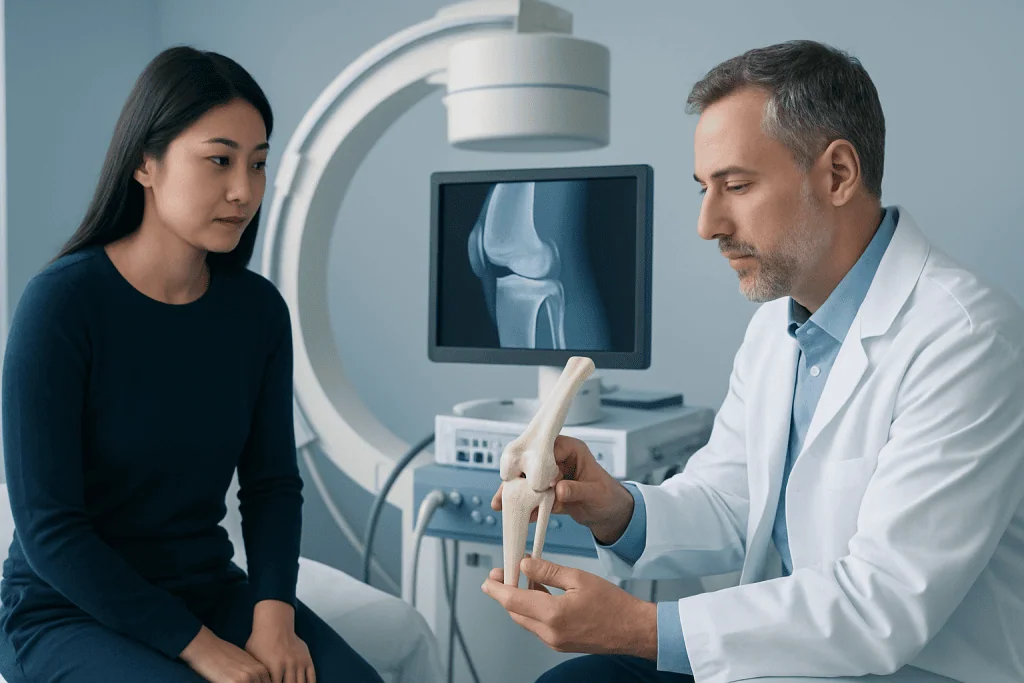
Ongoing pain is one of the most common reasons people seek orthopedic care. Aches after unusual activity can be normal, but pain that lasts for days or weeks, returns often, or gets worse over time deserves attention. The same is true if pain wakes a person at night or limits normal movement.
Swelling, stiffness, and reduced range of motion are also important signs. A joint that feels stuck, unstable, or difficult to fully bend or straighten may need specialist assessment. Some people notice clicking, locking, or the feeling that a knee, shoulder, or ankle may give way.
Other reasons to see an orthopedist include weakness, numbness related to movement problems, trouble bearing weight, repeated sports injuries, and slow recovery after a fall or twist. Helpful warning signs include:
- Pain that does not improve with rest or simple home care
- Swelling, bruising, or tenderness after an injury
- Difficulty walking, standing, gripping, or lifting
- Joint stiffness in the morning or after inactivity
- A sense of instability or repeated sprains
- Loss of function that interferes with daily activities
Pain, Injury, and Limited Movement That Need Prompt Evaluation
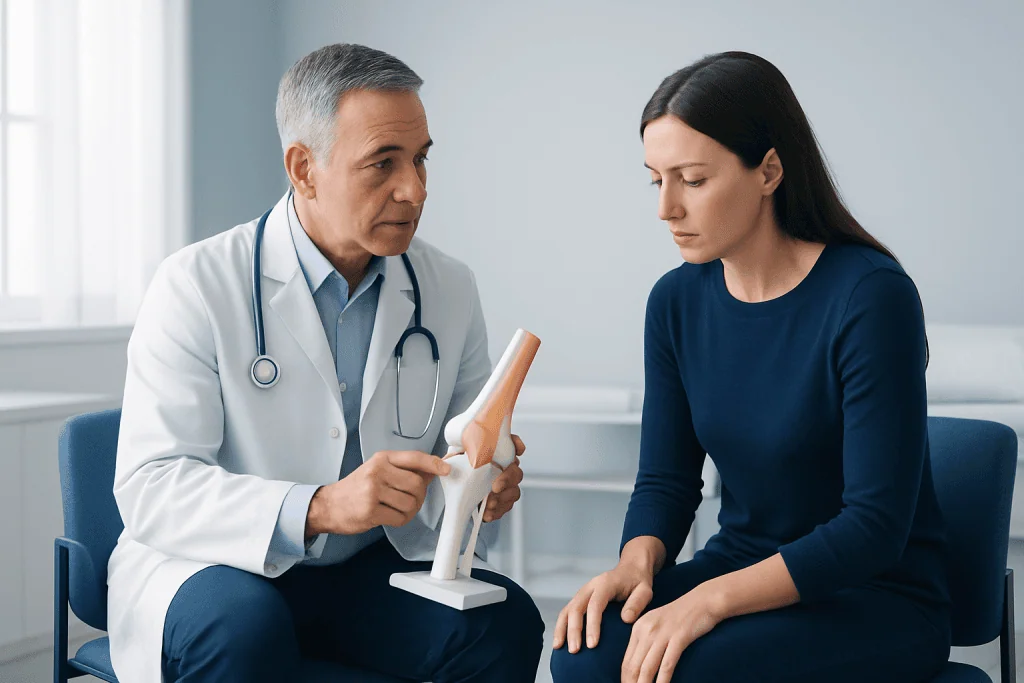
Some symptoms should be assessed sooner rather than later. Sudden severe pain after trauma, a visible deformity, or inability to move a limb may suggest a fracture, dislocation, or tendon rupture. In these situations, prompt medical care is important to protect the injured area and reduce the risk of long-term problems.
An urgent evaluation is also wise when a person cannot bear weight on a leg, cannot use an arm normally, or feels a pop followed by swelling and weakness. Sports injuries involving the knee, shoulder, ankle, or wrist can sometimes appear minor at first but may involve ligament, cartilage, or tendon damage that benefits from early diagnosis.
Infections and circulation problems can also mimic orthopedic conditions and should not be ignored. Redness, warmth, fever, rapidly increasing swelling, severe calf pain, or new numbness after an injury deserve immediate attention. These symptoms may require emergency assessment rather than a routine specialist visit.
Conditions an Orthopedist Commonly Treats
Orthopedists treat a wide range of acute injuries and chronic conditions. These include fractures, sprains, tendonitis, bursitis, meniscus tears, rotator cuff injuries, back pain, neck pain, scoliosis, carpal tunnel syndrome, and degenerative joint disease such as osteoarthritis. They also care for sports injuries and overuse problems caused by repeated strain.
Joint pain in the knee, hip, shoulder, hand, or ankle may have many possible causes. Some relate to inflammation, some to injury, and others to wear and tear over time. Orthopedic evaluation helps identify whether the source is inside the joint itself, in the surrounding tendons or muscles, or in nearby nerves or the spine.
Orthopedic care can also be useful for people with limited mobility after previous injuries, ongoing shoulder stiffness, or persistent foot and ankle pain. When symptoms do not improve with rest, it may be appropriate to ask about physical therapy and rehabilitation or a more detailed musculoskeletal assessment.
How an Orthopedist Makes a Diagnosis
The first step is usually a careful discussion of symptoms, medical history, activity level, and how the problem started. The orthopedist may ask whether the pain came on suddenly or gradually, what movements make it worse, and whether there is swelling, weakness, numbness, or locking. This history often gives important clues about the underlying cause.
A physical examination then checks alignment, tenderness, stability, muscle strength, nerve function, and range of motion. Specific maneuvers may help identify whether a ligament, tendon, meniscus, or joint surface is involved. Comparing both sides of the body can show differences in strength or mobility.
Imaging and tests may be recommended when needed. X-rays are often used to look for fractures, arthritis, or changes in joint alignment. Ultrasound or MRI may be more helpful for soft-tissue injuries involving tendons, ligaments, cartilage, or muscles. In some cases, blood tests are ordered if inflammation, infection, or another medical condition is suspected.
Treatment Options: From Self-care to Surgery
Treatment depends on the diagnosis, severity of symptoms, and a person’s goals and overall health. Many orthopedic conditions improve with conservative care. This may include activity modification, ice or heat, short-term pain relief, anti-inflammatory medicines when appropriate, supportive footwear, braces, or supervised exercise. Rehabilitation is often central to restoring strength, flexibility, and balance.
If symptoms continue, the orthopedist may consider additional options such as injections, splints, or guided rehabilitation programs. For people with significant cartilage damage, advanced arthritis, or injuries that do not heal well on their own, procedures may be discussed. Examples include arthroscopy for certain joint problems or knee replacement when severe knee arthritis is limiting quality of life.
Surgery is usually recommended only when the expected benefits outweigh the risks and non-surgical treatment is not enough. The goal may be to repair an injury, improve stability, reduce pain, or restore function. A good orthopedic plan typically includes both treatment and recovery support, especially through rehabilitation and follow-up.
What to Do Before and After the Appointment
Before the visit, it can help to note when the pain started, what makes it better or worse, and whether there was a specific injury. Bringing a list of medicines, previous imaging reports, and any relevant medical conditions can make the appointment more useful. Comfortable clothing may also help if the joint or limb needs to be examined.
Patients often benefit from asking practical questions. For example: What is the likely cause of the pain? What activities should be avoided for now? Is physical therapy likely to help? Are imaging tests needed right away, or only if symptoms persist? These questions can make the treatment plan clearer and easier to follow.
After the appointment, recovery usually depends on following the recommended plan consistently. That may include rest from certain activities, doing home exercises, attending rehabilitation sessions, or using a brace correctly. If symptoms suddenly worsen, new swelling appears, or function declines, the patient should contact their doctor for reassessment.
When to Seek Urgent or Emergency Care
Not every bone or joint problem requires urgent care, but some situations do. Emergency assessment is important after a major fall, road traffic injury, sports collision, or direct blow if there is severe pain, deformity, heavy swelling, or a limb that cannot be used. These signs can point to a fracture, dislocation, or serious soft-tissue injury.
A person should also seek urgent care if there is numbness, bluish or pale skin, loss of pulse in a limb, or a wound with exposed bone. Fever with a hot, swollen joint may suggest infection and needs prompt treatment. Severe back pain with new bladder or bowel problems, or weakness in the legs, also requires immediate medical attention.
For non-emergency concerns, scheduling an orthopedic evaluation is reasonable when symptoms last more than a few days, keep returning, or interfere with everyday activities. In centers such as Acibadem International, multidisciplinary orthopedic specialists in JCI-accredited hospitals assess and treat musculoskeletal conditions for international patients, with care plans tailored to the individual’s diagnosis and recovery needs.
Frequently asked questions
What is the difference between an orthopedist and a physiotherapist?
An orthopedist is a medical doctor who diagnoses musculoskeletal conditions and can order imaging, prescribe treatments, perform procedures, and, when needed, offer surgery. A physiotherapist focuses on rehabilitation through movement, exercise, and physical techniques. Many patients benefit from care that involves both professionals.
Should a person see an orthopedist for back pain?
Back pain can be evaluated by an orthopedist, especially if it is persistent, follows an injury, or causes reduced movement. Urgent assessment is especially important if there is leg weakness, numbness, or bladder or bowel changes. Mild short-term back pain often improves with simple care, but ongoing symptoms should be reviewed.
Can an orthopedist help even if surgery is not wanted?
Yes. Many orthopedic problems are treated without surgery. Orthopedists commonly recommend exercise therapy, medication, bracing, lifestyle adjustments, injections, or monitoring, depending on the cause of the symptoms.
How long should joint pain last before seeing an orthopedist?
There is no single rule, but pain that lasts more than a few days to a few weeks, returns often, or interferes with normal activities should be evaluated. Earlier review is sensible if the pain followed an injury or is associated with swelling, instability, or limited movement.
Do all sports injuries need an orthopedic evaluation?
Not all do. Mild strains or bruises may improve with rest and gradual return to activity. However, an orthopedic assessment is helpful if there is a popping sensation, major swelling, inability to bear weight, repeated injury, or symptoms that are not improving.
What tests might an orthopedist order?
The choice depends on the symptoms and examination findings. Common tests include X-rays for bones and alignment, and MRI or ultrasound for soft-tissue injuries such as ligament, tendon, or cartilage problems. Some patients may also need blood tests if inflammation or infection is suspected.
References
- American Academy of Orthopaedic Surgeons
- National Institute of Arthritis and Musculoskeletal and Skin Diseases
- National Health Service
- Mayo Clinic
- MedlinePlus
This article is for general information only and is not a substitute for professional medical advice. Please consult a qualified doctor about your individual situation.
Joint and spine care in Turkey — expert assessment & treatment
JCI-accredited · board-certified surgeons · reply within 24h
Add us as a Preferred Source to see more of our trusted health content across Google Search, AI Overviews and Discover.

Orthopedics & Spine
Care for bones, joints and the musculoskeletal system, including joint replacement, sports injuries and trauma.
125 specialists in this unitMore from the Health Library



Related Specialists

Prof. Dr. Tevfik Fikret Çermik
Nuclear Medicine
Dr. Nida Özer
Gynecology & Obstetrics
Dr. Tarik Yanik
Otorhinolaryngology
Dr. Ioseb Gabunia
Inpatient Clinic Physicians Clinical Service