Where Is Your Bladder Located: What Patients Need to Know
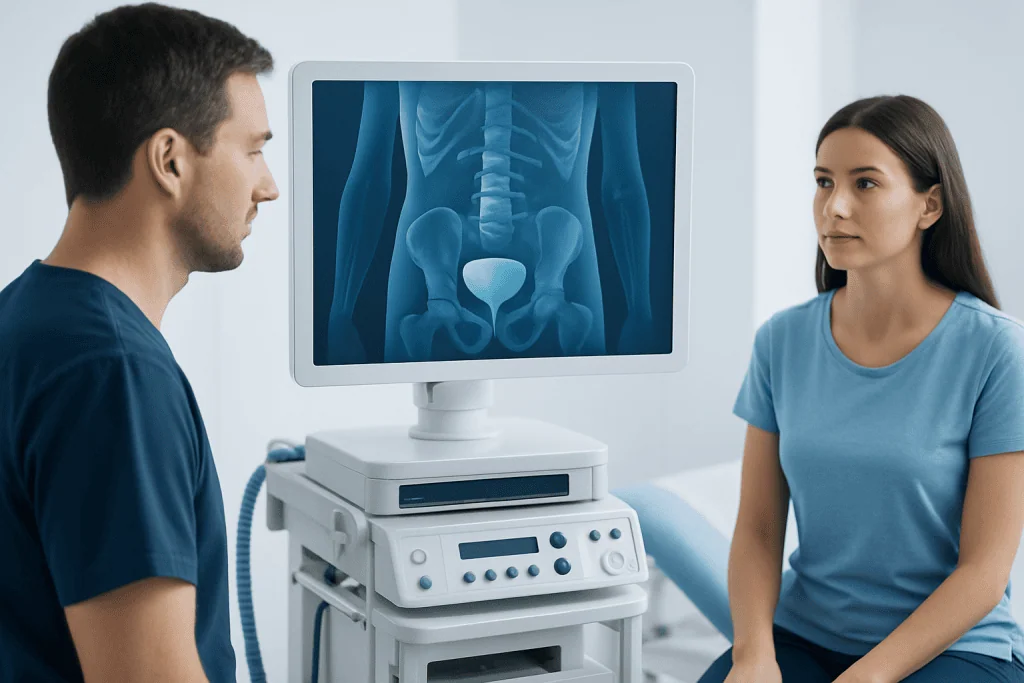
The bladder sits in the lower pelvis behind the pubic bone. Its position changes slightly depending on how full it is.
Key Takeaways
- The bladder sits in the lower pelvis behind the pubic bone.
- Its position changes slightly depending on how full it is.
- Bladder symptoms can include pain, urgency, frequent urination, or leakage.
- Nearby organs differ by sex, which can affect symptoms and related conditions.
- Medical evaluation is important if bladder symptoms are persistent, painful, or include blood in the urine.
The bladder is located low in the pelvis, just behind the pubic bone. It is a hollow muscular organ that stores urine before it leaves the body, and its exact position can shift slightly as it fills or empties.
Overview: Where is your bladder located?
Your bladder is located in the lower part of the pelvis, behind the pubic bone. In most adults, it sits in the midline of the body and remains protected by the bony pelvis when it is empty. As it fills with urine, it expands upward into the lower abdomen.
The bladder is a hollow, muscular organ whose main job is to store urine made by the kidneys. Urine travels down from the kidneys through the ureters and collects in the bladder until the body is ready to urinate. When urination begins, the bladder muscle contracts and urine leaves through the urethra.
Many people look for bladder location because they are trying to understand pressure, pain, or urinary symptoms. Knowing where the bladder sits can help explain why discomfort is often felt low in the belly, above the pubic area, or deep in the pelvis rather than higher up in the abdomen.
How the bladder sits in the body
The bladder lies just behind the pubic symphysis, the joint at the front of the pelvis. Its base and outlet point downward, while the upper part, called the dome, rises as the bladder fills. This means its shape and exact height are not fixed throughout the day.
When the bladder is nearly empty, it usually stays deep in the pelvis. When it becomes fuller, it can extend above the pelvic brim and become easier to feel as a sense of fullness in the lower abdomen. This is one reason urinary urgency or pressure may feel more noticeable before urination.
The bladder also works closely with the pelvic floor muscles and the urinary sphincters. These structures help support the bladder and control the release of urine. If the pelvic floor becomes weak or the bladder is irritated, a person may notice urgency, leakage, or pressure even when the bladder is not very full.
- Empty bladder: usually deep within the pelvis
- Filling bladder: expands upward into the lower abdomen
- Full bladder: may create pressure above the pubic bone
Bladder location in women and men
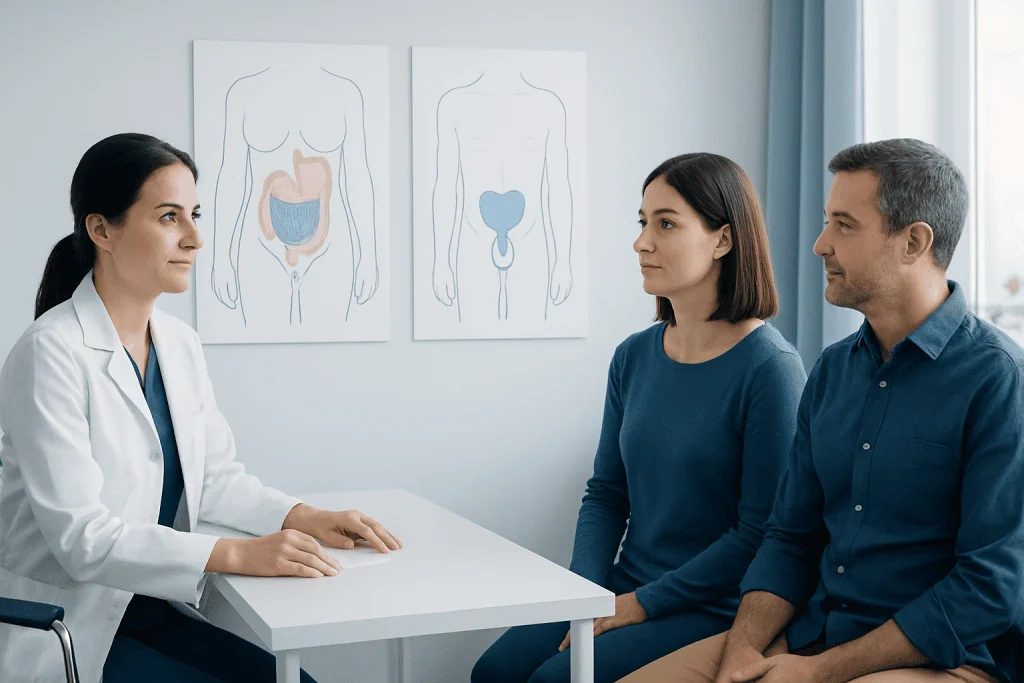
The bladder is in a similar general place in all adults, but the nearby organs differ in women and men. In women, the bladder lies in front of the uterus and above the vagina. In men, it sits in front of the rectum and above the prostate gland.
These anatomic differences can influence symptoms. For example, enlargement of the prostate in men can affect the bladder’s ability to empty normally. In women, pregnancy, childbirth, and pelvic floor weakness can change support around the bladder and contribute to pressure or urine leakage.
Because the bladder shares limited space with other pelvic organs, some problems can feel similar at first. Pelvic pain, lower abdominal pressure, urinary frequency, and discomfort may come from the bladder itself or from nearby structures. This is why medical evaluation may include looking at the whole pelvic area rather than the bladder alone.
What bladder-related symptoms may feel like
Bladder symptoms are often felt low in the pelvis or just above the pubic bone. Some people describe pressure, fullness, burning with urination, cramping, or a persistent need to urinate. Others may notice that they need to pass urine more often, wake at night to urinate, or have difficulty fully emptying the bladder.
Pain from the bladder does not always stay in one place. It may be felt in the lower abdomen, urethra, pelvis, groin, or lower back. Symptoms can be temporary, such as during a urinary tract infection, or more persistent, as in conditions that affect bladder function or cause chronic irritation.
Common bladder-related concerns include:
- Urgent or frequent urination
- Burning or pain during urination
- Leakage of urine
- Difficulty starting or maintaining urine flow
- Feeling that the bladder does not empty completely
- Blood in the urine
These symptoms do not always mean there is a serious problem, but they should be assessed if they continue, worsen, or interfere with daily life. Conditions such as urinary tract infection or bladder outlet problems may need prompt care.
Why bladder location matters for diagnosis
Understanding where the bladder is located helps explain how doctors assess urinary symptoms. Because the bladder sits low in the pelvis, examination often focuses on the lower abdomen and pelvic region. A clinician may gently feel for tenderness, fullness, or signs that the bladder is overly distended.
If symptoms suggest a bladder problem, testing may include a urine test, ultrasound, or other imaging. These can help identify infection, stones, retention of urine, structural problems, or masses. In some cases, a specialist may recommend cystoscopy to look inside the bladder and urethra more directly.
When bladder emptying is a concern, doctors may measure how much urine remains after urination. This can be done with an ultrasound scan or a catheter-based measurement. Depending on the symptoms, people may also be evaluated for related conditions such as urinary incontinence or pelvic floor dysfunction.
Common conditions that can affect the bladder
Several health conditions can involve the bladder itself or the structures around it. Urinary tract infections can irritate the bladder lining and cause burning, urgency, or pelvic discomfort. Bladder stones, obstruction, nerve-related bladder problems, and inflammation can also affect how the bladder stores or empties urine.
Some symptoms are linked to the bladder’s support system rather than the organ alone. Weak pelvic floor muscles can contribute to urine leakage, while blockage at the outlet can cause slow flow or incomplete emptying. In certain cases, specialists may use urodynamic testing to understand how well the bladder stores and releases urine.
Less commonly, persistent blood in the urine, unexplained pain, or major changes in urinary habits may lead to evaluation for more serious problems, including tumors. Treatment depends on the cause and may range from lifestyle changes and medication to procedures. For some structural or functional issues, options such as urologic care may be part of the treatment plan.
Bladder health, self-care, and when to seek medical care
Good bladder habits can support comfort and normal function. Drinking enough fluids, avoiding regularly delaying urination for long periods, and limiting bladder irritants such as excess caffeine or alcohol may help some people. Pelvic floor exercises may also be useful when leakage or pelvic support issues are present, especially if advised by a clinician.
It is important not to self-diagnose ongoing urinary symptoms based only on where discomfort is felt. Pain low in the pelvis can come from the bladder, bowel, reproductive organs, muscles, or nerves. A qualified doctor can help determine the source and recommend appropriate treatment.
Medical care should be sought if there is blood in the urine, fever with urinary symptoms, severe pain, inability to urinate, new incontinence, or symptoms that persist or keep returning. Acibadem International’s multidisciplinary specialists and JCI-accredited hospitals evaluate and treat bladder-related conditions for international patients when further assessment is needed.
Frequently asked questions
Can a person feel where the bladder is?
Sometimes. When the bladder is full, a person may feel pressure or fullness low in the abdomen above the pubic bone. An empty bladder is usually deep in the pelvis and not noticeable.
Is the bladder in the stomach area?
Not exactly. The bladder is in the pelvis, below most of the abdominal organs. When it fills, it can expand upward and create a sensation in the lower abdomen.
Does bladder pain always mean a urinary tract infection?
No. A urinary tract infection is a common cause, but bladder-area pain can also come from stones, inflammation, pelvic floor problems, or nearby organs. A doctor can help identify the cause with a history, exam, and tests if needed.
Why does the bladder seem to change position?
The bladder changes shape and rises slightly as it fills with urine. When it empties, it settles deeper into the pelvis again. This is a normal part of how the organ stores urine.
Are bladder symptoms different in women and men?
Some symptoms are similar, such as urgency, burning, or frequency. However, nearby organs differ, so conditions involving the prostate in men or pelvic floor support in women can affect symptoms and treatment.
When should urinary symptoms be checked by a doctor?
Medical advice is important if symptoms last more than a short time, keep returning, or interfere with daily life. Urgent care is especially important for blood in the urine, fever, severe pain, or trouble passing urine.
This article is for general information only and is not a substitute for professional medical advice. Please consult a qualified doctor about your individual situation.
Explore treatments in Turkey — costs, top hospitals & a free quote
JCI-accredited · board-certified surgeons · reply within 24h
Add us as a Preferred Source to see more of our trusted health content across Google Search, AI Overviews and Discover.

More from the Health Library

Rectus Diastasis: Procedure, Recovery and Results

Amalaki Powder Uses — Explained by Medical Evidence, Not Myths

Ham Is Good for Health: What Patients Need to Know

Diabetes: An Evidence-Based Guide for Patients

Digestive System Amazing Facts: A Complete Medical Overview